

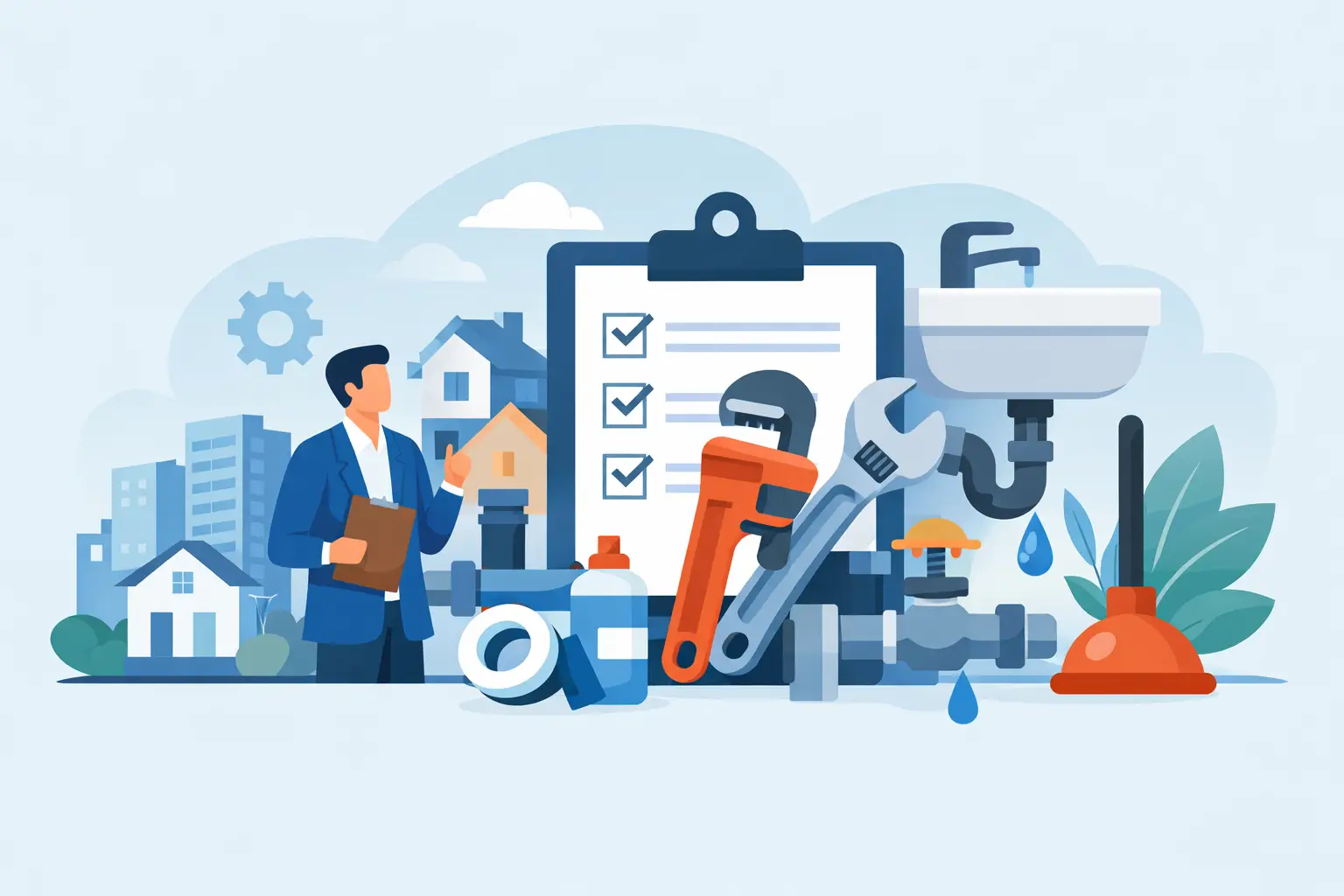
A burst supply line under a sink can release a surprising amount of water in just a few minutes. Knowing how to locate main shutoff valve before a pipe breaks, a toilet overflows, or a leak gets worse gives you time to protect your floors, walls, and belongings.
The main water shutoff is one of the most useful things to find when you move into a home, buy a commercial property, or begin managing a rental. It is not glamorous, but it can make the difference between a manageable repair and major water damage. Take a few minutes to find it now, make sure it works, and let everyone in the household know where it is.
How to Locate Main Shutoff Valve in Your Home
Your main shutoff valve controls the water supply entering the building. When it is closed, water should stop flowing to faucets, toilets, showers, washing machines, and most other plumbing fixtures inside. It does not always stop water already sitting in the pipes, so a faucet may run briefly after you turn the valve off.
In many Central Florida homes, the valve is found near the point where the main water line enters the house. Start by looking in practical areas close to the exterior wall facing the street or water meter. Common locations include a garage, utility room, laundry room, mechanical closet, or an exterior wall near the water heater.
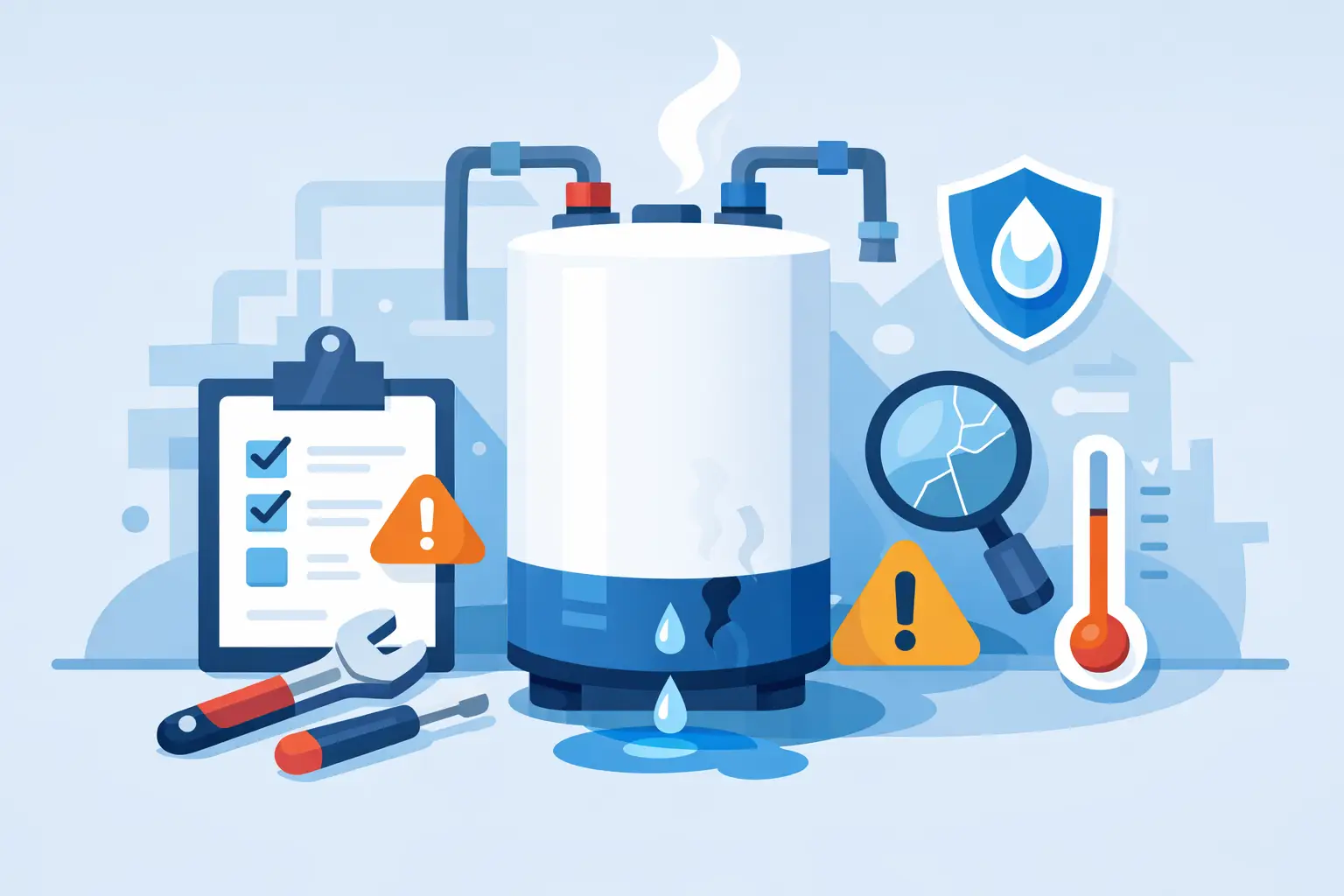
The valve may be beside the water heater, but do not assume it is part of the water heater itself. A valve directly above a water heater may only shut off cold water to that appliance. The home’s main shutoff will be on the larger incoming water line and should affect the entire building.
Look for a pipe with a handle that is usually one of two styles. A round wheel handle often closes by turning clockwise. A lever-style ball valve is generally closed when the handle is perpendicular to the pipe and open when it runs parallel with the pipe. Older valves can be stiff, corroded, or difficult to operate, so do not force one aggressively.
Check near the water meter
If you cannot find an indoor valve, check the water meter area. In Orlando-area neighborhoods, the meter is often located in a ground-level box near the curb, sidewalk, or property line. Lift the meter-box lid carefully. Insects, standing water, and debris are common, especially after rain.
There may be a shutoff valve on the customer side of the meter. This can stop water to the property, but the setup varies by utility and neighborhood. Avoid turning the utility-owned valve or tampering with a lock, seal, or meter equipment. If the customer-side valve is unclear, or if there is an active emergency, a licensed plumber can help identify the correct control without risking damage to the meter assembly.
Look outside on older homes
Some homes have an exterior main shutoff valve mounted on a wall, close to a hose bib, or inside a small access panel. It may be hidden by landscaping, paint, storage items, or years of dirt. Follow visible water lines where possible, especially around the garage, laundry area, and outdoor mechanical equipment.
If your home has a well, the control arrangement may be different. The main water supply may run through a pressure tank, pump control, or well equipment area rather than a municipal meter. Turning off power to a well pump can stop additional water from being pumped into the home, but it may not be the only step needed. A professional can explain your specific setup and label the right controls.
Do Not Confuse These Valves With the Main Shutoff
Homes have several valves, and closing the wrong one may not stop the leak. The small valve beneath a toilet or sink is a fixture shutoff. It is useful for a leak at that specific fixture, but it will not protect the rest of the home.
A water heater shutoff only affects the cold-water supply going into the heater. A washing machine valve controls the washer hoses. An irrigation shutoff affects sprinklers, and in many Florida properties it is separate from the house water line. If a pipe has burst inside your home, you need the valve that shuts off the domestic water supply.
In condos, apartments, and some townhomes, the main shutoff may be inside a utility closet, behind an access panel, or in a shared mechanical area. Your unit may have its own shutoff, while the building has another valve that controls multiple units. Property managers should know exactly where these controls are located and who has access to them. Do not close a shared valve unless you understand what it serves.
Test the Valve Before You Need It
Finding the valve is only the first step. A valve that has not been moved for years may not close completely when an emergency happens. Test it on a calm day, not during a leak.
First, tell anyone in the building that the water will be off briefly. Turn the valve slowly to the closed position. Then open a cold-water faucet, preferably near the lowest point in the home. The flow should slow and stop after the remaining water in the lines drains out. Flush a toilet only if needed to confirm the supply has stopped, since the tank will still contain water.
When you are done, reopen the valve slowly. Opening it too fast can create pressure changes that stress older plumbing components. Check nearby pipes and fittings for leaks, then run a faucet for a minute to clear air from the lines.
If the valve will not turn, drips around the stem, or does not fully stop water, it needs attention. A failing main shutoff is not a DIY problem to ignore. Replacing it before an emergency is usually much less stressful than trying to address it while water is leaking through a ceiling or across a floor.
What to Do During a Plumbing Emergency
When a pipe, supply hose, or fixture is actively leaking, focus on limiting damage first. Shut off the fixture-level valve if the problem is isolated and you can reach it safely. If water is coming from an unknown location, a broken pipe, or several fixtures, close the main shutoff.
After the water is off, turn off electricity only if water is close to outlets, electrical panels, or appliances and you can do so safely. Never stand in water to reach electrical equipment. Move valuables away from the leak, use towels or a container to catch water when practical, and avoid using plumbing fixtures until the issue is assessed.
A sewage backup requires extra caution. Do not attempt to clean contaminated water without proper protection, and keep children and pets away from the affected area. Shut off water use in the building and contact a qualified plumbing professional promptly.
Make the Shutoff Easy to Find
Once you identify the correct valve, make it obvious. Clear away boxes, tools, and storage that block access. A simple waterproof tag reading “Main Water Shutoff” can save valuable time for family members, guests, tenants, or employees. Keep a flashlight nearby if the valve is in a dark garage or utility closet.
For businesses, restaurants, and managed properties, include the shutoff location in your emergency procedures. Staff should know who is authorized to close it, where the key or access panel is located, and who to call after the water is off. That small bit of planning can prevent a minor equipment failure from disrupting an entire operation.
If you cannot locate the valve, if access is blocked, or if the valve is worn out, schedule a professional inspection before it becomes urgent. El Plomero Latino Inc. can help homeowners and property managers in the Orlando area identify, test, repair, or replace shutoff valves with clear, upfront guidance. A properly working valve is simple protection you will be glad to have when every minute counts.