A slow drain, a toilet that runs for a few extra minutes, or a faint water stain under the sink can feel small – until it becomes an after-hours repair. This preventive plumbing maintenance checklist helps homeowners, property managers, and business owners catch early warning signs before they turn into damaged floors, sewer backups, or unexpectedly high water bills.
For Central Florida properties, routine attention matters even more. Heavy rain, mature tree roots, hard-water buildup, high humidity, and busy household or commercial use can all put extra pressure on plumbing systems. A little prevention will not eliminate every plumbing emergency, but it can greatly reduce the chance that a minor issue becomes a major disruption.
Your Preventive Plumbing Maintenance Checklist
Start with what you can safely see, hear, and test. You do not need to take apart pipes or use harsh chemicals to keep an eye on your plumbing. The goal is to identify changes early and call a professional before water damage or a blockage spreads.
Check for hidden and visible leaks
Once a month, inspect the areas around toilets, sinks, faucets, water heaters, dishwashers, refrigerators with water lines, and washing machines. Look for moisture, corrosion, warped cabinet bottoms, peeling paint, mildew smells, or discoloration on ceilings and walls. Even a small, steady leak can waste a surprising amount of water over time.
Pay attention to your water bill, too. A sudden increase without a change in occupancy or water use may point to a hidden leak, a running toilet, or an underground water line concern. If you suspect a leak but cannot find it, professional leak detection can locate the source without unnecessary damage to your property.
Test toilets for silent water loss
A running toilet is one of the most common sources of wasted water. Listen after flushing. The tank should stop refilling within a reasonable time. If you hear water continuing to run, the flapper, fill valve, or another internal component may need attention.
You can also place a few drops of food coloring in the toilet tank and wait about 15 minutes without flushing. If color appears in the bowl, water is leaking past the flapper. This is usually a manageable repair when handled early, but putting it off can add up on your utility bill.
Keep drains clear without damaging pipes
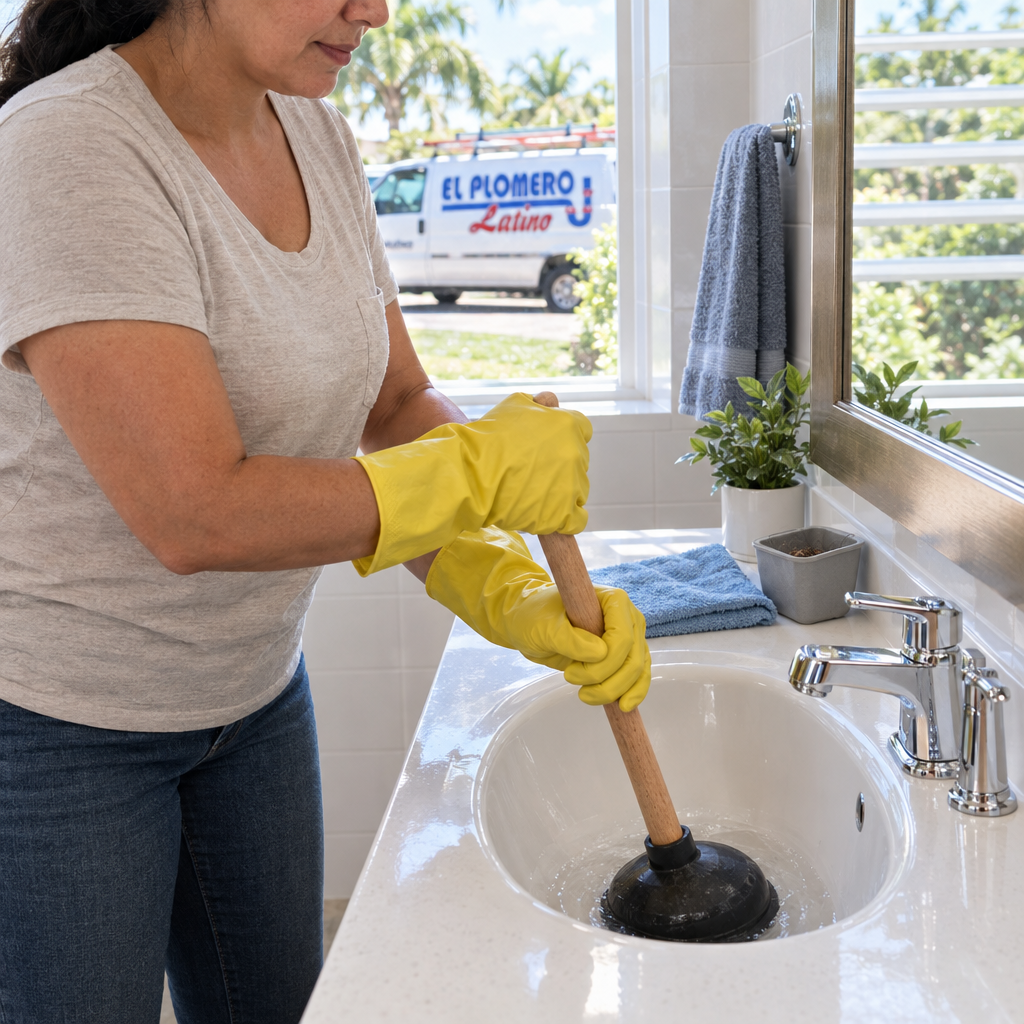
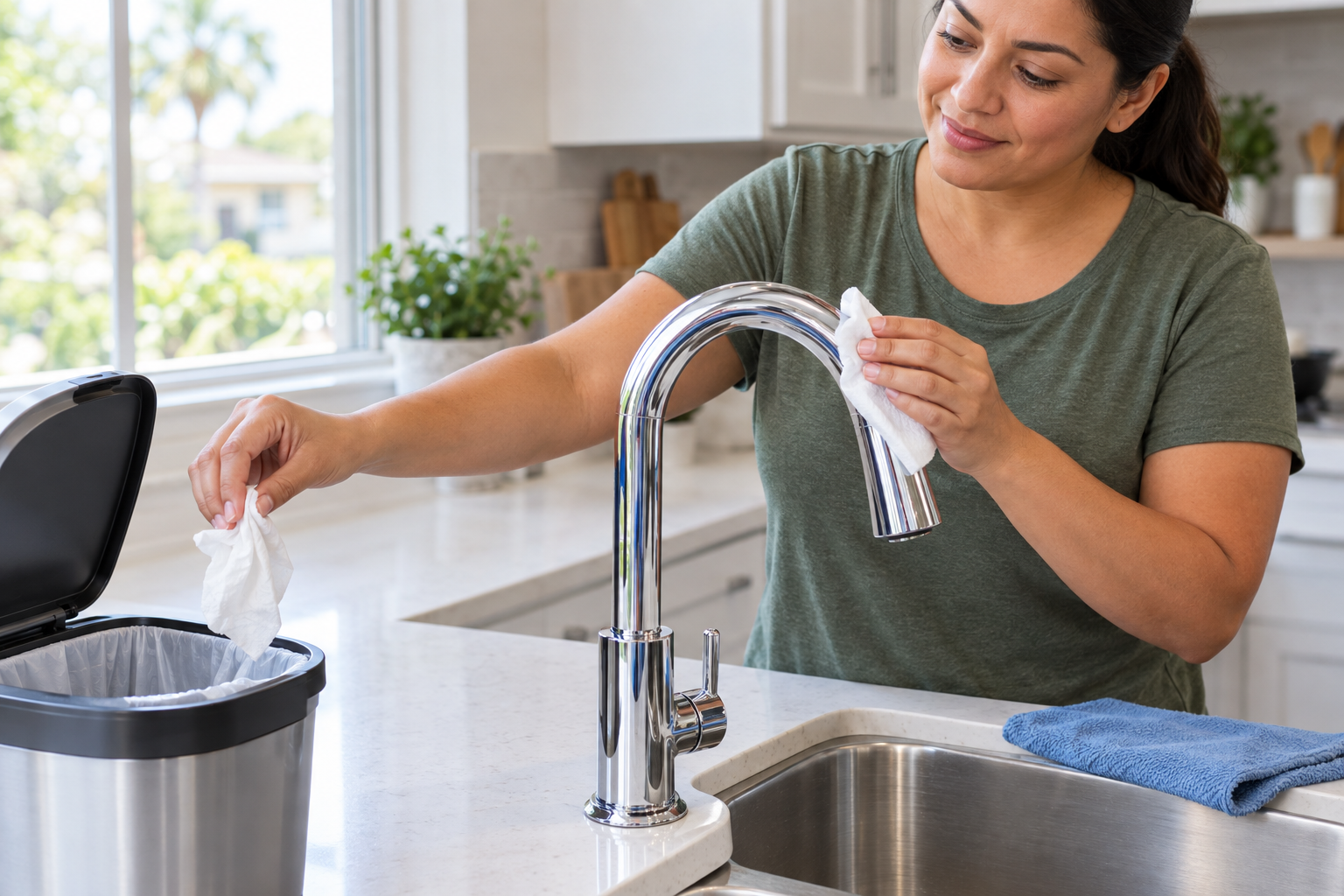
Use sink strainers in kitchen, bathroom, and laundry drains to catch food scraps, hair, and debris. In kitchens, keep grease, oils, coffee grounds, rice, pasta, and fibrous food waste out of the drain. Grease may go down warm and liquid, but it cools inside the pipe and collects other debris.
In bathrooms, remove visible hair from stoppers and strainers regularly. A drain that is slowing down is giving you useful information. Do not wait until it stops completely. Chemical drain cleaners can be hard on older pipes, seals, and fixtures, and they often fail to remove the full blockage. A professional drain cleaning service is the safer choice for repeat clogs, multiple slow drains, or a drain that backs up again soon after clearing.
Watch for sewer line warning signs
Your sewer line carries wastewater away from the building, so a developing problem can affect more than one fixture. Gurgling toilets, water rising in a shower when a toilet flushes, recurring clogs, sewage odors, and backups in tubs or floor drains deserve prompt attention.
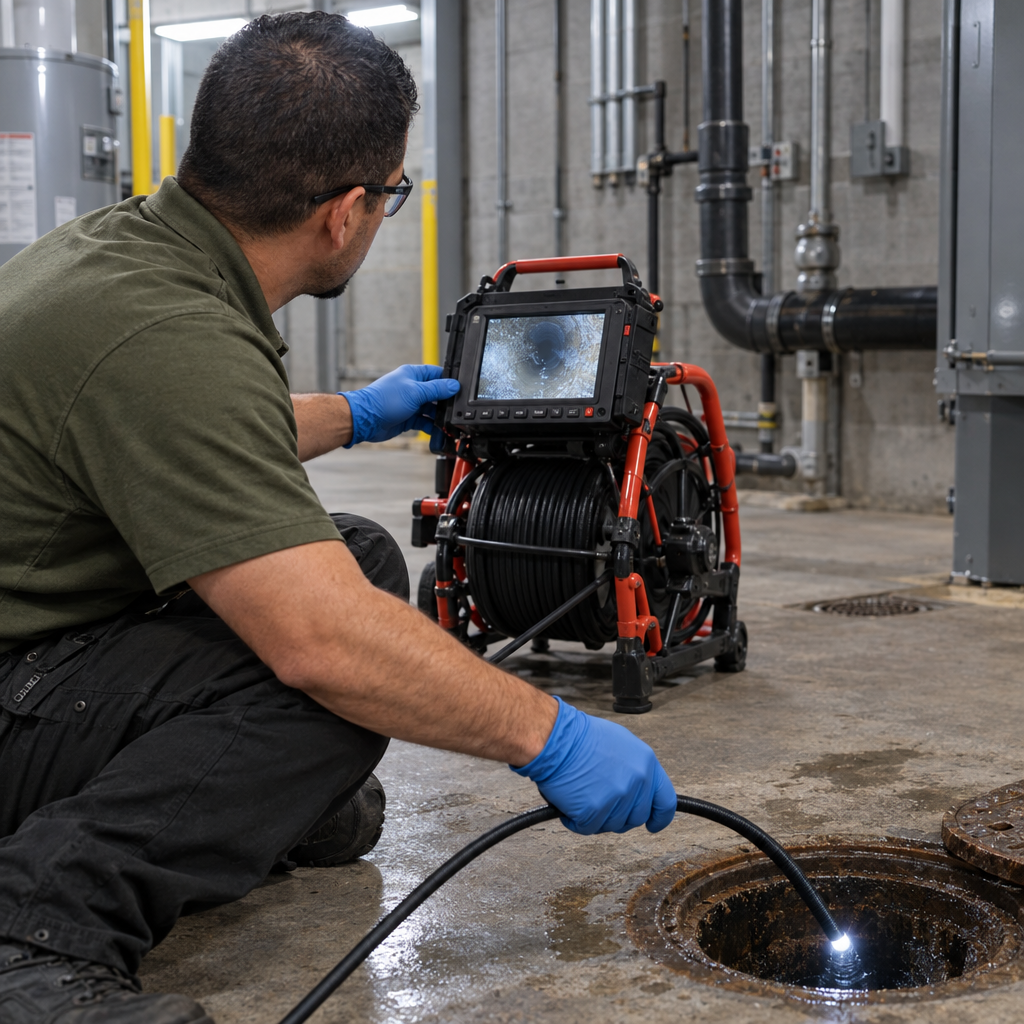
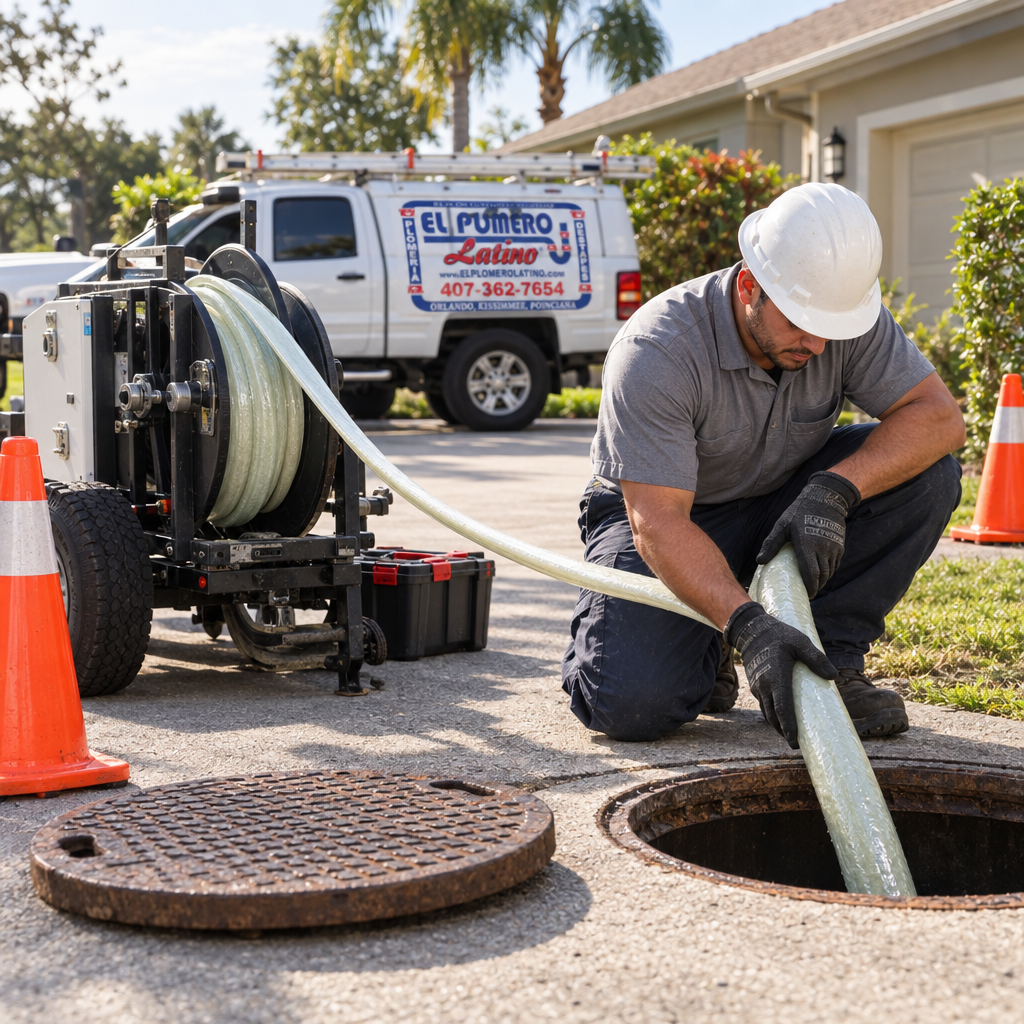
Tree roots are a frequent issue around older sewer lines in Orlando-area neighborhoods. Heavy rain can also expose drainage issues or make a partial blockage more noticeable. A sewer camera inspection gives a clear view inside the line and helps identify roots, cracks, bellies, buildup, or breaks. It is especially worthwhile before buying an older property, after repeated backups, or when planning a major renovation.
Inspect your water heater
Check your water heater monthly for puddles, rust, corrosion, dripping connections, or a damp area around the base. Make sure the area around the unit is clear of stored items and that the temperature setting is not excessively high. Water that is too hot raises burn risk and can wear down the system faster.
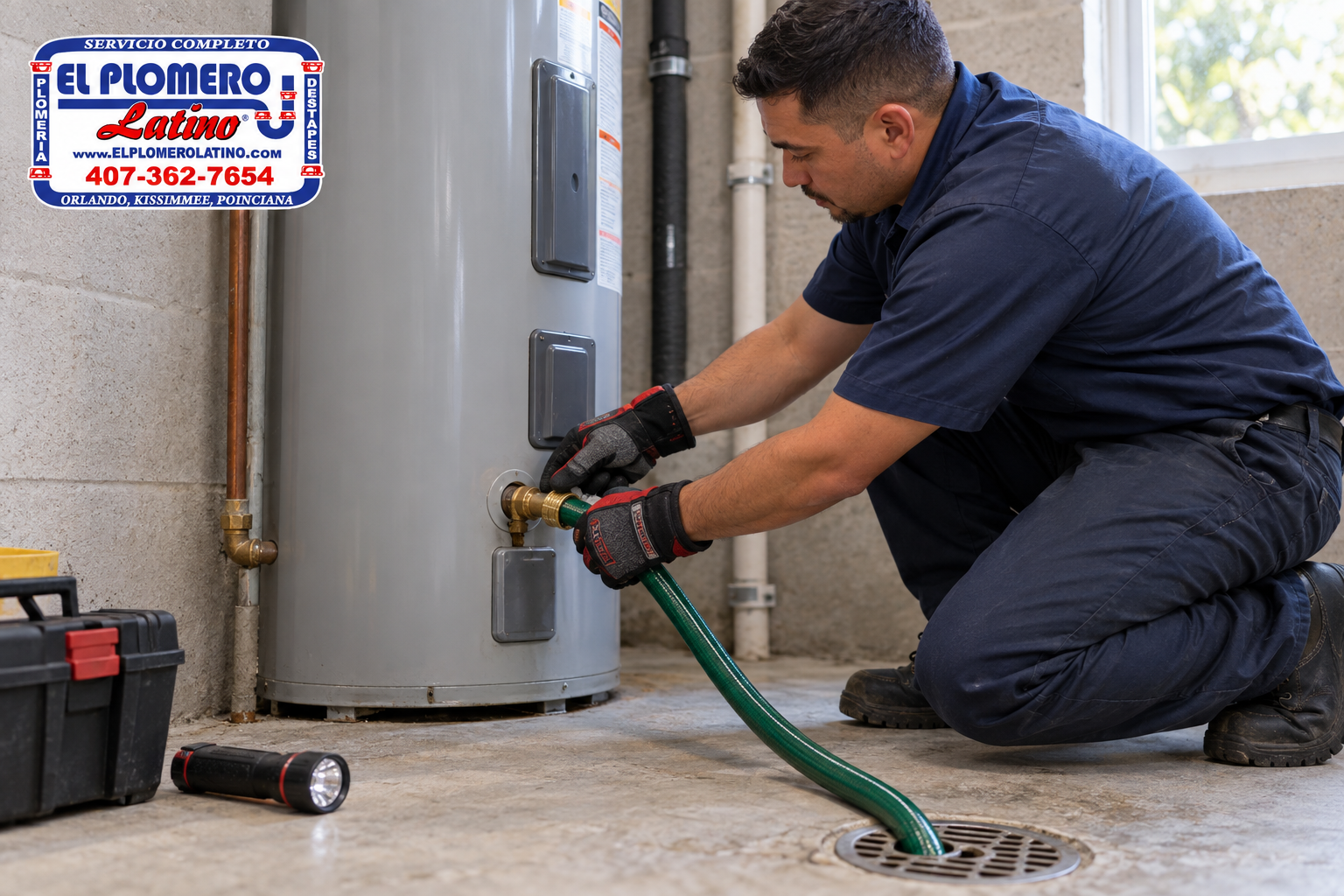
Once or twice a year, have the water heater evaluated and flushed as appropriate for its age, water quality, and manufacturer recommendations. Sediment can reduce efficiency, shorten the life of the unit, and create popping or rumbling sounds. The right maintenance schedule depends on whether you have a tank or tankless system and how much hot water your household or business uses.
Look under sinks and around fixtures
Open the cabinets beneath sinks and run both hot and cold water for a minute. Check shutoff valves, supply lines, drain connections, and the disposal area for drips. Supply hoses should not be kinked, cracked, rusted, or bulging.
Also check faucets and showerheads. Dripping faucets, weak pressure, uneven spray, and loose fixtures may seem cosmetic, but they can signal worn components, mineral buildup, or a more significant plumbing issue. Addressing a small fixture repair early is usually simpler than waiting for a connection to fail.
Seasonal Plumbing Tasks for Florida Properties
Florida does not have the long hard freezes seen in northern states, but plumbing still benefits from seasonal planning. Before the rainy season, confirm that outdoor drains, gutters, and nearby grading direct water away from the building. Standing water near the foundation can contribute to moisture problems and may reveal drainage concerns.
Before an extended trip, inspect for leaks, consider shutting off the main water supply if the property will be empty, and set the water heater according to its operating instructions. For rental homes, vacation properties, restaurants, and commercial spaces, assign someone to walk the property regularly. A leak left unnoticed for a week can cause far more damage than one found the same day.
After severe storms, check exterior hose bibs, exposed piping, utility areas, and low-lying drains. If you notice sewage smells, slow drainage throughout the building, or water where it does not belong, schedule an inspection rather than guessing at the cause.
Maintenance Priorities for Businesses and Property Managers
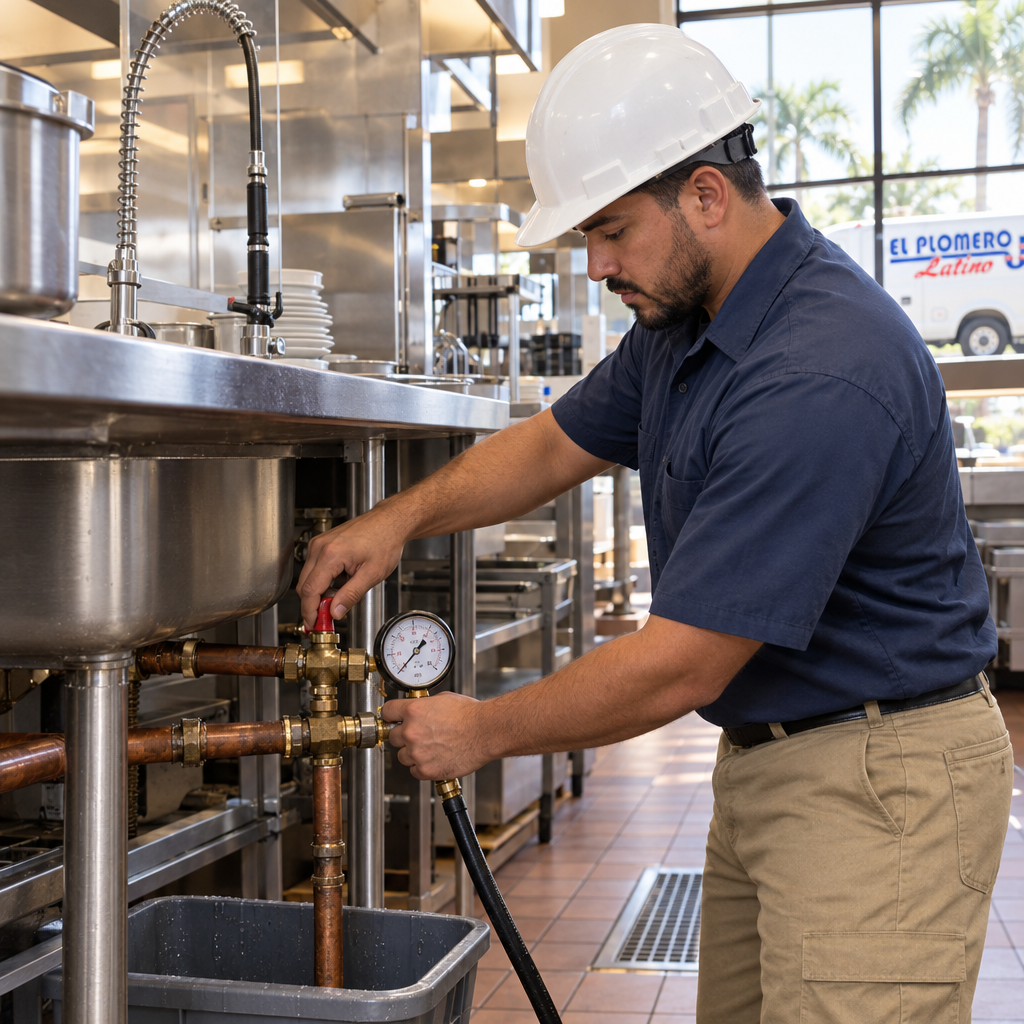
Commercial plumbing sees more volume, more users, and less room for downtime. Restaurants should be especially disciplined about grease management, floor drain care, restroom fixture inspections, and signs of drain backups. A grease-related blockage can interrupt operations quickly and create an unpleasant experience for customers and staff.
For multifamily properties, condos, and managed rentals, keep records of recurring drain, toilet, water heater, and sewer concerns by unit or building area. Patterns matter. Repeated service calls in the same stack or section of the property may point to a shared line issue rather than separate fixture problems.
A practical commercial maintenance plan should include regular drain cleaning where needed, scheduled sewer camera inspections for problem lines, fixture checks in high-use restrooms, and clear instructions for staff on what should never enter sinks or toilets. The exact schedule depends on the property type, age of the plumbing, occupancy, and history of problems.
Know When to Call a Plumber
DIY checks are useful, but some signs should not wait. Call a professional for a sewage backup, a suspected slab or hidden leak, discolored water, no hot water, a burst pipe, repeated drain clogs, low water pressure throughout the property, or a noticeable sewer odor.
You should also call when a repair keeps returning. Replacing a toilet flapper is one thing; repeatedly clearing the same drain is another. A thorough diagnosis can save money by solving the actual cause instead of treating the same symptom over and over.
For homeowners and businesses in the Orlando area, El Plomero Latino Inc. provides straightforward plumbing inspections, drain cleaning, leak detection, water heater service, and sewer line solutions with clear, upfront pricing. The goal is simple: help you make informed decisions and keep your plumbing working the way it should.
Set a reminder to complete this checklist each month, and schedule professional maintenance when your property has recurring issues or aging plumbing. The best time to deal with a leak or blockage is when it is still a small, manageable problem.