
A leak under one kitchen sink can become a damaged cabinet, a wet wall, a tenant complaint, and an insurance claim before the end of the week. For multifamily buildings, rental homes, condos, and commercial spaces, a property manager plumbing maintenance guide is not paperwork for a binder. It is a practical way to protect the property, keep residents comfortable, and avoid repairs that grow more expensive with every hour they are ignored.
Plumbing maintenance works best when it is routine, documented, and matched to the age and use of the property. A single-family rental with one occupant has different risks than a busy restaurant, an older condo building, or a property with frequent tenant turnover. The goal is not to replace equipment before its time. It is to spot warning signs early, make informed repair decisions, and have a dependable response plan when an urgent issue occurs.
Why Plumbing Problems Cost More in Managed Properties
A homeowner may notice a slow drain and live with it for a while. In a managed property, that same slow drain can lead to an after-hours call, a backup into another unit, or a complaint that affects lease renewals. Delayed plumbing repairs also create uncertainty: Was the leak reported? Was access offered? Did the issue damage a neighboring unit?
Water moves quickly through floors, walls, and ceilings. That is why active leaks, sewer backups, and water heater failures deserve immediate attention, even when the visible damage seems limited. The repair may be straightforward, but the cost of drying, restoration, lost use, and tenant disruption can be far greater than the plumbing work itself.
A consistent maintenance program also makes budgeting easier. Instead of reacting to every emergency, managers can track aging water heaters, recurring drain issues, pressure concerns, and known sewer line conditions. That history helps distinguish a one-time repair from a problem that needs a larger solution.
Property Manager Plumbing Maintenance Guide: Build a Practical Schedule
The most useful schedule is one your team can actually follow. Start with seasonal and annual inspections, then add more frequent checks for high-use areas such as laundry rooms, commercial kitchens, shared restrooms, and older buildings.
Monthly walkthroughs catch visible trouble
During routine property walks, check mechanical closets, water heater areas, vacant units, common restrooms, irrigation-adjacent spaces, and utility rooms. Look for moisture around supply lines, toilets that run after flushing, stains on ceilings, soft flooring, corrosion around valves, and musty odors.
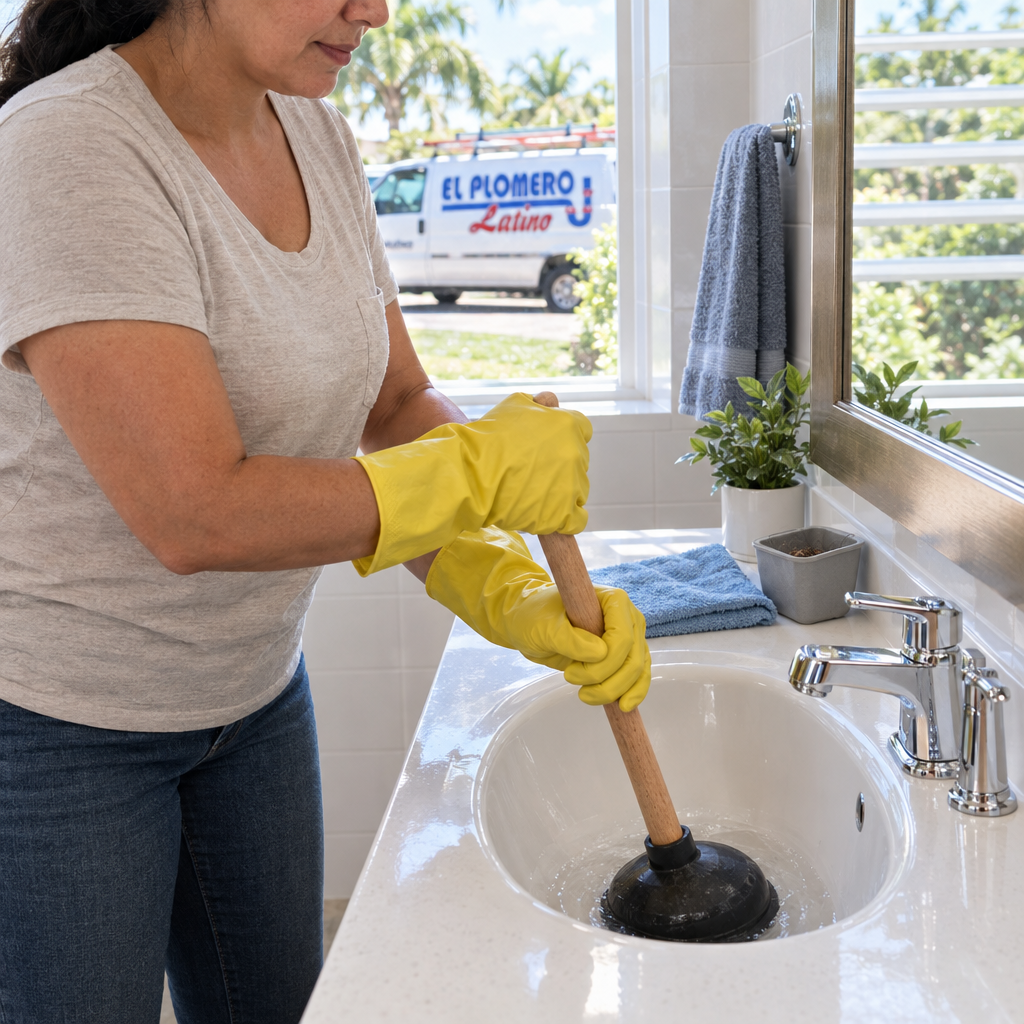
Ask onsite staff to report changes rather than diagnose the cause. A water bill that rises without a clear reason, a toilet that needs frequent plunging, or a drain that gurgles after use are all useful reports. Small changes often provide the earliest warning that a hidden leak, partial blockage, or venting problem needs professional attention.
Quarterly checks reduce common tenant calls
Quarterly maintenance is a smart time to test shutoff valves where accessible, inspect exposed piping, and check faucets, toilets, and sinks in common areas. Make sure toilet bases are stable and that water does not continue running after a flush. Inspect caulk and grout around tubs and showers as well. Failed caulk is not a plumbing failure, but it can allow water into walls and floors just as surely as a leaking pipe.
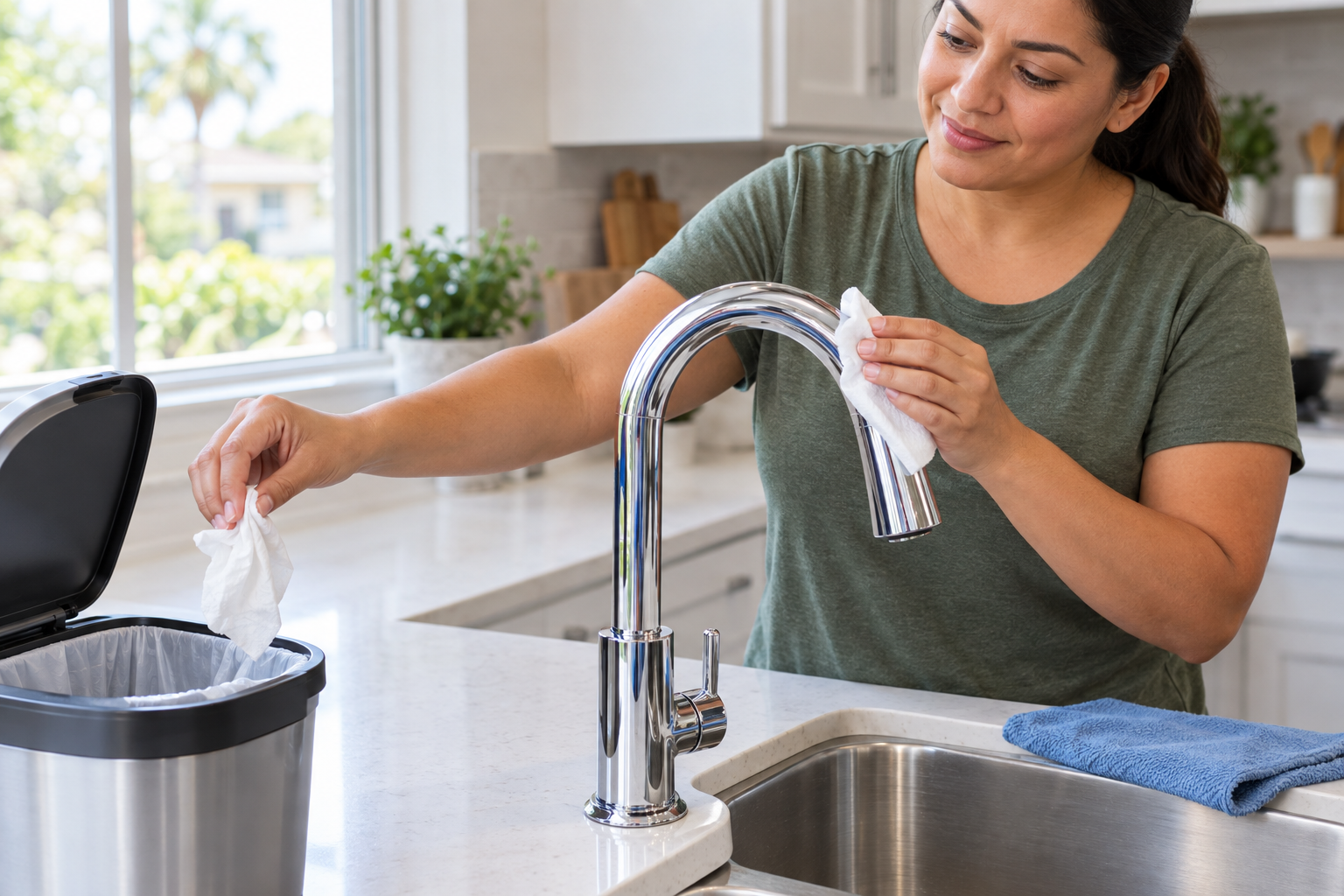
For buildings with garbage disposals, provide clear tenant guidance on proper use. Grease, fibrous foods, coffee grounds, and large quantities of food waste create avoidable drain calls. In properties with shared laundry, inspect washer hoses, drain connections, and floor drains for signs of leakage or slow drainage.
Annual professional inspections support better decisions
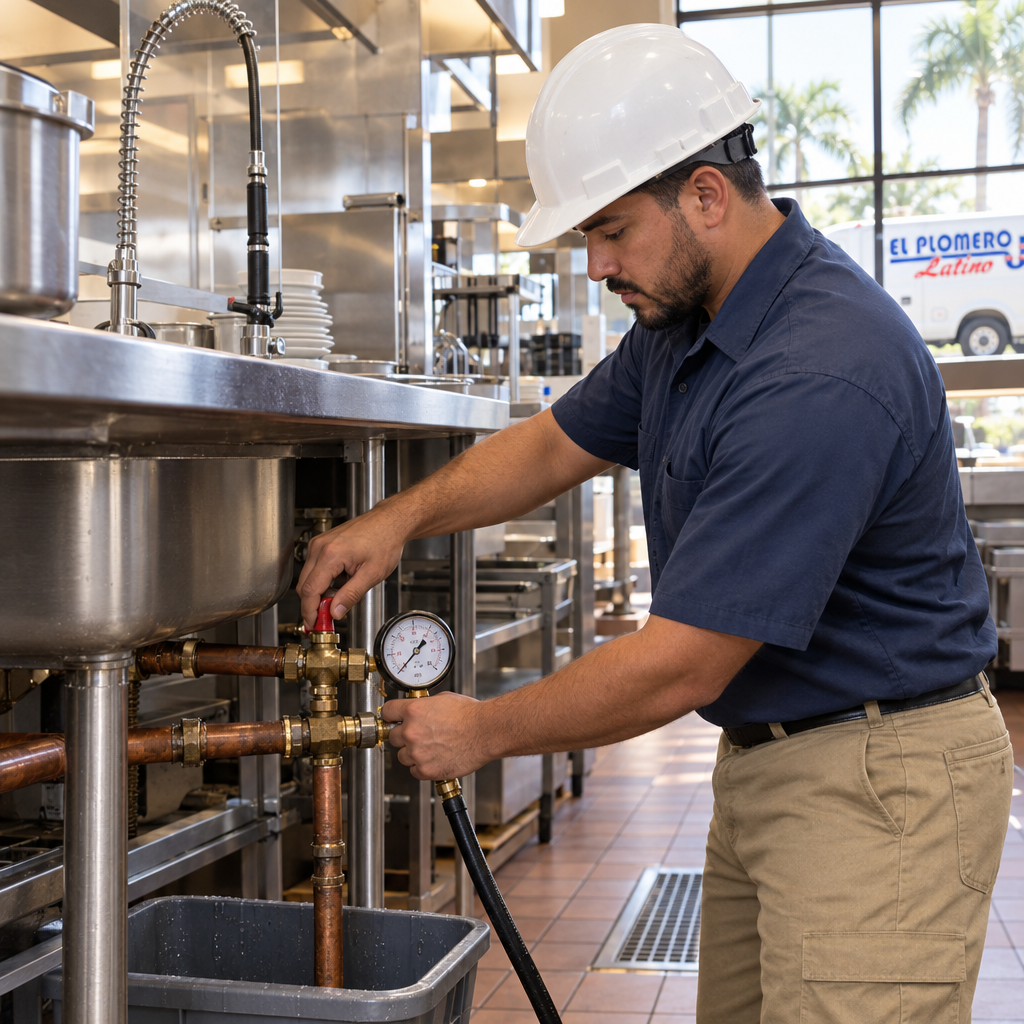
An annual inspection by a qualified plumbing professional gives managers a clearer picture of what is happening behind the fixtures. Depending on the property, this may include water heater evaluation, pressure testing, leak detection, sewer camera inspection, and an assessment of visible water and drain lines.
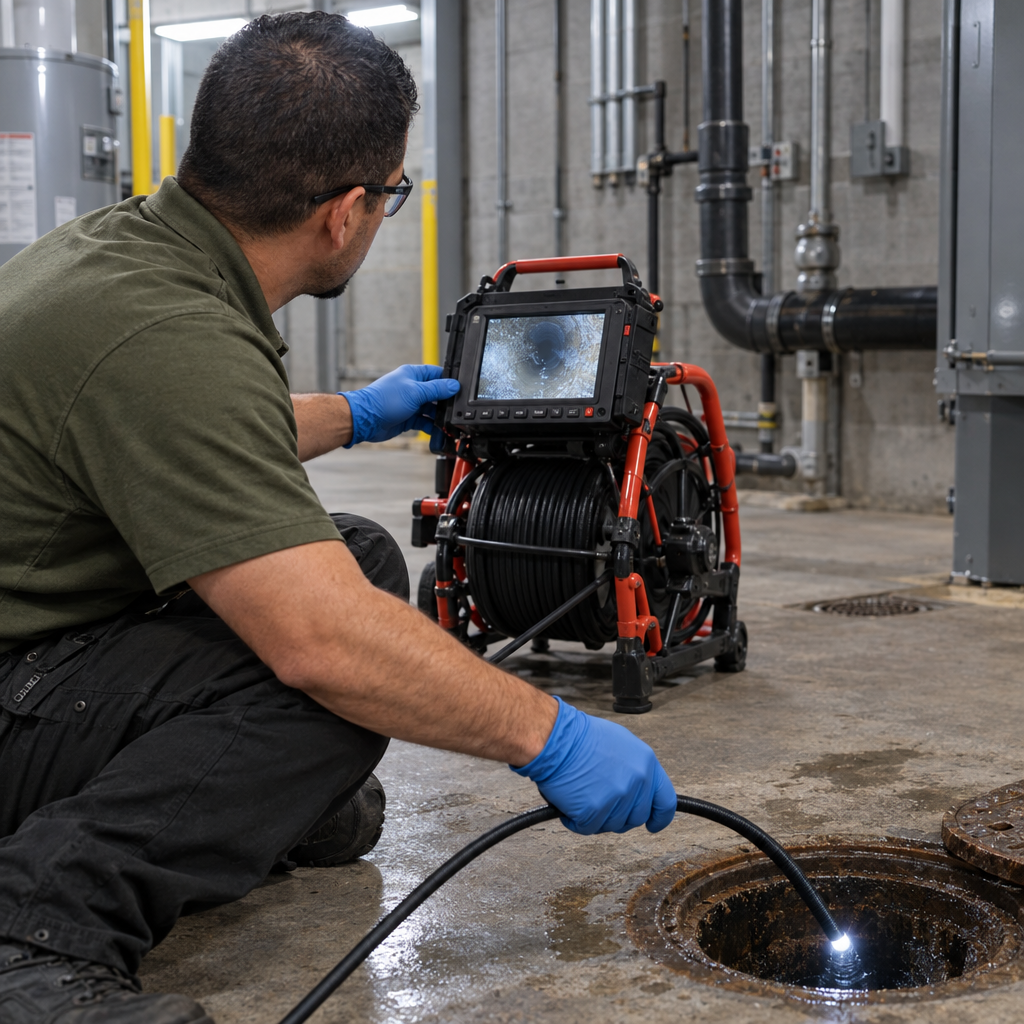
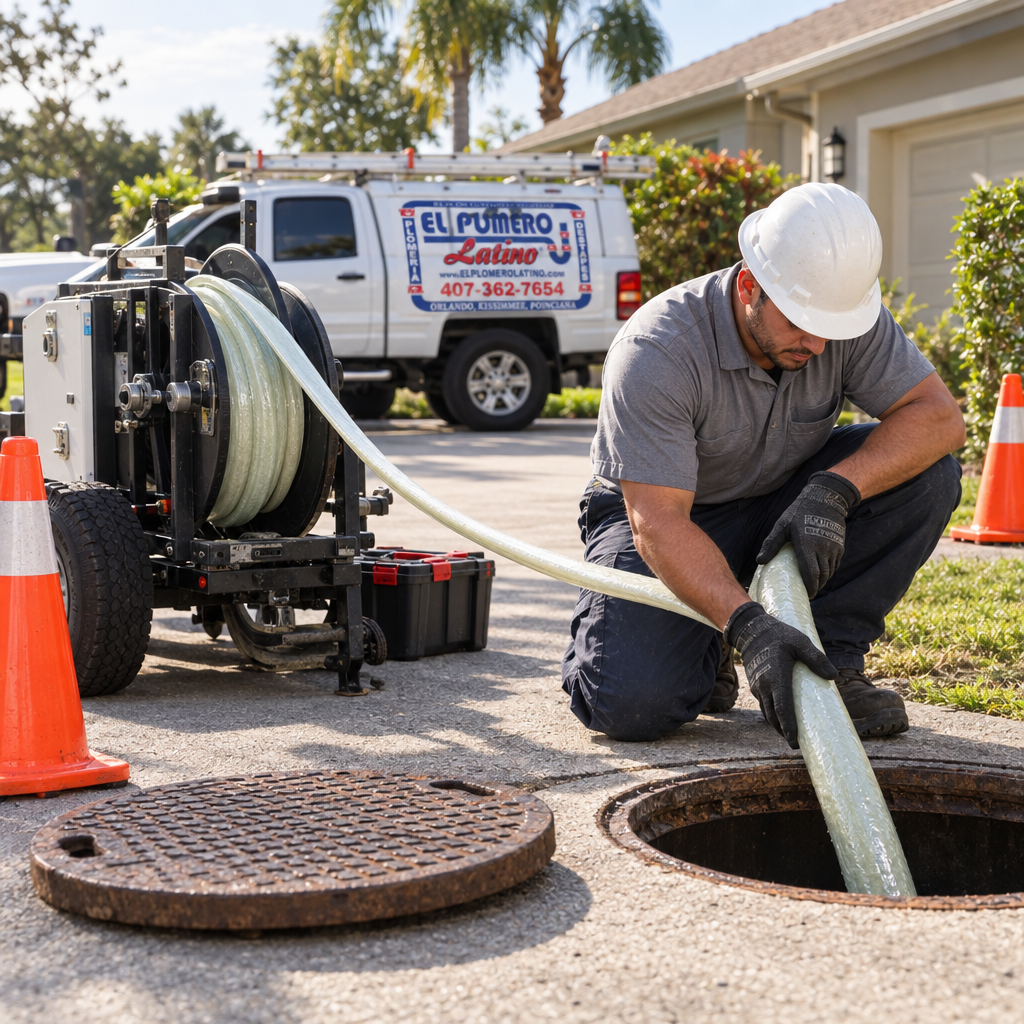
Camera inspections are especially valuable when a property has repeated backups, mature landscaping near sewer lines, older piping, or a history of tenant complaints tied to the same drains. Hydrojetting can be an effective maintenance option for certain commercial drain systems and high-use lines, but it is not automatically the right choice for every pipe. Older or damaged lines should be evaluated first so cleaning does not worsen an existing issue.
Give Water Heaters and Shutoff Valves Special Attention
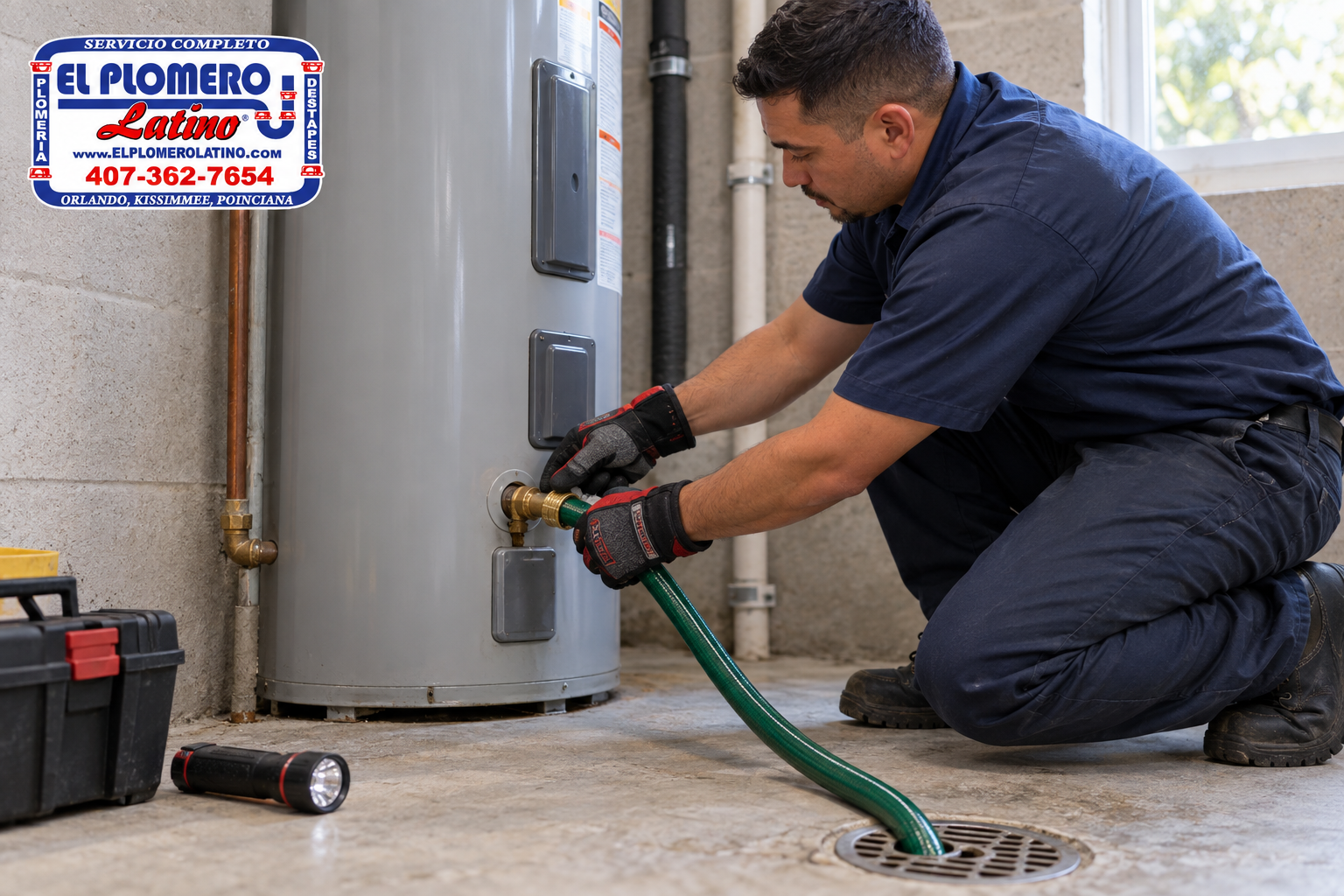
Water heaters are easy to overlook until they stop producing hot water or begin leaking. Record the installation date, fuel type, capacity, warranty information, and service history for every unit. During inspections, watch for rust, moisture at the base, corrosion at connections, unusual noises, or inconsistent hot water.
In Central Florida, water quality and heavy household use can affect fixture performance and water heater components over time. Flushing a tank-style water heater may be recommended in some situations, but the right approach depends on its age, condition, and maintenance history. An older neglected tank may require a professional evaluation before it is disturbed.
Every property should also have clearly identified main water shutoff locations. For multifamily or commercial buildings, document unit-level and building-level valves, label them when possible, and make sure authorized staff know how to use them. In an active leak, the ability to shut off water quickly can prevent substantial damage while a plumber is on the way.
Respond to Drain and Sewer Warnings Before a Backup
Recurring clogs should never be treated as a simple tenant inconvenience. One clogged bathroom sink may be a local issue. Repeated backups in the same stack, multiple slow fixtures, foul odors, or wastewater appearing in a tub or shower can point to a larger drain or sewer line problem.
Avoid relying on harsh chemical drain cleaners as a routine solution. They can damage certain pipes and fixtures, create hazards for residents and maintenance staff, and often fail to remove the actual obstruction. Professional drain cleaning can clear many blockages, while camera inspection can show whether roots, grease buildup, pipe damage, or a sagging line is causing repeat trouble.
For commercial properties, establish service intervals based on use. A restaurant grease line needs more attention than a small office restroom. A condo association with older shared lines may benefit from planned inspection and cleaning rather than waiting for the first holiday-weekend backup.
Create an Emergency Plumbing Response Plan
Even the best maintenance plan cannot prevent every failure. What matters is whether the first person who receives the call knows what to do next. Give tenants and staff a simple reporting process that asks where the water is coming from, whether it is clean or wastewater, whether water can be shut off, and whether another unit is affected.
Your internal plan should identify who can authorize emergency work, who communicates with tenants, and who documents damage. Keep current contact information for your plumbing provider, restoration company, and key onsite personnel in one accessible location. After-hours calls are less stressful when everyone understands their role before an incident happens.
When speaking with residents, be honest about what is known and what is still being assessed. Do not promise a repair timeline before the cause is identified. Clear updates, respectful entry procedures, and prompt action do more to preserve trust than vague reassurance.
Keep Records That Help You See Patterns
A service invoice should be more than a bill to file away. Record the unit or location, symptoms reported, work performed, parts replaced, photos when available, and recommended follow-up. Over time, these notes reveal useful patterns: the same unit may have repeated disposal misuse, one building may have a deteriorating water line, or a particular sewer branch may need planned repair.
Good records also support fair decisions. They help distinguish a tenant-caused issue from a building system failure and give owners a stronger basis for approving repairs or replacements. If a major project is recommended, ask for the condition of the existing system, the reason repair may not be reliable, available options, expected disruption, and warranty details.
Choose a Plumbing Partner Before the Emergency
Price matters, but the lowest initial quote is not always the lowest property cost. Managed properties need a plumbing company that communicates clearly, respects residents and staff, provides straightforward recommendations, and can handle both a quick fixture repair and a more complex sewer or water line issue.
Ask how pricing is presented, whether work is insured and warranted, how emergency calls are handled, and whether the company can provide a clear record of completed work. For Central Florida property managers, El Plomero Latino Inc. provides dependable residential and commercial plumbing support with flat-rate upfront pricing, bilingual service, and a commitment to doing the job right the first time.
The best time to build that relationship is when the building is dry and the schedule is calm. A well-maintained property gives tenants fewer reasons to worry and gives your team more control when the unexpected happens.