A sewer backup rarely starts with a dramatic flood. More often, it begins with one slow toilet, a gurgling shower drain, or water rising in a tub after the washing machine drains. Understanding sewer backup causes helps homeowners and business owners act before contaminated water reaches floors, walls, inventory, or living spaces.
A backup is more than an inconvenience. Sewer water can carry bacteria and damage drywall, flooring, cabinets, and personal belongings. If multiple drains are acting up at once, treat the problem as urgent. Stop using water fixtures, keep people and pets away from the affected area, and call a qualified plumber for an inspection.
The Most Common Sewer Backup Causes
A blockage in the main sewer line
Your main sewer line carries wastewater from every sink, toilet, shower, and appliance in the building to the public sewer or septic system. When that line becomes restricted or fully blocked, wastewater has nowhere to go. It often comes back through the lowest drain in the property, such as a first-floor shower, tub, floor drain, or restroom.
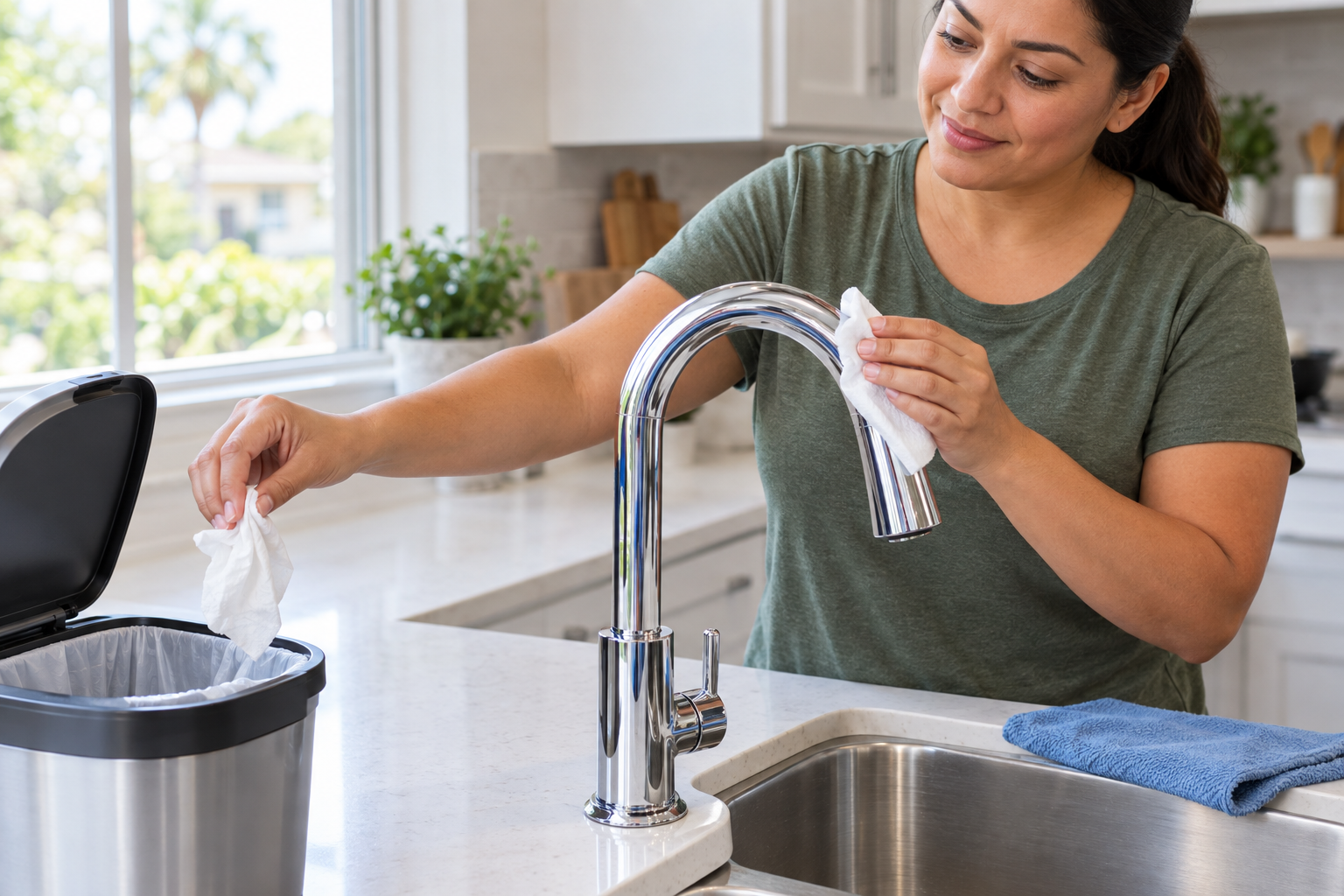
Common blockages include toilet paper buildup, excessive paper products, wipes, hygiene products, and small objects that should never enter a toilet. Even products labeled “flushable” can create problems. They do not break apart as reliably as toilet paper and can catch on rough pipe surfaces, roots, or existing buildup.
Grease and food waste
Grease may go down the kitchen sink as a liquid, but it cools and sticks to the inside of pipes. Over time, it can trap food particles, soap residue, and other debris until the line narrows significantly. This is a frequent issue in homes, but it is especially common in restaurants, break rooms, and commercial kitchens with heavy daily use.
Garbage disposals are useful for small food scraps, not a solution for every leftover. Coffee grounds, pasta, rice, fibrous vegetables, eggshells, and large amounts of food waste can contribute to a stubborn drain or sewer line blockage. Grease should be collected in a container and discarded in the trash after it cools.
Tree root intrusion
Tree roots naturally seek moisture. A tiny crack, loose joint, or aging connection in a buried sewer pipe can attract roots, which then grow inside the line. At first, the roots may cause occasional slow drains. As they spread, they catch toilet paper and debris until a complete backup occurs.
Root problems are common in Central Florida properties with mature landscaping. They can affect older clay, cast iron, and Orangeburg pipes, but newer lines are not automatically immune if there is a damaged joint or poor installation. Clearing roots can restore flow, but repeated root intrusion may mean the pipe needs repair, replacement, or a trenchless solution where appropriate.
Damaged, sagging, or aging sewer pipes
A sewer line can crack, collapse, shift, or develop a low spot over time. Ground movement, settling, age, poor original installation, nearby construction, and heavy vehicle traffic can all affect underground piping. A sagging section, sometimes called a belly, collects waste and water instead of allowing it to flow freely.
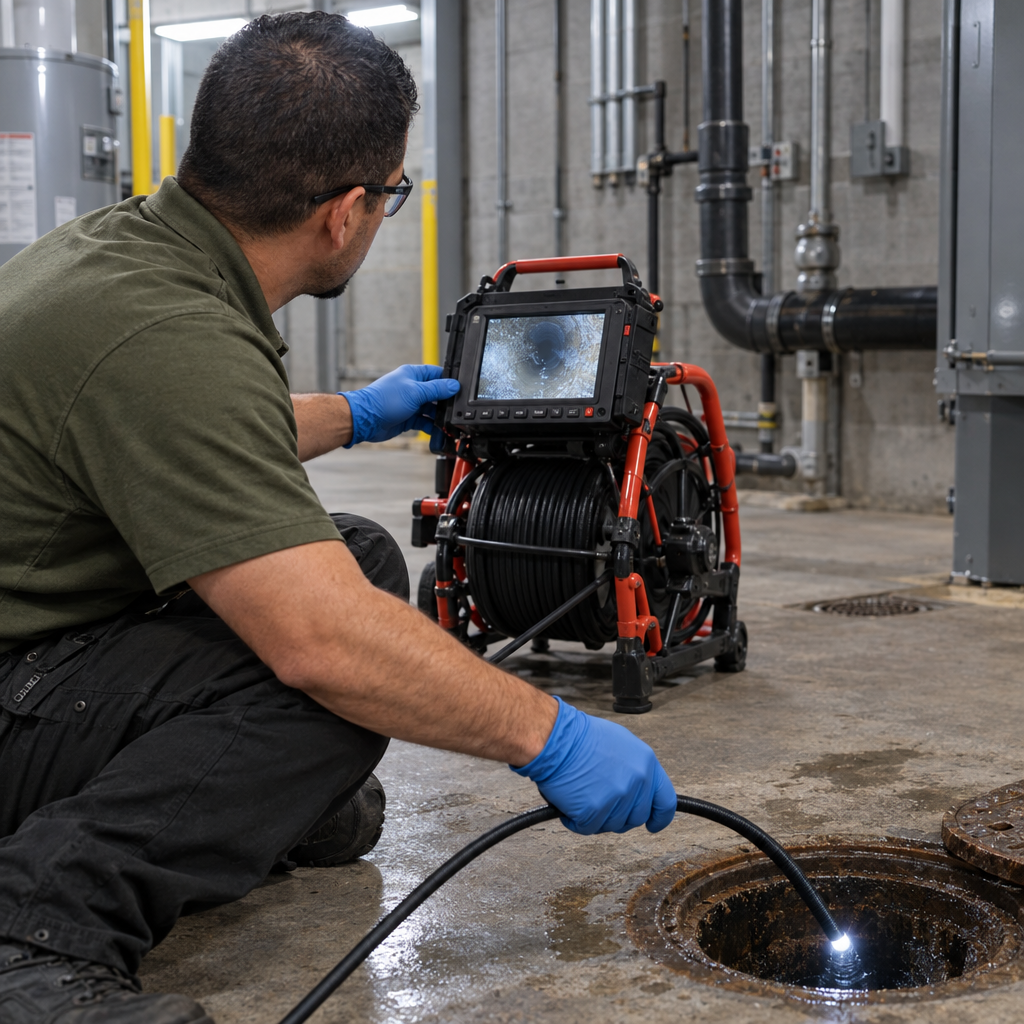
This type of problem does not always respond to basic drain cleaning. A cable may punch through the obstruction temporarily, while the underlying damaged section continues to catch waste. A sewer camera inspection shows what is happening inside the pipe and helps avoid guessing about a repair.
Heavy rain and public sewer problems
During intense rain, a municipal sewer system can become overwhelmed. If stormwater enters damaged sewer infrastructure or the public main is obstructed, wastewater may back up into connected properties. This is different from a blockage on your private line, and the right next step depends on where the issue is located.
If the backup happens only during or shortly after severe rain, tell your plumber. A camera inspection and evaluation of the property’s cleanout can help identify whether the trouble is on the private sewer lateral or may involve the city system. Some properties also benefit from a properly installed backwater valve, though it is not the right answer for every plumbing layout.
Warning Signs That a Backup May Be Building
One clogged sink does not always mean a sewer line issue. A localized clog usually affects one fixture. A developing main line blockage often creates problems in more than one area, especially when water is used elsewhere in the building.
Watch for these warning signs:
- Toilets that bubble, gurgle, or change water level when a sink, shower, or washing machine drains.
- Water appearing in a tub, shower, or floor drain after flushing a toilet.
- Several slow drains at the same time, even after a simple clog has been cleared.
- Sewer odors indoors, near a cleanout, or around low drains.
- Recurring clogs that return within weeks or months.
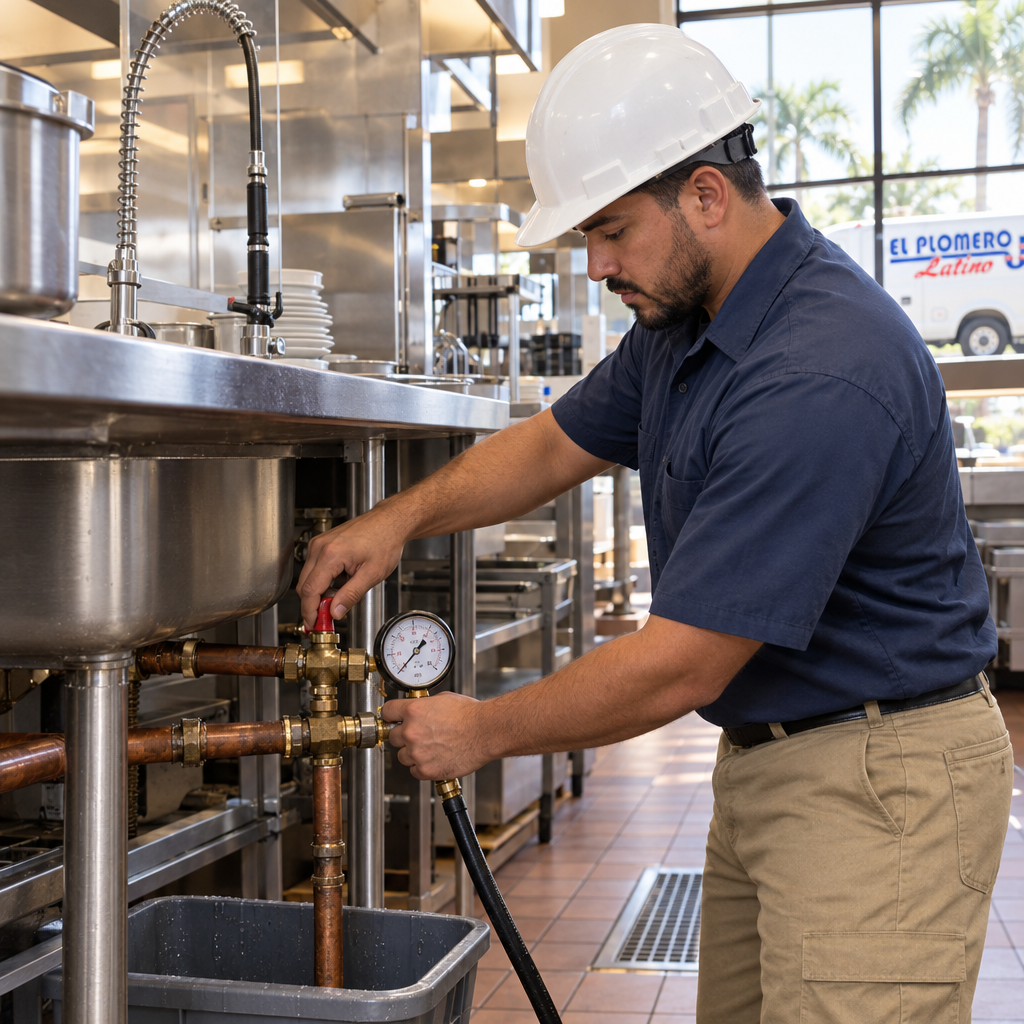
For a restaurant or commercial property, watch for slow floor drains, restroom backups during busy hours, and kitchen drains that cannot keep up with normal operations. Waiting can lead to restroom closures, sanitation concerns, and lost business.
What to Do When Sewer Water Backs Up
First, stop running water. Do not flush toilets, run the dishwasher, start laundry, or take a shower. Every gallon sent down a drain can add to the backup. If it is safe to do so, turn off the water supply to a leaking fixture, but remember that shutting off the main water supply will not stop wastewater already in the sewer line.
Keep children, pets, customers, and employees away from the affected area. Sewer water is not clean water, even if it looks clear. Avoid walking through it, and do not use household fans to dry the area because they can spread contamination.
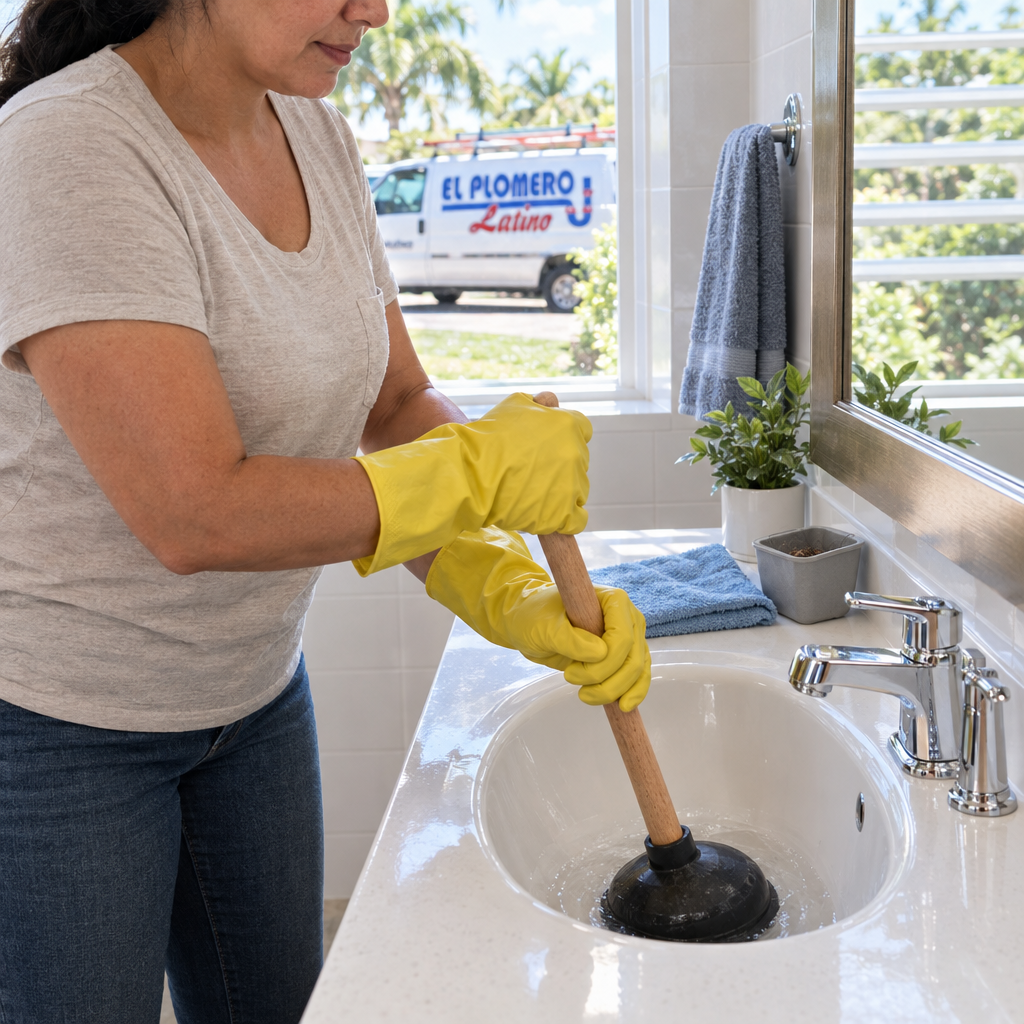
Do not pour chemical drain cleaners into a backed-up line. These products rarely solve a main sewer blockage and can create a hazard for anyone working on the pipe later. A plunger may help a single clogged toilet, but aggressive plunging or repeated flushing can make a main line backup worse.
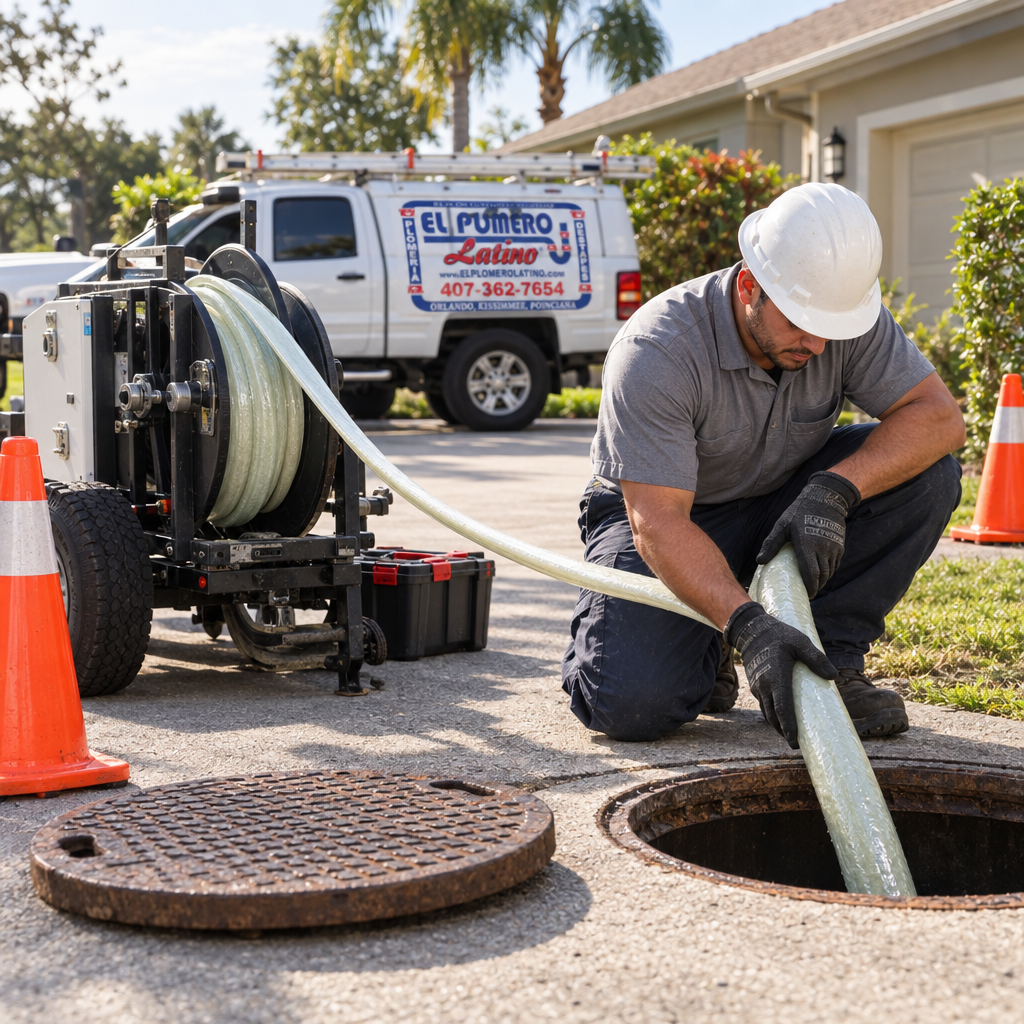
A professional plumber can locate the blockage through a cleanout, clear a line with the right equipment, and recommend a sewer camera inspection when the issue is recurring or severe. Hydrojetting can be highly effective for grease, scale, and certain root-related buildup, but it should be used only after the condition of the pipe is evaluated. A severely damaged pipe may require repair instead of high-pressure cleaning.
How to Prevent Future Sewer Backups
Prevention starts with being careful about what enters drains. Toilets should handle human waste and toilet paper only. Kitchen sinks should not receive cooking grease, large food scraps, or products that swell in water. In commercial kitchens, regular grease trap service and scheduled drain maintenance protect the plumbing and help keep operations moving.
Maintenance needs depend on the property. A newer home with no large trees nearby may only need attention when warning signs appear. An older home, a building with a history of root intrusion, or a restaurant with high grease volume may benefit from periodic sewer camera inspections and professional cleaning. The goal is not to sell unnecessary work. It is to catch a small restriction before it becomes a cleanup emergency.
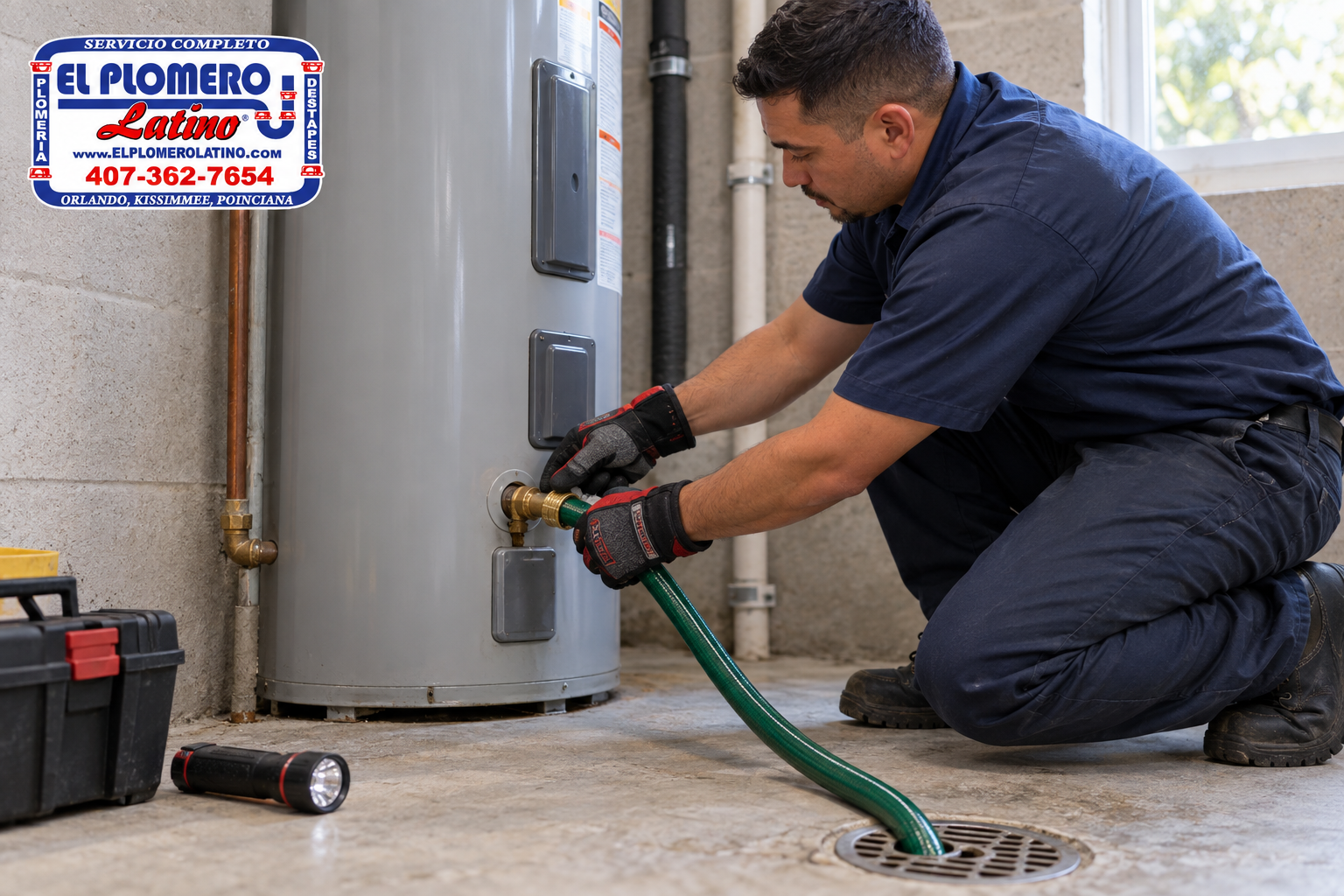
For homeowners and businesses in Orlando, Kissimmee, and nearby Central Florida communities, El Plomero Latino Inc. can assess the line, explain what the camera shows, and provide flat-rate options before work begins. Clear answers matter when wastewater is involved.
If you notice gurgling drains or water returning through a tub, do not wait for the next flush to confirm the problem. A timely inspection can protect your property, your health, and the people who depend on your home or business every day.