

That sour, sewer-like smell usually shows up at the worst time – right before guests arrive, during morning cleanup, or in the middle of a busy workday. If you are asking, why does my drain smell, the good news is that the odor often points to a specific plumbing issue. The key is figuring out whether it is a simple buildup near the drain opening or a deeper problem in the line, vent, or sewer system.
A smelly drain is not just unpleasant. It can be a sign of trapped food, bacteria, soap scum, a dry drain trap, or even sewer gas entering your home or business. Some causes are easy to address. Others need professional attention sooner rather than later, especially if the smell keeps coming back.
Why does my drain smell in the first place?
Most drain odors come from organic material breaking down somewhere in the system. In a kitchen sink, that could mean grease, food scraps, and sludge clinging to the pipe walls. In a bathroom, it is often hair, soap residue, toothpaste, and skin oils. Floor drains, laundry drains, and rarely used guest bathrooms have their own issues, especially when water in the trap evaporates.
Your plumbing is designed to move wastewater out and keep sewer gases from coming back in. That is where the P-trap comes in. The curved section of pipe under a sink holds water, creating a seal that blocks odors from the sewer line. If that seal disappears or gets disturbed, smells can rise through the drain.
Sometimes the odor is local to one fixture. Sometimes it affects multiple drains, which usually means the problem is larger than a little buildup. That difference matters because it changes what you should try first.
The most common causes of a smelly drain
If the smell is coming from one sink or tub, the issue is often close to the drain opening. Buildup inside the drain body is a frequent culprit. In kitchens, grease and food can stick to the pipe and start to rot. In bathrooms, hair and soap create a film that traps bacteria. Even if water is still draining, that residue can smell bad.
A dry P-trap is another common reason. This happens a lot in guest bathrooms, floor drains in utility rooms, and commercial spaces with fixtures that are not used every day. When the water in the trap evaporates, nothing blocks sewer gas from coming back through the pipe.
You could also be dealing with a partial clog. Partial blockages do not always stop drainage completely. Instead, they slow things down just enough for debris to collect and create odor. If you notice gurgling sounds, slow draining, or water backing up occasionally, that is a clue.
In some cases, the problem is the plumbing vent. Your drain system relies on vent pipes to balance air pressure and move sewer gases safely outside. If a vent is blocked by debris, nesting animals, or buildup, drains may smell, gurgle, or drain inconsistently.
Then there is the more serious possibility: a sewer line issue. If multiple drains smell at the same time, especially along with backups or soggy areas outside, the odor may be coming from a damaged or obstructed sewer line. That is not a wait-and-see problem.
Why does my drain smell like sewer?
When homeowners ask why does my drain smell like sewer, they are usually describing a strong rotten or waste-like odor that is hard to ignore. That smell often means sewer gas is getting past a barrier that should be stopping it.
The simplest explanation is a dry trap. Pouring water into the drain may solve it if the fixture has not been used in a while. But if the odor returns quickly, the trap may have a leak, the venting may be off, or there may be another issue farther down the line.
A broken wax ring under a toilet can also let sewer odor escape, even if the smell seems to be near a nearby drain. In commercial restrooms and multi-fixture bathrooms, that can make pinpointing the source tricky. Sewer odors do not always stay put.
If the smell is strongest after running water, that can suggest a venting issue or a clog disturbing the trap seal. If the smell is constant and affecting more than one room, it is smart to have the system checked before a small warning turns into a larger repair.
What you can safely try before calling a plumber
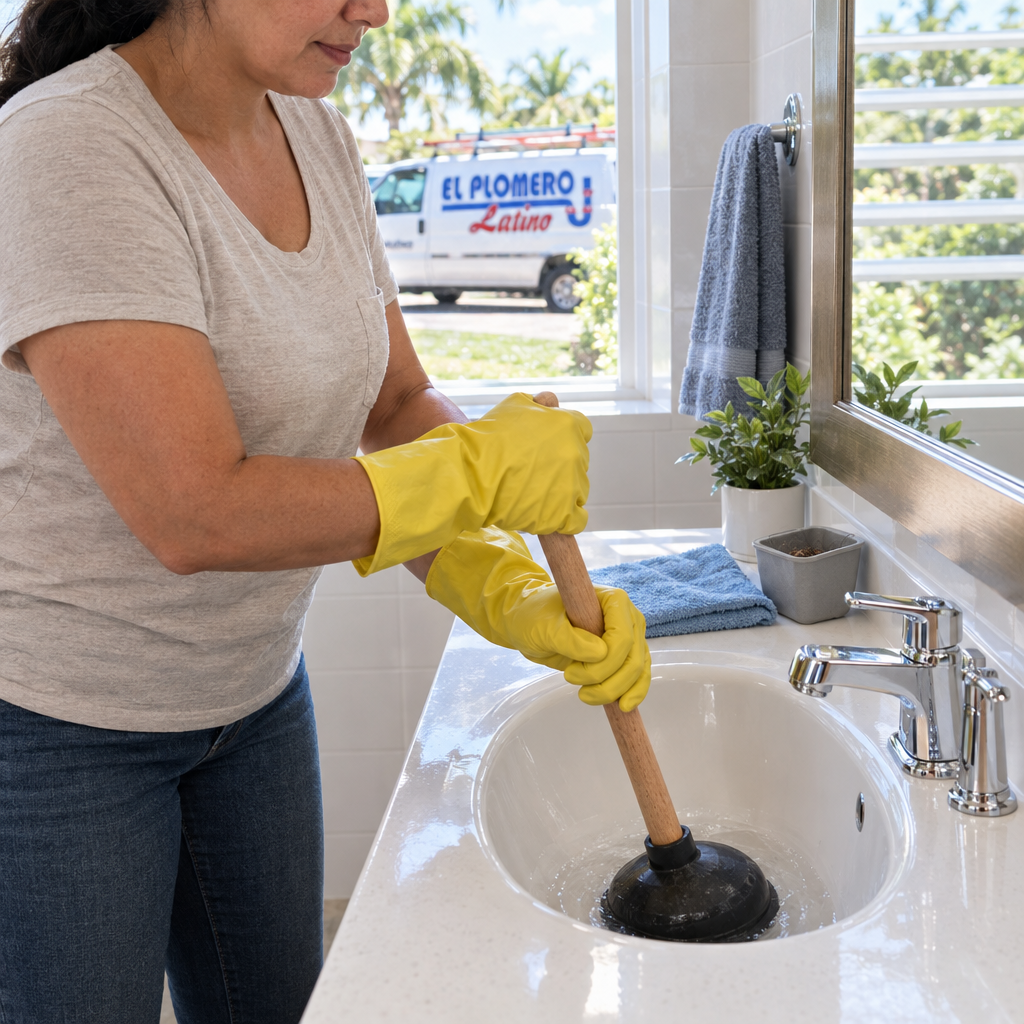
Start with the simplest step: run water in the drain for a minute or two. If the fixture is rarely used, this may refill the trap and stop the smell. For floor drains or guest bathrooms, this is often enough.
If the drain is used regularly, remove the stopper if possible and clean out visible debris. Hair, soap film, and trapped residue near the opening are common odor sources. A careful cleaning can make a big difference.
For kitchen drains, flush with hot water and a small amount of dish soap to help loosen grease near the top of the line. For bathroom sinks, cleaning the overflow opening can help too, since bacteria can collect there and create odor even when the main drain looks clean.
If you have a garbage disposal, check that too. Food waste can sit under the splash guard or inside the disposal chamber and create a strong smell that seems like it is coming from the drain. Cleaning the disposal and flushing it well may solve the issue.
What you should not do is keep pouring harsh chemical drain cleaners into a smelly drain. They do not fix every odor problem, and repeated use can damage pipes, especially in older plumbing systems. They can also make professional service harder and more hazardous later.
Signs the smell is coming from a bigger plumbing problem
There is a point where drain odor stops being a cleaning issue and starts being a plumbing issue. If more than one drain smells, if sinks or tubs are draining slowly, or if you hear bubbling and gurgling, the system may have a blockage or vent problem.
Watch for odors that come and go with weather changes or heavy rain. In Florida, storm patterns and saturated ground can put extra stress on drainage and sewer systems. That does not mean every bad smell is an emergency, but recurring sewer odor should not be ignored.
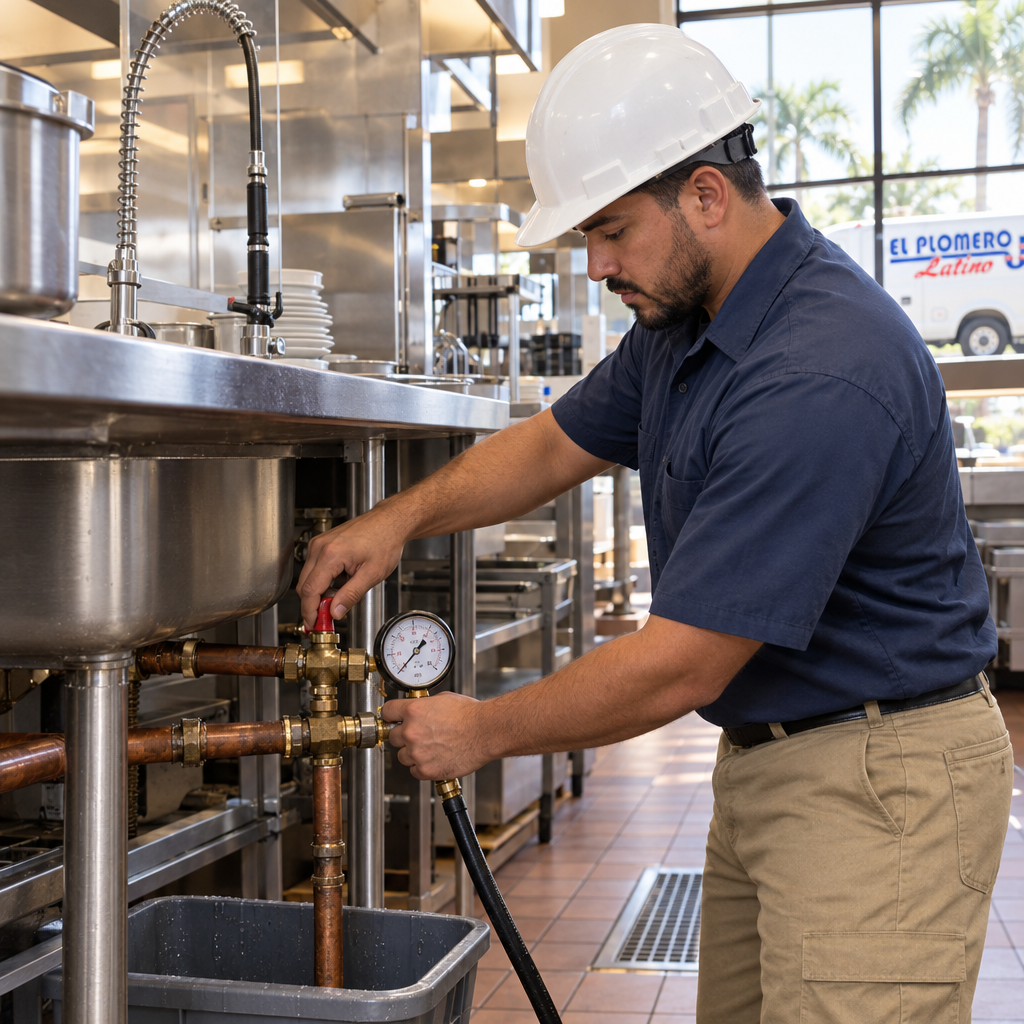
For property managers and business owners, pay attention if customers or tenants mention smells in restrooms, kitchens, break rooms, or floor drains. In commercial settings, even a minor drain issue can become a sanitation complaint fast. Restaurants, retail spaces, and multi-unit properties often need a more thorough inspection because several fixtures may connect to shared lines.
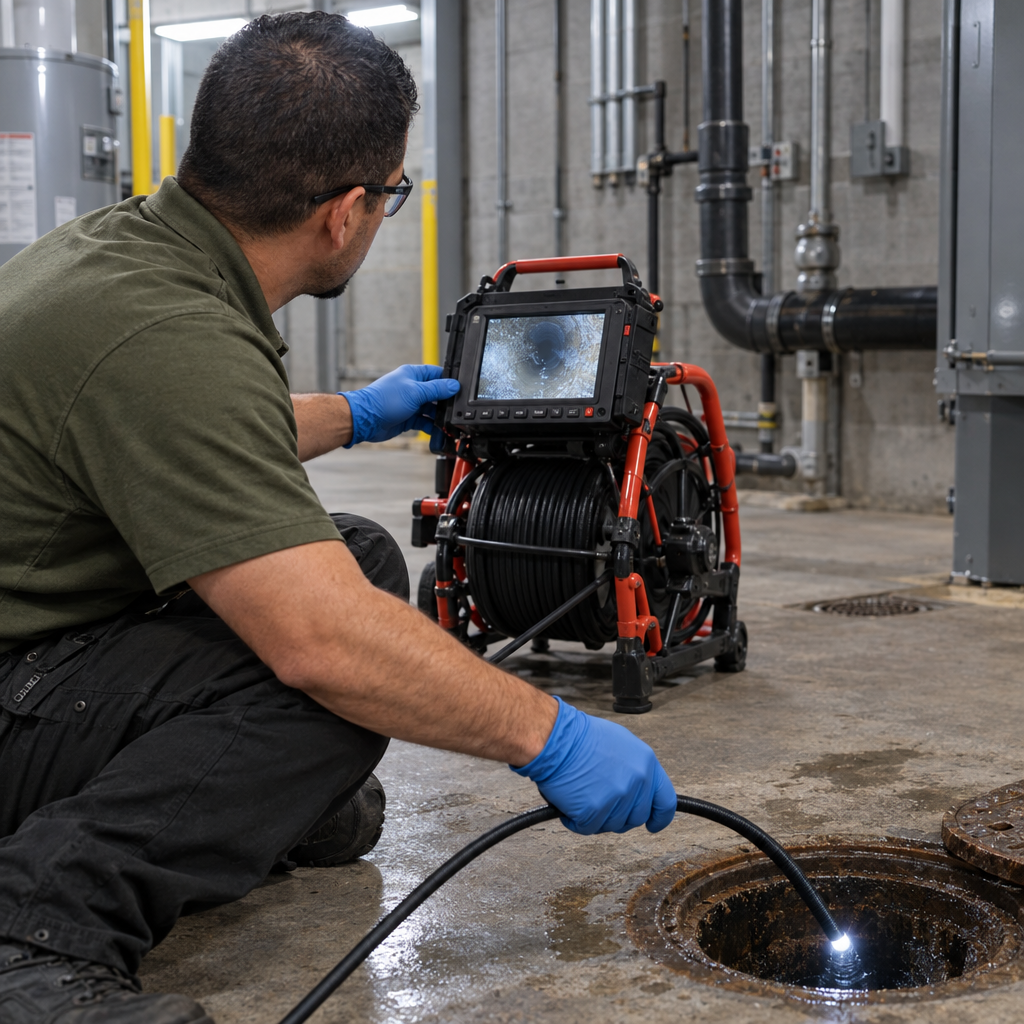
If the smell is paired with sewage backup, wet spots in the yard, or frequent clogs, professional diagnosis is the right next step. A camera inspection can reveal whether the line has grease buildup, roots, a belly in the pipe, cracks, or a more serious obstruction.
When professional drain cleaning makes sense
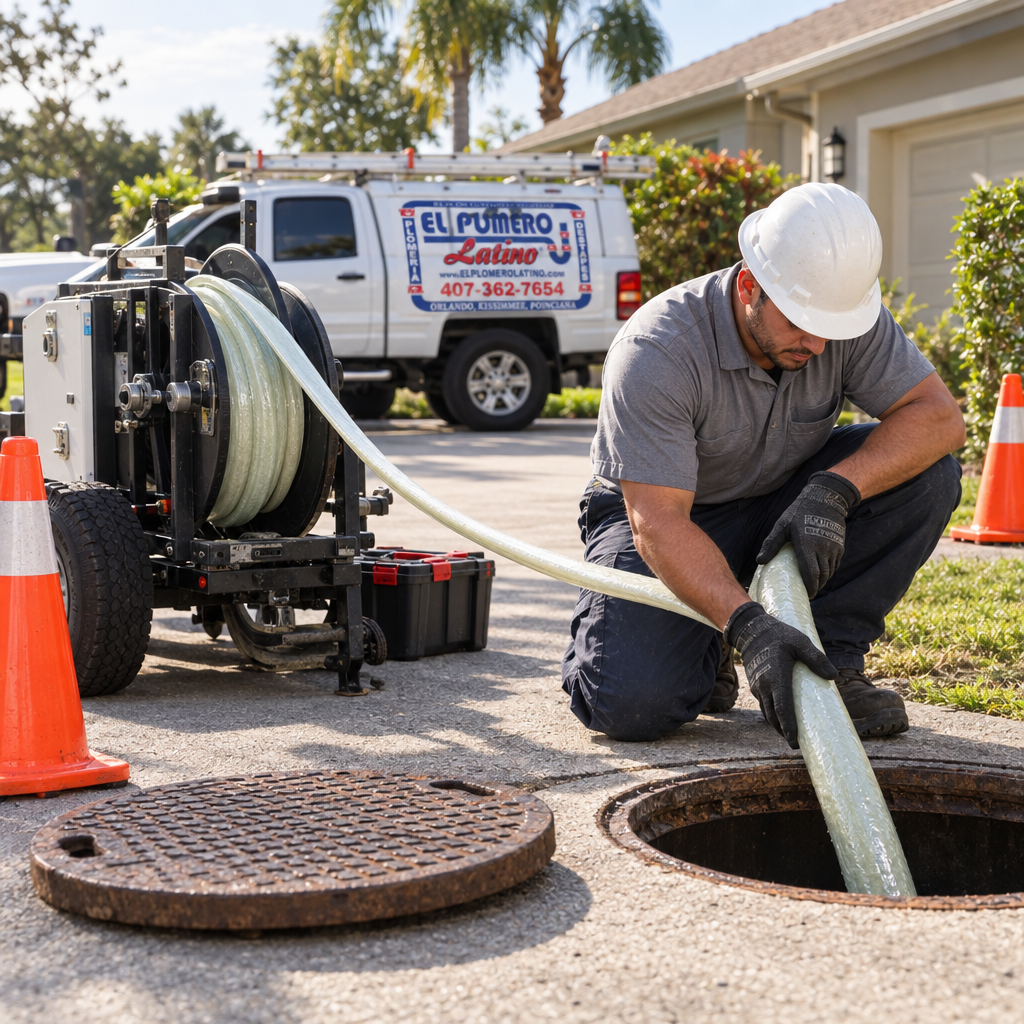
Professional drain cleaning is not just for drains that stop working completely. It is also a practical solution for drains that smell bad because of stubborn buildup inside the pipe walls. Snaking can clear certain clogs, while hydrojetting can remove grease, sludge, and debris more thoroughly in the right situations.
It depends on the pipe material, the age of the system, and what is causing the odor. A newer line with heavy grease buildup may benefit from one approach, while an older or damaged line may need a gentler method or repair first. That is why a one-size-fits-all fix rarely works well.
A trained plumber can also check trap seals, venting, fixture connections, and sewer line conditions instead of guessing. That saves time and often saves money, because you are solving the actual problem instead of treating the smell over and over.
For families and businesses across the Orlando area, that kind of honest diagnosis matters. El Plomero Latino Inc. focuses on doing the job right the first time, with clear communication, flat-rate pricing, and service that respects your home or property.
How to help prevent drain odors from coming back
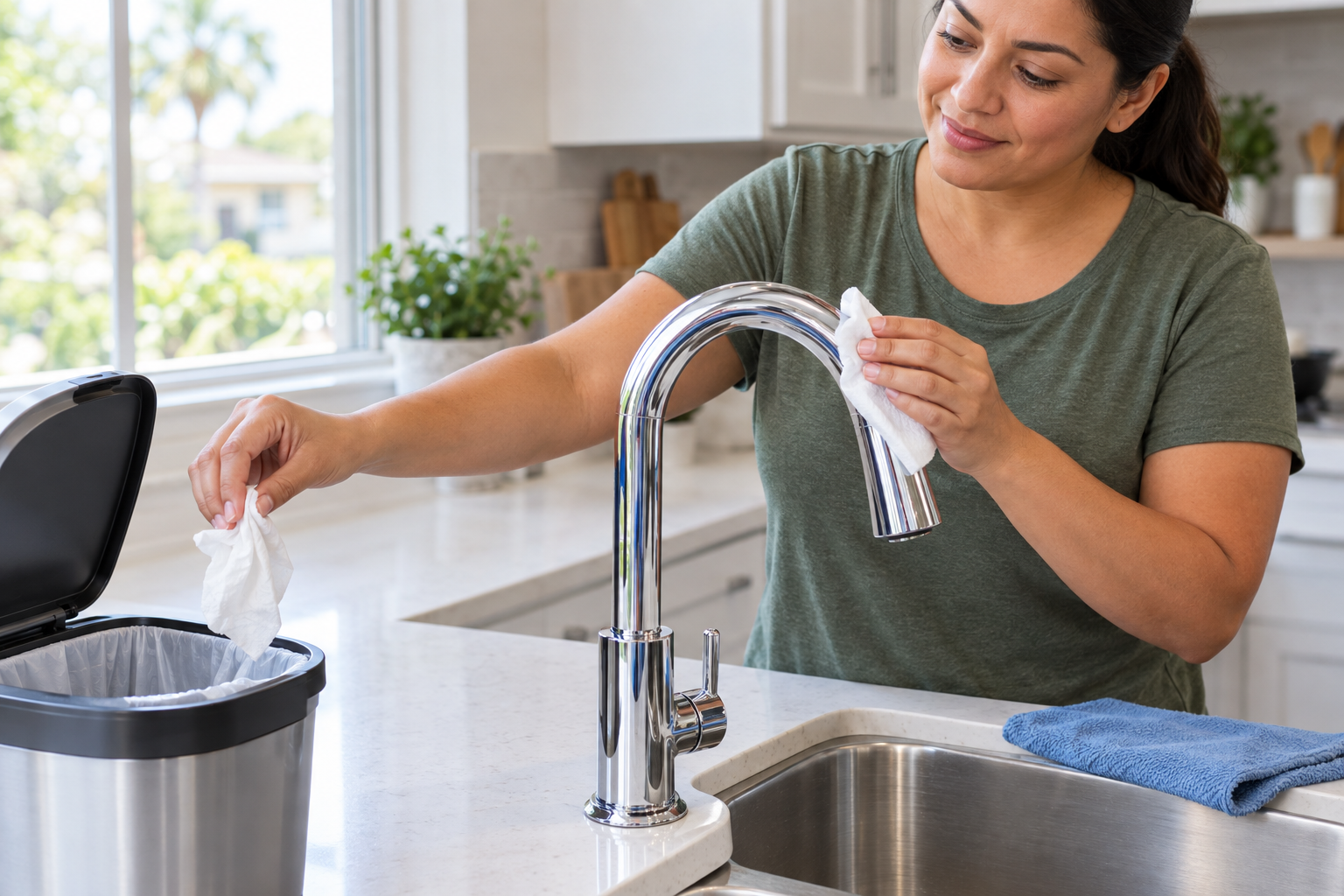
A little prevention goes a long way. Avoid putting grease, coffee grounds, fibrous food scraps, and heavy starches down kitchen drains. Use drain screens in bathroom sinks and tubs to catch hair. Run water in infrequently used drains from time to time so traps do not dry out.
Regular maintenance also matters more than many people realize. If a drain has a history of slow movement, recurring smells, or repeated clogs, cleaning it before it backs up completely is usually the less stressful option. The same goes for commercial properties where constant use puts extra demand on the plumbing system.
If you keep asking yourself, why does my drain smell, trust that the odor is telling you something useful. Sometimes it is simple. Sometimes it points to a larger issue behind the walls or under the slab. Either way, getting ahead of it is better than waiting for the smell to turn into a backup, a repair, or a bigger interruption to your day.