


A slab leak can stay hidden below your home for weeks or months while quietly wasting water and damaging the structure above it. The most common slab leak warning signs are easy to miss at first: a higher water bill, a warm patch of flooring, or the sound of water when every fixture is turned off. Catching the problem early can mean a more focused repair and far less damage to your home.
What Is a Slab Leak?
A slab leak is a leak in a water line or, less commonly, a drain line located beneath the concrete foundation of a home or building. Many Central Florida properties are built on concrete slabs, which makes these leaks harder to see than a leak under a raised floor.
Age, corrosion, shifting soil, poor pipe installation, high water pressure, and normal wear can all contribute. The leak itself may begin small, but water does not stop moving on its own. Over time, it can saturate soil, weaken flooring materials, create moisture conditions for mold, and potentially affect the foundation.
Not every unusual water bill or damp spot means you have a slab leak. Air-conditioning drainage, roof leaks, appliance leaks, and irrigation issues can create similar symptoms. A professional leak detection inspection identifies the source before anyone recommends a repair.
9 Slab Leak Warning Signs to Watch For
1. Your water bill rises without a clear reason
A sudden increase in water use is often one of the first signs homeowners notice. If your household routine has not changed but your bill has, water may be escaping somewhere out of sight.
Compare the bill with the same month last year when possible. Seasonal lawn watering and guests can explain some increases, but a steady or dramatic jump deserves attention.
2. You hear water running when nothing is on
Turn off faucets, showers, washing machines, dishwashers, ice makers, and irrigation systems. If you still hear a faint rushing, hissing, or trickling sound, there may be water moving through a damaged line.
This sign is more noticeable at night when the home is quiet. It does not confirm that the leak is under the slab, but it is a good reason to schedule leak detection promptly.
3. Your water meter keeps moving
With all water-using fixtures and appliances off, check your water meter. Many meters have a small leak indicator that spins or moves when water is flowing. If it continues moving after everything is shut off, you may have a plumbing leak.
A meter test helps establish that water is being lost, but it cannot tell you where the leak is. Avoid digging up floors or concrete based on a meter test alone.
4. A section of floor feels unusually warm
A warm spot on tile, vinyl, wood, or concrete flooring can point to a leak in a hot-water line beneath the slab. The area may feel warm under bare feet even when the air conditioning is running normally.
Warm floors can have other causes, especially in rooms exposed to sunlight or near appliances. Still, a consistent warm patch that appears without explanation is one of the more recognizable slab leak warning signs.
5. You find damp carpet, wet flooring, or discoloration
Moisture may travel upward through cracks, grout lines, or flooring seams. Carpet can feel damp or develop a musty odor. Wood and laminate flooring may cup, swell, or separate. Tile may loosen as moisture affects the materials beneath it.
Do not assume the problem is only on the surface. Drying the floor without addressing the water source can allow the damage to continue underneath.
6. Mold or mildew keeps returning
Mold and mildew need moisture to grow. If you repeatedly clean a musty area but the smell or spotting returns, hidden plumbing moisture should be considered.
Bathrooms and laundry rooms naturally have higher humidity, so context matters. But mold near the center of the home, along low walls, or around flooring without an obvious spill or roof leak deserves a professional evaluation.
7. Cracks appear in floors or walls
Small cracks can occur as a house settles, particularly in Florida’s changing soil and weather conditions. A crack alone does not mean a slab leak.
However, new or growing cracks combined with excess moisture, a warm floor, or unexplained water loss should not be ignored. Water beneath a slab can disturb the soil supporting the foundation, and that is a situation best addressed early.
8. Your water pressure has dropped
A leak in a pressurized water line can reduce the amount of water reaching fixtures. You may notice weaker flow at several faucets or a shower that no longer feels as strong as it used to.
Low pressure can also come from a failing pressure regulator, mineral buildup, a partially closed valve, or a municipal supply issue. A plumber can test the system and separate a simple fixture problem from a hidden line leak.
9. You notice pooling water around the outside of the home
When water escapes beneath a slab, it may eventually find a path outside. Wet ground, unexplained puddles near the foundation, or an unusually green patch of grass can be clues, especially during dry weather.
Outdoor pooling can also come from irrigation leaks or drainage problems. Because several issues can look alike, professional testing protects you from paying for the wrong repair.
What to Do If You Suspect a Slab Leak
First, take a quick look for obvious sources. Check under sinks, around toilets, behind the refrigerator, near the water heater, and around washing machine connections. If you find an active visible leak, shut off the fixture valve when possible and call for service.
If the source is not visible, avoid tearing out flooring or breaking concrete. You can reduce water damage by limiting water use until a plumber evaluates the situation. If you know where your home’s main water shutoff valve is and water is actively pooling indoors, turning it off may be the safest short-term step.
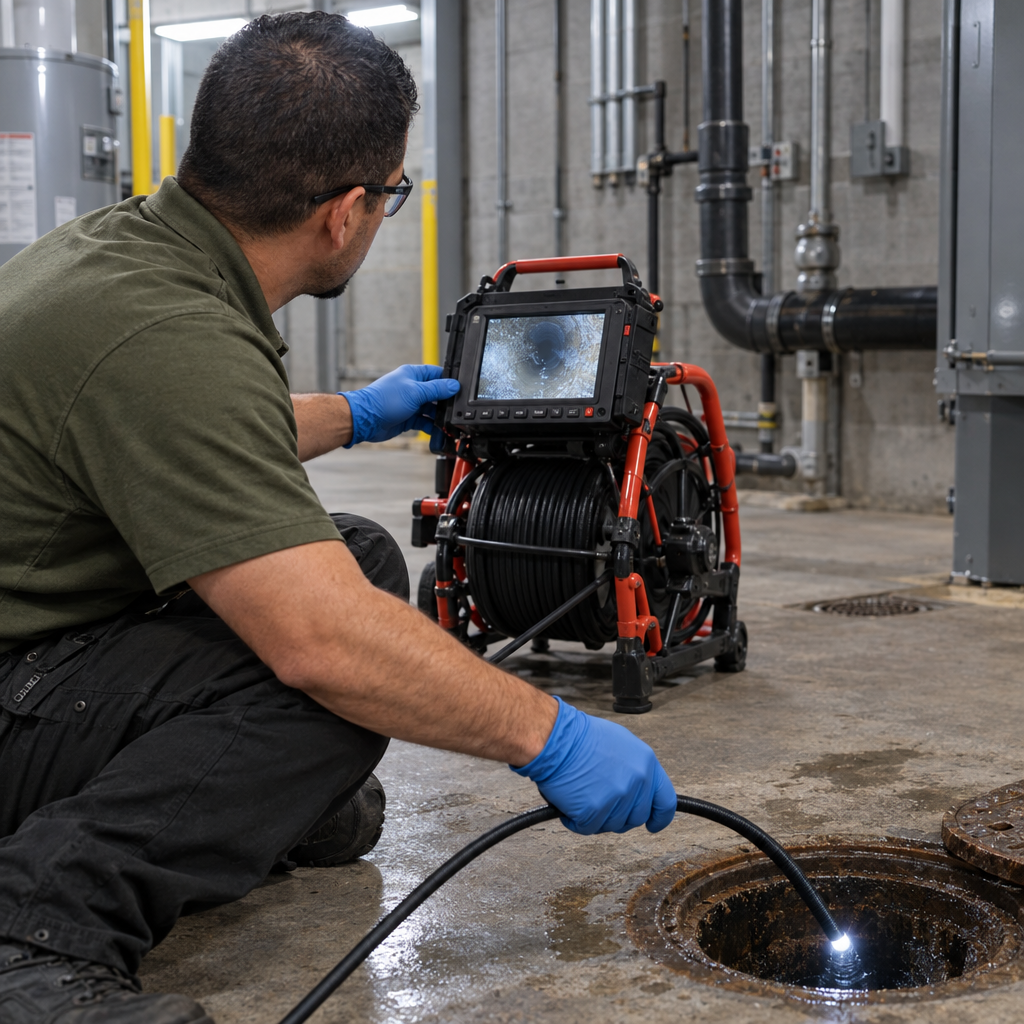
Then schedule professional leak detection. The goal is to locate the leak as accurately as possible using the right diagnostic methods, which may include pressure testing, acoustic equipment, thermal imaging, or camera inspection depending on the plumbing system and symptoms. Accurate detection helps avoid unnecessary damage to your home and supports a repair plan based on facts, not guesswork.
Repair Options Depend on the Leak and the Pipe Condition
A slab leak repair is not always the same job. For one isolated, accessible break in otherwise healthy piping, a direct spot repair may make sense. For older pipes with multiple weak areas, rerouting or repiping may provide a more dependable long-term answer.
The right option depends on the pipe material, the leak location, the age and overall condition of the plumbing, and whether there is evidence of recurring leaks. The least expensive repair today is not always the best value if another failing section is likely to leak next month. A trustworthy plumber should explain the findings clearly, present the practical options, and provide upfront pricing before work begins.
For homeowners, property managers, and business owners in Orlando and surrounding Central Florida communities, fast answers matter when water is affecting a building. El Plomero Latino Inc. provides professional leak detection and plumbing repair with clear communication, flat-rate pricing, and respectful service for your home or business. Hablamos Español.
A hidden leak does not get better by waiting. If more than one of these warning signs is showing up in your property, arrange an inspection before a small plumbing issue turns into damaged floors, higher utility costs, or a larger repair.