A drain that backs up once is frustrating. A drain that slows down again a few weeks later is a sign that the first fix may not have addressed the real problem. When comparing hydro jetting versus snaking drains, the right choice depends on what is inside the line, how severe the buildup is, and whether the pipe is in good condition.
Both methods are proven professional drain-cleaning tools. A drain snake is often the practical answer for a localized blockage. Hydro jetting can provide a much deeper cleaning for grease-heavy, root-invaded, or repeatedly clogged sewer lines. The goal is not to choose the strongest tool every time. It is to choose the safest, most effective solution for your home, restaurant, rental property, or commercial facility.
What Drain Snaking Does Best
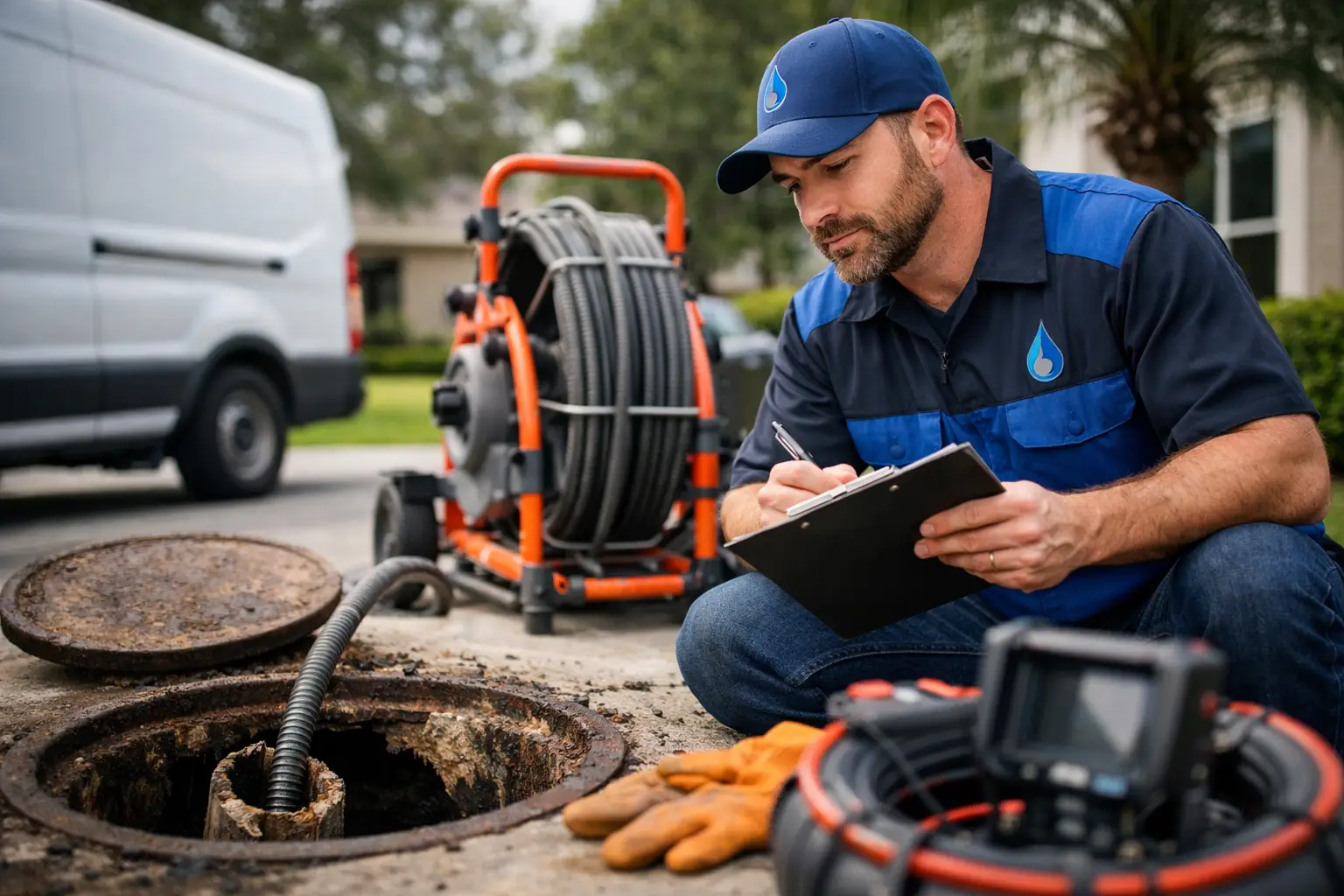
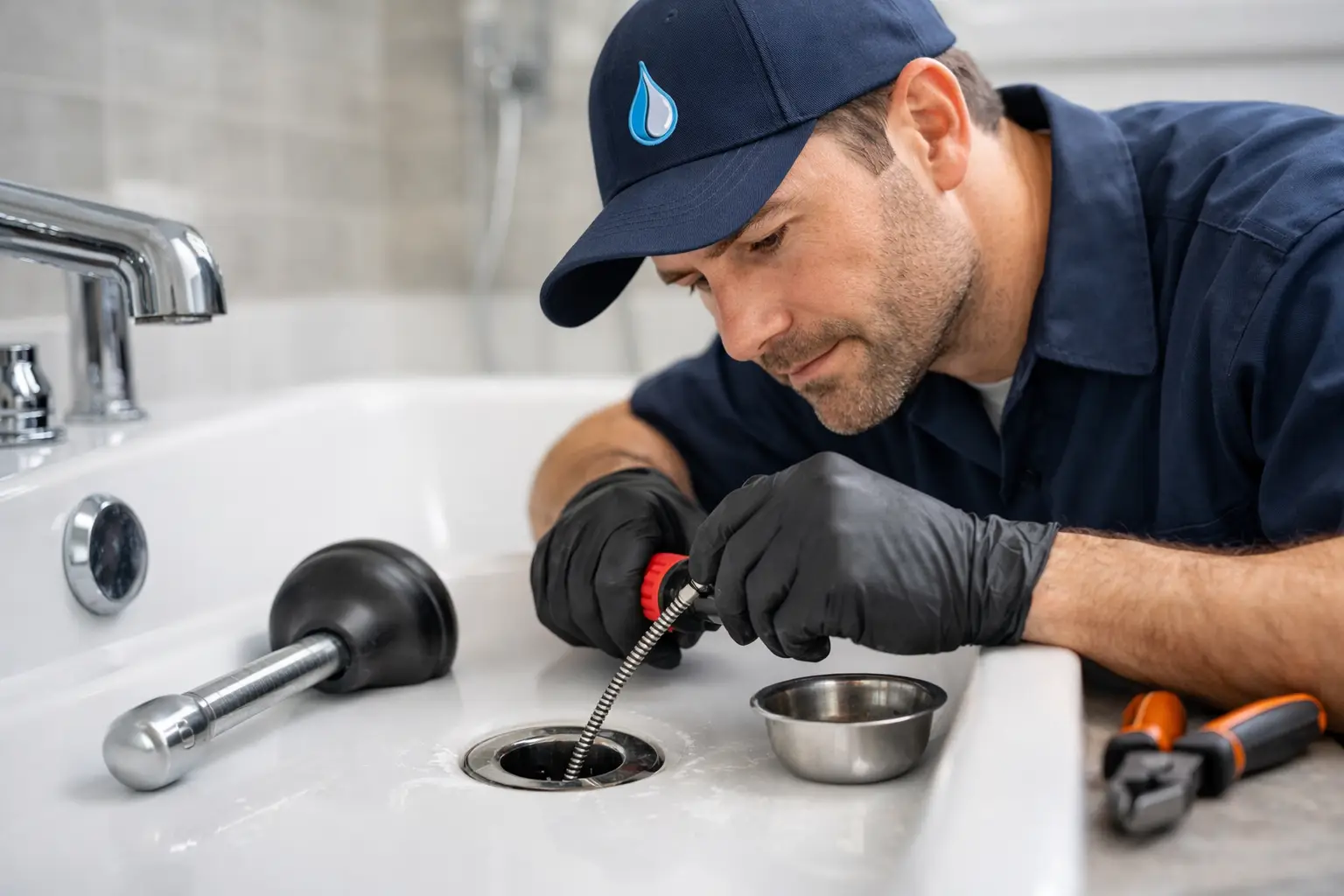
Drain snaking, also called cabling or augering, uses a flexible metal cable with a cutting or retrieval head. A plumber feeds the cable through the drain opening or a cleanout and works it through the blockage. Depending on the head used, the cable can break apart a clog, cut through light roots, pull out hair, or retrieve an item lodged in the line.
For many common household problems, snaking is the sensible first step. A bathroom sink full of hair, a toilet blocked by too much paper, or a kitchen branch drain with a compact obstruction may clear quickly with a properly sized cable. It is targeted, efficient, and generally less involved than hydro jetting.
Snaking is especially useful when a clog is close to the fixture. If one shower drain is slow but the rest of the home is draining normally, the issue may be isolated to that branch line rather than the main sewer line. In that situation, a cable can often restore flow without using a more extensive cleaning method.
The limitation is that a snake creates a path through the obstruction. It does not necessarily scrub the full interior wall of the pipe. Grease, soap residue, scale, and sludge can remain behind, allowing another clog to form sooner than expected.
When Hydro Jetting Is the Better Choice
Hydro jetting uses a specialized hose and nozzle to send high-pressure water through a drain or sewer line. The nozzle directs water forward to help break up debris and backward to propel the hose while flushing material out of the pipe. Rather than simply opening a channel, hydro jetting cleans much more of the pipe’s interior.
This makes it an excellent option for lines with heavy grease buildup, recurring sludge, food debris, mineral deposits, and widespread root intrusion. It is often a strong fit for restaurant kitchens, commercial buildings, and homes where the main line has repeated backups. In Central Florida, where mature trees and older plumbing systems can create sewer-line challenges, roots may be a frequent reason to look beyond a basic cable service.
Hydro jetting can also be a valuable preventive maintenance service. A property that experiences predictable drain trouble, such as a busy restaurant or a multi-unit building, may benefit from scheduled cleaning before a full backup disrupts operations.
That said, more pressure is not automatically better. Hydro jetting must be performed by a trained professional who understands pipe material, line condition, and the correct pressure for the job. A severely deteriorated, cracked, collapsed, or improperly installed pipe may need repair instead of aggressive cleaning.
Hydro Jetting Versus Snaking Drains: Key Differences
The biggest difference between hydro jetting and snaking is the result each method is designed to deliver. Snaking is primarily a blockage-removal method. Hydro jetting is a line-cleaning method that also removes blockages.
A cable is often the faster and more economical approach for a straightforward, isolated clog. It can cut through or retrieve an obstruction without requiring the setup involved in jetting. For a child’s toy in a toilet line or hair packed into a tub drain, this can be exactly what the situation calls for.
Hydro jetting usually requires a closer evaluation because the plumber needs to verify that the pipe can safely handle the service. It may cost more initially, but it can offer better long-term value when buildup coats the entire line and clogs keep returning. Clearing the same kitchen drain several times with a snake may be less cost-effective than cleaning the pipe thoroughly once with hydro jetting.
Neither method repairs physical pipe damage. If a camera inspection reveals a collapsed section, separated joints, a major belly in the line, or extensive corrosion, cleaning may provide only temporary relief. The honest recommendation may be sewer line repair or replacement rather than another drain-cleaning appointment.
Why a Sewer Camera Inspection Can Matter First
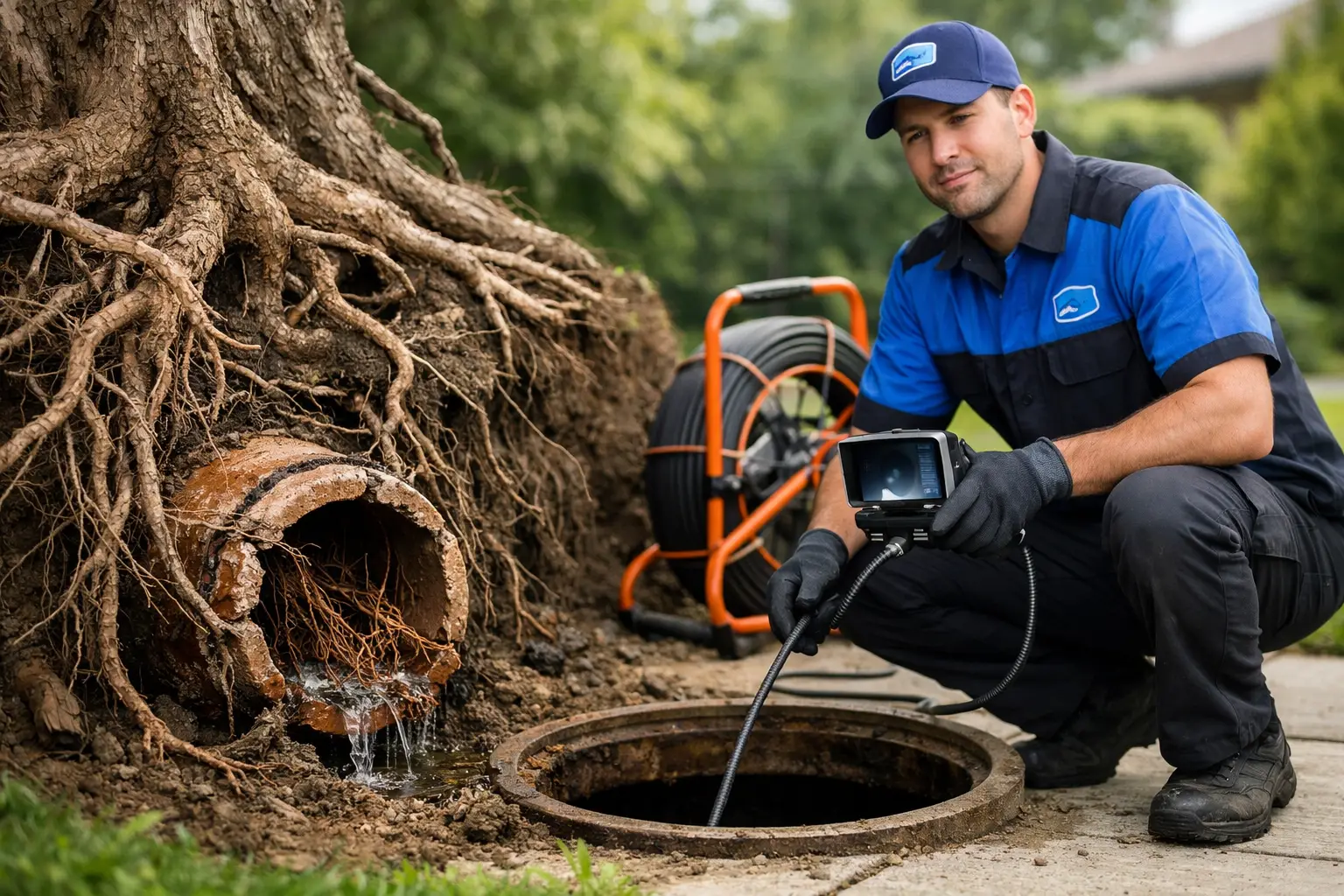
You cannot make the best drain-cleaning decision by guessing at what is underground. A sewer camera inspection allows a plumber to see the inside of the line and identify the source of the trouble. It can reveal grease accumulation, roots, damaged pipe walls, foreign objects, standing water, or a blockage at a specific location.
For a first-time minor clog, a camera may not always be necessary. But it becomes much more valuable when you have recurring backups, multiple slow drains, sewage coming up through a shower or tub, foul odors, or a history of tree-root problems. It is also a smart step before hydro jetting an older line with an unknown condition.
The camera gives the technician evidence to explain the recommendation clearly. That means you are not being told to choose a service based on pressure or sales language. You can see whether the pipe needs a cable, a thorough jetting, a repair, or ongoing maintenance.
Signs You May Need More Than a Drain Snake
A snake may temporarily restore drainage, but certain symptoms suggest deeper buildup or a main-line issue. Pay close attention if several fixtures drain slowly at once, toilets gurgle when a sink or washing machine runs, or water backs up into a tub or shower. Those are often signs that the problem is farther down the system.
Recurring kitchen drain clogs are another concern. Grease does not disappear when it goes down the drain. It cools and sticks to the pipe, gradually catching food particles and debris. Store-bought chemical cleaners can be harsh on plumbing and rarely remove the full grease layer. Professional hydro jetting may be the better solution when the line keeps closing up.
Roots are also a different type of challenge. A cable can cut a path through minor roots, but it may leave root material along the pipe walls. Hydro jetting can clear more of that growth and flush away debris, though roots will often return if they are entering through damaged joints or cracks. In that case, cleaning should be paired with a discussion about repairing the entry point.
Choosing a Method You Can Feel Good About
The best drain service starts with a professional assessment, not a one-size-fits-all answer. A trustworthy plumber should explain what was found, recommend the appropriate option, and provide clear upfront pricing before work begins. You should understand whether the service is meant to clear an immediate clog, clean the full line, or help diagnose a repair need.
For homeowners, that clarity protects both the plumbing and the budget. For property managers and business owners, it helps prevent repeat service calls, tenant disruption, and costly downtime. El Plomero Latino Inc. approaches drain problems with the same principle: do the job right, communicate clearly, and treat every property with respect.
If a drain is slowing down, do not wait for a full backup to decide what to do. A timely inspection and the right cleaning method can protect your pipes, your daily routine, and your peace of mind.