A toilet that bubbles, gurgles, or releases air after you flush is trying to tell you something. If you are asking, why is my toilet bubbling, the answer is usually related to pressure and airflow in your drain system. Sometimes the problem is a small clog near the toilet. Other times, it points to a blockage farther down the sewer line that needs professional attention before it turns into a backup.
The good news is that bubbling is often an early warning sign. Acting before wastewater comes up through a toilet, tub, or shower drain can save you a much bigger repair and a much more stressful day.
Why Is My Toilet Bubbling When You Flush?
Your plumbing drain system needs two things to work properly: a clear path for wastewater to leave the home and a way for air to move through the pipes. When water cannot flow freely, or air cannot enter and exit as it should, pressure builds inside the drain line. That trapped air looks for a way out, often through the water in your toilet bowl.
This can create a gurgling sound, visible bubbles, or water that rises and falls in the bowl. The toilet may still flush for now, but it should not be ignored. A bubbling toilet is not normal, and repeated flushing can make a developing clog worse.
The location and timing of the bubbling offer useful clues. If it happens only when you flush that toilet, the issue may be close to the fixture. If the toilet bubbles when you run the washing machine, drain a bathtub, or use a nearby sink, the problem is more likely in a shared drain or main sewer line.
Common Causes of a Bubbling Toilet
A partial toilet or branch-drain clog
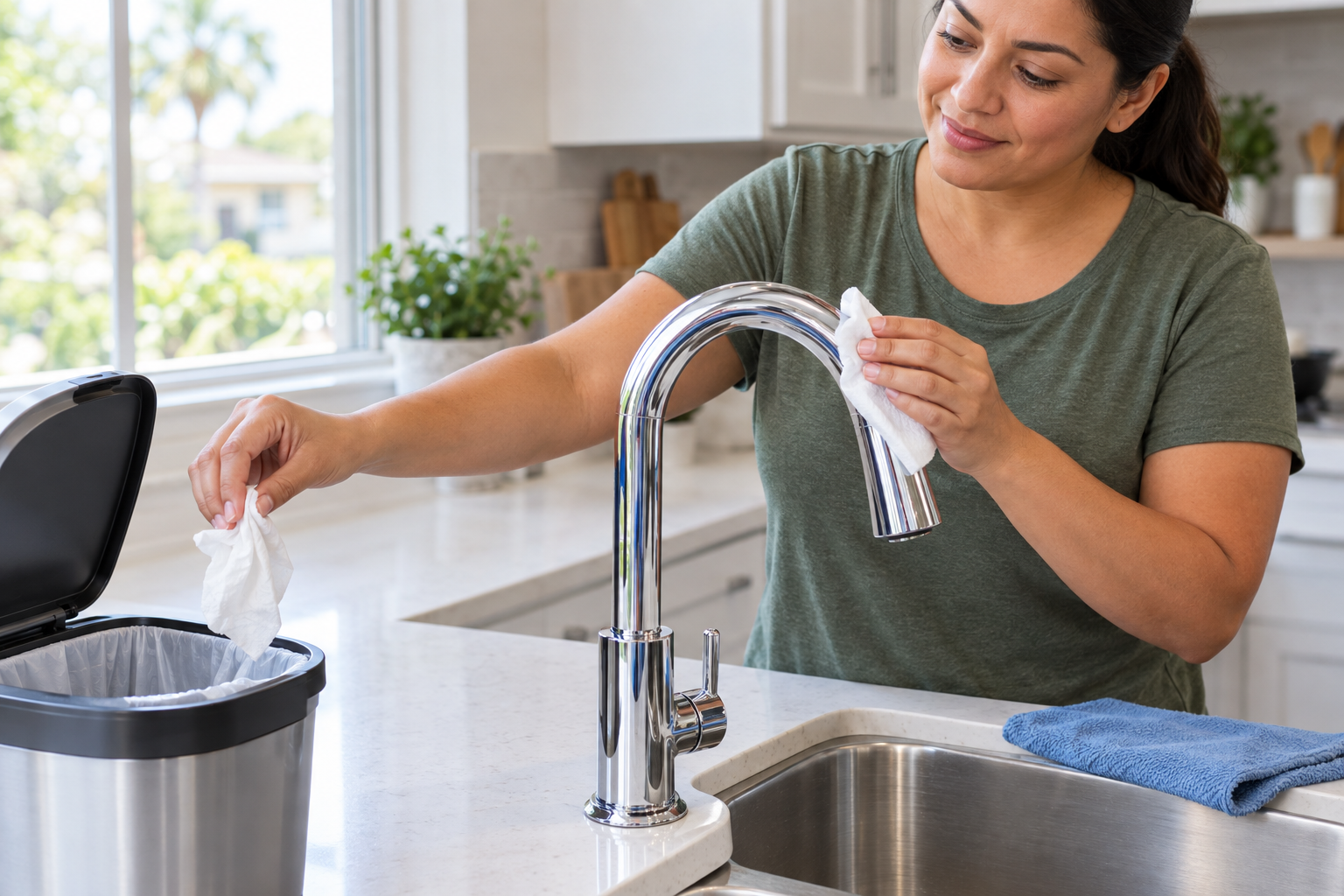
Toilet paper buildup, wipes, paper towels, hygiene products, small objects, or excessive waste can partially block the toilet trap or the drain pipe beyond it. Water may squeeze past the blockage, but air gets pushed back toward the bowl. That is when you hear the familiar glug-glug sound.
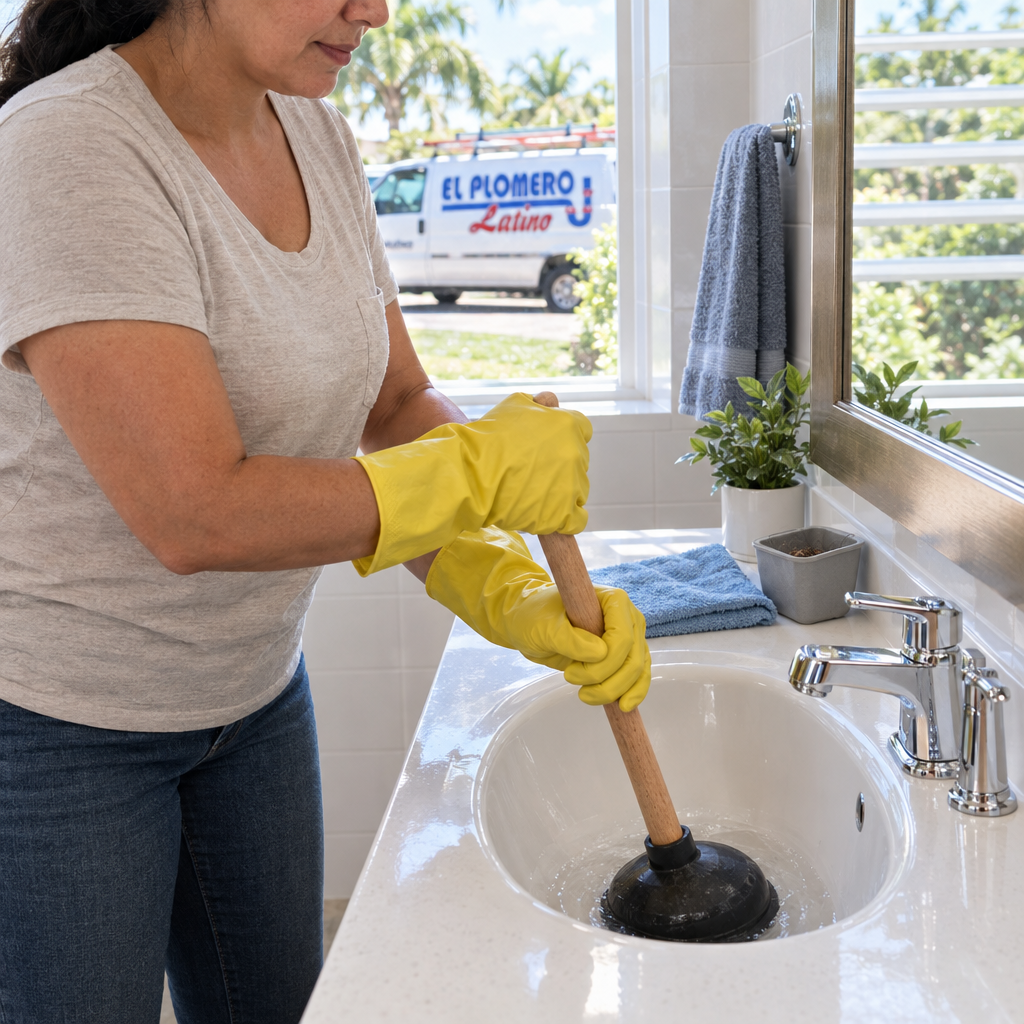
A plunger can help with a simple clog in the toilet itself. Use a flange-style toilet plunger, make sure there is enough water to cover the rubber cup, and create a firm seal before plunging steadily. If several attempts do not improve the flush, stop forcing the issue. The clog may be beyond reach, and repeated flushing could cause an overflow.
A main sewer line blockage
When more than one fixture acts strangely, the main sewer line deserves attention. For example, flushing the toilet may cause water to bubble in the shower, or running the washing machine may make the toilet gurgle. These are common signs that wastewater is meeting resistance farther down the line.
Main line blockages can be caused by accumulated grease, heavy paper buildup, foreign objects, pipe scale, damaged piping, or tree roots entering older sewer lines through joints or cracks. In Central Florida, roots can grow aggressively around underground plumbing, especially where pipes have small openings or aging connections.
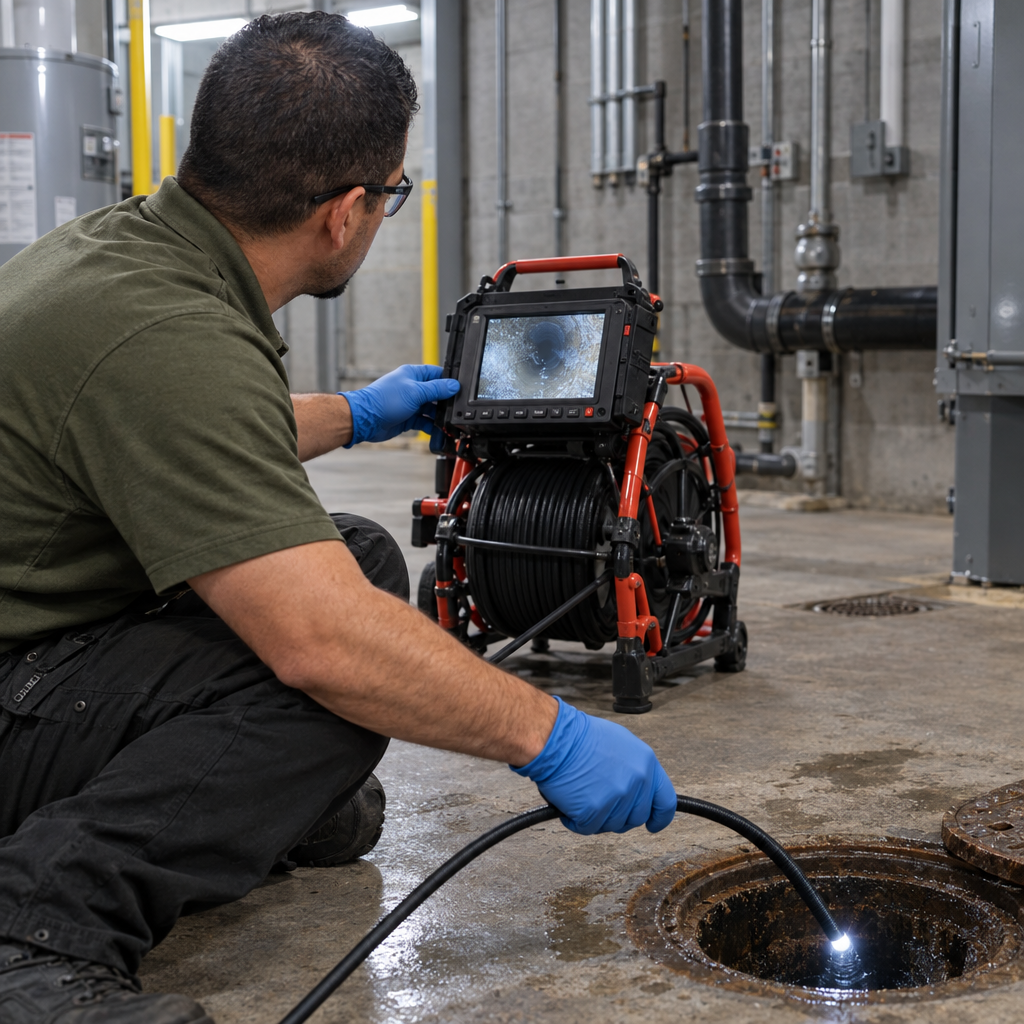
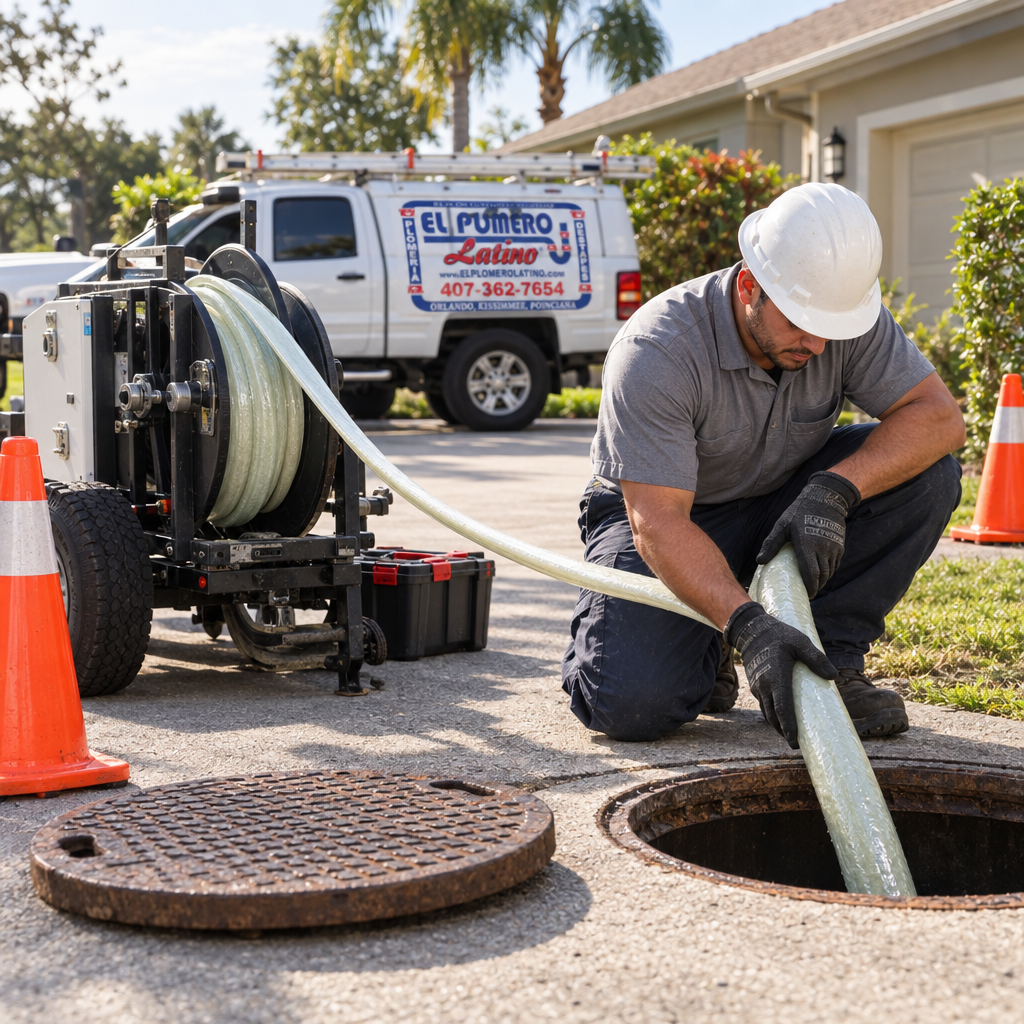
A main sewer blockage is not a good do-it-yourself project. A plumber can determine where the restriction is and choose the correct method, such as professional drain cleaning, hydrojetting, or a sewer camera inspection. The right repair depends on what is in the line and the condition of the pipe itself.
A blocked plumbing vent
The vent system is the less visible part of your plumbing, but it has an important job. Vent pipes typically extend through the roof and allow air to balance pressure inside the drain system. When a vent is blocked by leaves, nesting material, debris, or an issue within the piping, drains can struggle to move water smoothly.
A vent problem may cause gurgling at multiple fixtures, slow drains, or sewer odors. Because roof access and vent diagnosis can involve safety concerns and may be confused with a drain blockage, it is usually best handled by a plumbing professional. Clearing the wrong pipe from the roof does not solve the problem, and it can create another one.
Septic system trouble
Homes connected to a septic system can experience toilet bubbling when the tank is too full, the drain field is not accepting wastewater properly, or the septic line has a blockage. The symptoms can look similar to a sewer-line clog: slow drains, gurgling fixtures, unpleasant odors, and wastewater backing up at the lowest drain in the home.
If your home uses septic, do not wait for a full backup. Limit water use and arrange for an evaluation by the appropriate septic or plumbing professional. The fix may involve pumping the tank, clearing a line, or addressing a drain field concern. The right answer depends on the system, maintenance history, and where the restriction is located.
A problem with the municipal sewer connection
Less commonly, the issue may be outside your property in the city sewer connection or public sewer system. This is more likely if neighbors are reporting similar trouble, or if bubbling and backups occur after unusually heavy rain. Still, a plumber should inspect your private sewer line first. That inspection helps identify whether the issue is on your side of the connection and provides clear information if utility involvement is needed.
What You Can Safely Do Before Calling a Plumber
Start by paying attention to which fixtures are affected. Flush the toilet once, then listen and watch nearby drains. Run a small amount of water at a nearby sink or bathtub. If the toilet bubbles in response, avoid using more water than necessary until the cause is identified.
For a toilet that seems to have a simple, isolated clog, try a proper flange plunger. If that does not work, a toilet auger can sometimes clear an obstruction in the toilet trap without damaging the porcelain. Do not use a standard drain snake aggressively in a toilet, and do not keep flushing to “test” whether it cleared.
Avoid chemical drain cleaners. They rarely solve a serious toilet or sewer-line blockage, and they can damage certain pipes, create fumes, and make later plumbing work more hazardous. Hot water is also risky in a toilet bowl because extreme temperatures can crack porcelain.
If you see water rising toward the rim, stop using that toilet immediately. If sewage appears in a shower, tub, floor drain, or another fixture, reduce all water use in the building. This includes avoiding dishwashers, washing machines, long showers, and additional toilet flushing.
Signs You Need Professional Drain or Sewer Service
A single mild gurgle after one flush may not always mean an emergency, but repeated bubbling deserves a closer look. Call a plumber promptly when the toilet bubbles every time it flushes, water drains slowly throughout the home, or another fixture reacts when the toilet is used.
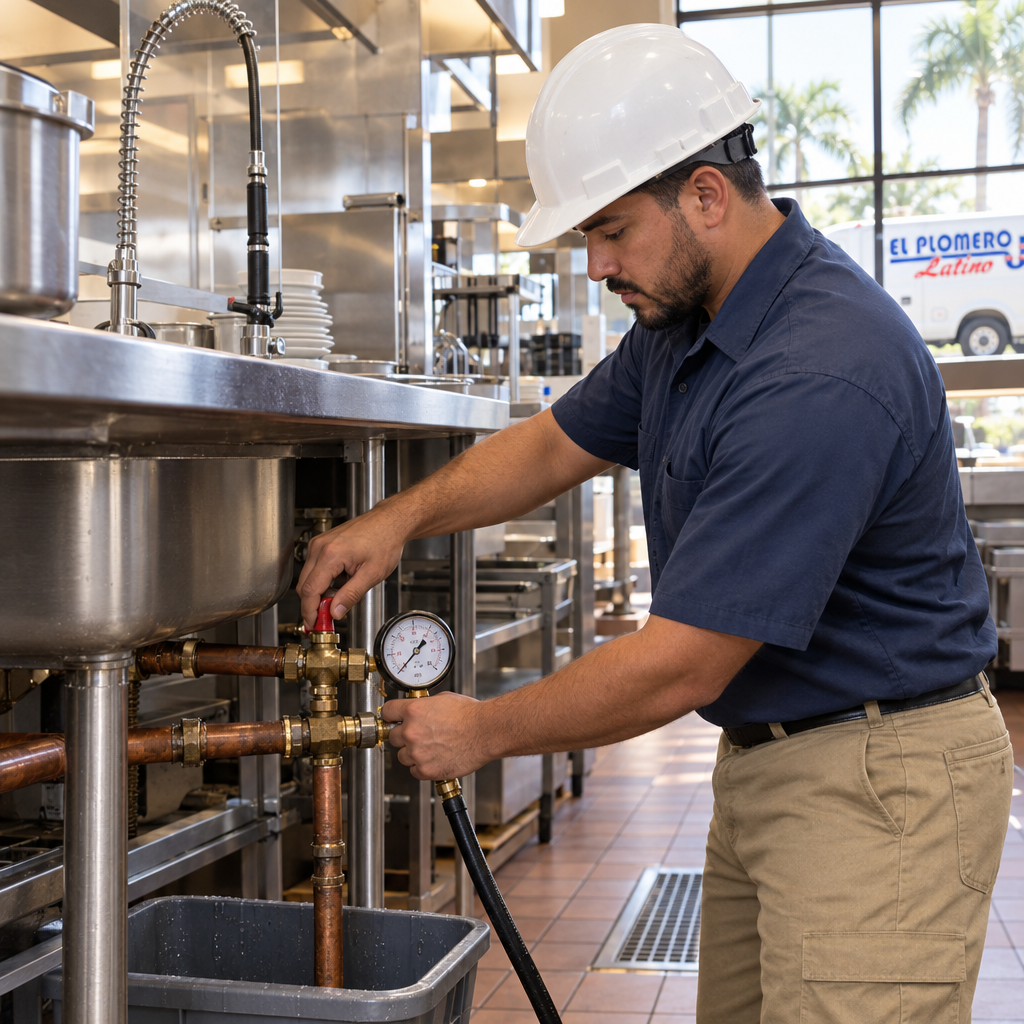
Treat it as urgent when sewage backs up, toilets overflow, foul sewer odors are present, or multiple drains stop working. For restaurants, offices, rental properties, and other commercial facilities, quick action matters even more. A drain issue can disrupt operations, create sanitation concerns, and affect customers or tenants.
A professional inspection takes the guesswork out of the situation. With a sewer camera, a plumber can see inside the pipe and identify whether the cause is roots, buildup, a broken section, a belly in the line, or a foreign object. That means you are not paying for a one-size-fits-all solution when the line may need a different repair.
The Right Fix Depends on the Cause
Drain snaking can remove many localized clogs, while hydrojetting may be a better choice for grease, sludge, scale, and recurring buildup in suitable pipes. If a camera inspection finds root intrusion or a damaged sewer line, cleaning alone may provide only temporary relief. Repair or replacement may be the more dependable long-term option.
An honest plumber should explain what was found, what can be done now, and whether there are repair options to consider. For homeowners and business owners in the Orlando area, El Plomero Latino Inc. provides clear, flat-rate pricing before work begins, so you can make a decision without surprises.
A bubbling toilet does not always mean disaster, but it does mean your drainage system needs attention. Listen to the warning, protect your home or business from a backup, and get the cause identified before a small gurgle becomes a messy interruption.