
You notice it first in the shower. What used to feel normal now feels weak, uneven, or unpredictable. Then the kitchen faucet starts taking longer to rinse dishes, or the washing machine seems slower to fill. Water pressure problems in house settings usually start as an annoyance, but they can also point to a hidden plumbing issue that gets more expensive the longer it is ignored.
In Central Florida homes and commercial properties, low or inconsistent pressure can come from something simple, like a partially closed valve, or something more serious, like a leak in the water line. The key is not to guess. A few basic checks can help you understand whether this is a quick fix or a sign that it is time to bring in a licensed plumber.
What causes water pressure problems in house plumbing?
Water pressure is affected by more than one part of your plumbing system. That is why the same symptom can have very different causes.
One common issue is mineral buildup inside faucets, showerheads, and older pipes. Even when your water looks clean, sediment can slowly collect and restrict flow. This often shows up at one fixture first, then spreads to others over time.
Another possibility is a valve problem. If the main shutoff valve or water meter valve is not fully open, water may still run, but with weaker pressure throughout the property. This is especially common after plumbing work, renovations, or recent utility service.
Leaks are another major cause. A leak in the main water line, under the slab, behind a wall, or in irrigation piping can reduce available pressure inside the building. In those cases, the pressure issue is not the only concern. You may also be losing water and increasing your monthly bill.
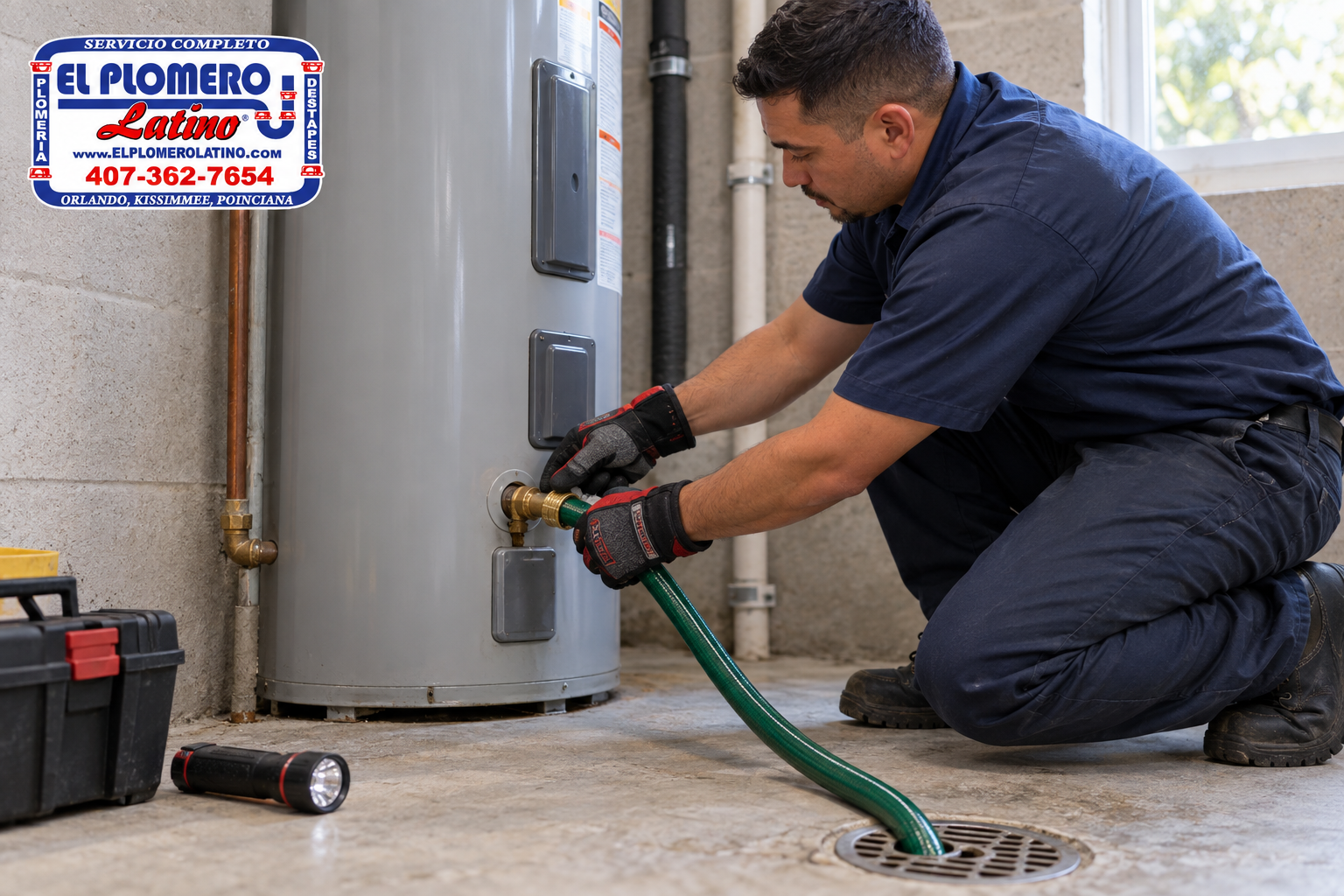
Some homes also have pressure regulators, sometimes called pressure reducing valves. When these start to fail, they can cause low pressure, high pressure, or pressure that swings up and down during the day. That kind of inconsistency is frustrating for homeowners and hard on fixtures, appliances, and water heaters.
There is also the age of the plumbing itself. In older properties, galvanized pipes can corrode internally and narrow over time. From the outside, the pipe may look fine. Inside, water has less room to move. At that point, cleaning fixtures will not solve the bigger issue.
Low pressure at one fixture vs. the whole house
The first question to ask is simple: Is the problem happening everywhere, or only in one place?
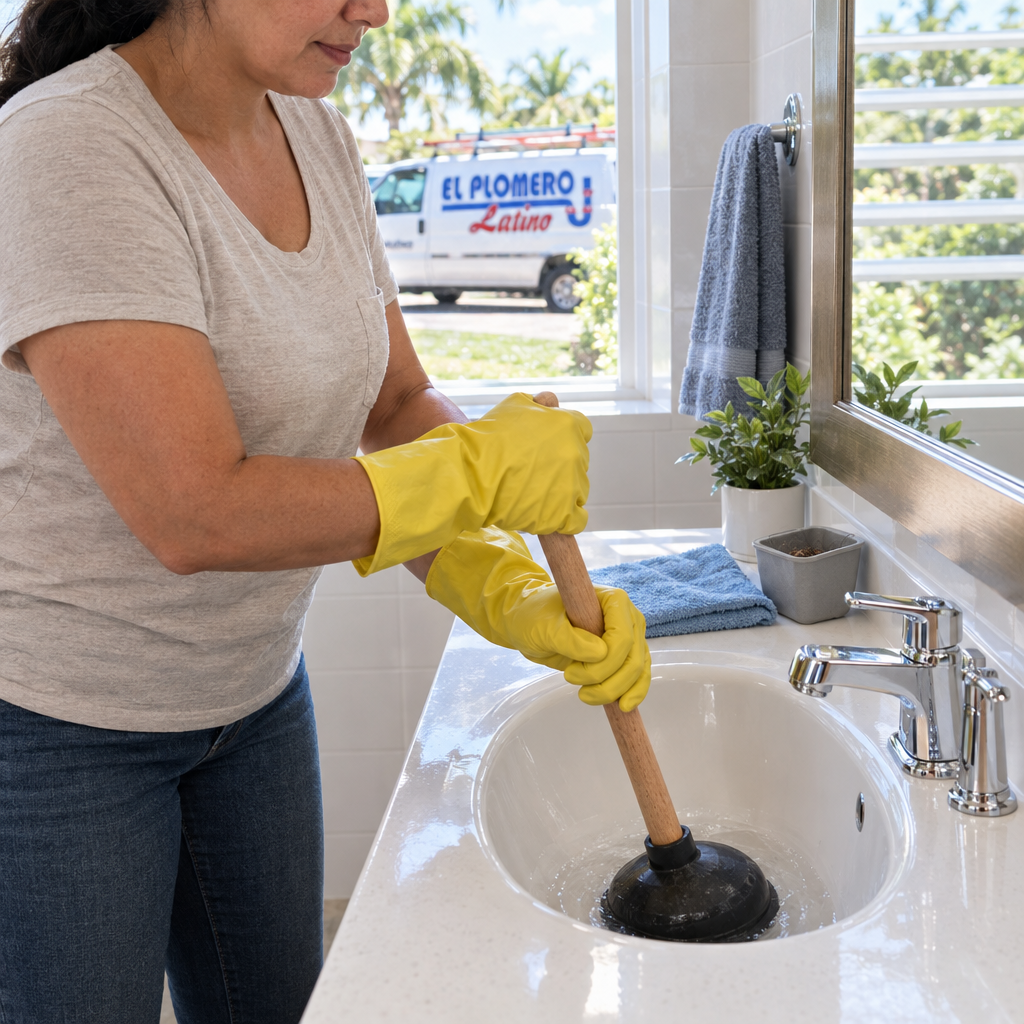
If the problem is isolated to one sink, one shower, or one toilet, the cause is often local. A clogged aerator, a worn cartridge, a faulty shutoff valve, or debris in the supply line may be restricting flow. These are usually more straightforward to diagnose and repair.
If the pressure is low throughout the house, the issue is more likely tied to the main supply. That could mean a partially closed valve, a hidden leak, a failing pressure regulator, or trouble with the municipal water supply. In some cases, it can also be a pipe-sizing issue, especially in older homes that have had additions or fixture upgrades over the years.
That difference matters because it helps you avoid wasting time on the wrong fix. Replacing a showerhead will not help if the real problem is under the slab.
Quick checks before you call
There are a few things you can safely look at before scheduling service.
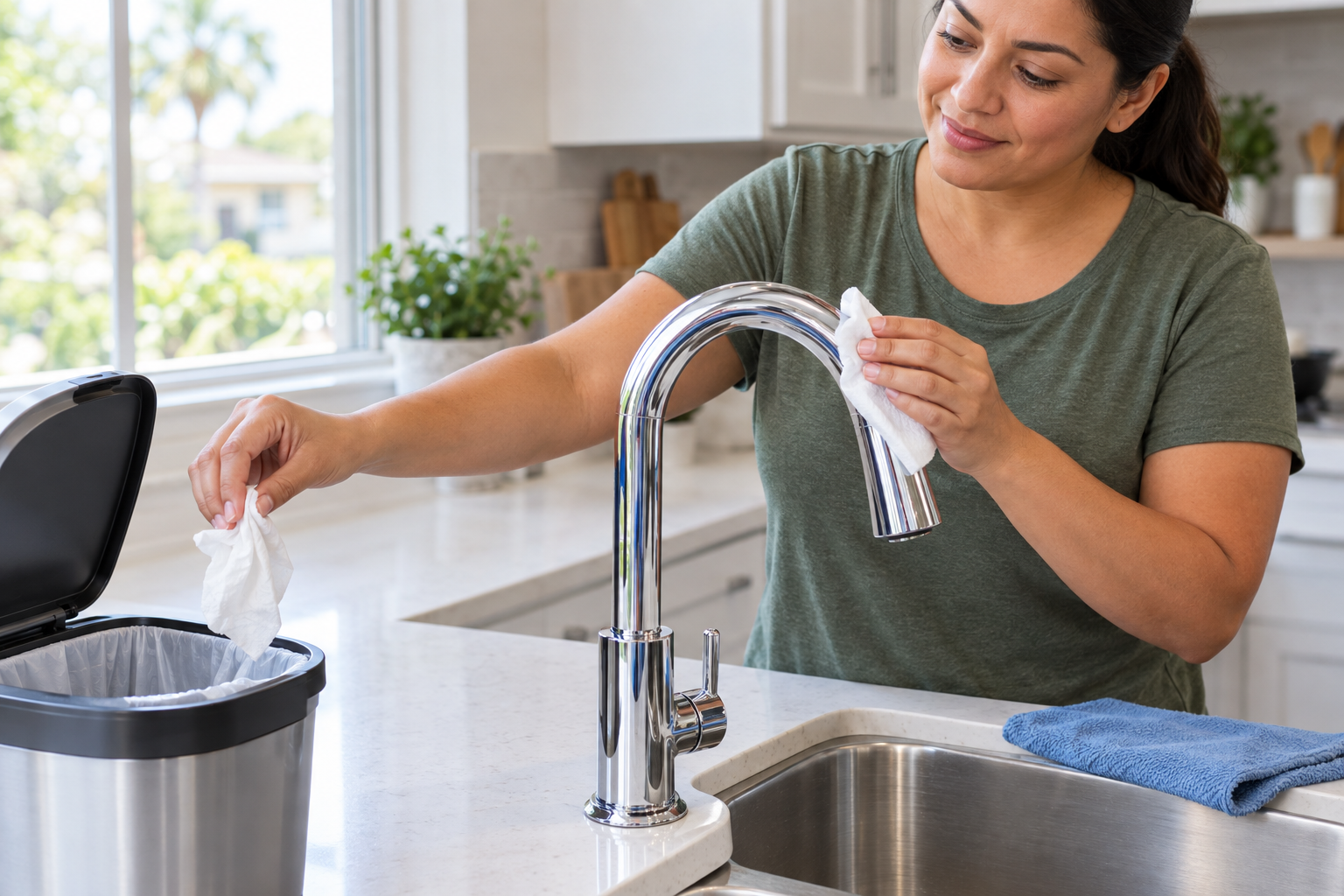
Start with the aerator on a faucet and the showerhead if only one fixture is affected. Sediment can collect there and reduce flow more than people expect. If cleaning it improves pressure right away, you may have found the problem.
Next, check whether the main shutoff valve is fully open. If you have had any recent plumbing work, this is worth confirming. A valve that is only partly open can create house-wide pressure issues.
You can also ask a neighbor if they are seeing the same thing. If nearby homes have similar low pressure at the same time, the issue may be coming from the municipal side rather than your internal plumbing.
Take a quick look at your water bill too. If pressure has dropped and your usage has gone up without a clear reason, that combination often points to a leak.
What you should not do is keep adjusting multiple plumbing components without knowing the source of the problem. Pressure issues can have overlapping symptoms, and a wrong move can make diagnosis harder.
When low water pressure is really a warning sign
Not every pressure issue is urgent, but some deserve fast attention.
If low pressure appears suddenly, affects the whole property, and is paired with wet spots, mold smell, water stains, or an unexplained increase in your bill, there is a strong chance you are dealing with a leak. Hidden leaks can damage drywall, flooring, cabinets, and even the foundation before they become obvious.
If pressure starts strong and then quickly drops, or if it changes when another fixture is used, there may be a supply issue, a failing regulator, or a blockage in the system. This is especially important in restaurants, multi-bath homes, and commercial buildings where plumbing demand is higher.
High pressure can also be part of the problem. Some property owners only think about low pressure, but pressure that is too high can wear out connections, valves, and appliances. Then the system begins to behave unpredictably, which can feel like weak pressure in some areas and excess force in others.
Why pressure problems are common in Florida properties
In the Orlando area, plumbing systems deal with a mix of older homes, newer builds, slab foundations, hard water conditions in some neighborhoods, and seasonal demand changes. That means water pressure issues are not always caused by one simple factor.
A newer home may have a regulator issue. An older home may have aging pipes or valve wear. A commercial property may see pressure drops because of heavier daily demand and fixture volume. Property managers often face another challenge: tenants report weak pressure, but the cause may be inside one unit, in a shared line, or at the building level.
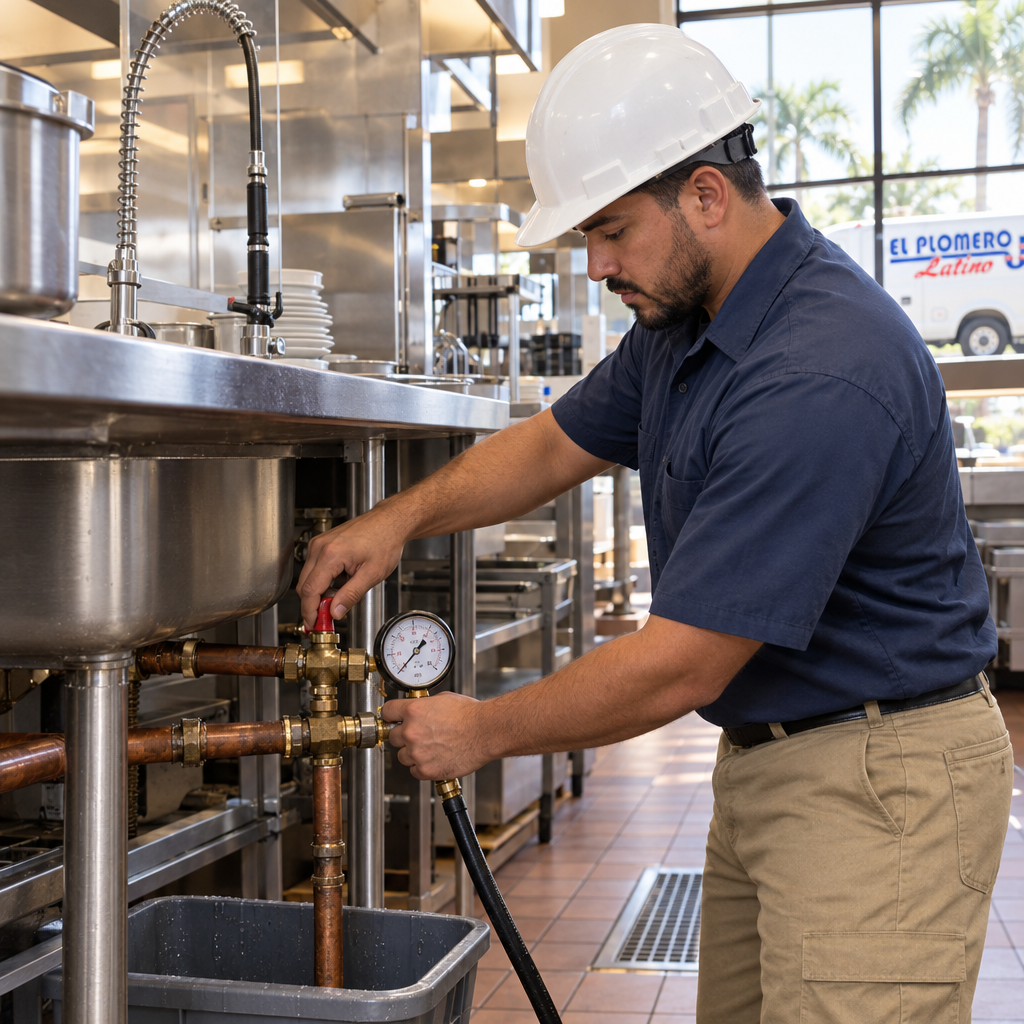
This is why experience matters. Pressure testing, leak detection, and a clear inspection process can save time and prevent unnecessary repairs.
Repair or replacement? It depends on the cause
The right solution depends on what is actually failing.
If the issue is limited to a clogged fixture or worn faucet component, a small repair may be all you need. If a shutoff valve is damaged or stuck, replacing that valve can restore normal flow.
If the pressure regulator has failed, replacement is often the best path. Regulators do not last forever, and when they start causing pressure swings, patching around the problem usually does not hold up.
If older pipes are heavily corroded inside, repeated fixture repairs may only offer temporary relief. In that case, partial or full repiping may make more financial sense over time. It is a bigger project upfront, but it can eliminate chronic low pressure, reduce leak risk, and improve reliability across the property.
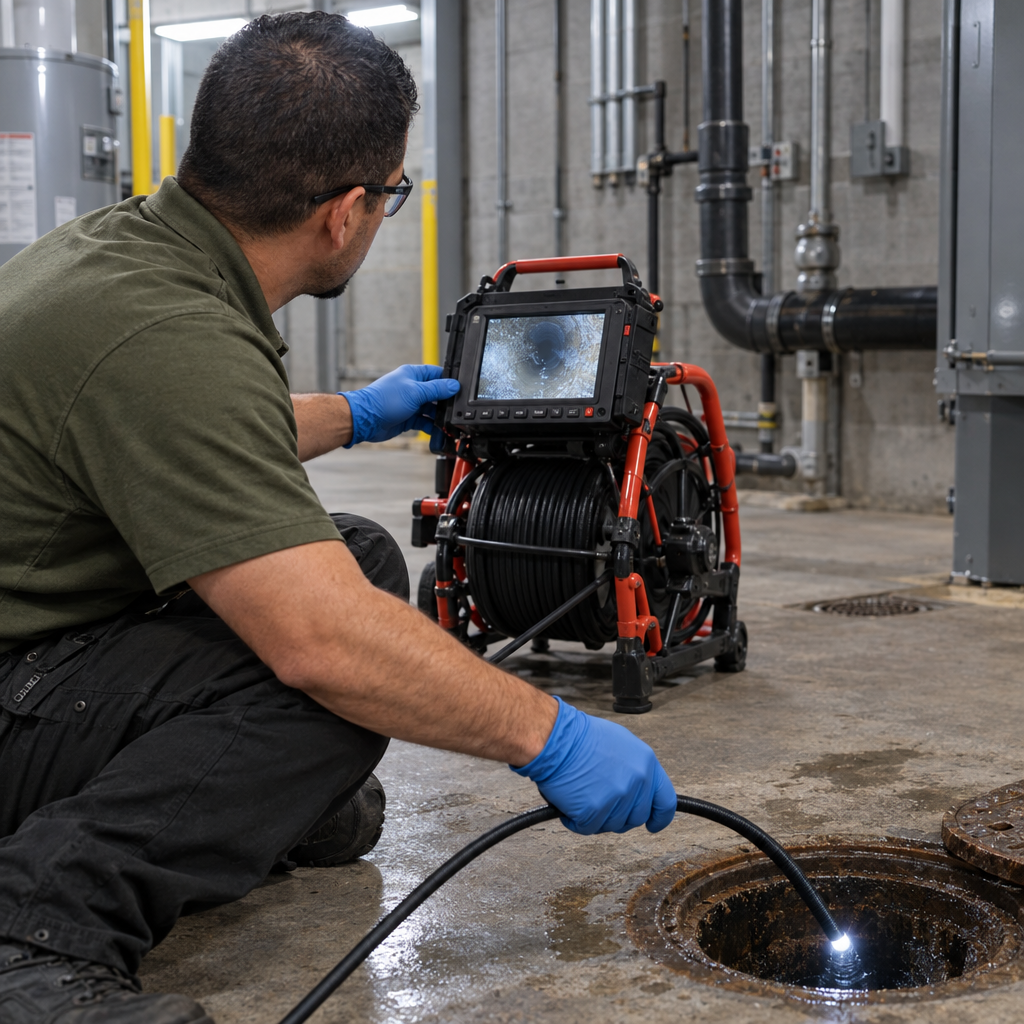
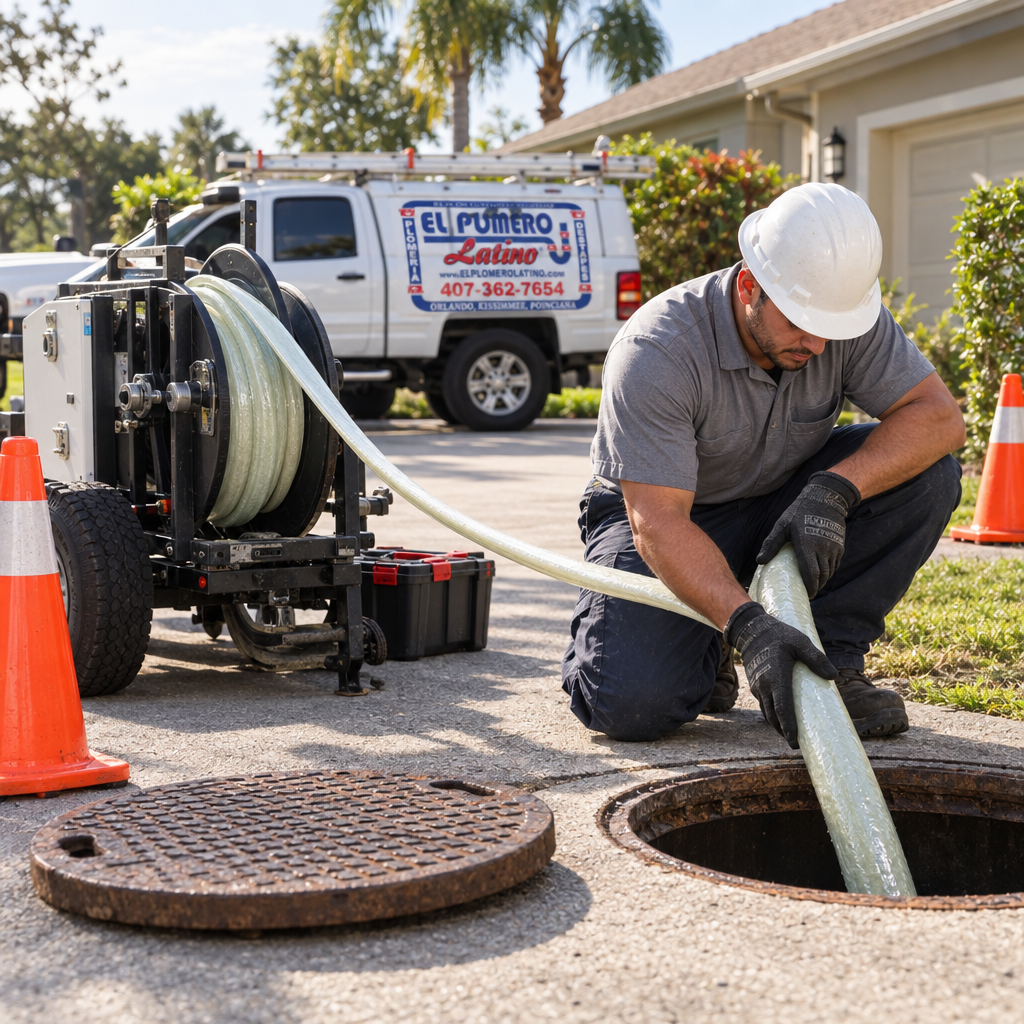
For hidden leaks, the real priority is accurate detection. The goal should not be to open walls or break concrete based on guesswork. It should be to locate the issue, explain the repair clearly, and fix the plumbing with as little disruption as possible.
What professional diagnosis should look like
A good plumbing visit should leave you with answers, not more confusion. That means checking pressure where it matters, inspecting valves and fixtures, looking for signs of leaks, and explaining whether the issue is local or system-wide.
For homeowners, clear communication matters just as much as technical skill. You should know what is wrong, what it will take to fix it, and what the price is before the work starts. For property managers and business owners, the same rule applies, with the added need to minimize downtime and avoid repeat service calls.
That straightforward approach is why many families and businesses across Central Florida choose trusted local companies like El Plomero Latino Inc. They want the job done right the first time, with honest recommendations and no surprises.
Don’t wait for weak pressure to turn into bigger damage
Water pressure issues have a way of blending into daily life. People adapt. They leave extra time for showers, accept slow sinks, or assume an old house just works that way. But plumbing systems rarely improve on their own.
If your pressure has changed, the smartest next step is to treat it as useful information. It may be a simple fix. It may also be your plumbing system asking for attention before a leak, pipe failure, or larger repair forces the issue. Getting it checked early is often the least expensive and least stressful path.