



A slab leak rarely announces itself with a dramatic pipe burst. More often, it starts quietly – a water bill that creeps up, a warm spot on the floor, or the sound of running water when everything is turned off. If you are wondering how to detect slab leaks, the goal is to catch those early clues before they turn into flooring damage, mold, or foundation trouble.
In Central Florida, this matters even more because many homes and buildings sit on concrete slabs, and moisture problems can get worse fast in our heat and humidity. The sooner you know what to look for, the better chance you have of keeping a repair smaller, cleaner, and less expensive.
What a slab leak actually is
A slab leak is a leak in a water line that runs beneath the concrete foundation of a home or commercial building. It can affect either the hot or cold water line. Some leaks are tiny pinholes caused by corrosion, shifting soil, poor installation, or long-term pipe wear. Others come from abrasion where the pipe rubs against concrete or another hard surface over time.
Because the pipe is hidden under the slab, the leak is not always obvious. Water may travel before it becomes visible, which is why the signs can seem unrelated at first. A damp floor, a drop in water pressure, and higher utility costs may all trace back to the same hidden issue.
How to detect slab leaks: the most common signs
The most reliable way to start is by paying attention to changes that do not have an easy explanation. If your habits have not changed but your water use has, that is worth investigating.
An unusually high water bill is one of the first red flags. If your household or property is using roughly the same amount of water as usual but the bill suddenly climbs, hidden leakage is a strong possibility. Not every high bill means a slab leak, but it should never be ignored.
Warm or hot spots on the floor can also point to a leak under the slab, especially if the hot water line is involved. Tile may feel warmer than the surrounding area, or one section of flooring may seem odd under bare feet.
You may also hear water running when all fixtures are off. If no one is using a sink, shower, dishwasher, or irrigation system and you still hear movement in the plumbing, there may be water escaping somewhere out of sight.
Other signs include damp carpet, warped flooring, mildew odors, unexplained moisture along baseboards, or cracks in walls and flooring. A slab leak does not always cause structural damage right away, but long-term moisture under a foundation can create bigger problems if it is left alone.
Check your water meter before you assume anything
One of the simplest ways to narrow down the problem is with a water meter test. This is not a full diagnosis, but it can tell you whether water is moving through the system when it should not be.
First, turn off every water-using fixture and appliance on the property. That includes faucets, showers, washing machines, dishwashers, ice makers, and irrigation if possible. Then locate your water meter and check whether the leak indicator is moving. On many meters, this is a small dial or triangle that spins even when only a little water is flowing.
If the indicator keeps moving while everything is off, water is likely leaking somewhere in the system. Wait 20 to 30 minutes without using any water and check the meter again. If the reading changes, you have a leak. The next step is figuring out whether it is under the slab or somewhere more accessible.
Rule out more visible leaks first
Before jumping straight to the foundation, make sure the problem is not coming from a more common source. Toilets, hose bibs, water heaters, refrigerator lines, and irrigation systems are frequent culprits.
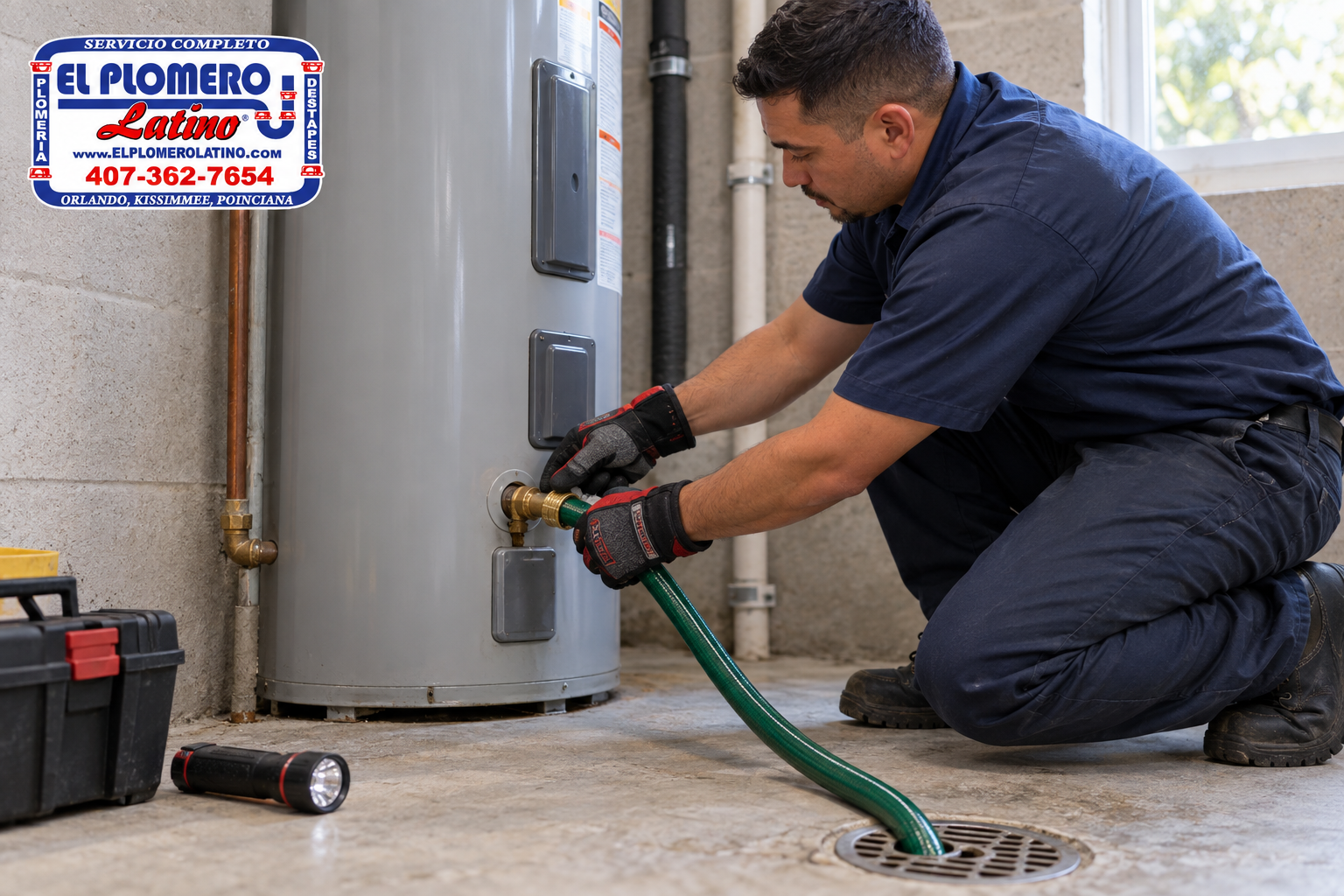
A running toilet can waste a surprising amount of water without making much noise. Outdoor hose connections can drip slowly enough to go unnoticed. Irrigation leaks may show up only when the system cycles. Water heaters can also create confusion because leaks near the unit may spread into nearby flooring and make homeowners think the issue is below the slab.
This is where experience helps. The signs of a slab leak can overlap with other plumbing issues, and guessing can cost you time. A professional inspection can separate a foundation leak from a fixture leak without unnecessary demolition.
Watch for pressure changes and moisture patterns
Another clue is reduced water pressure in one part of the building or throughout the whole system. A slab leak may pull pressure away from fixtures, especially if the leak has grown. If showers feel weaker than usual or it takes longer to fill a sink or tub, the plumbing system may be losing water before it reaches the fixture.
Moisture patterns also matter. Slab leaks do not always show up directly above the damaged pipe. Water can spread under flooring materials, follow the path of least resistance, or rise near walls. In homes with tile or laminate, you may notice loose sections, discoloration, or a musty smell before you ever see standing water.
For property managers and commercial owners, the warning signs may show up in tenant complaints first. If multiple units report low pressure, damp flooring, or unexplained odors, it is smart to investigate early rather than wait for visible damage.
How plumbers confirm a slab leak
If the warning signs point in the right direction, professional leak detection is the safest next move. Slab leak detection has improved a lot, and in many cases a plumber can locate the problem without tearing up large sections of flooring just to search.
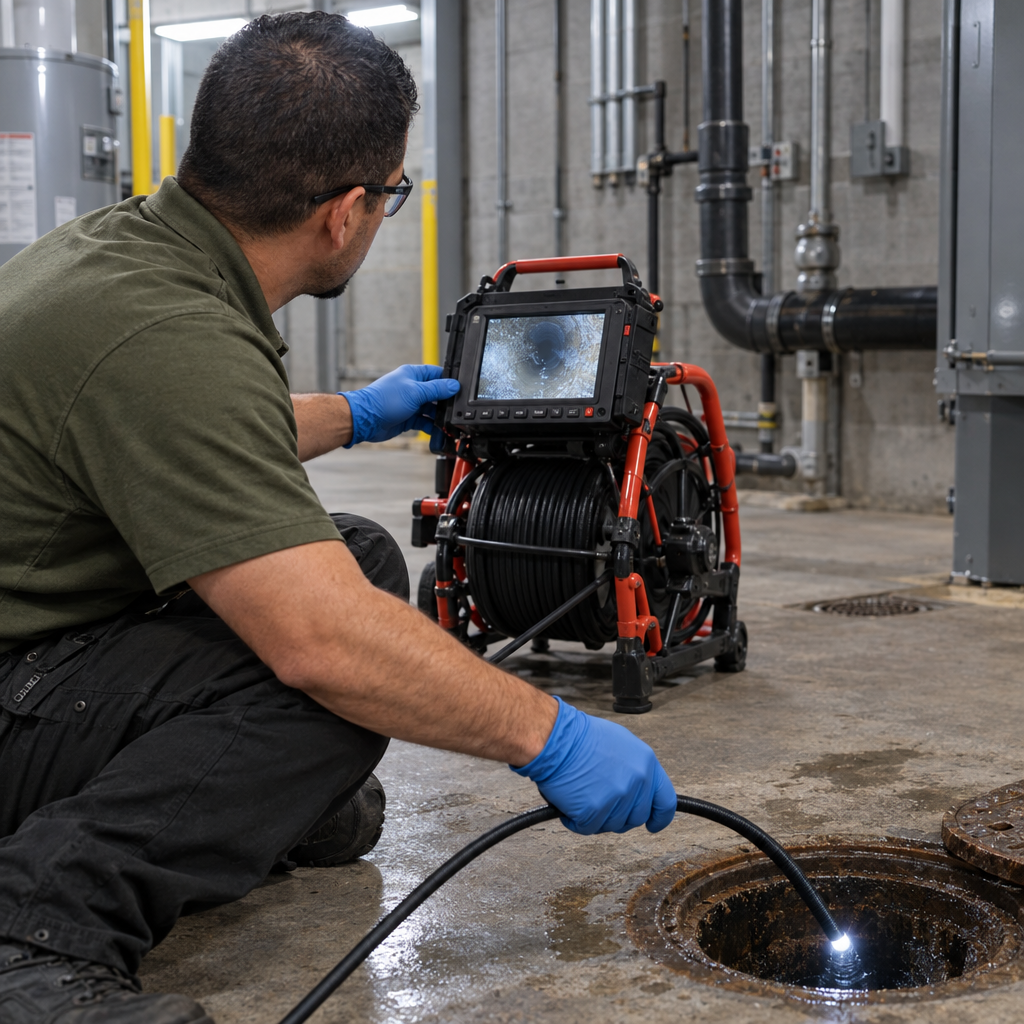
Depending on the property and piping layout, a plumber may use pressure testing, acoustic listening equipment, thermal imaging, or other non-invasive methods to narrow down the leak location. The goal is accuracy. The more precisely the leak is located, the more targeted the repair can be.
That matters because slab leak repairs are not one-size-fits-all. Sometimes the best fix is a direct spot repair. In other cases, rerouting the line is smarter, especially if the existing pipe material has multiple weak points. It depends on the age of the plumbing, where the leak sits, and whether the problem is likely to happen again.
When to stop checking and call a professional
There is a difference between being informed and waiting too long. If you have a moving water meter, warm spots on the floor, repeated moisture issues, or a sudden bill increase with no clear reason, it is time to call a licensed plumber.
The same goes for any sign of flooring damage, mold smell, cracks, or water pressure loss. Slab leaks tend to get worse, not better. What starts as a small pinhole can eventually damage flooring materials, cabinets, walls, and even the slab itself.
For homeowners, quick action can protect both the house and the repair budget. For commercial properties, acting early can also reduce downtime, tenant disruption, and liability from water damage. A trusted plumbing company should be able to explain what they are finding in plain language, give you upfront pricing, and walk you through repair options without pressure.
What not to do if you suspect a slab leak
Do not assume a dry floor means everything is fine. Some slab leaks stay hidden for a while and cause damage underneath before surface signs appear. Do not ignore a sudden spike in your water bill just because the building still seems functional. And do not start breaking concrete based on a guess.
It is also wise not to rely only on store-bought moisture gadgets or internet tutorials to make a final call. Those tools can sometimes point you in a general direction, but they do not replace proper leak detection. A wrong guess can lead to unnecessary damage and extra repair costs.
At El Plomero Latino Inc., we believe plumbing service should feel straightforward. That means honest answers, flat-rate pricing, and repairs done the right way the first time.
If you think something is off under your floor, trust that instinct. The best time to deal with a slab leak is before it turns into a much bigger mess.