A water heater usually gets attention at the worst possible time: when the morning shower turns cold, the utility room floor is wet, or your restaurant runs short on hot water during a busy shift. If you are searching for how to choose water heater options before yours fails, you have a valuable advantage. You can compare the right factors instead of rushing into a replacement that is too small, too costly to operate, or poorly suited to your property.
The best choice is not always the biggest tank or the highest-efficiency model. Your hot water demand, available fuel, installation space, budget, and local plumbing requirements all matter. A dependable plumber can help you sort through those details and give you clear, flat-rate pricing before work begins.
How to Choose a Water Heater That Fits Your Needs
Start with the people and fixtures that depend on hot water each day. A two-person household with one bathroom has very different needs than a family of five with multiple showers, a large soaking tub, and a dishwasher running every night. The same is true for commercial properties. A small office may need only modest capacity, while a restaurant, salon, or multi-unit building may need a more carefully planned system.
Think about your busiest hour, not your average day. How many showers may run close together? Does someone use the washing machine while another person showers? Do you regularly fill a large bathtub? These habits determine the capacity or recovery rate your new water heater needs.
Choosing based on the old unit alone can be risky. The existing heater may have been undersized from the beginning, or your household may have changed since it was installed. A professional assessment can prevent the frustration of installing a new unit that still cannot keep up.
Choose Between Tank and Tankless Water Heaters
For many homes, the first decision is whether to install a traditional storage-tank water heater or a tankless model.
Traditional tank water heaters
A tank water heater stores a set amount of hot water, commonly 40, 50, 65, or 80 gallons. It is a familiar, dependable choice for many Central Florida households. Tank units generally have a lower upfront installation cost and are straightforward to service or replace when the proper connections and space are already in place.
The trade-off is standby heat loss. Because the unit keeps stored water hot, it uses energy even when no one is showering or washing dishes. Once the tank’s hot-water supply is used, you may need to wait for it to recover.
As a general starting point, a 40- to 50-gallon tank can often serve a smaller household, while larger families may need 50 to 80 gallons. That is only a starting point. The unit’s first-hour rating, which measures how much hot water it can provide during a high-demand hour, is often more useful than tank size by itself.
Tankless water heaters
A tankless water heater heats water as it flows through the unit. Since it does not store a limited tank of hot water, it can provide hot water continuously when it is correctly sized for the demand. It also saves space and can be an appealing option for homeowners who want improved energy efficiency and a longer expected service life.
However, tankless is not automatically the right answer for every property. It costs more upfront, and installation may require changes to gas lines, venting, electrical service, or water piping. A unit that is undersized can struggle when several fixtures operate at once. In other words, tankless provides hot water on demand, but it still has a maximum flow rate.
For a busy household or commercial setting, proper sizing is essential. A qualified plumber should calculate the temperature rise required and the number of fixtures likely to run at the same time before recommending a model.
Match the Fuel Source to Your Property
Water heaters commonly run on electricity, natural gas, propane, or sometimes heat-pump technology. Your best option depends on what is already available at the property, your operating costs, and what upgrades would be required.
Electric water heaters are common and may be simpler to install where natural gas is not available. They do not require gas venting, but larger electric units can place significant demands on your electrical panel. If the panel is already near capacity, an upgrade may be needed.
Natural gas water heaters often heat water quickly and can be economical to operate, depending on local utility rates. They require correct gas sizing, safe venting, and professional installation. Propane can serve properties without natural gas service, but fuel storage and refill costs should be considered.
Heat-pump water heaters use electricity to move heat from the surrounding air into the water. They can be highly efficient in Florida’s warm climate, but they need adequate installation space and produce cool, dry air around the unit. They may not be ideal for every closet or confined utility area.
Do not select a fuel type based only on the price tag at the store. The full project cost includes permits, connections, venting, electrical work, safety components, and any necessary upgrades.
Look Beyond the Purchase Price
A less expensive water heater may cost more over time if it has lower efficiency, does not meet your household’s demand, or needs replacement sooner than expected. Compare the unit’s energy rating, expected operating costs, warranty terms, and installation requirements.
For tank units, ask about insulation quality and the energy factor. For tankless units, ask about efficiency ratings and maintenance needs. Higher efficiency can reduce utility bills, but the payback period depends on your hot-water use and the cost of installation.
Warranty coverage matters too, but read it carefully. A longer manufacturer warranty does not always include labor. Ask who handles warranty service, what maintenance is required to keep coverage valid, and whether the installer guarantees their workmanship.
Financing can also make a higher-quality replacement more manageable when a water heater fails unexpectedly. The goal is not to overspend. It is to choose an option that protects your comfort, budget, and property for years to come.
Plan for Florida Water Conditions and Maintenance
Central Florida water can contain minerals that create scale buildup inside water heaters, fixtures, and plumbing lines. Over time, sediment can reduce efficiency, contribute to noise, and shorten equipment life. This is especially relevant for tankless units, where internal components need periodic flushing to maintain performance.
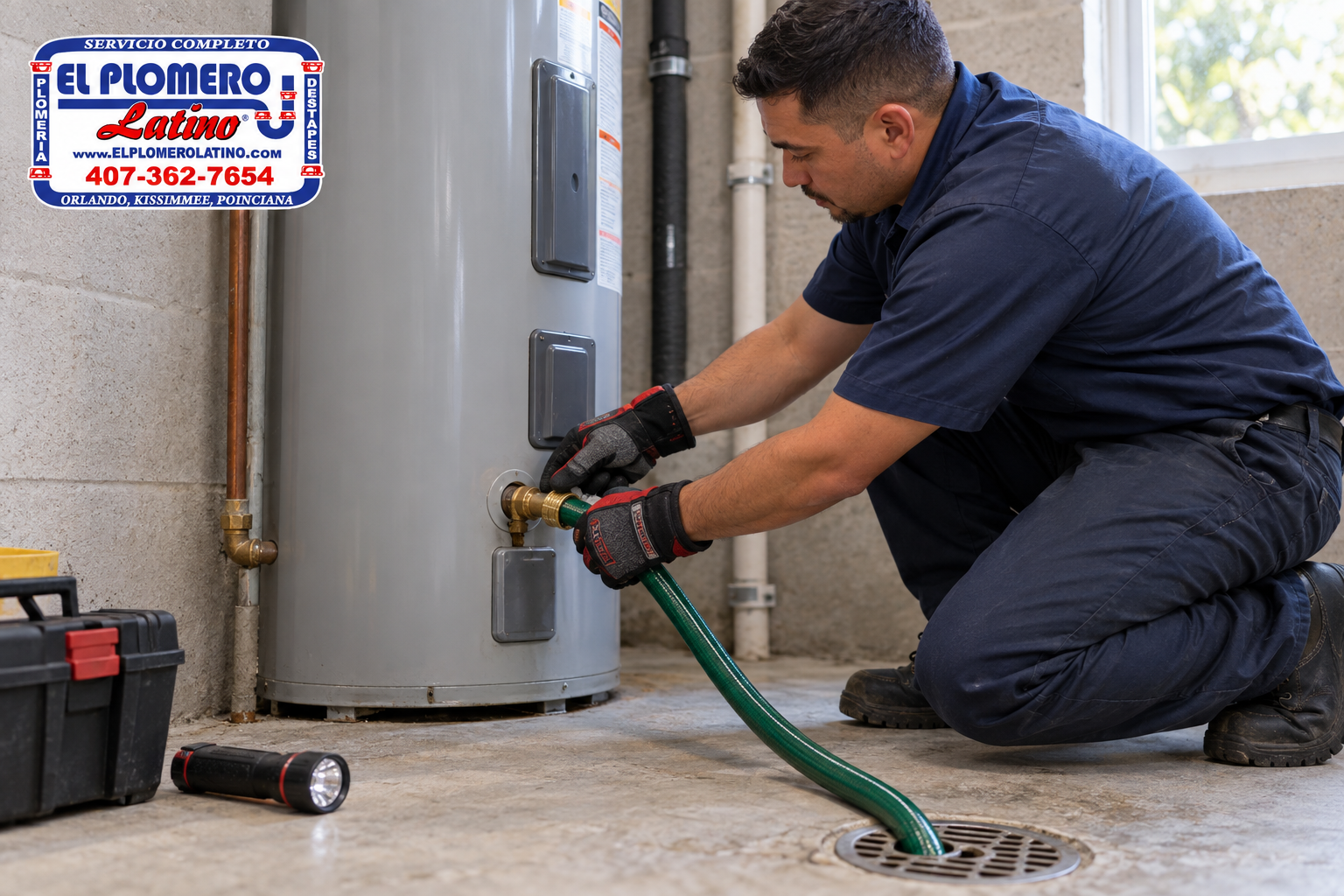
A tank water heater also benefits from routine maintenance, including checking the temperature and pressure relief valve and flushing sediment when appropriate. The anode rod inside many tank models should be inspected as well. This inexpensive component helps protect the tank from corrosion.
Maintenance needs should be part of your decision. If you choose a high-efficiency unit but skip the service it requires, the expected savings and lifespan may not materialize. A professional can explain what upkeep your specific model needs and help establish a practical schedule.
Confirm Space, Safety, and Installation Requirements
Before purchasing a water heater, measure the installation area and consider access for future service or replacement. A tankless model may save floor space, but it still needs clearances and access to its connections. A larger tank may not fit through a utility-room doorway or into a tight closet without complications.
Safety requirements are just as important. Gas units need proper combustion air, venting, and secure gas connections. Water heaters require a properly installed temperature and pressure relief valve with a safe discharge line. Depending on the location, a drain pan, expansion tank, earthquake strapping, or other protective measures may be needed.
Permits and code compliance are not paperwork to ignore. They help ensure the installation is safe and protect you if you sell the property or need to make an insurance claim later. For homes and businesses in the Orlando area, working with a licensed, insured plumbing professional helps avoid expensive corrections after the fact.
When It Is Time to Call a Professional
If your water heater is leaking, producing rusty water, making loud popping sounds, or failing to deliver enough hot water, it is worth having it evaluated before it becomes an emergency. A repair may make sense for a newer unit with a limited issue. Replacement is often more practical when a tank is corroded, repairs are frequent, or the equipment is nearing the end of its expected life.
El Plomero Latino Inc. helps homeowners and businesses make this decision with honest recommendations, clear options, and respectful service. Whether you need a reliable tank replacement or want to explore tankless water heating, the right choice begins with a system sized for the way you actually live or work.
A good water heater should disappear into the background of your day – delivering the hot water you need without surprises. Taking the time to choose carefully now can spare your family, tenants, customers, or employees an uncomfortable cold-water problem later.