
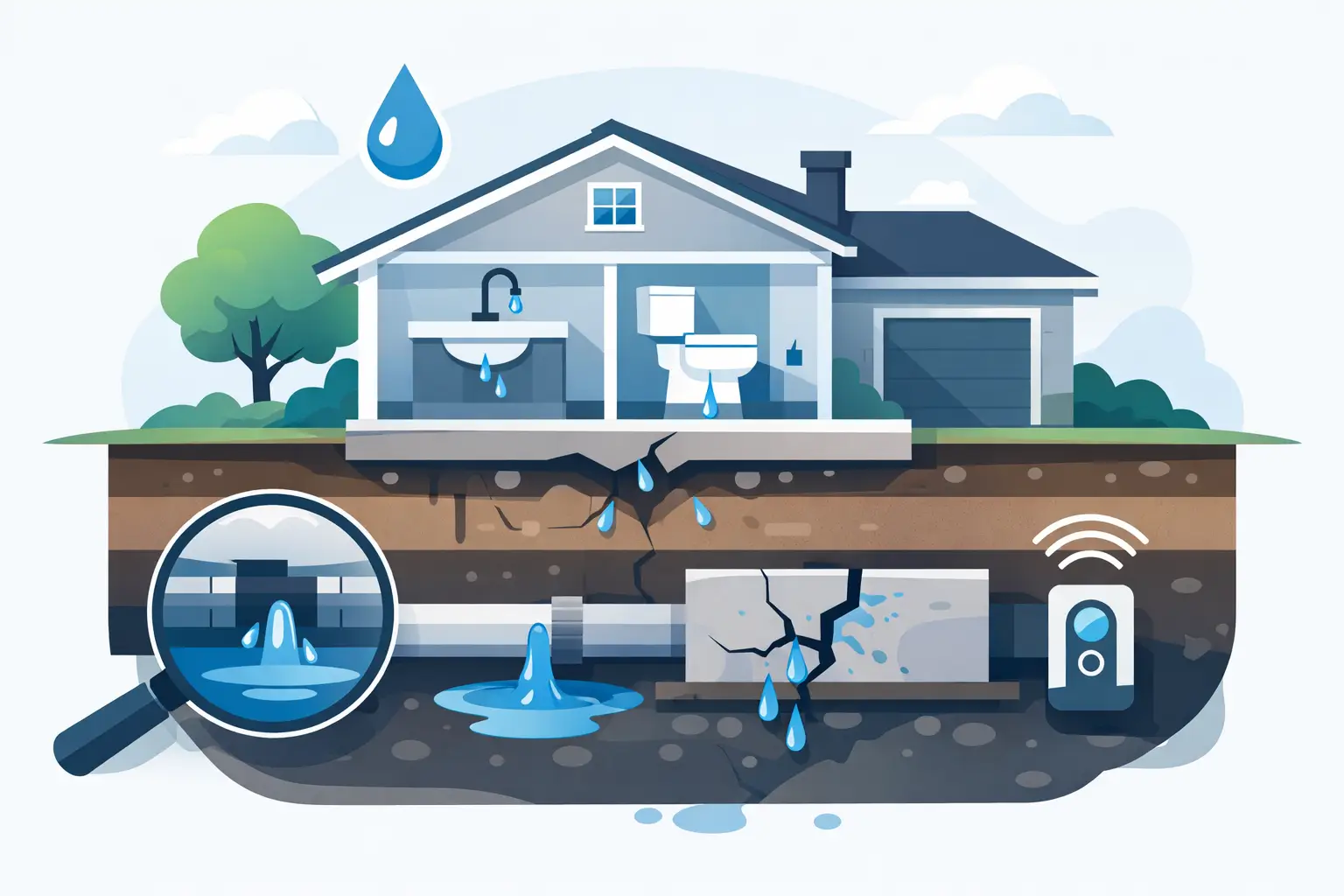


A water leak does not always announce itself with a puddle under the sink. It may show up as a higher water bill, a warm spot on the floor, a musty smell in a closet, or a water meter that keeps moving when every fixture is off. Professional leak detection services help identify where that water is coming from before a small plumbing issue becomes damaged flooring, mold growth, or a costly repair.
For homeowners, property managers, restaurants, and commercial facilities, finding the source quickly matters. The right repair starts with an accurate diagnosis – not unnecessary digging, guessing, or replacing the wrong pipe.
Hidden Leaks Can Cause Serious Damage
Central Florida homes and businesses face plumbing conditions that can make hidden leaks especially frustrating. Pipes may run beneath concrete slabs, behind walls, through ceilings, or under landscaping. A leak in one location can send water somewhere else, making the visible symptom misleading.
A slow leak can waste a surprising amount of water over time. More importantly, moisture can affect drywall, wood framing, cabinets, flooring, insulation, and nearby electrical areas. In a business, it can also disrupt operations, create slip hazards, damage inventory, or lead to complaints from tenants and customers.
Waiting is not always the cheaper choice. A drip that seems minor today may be a failing pipe connection, a corroded line, or a slab leak that continues to spread beneath the property. Early detection gives you more control over the repair and may limit the amount of restoration needed afterward.
Signs You May Need Leak Detection Services
Some plumbing leaks are obvious, but the ones that cause the most concern are often out of sight. Pay attention if your water bill rises without a clear reason, even though your household or business water use has not changed.
Other common warning signs include low water pressure, the sound of water running when no one is using a fixture, damp carpet or flooring, peeling paint, stained ceilings, and recurring mildew smells. Hot spots on tile or concrete floors can point to a hot-water line leak below the slab. Cool or wet areas in the yard may indicate a damaged underground water line.
A water meter test can provide a useful first clue. Turn off faucets, appliances, irrigation, and other water-using equipment, then check whether the meter continues to register usage. If it does, there may be a leak somewhere on the property. This test does not identify the location or confirm every cause, but it is a good reason to call a plumbing professional.
For commercial properties, unexplained water use deserves prompt attention. Large buildings, multi-unit communities, restaurants, and facilities with older plumbing systems can have leaks that go unnoticed until water damage or utility costs become significant.
How Professional Leak Detection Works
Good leak detection is about narrowing down the problem without causing unnecessary damage to your home or business. A trained plumber begins with the information you can provide: when the issue started, which areas are affected, whether the water bill changed, and whether there have been recent repairs or remodeling projects.
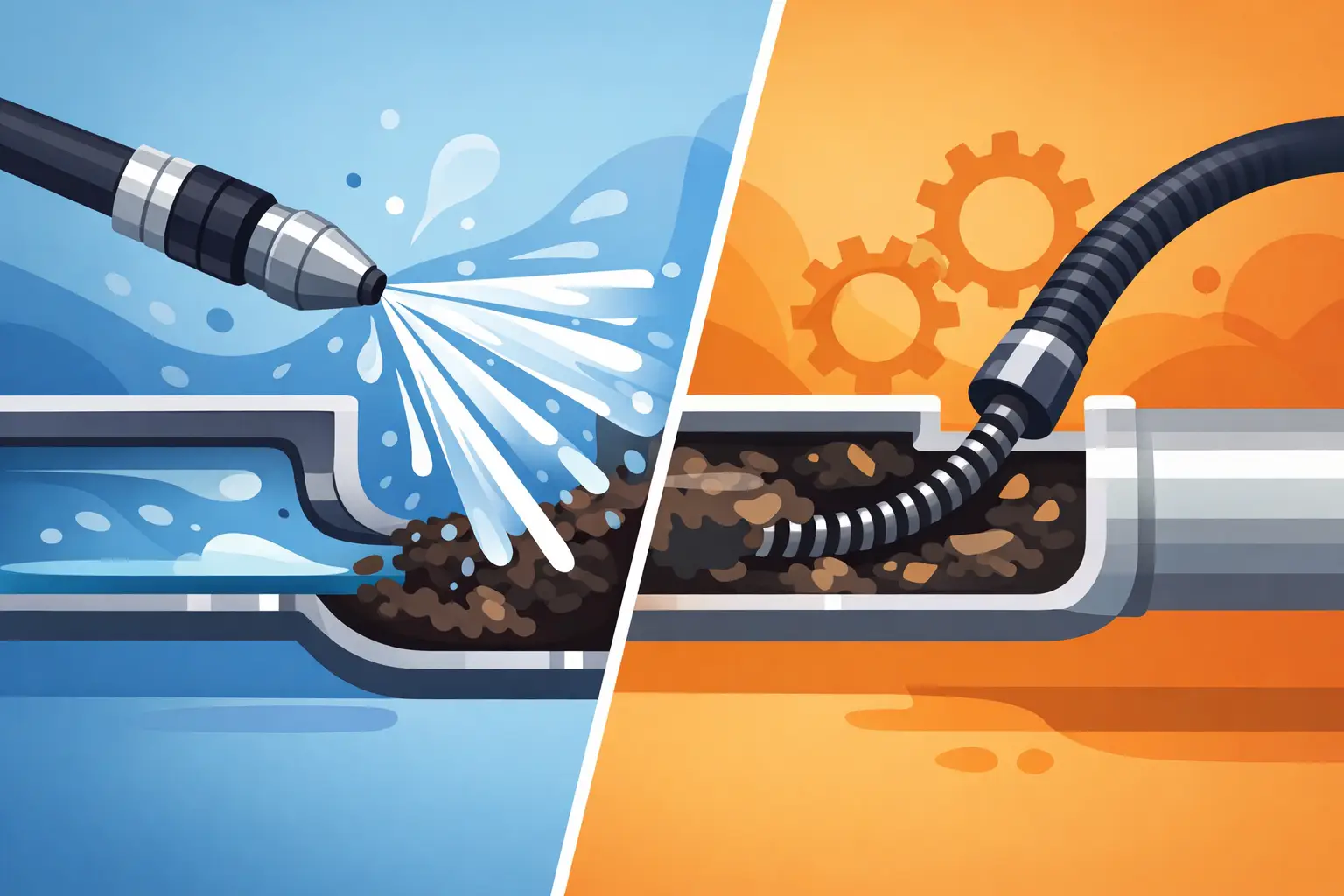
The inspection may include checking fixtures, exposed pipes, water pressure, shutoff valves, and the water meter. Depending on the situation, a plumber may use specialized equipment to listen for water movement in pipes, identify temperature changes, or inspect plumbing lines with a camera.
Finding Slab and Underground Leaks
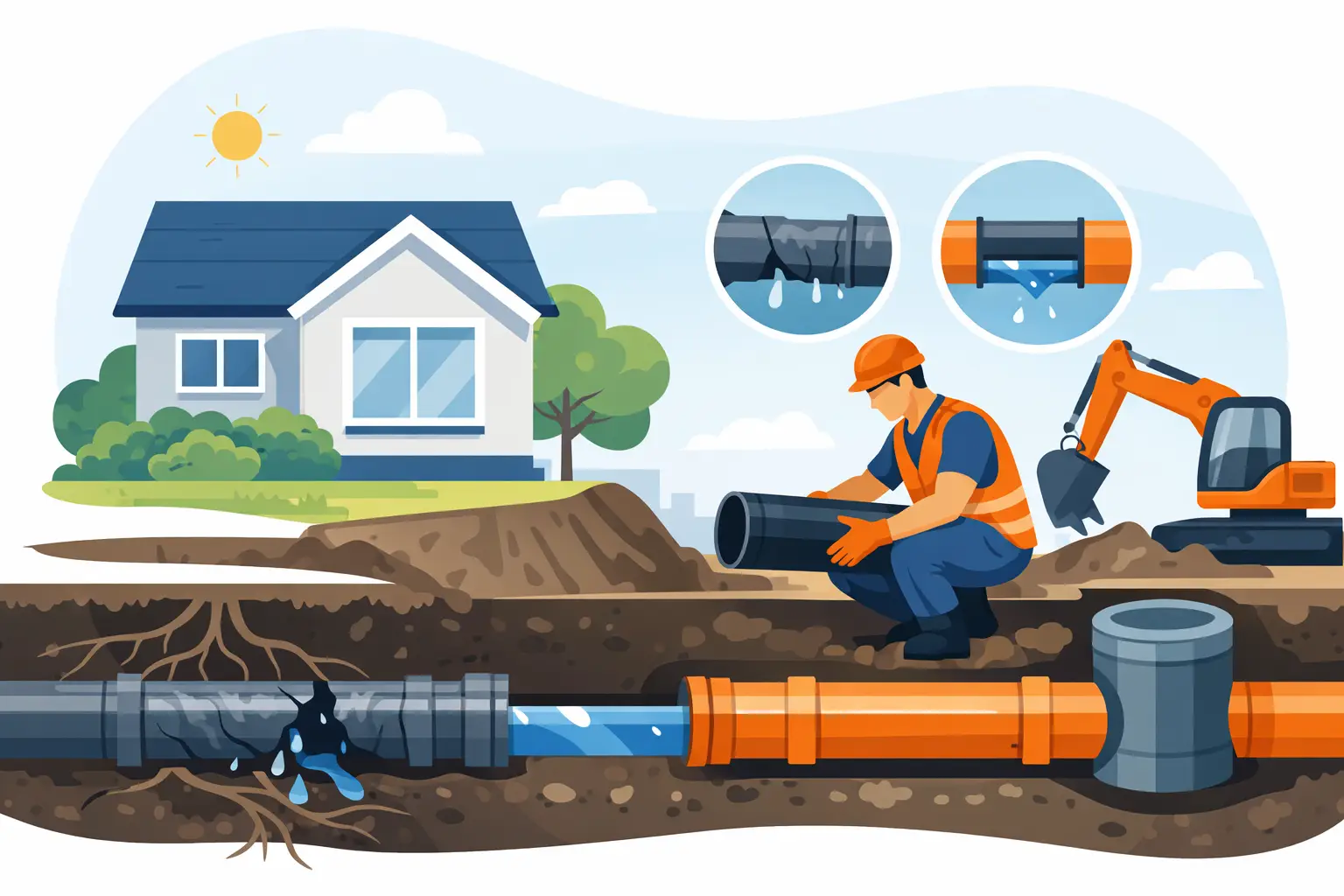
Slab leaks require extra care because the water lines are often below a concrete foundation. Breaking concrete before locating the leak can create more disruption than necessary. Professional testing helps determine whether a slab leak is likely and where the affected line may be located.
The best repair approach depends on the condition of the pipe, the location of the damage, and the overall plumbing system. In some cases, a targeted repair is appropriate. If the piping is aging, has multiple weak areas, or has a history of leaks, rerouting or replacing a section of line may be a better long-term investment.
There is no one-size-fits-all answer. The least expensive repair today is not always the most affordable option over the next few years. An honest plumber should explain the findings, discuss the available options, and provide clear upfront pricing before work begins.
Detecting Leaks Behind Walls and Ceilings
Water stains on a ceiling do not always mean the leak is directly above the stain. Water can travel along framing, pipes, or insulation before it becomes visible. That is why opening a wall based only on the stain can lead to unnecessary repairs.
A careful inspection helps trace the issue to its source. It may be a supply line, drain line, shower valve, toilet connection, roof-related moisture, or even condensation from an HVAC component. Plumbing leak detection focuses on confirming whether the plumbing system is responsible before repair decisions are made.
What Happens After the Leak Is Found?
Finding the leak is only the first part of protecting your property. Once the source is confirmed, the next step is to stop the water and repair the affected plumbing correctly. This may involve repairing a pipe, replacing a worn valve, addressing a damaged water line, or correcting an issue with a fixture or drain connection.
After the plumbing repair, damaged materials may need attention. Drywall, flooring, cabinets, insulation, and baseboards should be assessed for moisture damage. If water has been present for an extended period, proper drying is important to reduce the risk of mold and lingering odors.
For a rental property or commercial space, documentation can also be helpful. Property managers may need a clear record of the plumbing issue, repair work, and recommended next steps for owners, tenants, or maintenance files.
When to Call for Help Instead of Waiting
A small drip from an exposed pipe may be manageable for a short time if you can shut off the water and arrange service promptly. Hidden leaks are different. If you suspect water under a slab, behind a wall, in a ceiling, or beneath a property, delaying can increase the repair scope.
Call a professional promptly if you see ceiling stains getting larger, flooring that feels warm or soft, water pooling near the foundation, persistent mildew odors, or a sudden increase in your water bill. If a pipe has burst or active water is entering the home or business, shut off the main water supply if it is safe to do so and seek emergency plumbing help.
Avoid using temporary fixes as a long-term plan. Sealants, tape, and repeated patching may hide the symptom while the underlying pipe continues to fail. A proper diagnosis protects both the plumbing system and the parts of your property that water can damage.
Choose a Plumber Who Explains the Findings Clearly
Leak detection requires technical skill, but customer service matters just as much. You should know what the plumber found, why a repair is recommended, what alternatives are available, and what the price includes. Clear communication is especially valuable when the leak is hidden and the repair may involve decisions about walls, floors, concrete, or replacement piping.
At El Plomero Latino Inc., our goal is to give Central Florida customers dependable answers, flat-rate upfront pricing, and respectful service in their home or business. We believe the job should be done right the first time, with workmanship you can feel confident about.
If something about your water bill, flooring, walls, or meter does not add up, trust that concern. Acting early can protect your property, reduce wasted water, and turn an unknown plumbing problem into a clear plan for repair.