
A burst pipe, sewer backup, or failed water heater can make anyone want the fastest available repair. But before a technician starts work in your home, restaurant, rental property, or commercial building, take a few minutes to use this licensed insured plumber checklist. The right questions protect your property, clarify what to expect, and help you choose a plumbing partner you can call again with confidence.
In Central Florida, plumbing problems can range from a simple dripping faucet to a damaged underground sewer line. The scope matters. So does the professional handling it. A qualified plumber should be ready to explain their credentials, the recommended repair, and how they will respect your property throughout the job.
Why Licensing and Insurance Should Come First
Plumbing affects clean water, wastewater, gas connections in some properties, drainage systems, and the structure around them. A poor repair can create water damage, sanitation concerns, mold conditions, or repeat failures that cost more time and disruption later.
A license helps show that a contractor has met state requirements for the work they perform. Insurance helps protect against certain losses if an accident or property damage occurs during the job. Neither item alone tells you everything about a company, but together they are a necessary starting point.
This is especially relevant when the work goes beyond a small fixture adjustment. Sewer line repairs, water line replacements, hydrojetting, water heater installation, leak detection, and commercial plumbing projects may involve permits, specialized equipment, and a clear understanding of local codes. Do not assume every plumbing company is equipped or authorized for every type of work.
Licensed Insured Plumber Checklist: What to Confirm
Use this checklist before authorizing significant work. For an emergency, you may need to move quickly, but a dependable company should still be able to answer these questions clearly.
- Ask for the contractor’s license information. Confirm that the license is current and appropriate for the proposed plumbing work. If permits are needed, ask who will obtain them and how inspections will be handled.
- Verify insurance coverage. Ask whether the company carries general liability insurance and how its team is covered while working at your property. This is a reasonable question, not an accusation. Professional contractors expect it.
- Confirm the company name matches the paperwork. The name on the vehicle, work authorization, license information, and insurance documentation should make sense together. If something appears inconsistent, pause and ask for clarification.
- Request a written scope of work. You should understand the issue being addressed, the recommended solution, what areas will be accessed, and whether additional repairs could become necessary after the system is opened or inspected.
- Ask about workmanship warranties. A warranty should be explained in plain language. Find out what work is covered, for how long, and what actions may affect coverage.
- Discuss protection for your home or business. Ask how the crew will protect floors, work areas, landscaping, inventory, or customer spaces. For a restaurant, condo association, or retail location, also ask how service interruptions will be managed.
- Know who to contact after the repair. You should leave the appointment with a clear point of contact if you have questions or notice a concern after the work is complete.
A company that answers these questions directly is showing more than technical knowledge. It is showing respect for the customer and the responsibility that comes with working on an occupied property.
Look Beyond a License Number
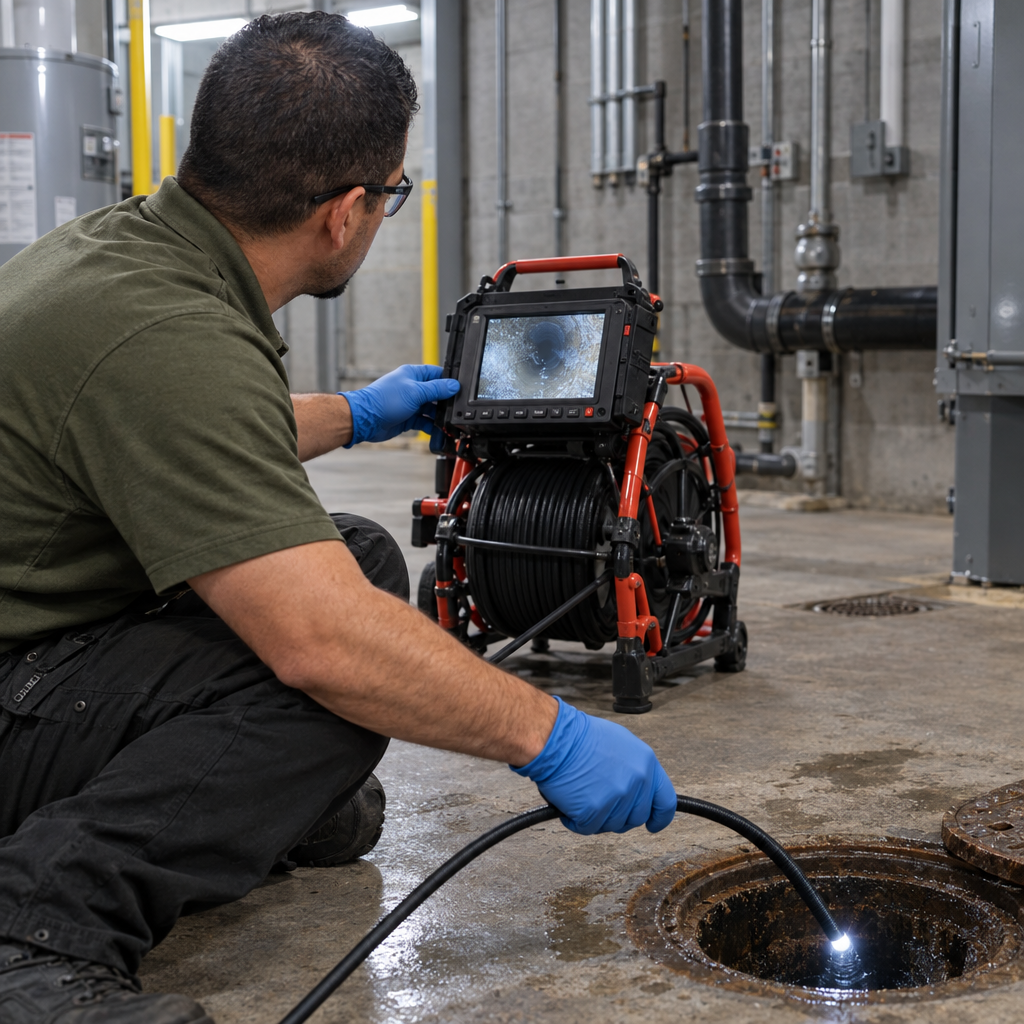
Credentials matter, but service quality is also revealed in the conversation before work begins. Pay attention to whether the plumber listens carefully to the problem instead of jumping immediately to one solution. A recurring drain clog, for example, may need more than basic drain cleaning. It could call for a sewer camera inspection to identify roots, buildup, a damaged pipe, or a pipe belly.
The same applies to leaks. A visible ceiling stain does not always identify the source of the water. The issue could come from a supply line, drain line, roof penetration, appliance connection, or plumbing fixture above the affected area. A careful plumber explains how the source will be identified before recommending repairs.
Ask what findings support the recommendation. When appropriate, camera footage, testing results, photos, or a walkthrough can make a complicated repair easier to understand. You do not need to become a plumbing expert. You do deserve enough information to make an informed decision.
Communication Is a Safety and Service Issue
Clear communication prevents surprises. Before work starts, make sure you understand whether water will need to be shut off, which rooms may be affected, how long the system may be unavailable, and whether access to walls, ceilings, cleanouts, or exterior areas is needed.
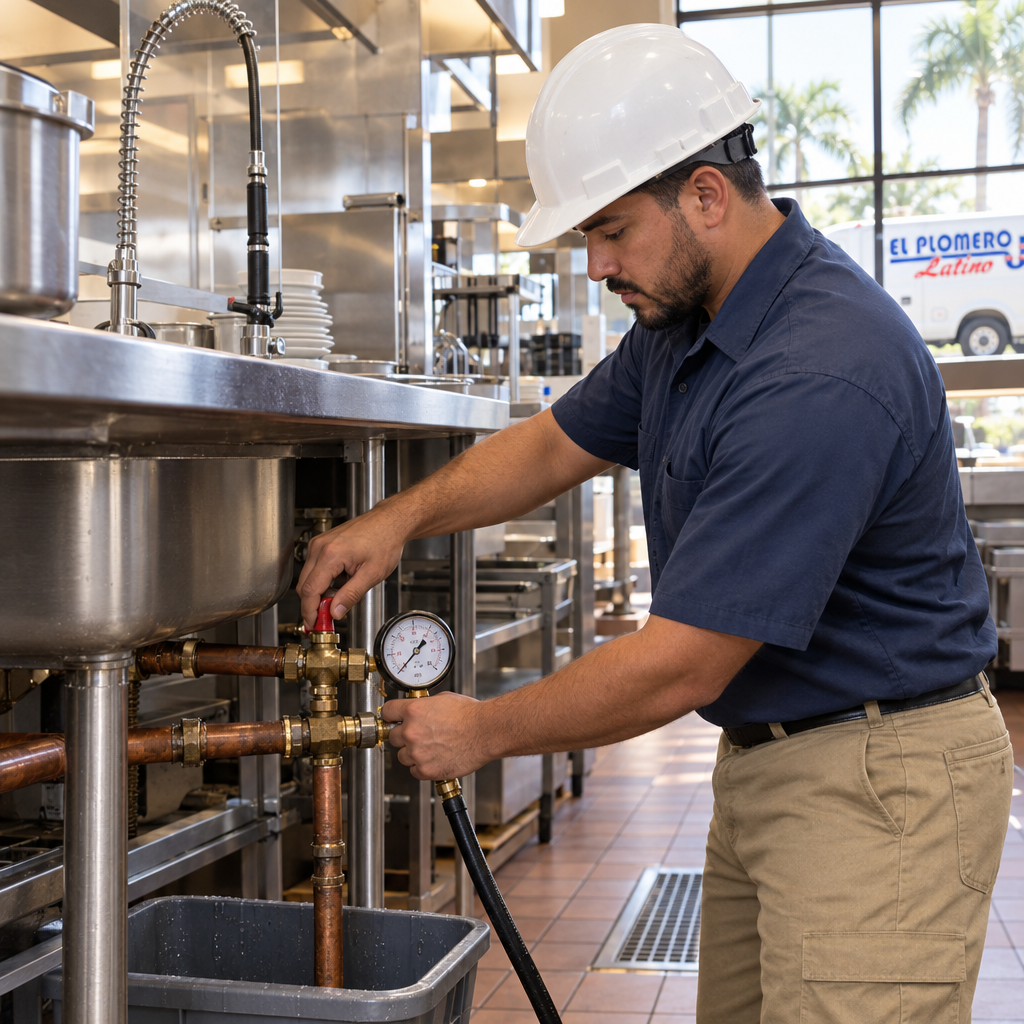
For property managers and commercial operators, communication should also include tenant notices, business-hour considerations, access procedures, and cleanup expectations. A sewer repair at a condominium or restaurant requires planning that is different from replacing a toilet in a single-family home.
If Spanish is more comfortable for you or a member of your household, choose a company that can explain the work clearly in Spanish. Misunderstandings about access, repair options, or warranty coverage are less likely when everyone can communicate comfortably.
Questions to Ask for Common Plumbing Jobs
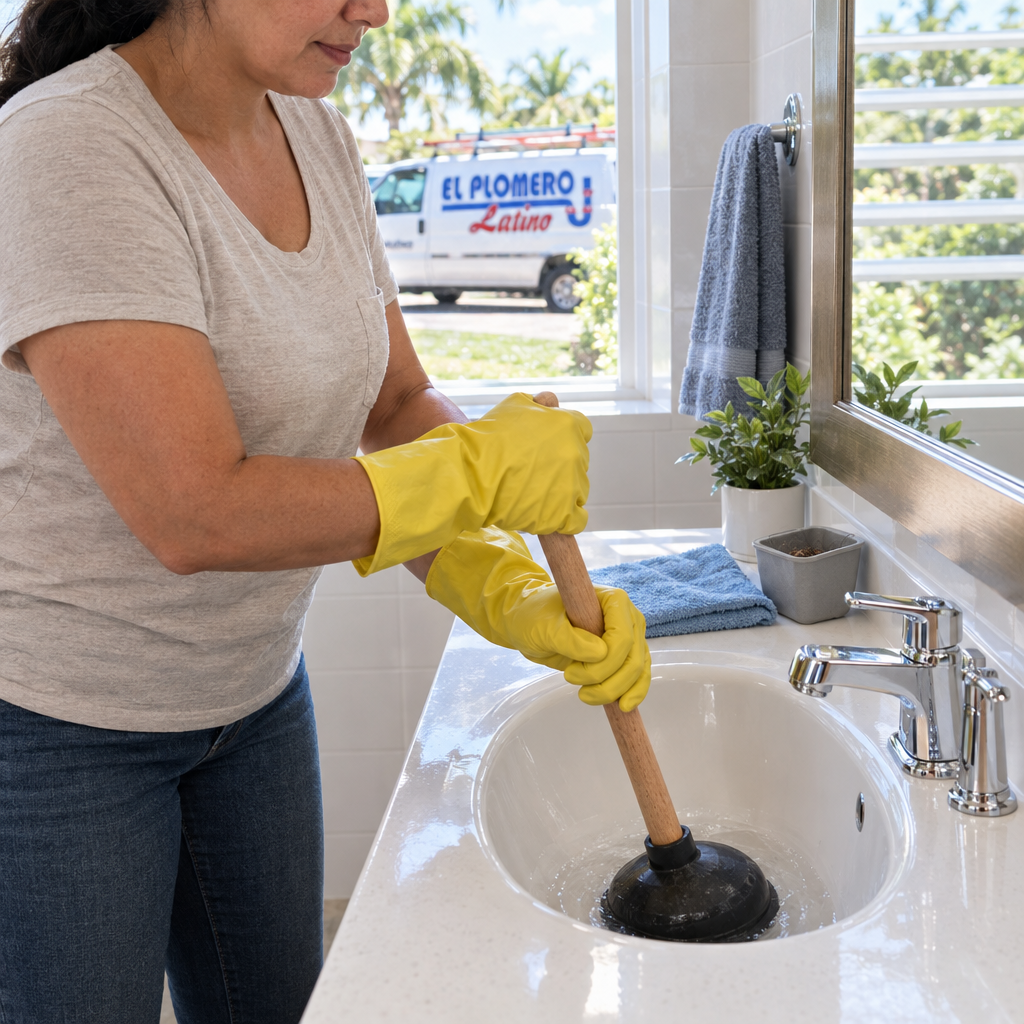
The best questions depend on the type of problem. For drain cleaning, ask whether the plumber suspects a simple localized clog or a larger line issue. If clogs return, ask whether a camera inspection is recommended before repeating the same service.
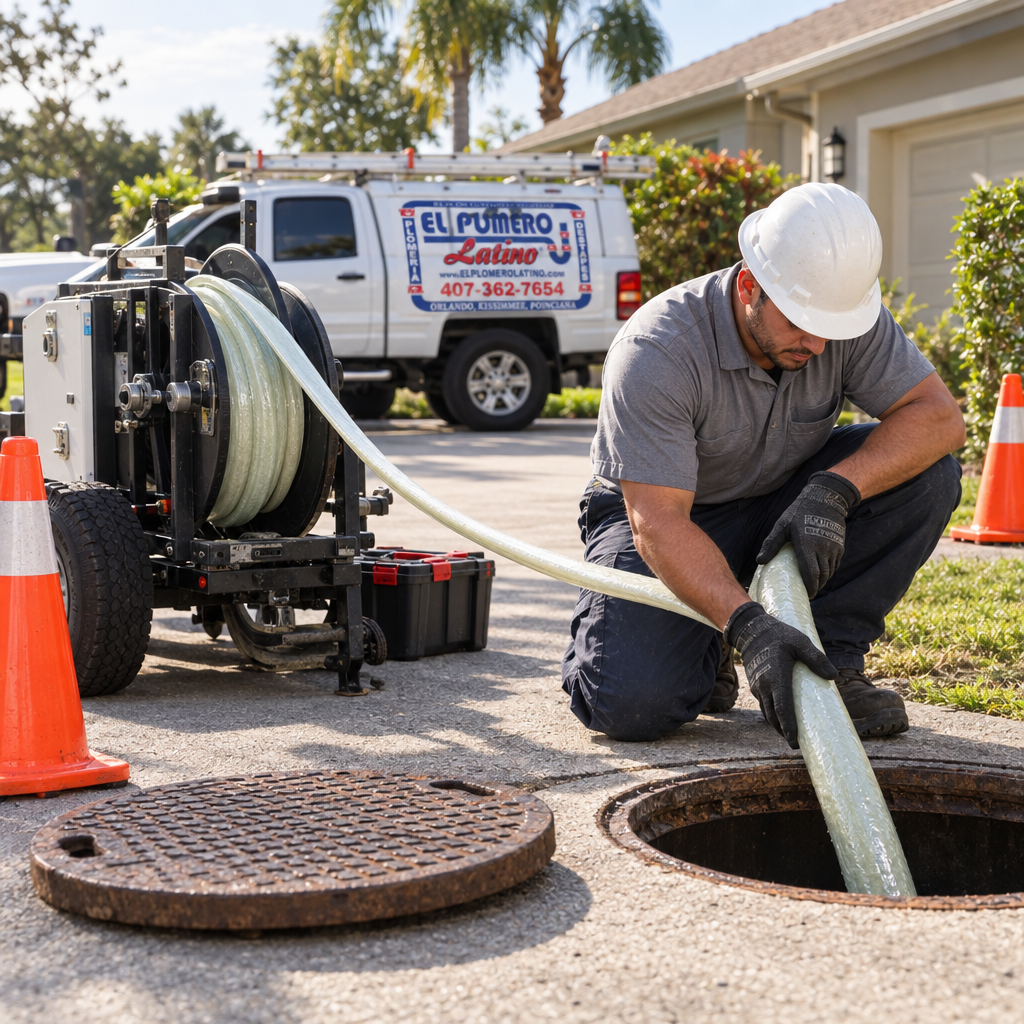
For sewer or water line work, ask where the line is located, what method will be used to diagnose the problem, whether permits may be required, and how affected landscaping, concrete, or interior finishes will be addressed. Some situations call for repair, while others may justify replacement. The right answer depends on pipe condition, location, age, and the extent of damage.
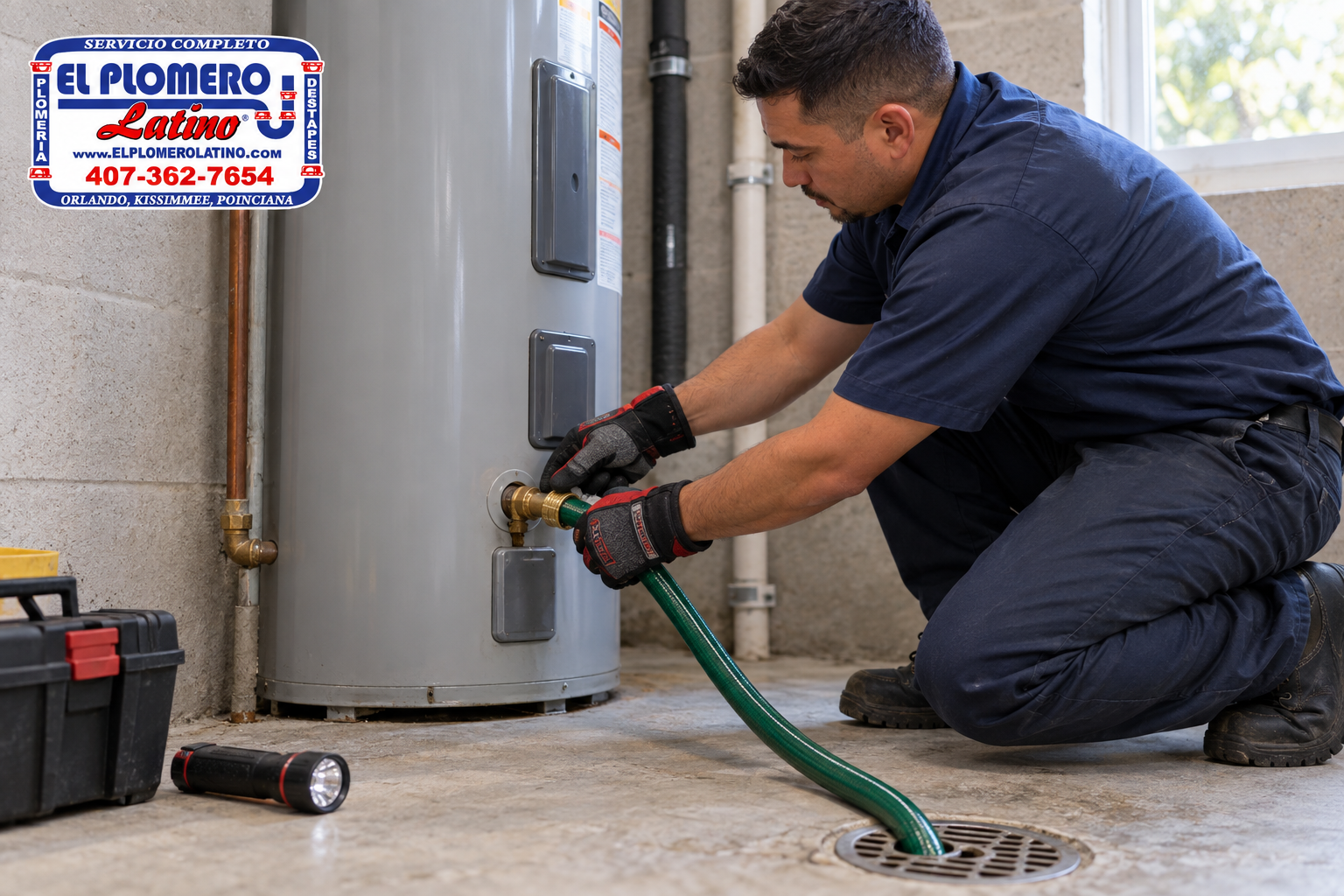
For water heater service, ask whether the issue involves the unit itself, a valve, a venting component, an electrical connection, or a supply line. If replacement is recommended, make sure the plumber explains capacity, installation requirements, and any changes needed to bring the work up to code.
For leak detection, ask how the technician plans to isolate the source before opening walls or floors. In some cases, visible evidence points to the problem quickly. In others, diagnostic testing can prevent unnecessary damage and help target the repair.
Warning Signs Worth Taking Seriously
Trust your instincts when a company avoids basic questions or pressures you to approve work you do not understand. A professional should not be offended when you ask about licensing, insurance, repair methods, or warranties.
Be cautious if someone cannot provide a business identity that you can verify, gives only vague explanations of the problem, refuses to put the planned work in writing, or dismisses the need for permits without explaining why. Another concern is a contractor who promises a permanent solution without inspecting the portion of the system that is likely causing the problem.
Not every repair requires the same level of investigation. A straightforward toilet fill valve replacement is different from diagnosing a recurring sewer backup. The key is that the approach should match the risk and complexity of the problem.
Keep a Record After the Work Is Complete
Save your service documents, warranty information, photos, and any permit records in one place. This is useful if the issue returns, if you sell the property, or if a future plumber needs to understand past repairs. For commercial properties, maintenance records can also help identify repeat trouble spots before they cause a disruptive shutdown.
Before the technician leaves, walk through the completed work if possible. Confirm that fixtures operate correctly, work areas are clean, and you know what normal operation should look like afterward. If you notice a concern later, report it promptly so the company has an opportunity to address it.
At El Plomero Latino Inc., we believe dependable plumbing service starts with honest answers, respectful work, and a commitment to doing the job right the first time. Whether the need is urgent or planned, choosing a licensed and insured professional gives you a stronger foundation for protecting the place you call home or the business you work hard to run.