

A slow drain can feel like a small inconvenience until it becomes a toilet backup, wastewater on the floor, or a closure for your business. A guide to sewer camera inspections helps take the guesswork out of that situation. Instead of making assumptions about a pipe hidden beneath your home, slab, parking area, or landscaping, a licensed plumber can inspect the inside of the line and show you what is actually happening.
For homeowners and businesses in the Orlando area, this can be especially valuable. Central Florida properties may face root intrusion, aging pipes, heavy use, shifting soil, and buildup that develops gradually out of sight. A camera inspection provides real information before you commit to a repair, replacement, or repeated drain-cleaning service.
What Is a Sewer Camera Inspection?
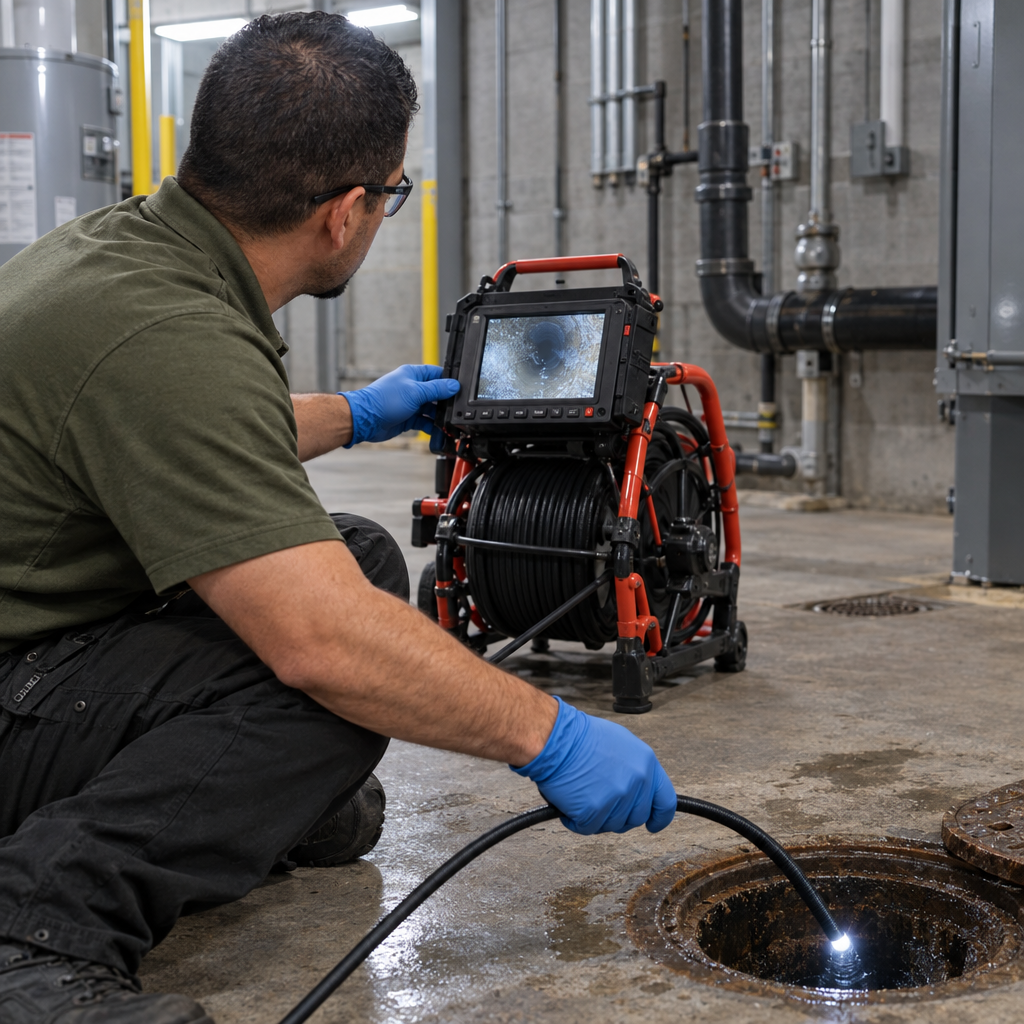
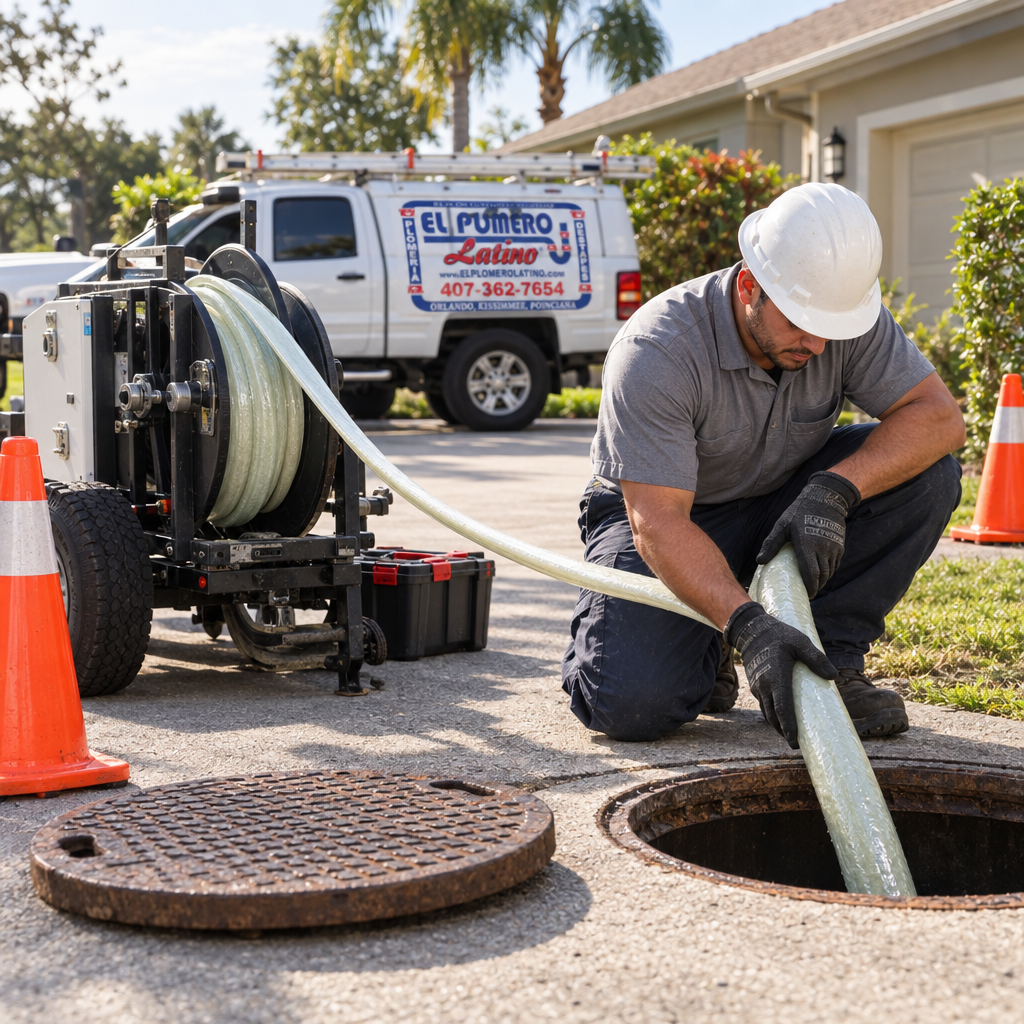
A sewer camera inspection uses a small, waterproof video camera attached to a flexible cable. A plumber feeds the camera through an accessible drain or cleanout and guides it through the sewer line. The live video lets the plumber view the pipe’s condition, identify the location of a problem, and determine what type of service makes sense.
The process is noninvasive. In many cases, there is no need to dig up a yard or break through flooring just to locate a blockage or damaged section of pipe. The camera is designed to travel through the line while transmitting a clear view of the pipe interior.
Depending on the equipment and the line’s layout, the technician may also use a locating device above ground. This helps pinpoint the camera’s position and depth, which is useful if a repair is needed later. Accurate locating can reduce unnecessary excavation and help protect your property from avoidable disruption.
When a Sewer Camera Inspection Makes Sense
A camera inspection is not necessary for every single clogged sink. A simple, isolated clog near one fixture may only need standard drain cleaning. But when the problem keeps returning, affects multiple drains, or points to the main sewer line, an inspection is often the smart next step.
Consider scheduling an inspection when you notice recurring backups, gurgling toilets, slow drains throughout the property, sewage odors, or water appearing around a floor drain. These signs can indicate a blockage farther down the line, a pipe break, root intrusion, or a drainage issue that basic plunging will not solve.
It is also useful before purchasing an older home, after a major backup, or before investing in a substantial sewer repair. For property managers, restaurants, and commercial facilities, a camera inspection can be part of a practical maintenance plan. A busy kitchen, multi-unit building, or restroom-heavy business puts more demand on drain and sewer systems, so catching a developing issue early can help prevent costly downtime.
What the Camera Can Reveal
The value of a camera inspection comes from seeing the condition of the pipe rather than treating symptoms alone. Common findings include grease accumulation, wipes and foreign objects, root growth, scale buildup, cracked pipe, separated joints, corrosion, sagging sections, and collapsed areas.
Blockages and buildup
Grease, soap residue, food waste, paper products, and other debris can narrow a pipe over time. This is especially common in kitchen lines and commercial properties with regular food service. A camera helps distinguish between a temporary obstruction and a line that needs more thorough cleaning, such as hydrojetting.
Tree roots in the sewer line
Roots naturally seek moisture. Even a small opening at a pipe joint can attract roots, which then grow inside the line and catch debris. Root intrusion may cause repeated backups even after a drain is cleared. The camera shows whether roots are light and manageable with cleaning or whether the pipe has enough damage to require repair.
Cracks, breaks, and shifting pipes
Older sewer lines can crack, corrode, shift, or separate over time. A broken section may allow soil to enter the line or wastewater to escape. A belly, sometimes called a sag, occurs when a section of pipe settles and holds water and debris. These issues cannot always be resolved by cleaning alone, and video evidence helps determine the appropriate repair.
What Happens During the Visit
A professional inspection usually begins with a conversation about what you have noticed. Be ready to explain which fixtures are affected, when the problem began, whether there has been a recent backup, and what services have already been tried. Those details help the plumber choose the best access point and evaluate the footage in context.
The technician will locate a suitable cleanout or drain opening, feed the camera into the line, and watch the live feed as it moves through the pipe. If the line is heavily blocked, cleaning may need to happen first. A camera cannot see through standing wastewater or dense debris, so drain cleaning and inspection are sometimes completed together.
As the camera travels, the plumber looks for the pipe material, condition, blockage type, and distance to any issue found. A reliable plumber should explain the findings in plain language. You should know what was found, where it is located, what could happen if it is left alone, and what your realistic options are.
At El Plomero Latino Inc., that means focusing on clear recommendations and upfront communication, not pressuring you into work that does not fit the condition of your line. Some problems need prompt repair. Others can be monitored or maintained with scheduled cleaning. The right answer depends on the video findings, the age of the pipe, your property’s use, and your budget.
A Guide to Sewer Camera Inspections: Understanding the Results
A camera inspection is powerful, but it does not automatically mean that a sewer line must be replaced. This is where an experienced assessment matters. Light buildup, for example, may be resolved with professional drain cleaning or hydrojetting. Roots may be cut and cleared, though ongoing maintenance could be recommended if the pipe joints remain vulnerable.
A cracked, offset, or collapsed pipe is different. If wastewater cannot flow reliably or the pipe has structural damage, repair or replacement may be the safer long-term option. In some cases, repairing one damaged area is enough. In others, widespread deterioration makes repeated spot repairs less practical than replacing the line.
Ask your plumber to walk you through the trade-offs. A lower-cost cleaning can restore flow today, but it may not solve a damaged pipe that will continue to catch debris. A larger repair costs more upfront, yet it may reduce the risk of repeat backups and emergency calls. Clear video findings make that decision more informed.
How to Prepare for an Inspection
Most customers do not need to do much preparation. Keep the area around known cleanouts, utility rooms, or plumbing access points as clear as possible. If you are a business owner or facility manager, let the technician know about restricted areas, kitchen operations, tenant access, or any timing concerns.
Avoid using large amounts of water while the inspection is underway unless the plumber asks you to run a fixture. Laundry, dishwashers, showers, and flushing toilets can send water through the line and affect the camera view. If there has been a sewage backup, keep people and pets away from the affected area until it has been evaluated and cleaned safely.
For an older property, share any available information about past repairs, previous inspections, or the age of the sewer line. Even incomplete records can help. A plumber can compare the history with current findings and give you a clearer picture of whether you are dealing with a new issue or a recurring one.
Why Documentation Matters for Homes and Businesses
Video documentation can be useful beyond the immediate service call. For homeowners, it can support repair decisions, provide a record for future maintenance, and offer valuable information during a real estate transaction. For commercial customers, documentation can help explain a repair need to owners, boards, tenants, or operations teams.
It also creates accountability. You should not have to approve major sewer work based on vague descriptions alone. Seeing the condition of the pipe and receiving a straightforward explanation helps you understand what you are paying for and why it is recommended.
A sewer camera inspection cannot prevent every plumbing emergency, but it can replace uncertainty with a clear path forward. When drains start sending warning signs, addressing them early is often the most practical way to protect your property, your schedule, and your peace of mind.