A backed-up sewer line can make any homeowner want the strongest solution available. But can hydro jetting damage pipes? In the wrong situation, yes. High-pressure water can worsen an already failing pipe, especially one with cracks, severe corrosion, loose joints, or weak materials. When the line is in sound condition and the work is performed by a trained plumber, hydro jetting is often one of the safest and most effective ways to clear heavy buildup.
The key is not simply turning up the pressure. Safe hydro jetting starts with understanding what is inside the line and what shape the pipe is in.
What Hydro Jetting Does to a Drain Line
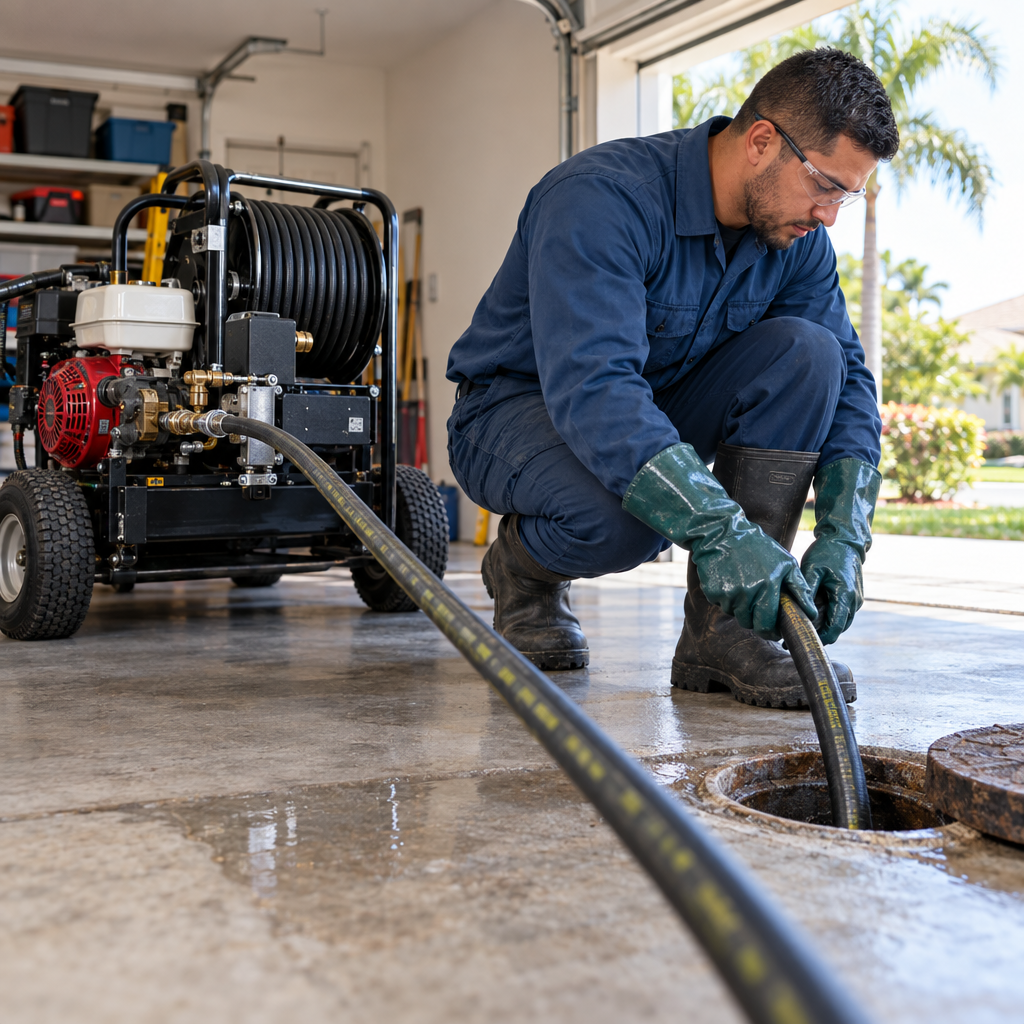
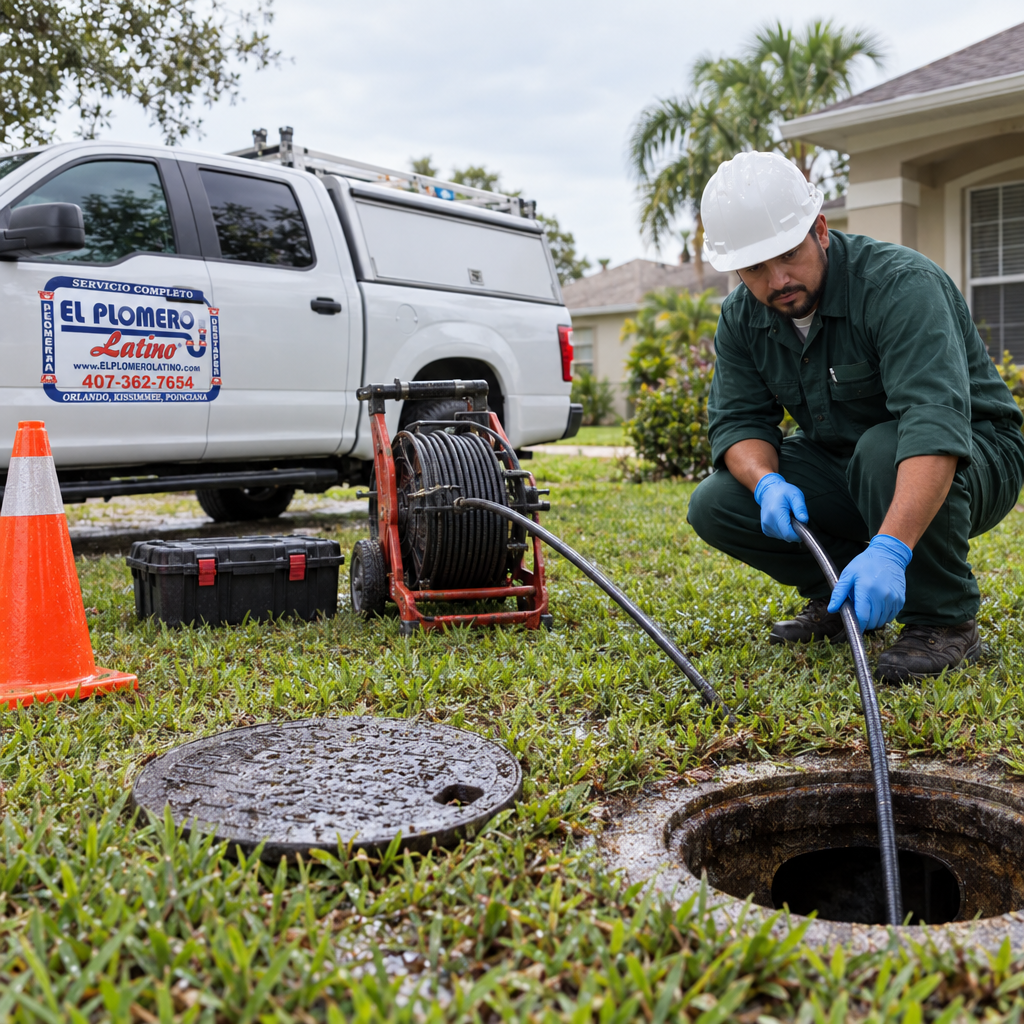
Hydro jetting uses a specialized hose and nozzle to send pressurized water through a drain or sewer line. The nozzle directs water forward to break through a blockage and backward to scrub the pipe walls as the hose moves through the line.
Unlike a basic drain cable, which may create a narrow opening through a clog, hydro jetting can remove grease, soap residue, sludge, scale, food waste, mineral deposits, and many tree-root intrusions. That thorough cleaning is why it is often a strong option for recurring kitchen drain clogs, restaurant grease lines, and main sewer line backups.
Pressure alone does not make the service risky. Professional equipment is matched to the pipe size, material, blockage, and condition. A technician also controls the nozzle, water flow, and working pressure rather than treating every drain line the same.
Can Hydro Jetting Damage Pipes That Are Already Weak?
Hydro jetting does not normally break a healthy pipe. However, it can expose or aggravate problems that were already present. A line that is badly deteriorated may be close to failure before any cleaning begins.
Older cast-iron pipes are a common example. Over time, cast iron can corrode from the inside, leaving rough surfaces, scaling, thin pipe walls, and hidden weak spots. Clay sewer pipes can crack, shift, or separate at their joints. Orangeburg pipe, a fiber-based material used in some older properties, can deform and deteriorate with age. PVC is generally durable, but it can still be damaged by poor installation, movement, previous repairs, or heavy impact.
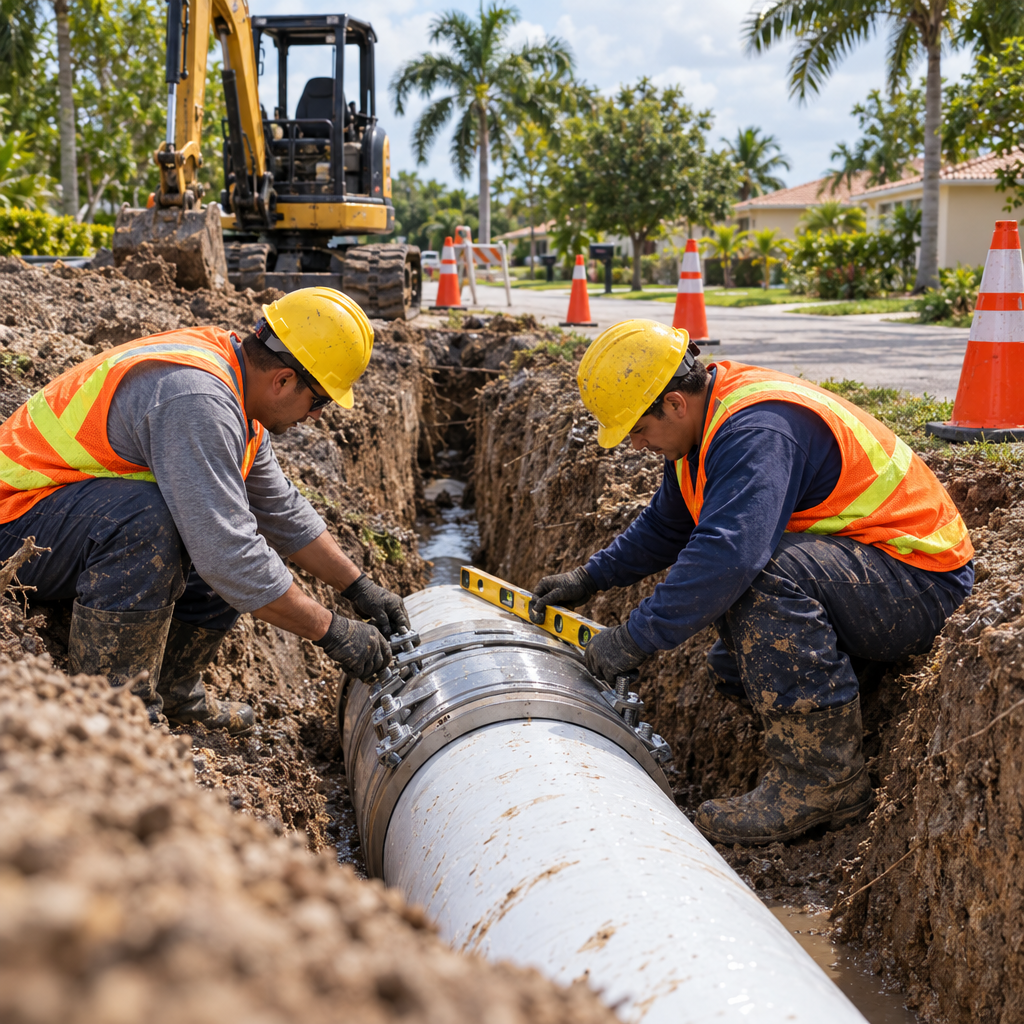
If a pipe has a major crack or an open joint, water from hydro jetting may escape into the surrounding soil. If the line has collapsed, jetting cannot restore its structure. In those cases, cleaning may provide little benefit and repair or replacement may be the honest recommendation.
That does not mean a plumber caused every failure discovered after jetting. Sometimes the cleaning removes packed debris that had been temporarily holding together a pipe that was already compromised. It can feel sudden, but the underlying issue was there first. A clear diagnosis helps prevent surprises and supports the right repair decision.
Why a Sewer Camera Inspection Should Come First
For a main sewer line, a camera inspection is one of the most valuable steps before hydro jetting. A small waterproof camera is guided through the line to show the plumber what is causing the blockage and whether the pipe can handle thorough cleaning.
The inspection can reveal root intrusion, grease buildup, crushed sections, offset joints, corrosion, bellies in the line, and existing cracks. It also helps locate the problem accurately, so the plumber is not guessing from above ground.
A camera inspection is particularly wise when a property has recurring backups, slow drains in several fixtures, a history of root problems, or an older sewer line. It is also helpful after a recent home purchase, since the visible plumbing fixtures rarely tell the full story of the underground sewer system.
For Central Florida properties, soil movement, mature landscaping, and older infrastructure can all affect buried pipes. A camera allows the service plan to match the actual condition of the line, whether that means hydro jetting, a targeted repair, or replacement of a damaged section.
When Hydro Jetting Is a Good Choice
Hydro jetting is often a practical solution when a drain line is structurally sound but heavily restricted by buildup. In a home, it may be recommended for a kitchen line that repeatedly clogs with grease and food residue, or a main sewer line with roots that have entered through small joints.
For businesses, especially restaurants and commercial kitchens, hydro jetting can be part of preventive maintenance. Grease does not disappear because water flows through a pipe. It coats the line over time, catches food particles, and gradually reduces drainage. Regular professional cleaning can help prevent a messy backup during business hours.
It is also useful after a drain cable clears an immediate blockage but leaves heavy residue along the pipe walls. In that situation, jetting can clean more completely and may extend the time between service calls.
Still, it depends on the diagnosis. A one-time clog caused by a small object may not require hydro jetting. A broken pipe needs repair, not more cleaning. Good plumbing service should fit the problem instead of selling the biggest service for every call.
Warning Signs That Call for Extra Caution
A professional should evaluate the line carefully before hydro jetting if you notice sewer odors around the property, wet or unusually green patches in the yard, frequent backups, gurgling from multiple drains, or wastewater appearing at a cleanout. These symptoms can point to a damaged or obstructed main sewer line.
Age matters, too. If your home has original plumbing from several decades ago and you do not know the pipe material or repair history, ask for a camera inspection before approving high-pressure cleaning. The same applies to a property that has had repeated root removal or prior sewer repairs.
Be cautious of any service provider who offers to hydro jet a main line without first asking questions about your symptoms, the age of the plumbing, and prior issues. In some straightforward situations, an inspection may not be necessary. But when there is a meaningful chance of pipe damage, seeing inside the line is the responsible approach.
Professional Hydro Jetting Is Not a DIY Project
Consumer pressure washers are not designed to diagnose or clean sewer lines safely. Improper hoses, nozzles, or pressure settings can damage plumbing, force wastewater back into the property, or create a serious injury risk.
Professional hydro jetting equipment is only one part of the job. The technician also needs access to the proper cleanout, knowledge of drain layout, and the ability to recognize when the line should not be jetted. If roots are too severe, the pipe is collapsed, or the camera shows significant deterioration, continuing can waste your money and delay the repair you actually need.
A qualified plumber should explain what was found, what hydro jetting can reasonably accomplish, and what risks are present. You deserve straightforward answers and upfront pricing before work begins, not pressure or vague promises.
How to Protect Your Pipes After Cleaning
Hydro jetting can restore flow, but it cannot stop every future clog. In kitchens, avoid sending cooking grease, coffee grounds, large food scraps, and fibrous materials down the drain. In bathrooms, use strainers to catch hair and keep wipes, paper towels, and hygiene products out of the toilet, even when a package says flushable.
For commercial kitchens, grease management and scheduled drain maintenance are far less disruptive than waiting for a backup. Properties with recurring root intrusion may need a long-term repair plan rather than repeated emergency cleanings.
If a camera inspection finds a sound line after hydro jetting, keep the footage or written findings with your property records. It can be useful for future maintenance planning and gives you a clearer baseline if problems return.
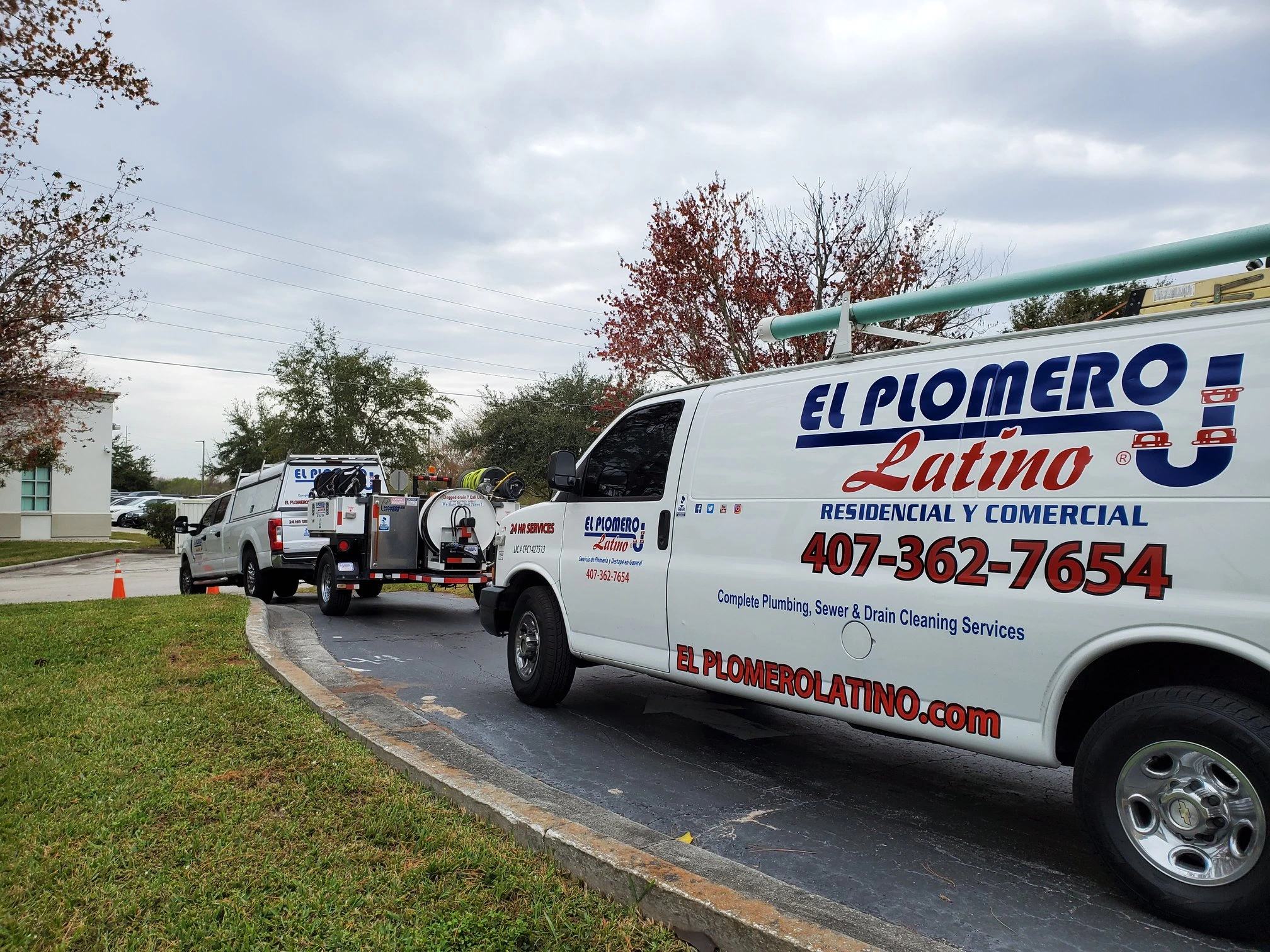
A clean drain should bring peace of mind, not a new worry. If you are dealing with recurring backups or an older sewer line in the Orlando area, El Plomero Latino Inc. can inspect the problem first and recommend the service that protects your plumbing and your property.