

A slow drain can feel like a small inconvenience until every toilet, shower, and sink in the building starts backing up. So, can tree roots damage sewers? Yes. Tree roots are one of the most common causes of sewer line blockages and pipe damage, particularly around older lines with joints, cracks, or worn connections.
Roots are naturally drawn to the moisture and nutrients inside sewer pipes. They do not usually break through a perfectly sound pipe on their own. Instead, they find tiny openings, weak joints, or existing cracks, then grow inside the line over time. What begins as a few fine roots can turn into a thick blockage that traps toilet paper, grease, debris, and wastewater.
How Tree Roots Get Into Sewer Pipes
A sewer line is not meant to leak, but no pipe lasts forever. Older clay, cast-iron, and concrete pipes can develop small gaps at their joints as the ground shifts. Even some plastic pipe connections can be affected if they were poorly installed or damaged by movement, construction, or settling soil.
Once roots sense a reliable source of water, they grow toward it. In Central Florida, trees and landscaping can grow quickly thanks to warm temperatures, frequent rain, and long growing seasons. A mature oak, palm, citrus tree, or ornamental tree planted near a sewer route may eventually become a problem if the pipe has a weak point.
The roots can enter through an opening smaller than most property owners would expect. After getting inside, they expand and branch out. This creates a net-like obstruction that catches solids moving through the pipe. Over time, the buildup can restrict flow enough to cause recurring clogs or a complete sewer backup.
Signs Tree Roots May Be Damaging Your Sewer
Tree root intrusion rarely announces itself all at once. Many customers notice a pattern first: a drain that clears temporarily, then slows down again a few weeks later. That repeat-clog cycle is a reason to look beyond a simple sink or toilet blockage.
Watch for several drains running slowly at the same time, gurgling sounds from toilets or tubs, water backing up into a shower when a toilet is flushed, or sewage odors near drains and outside areas. Unusually green, wet, or sunken patches in the yard may also point to a damaged underground sewer line.
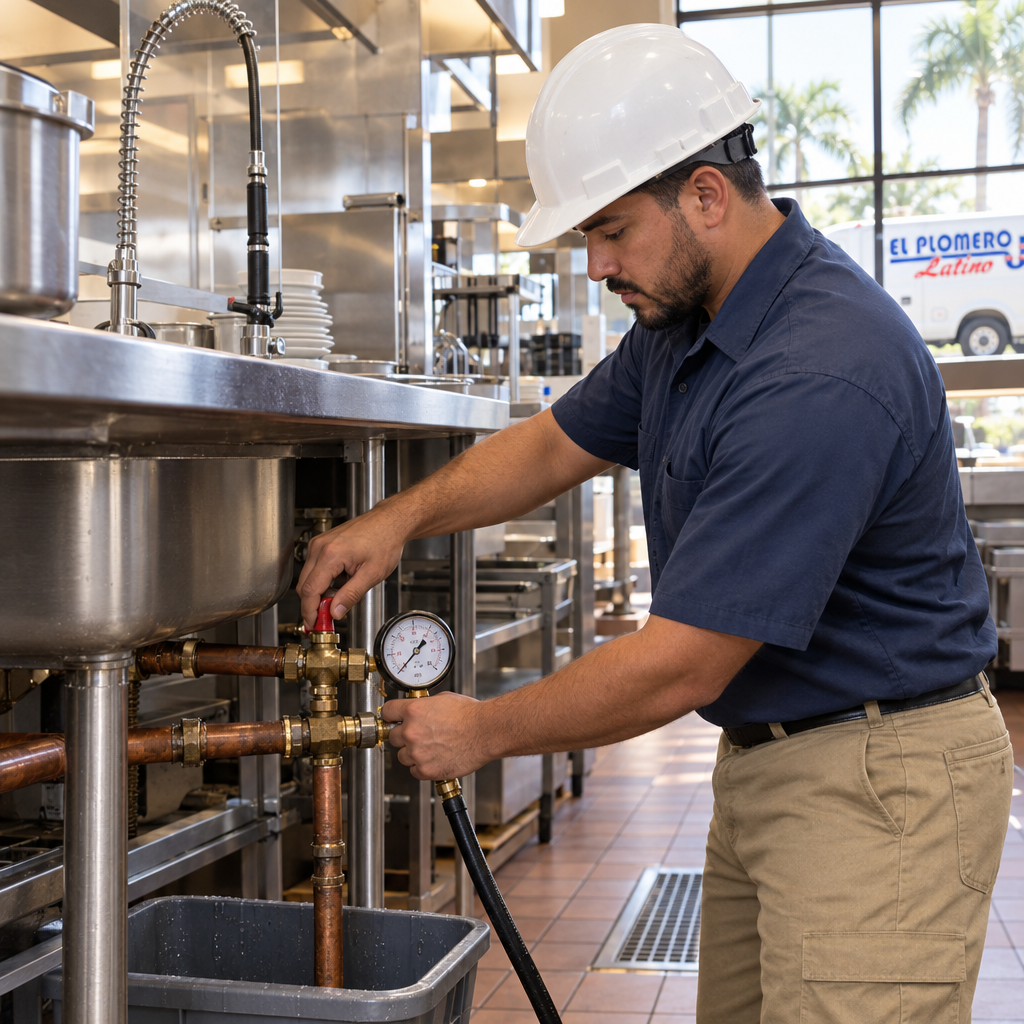
For commercial properties, the warning signs can show up as repeated restroom closures, floor drain backups, unpleasant odors, or interruptions to kitchen operations. Restaurants should take recurring sewer symptoms especially seriously, since grease and food debris can quickly collect on roots inside the line.
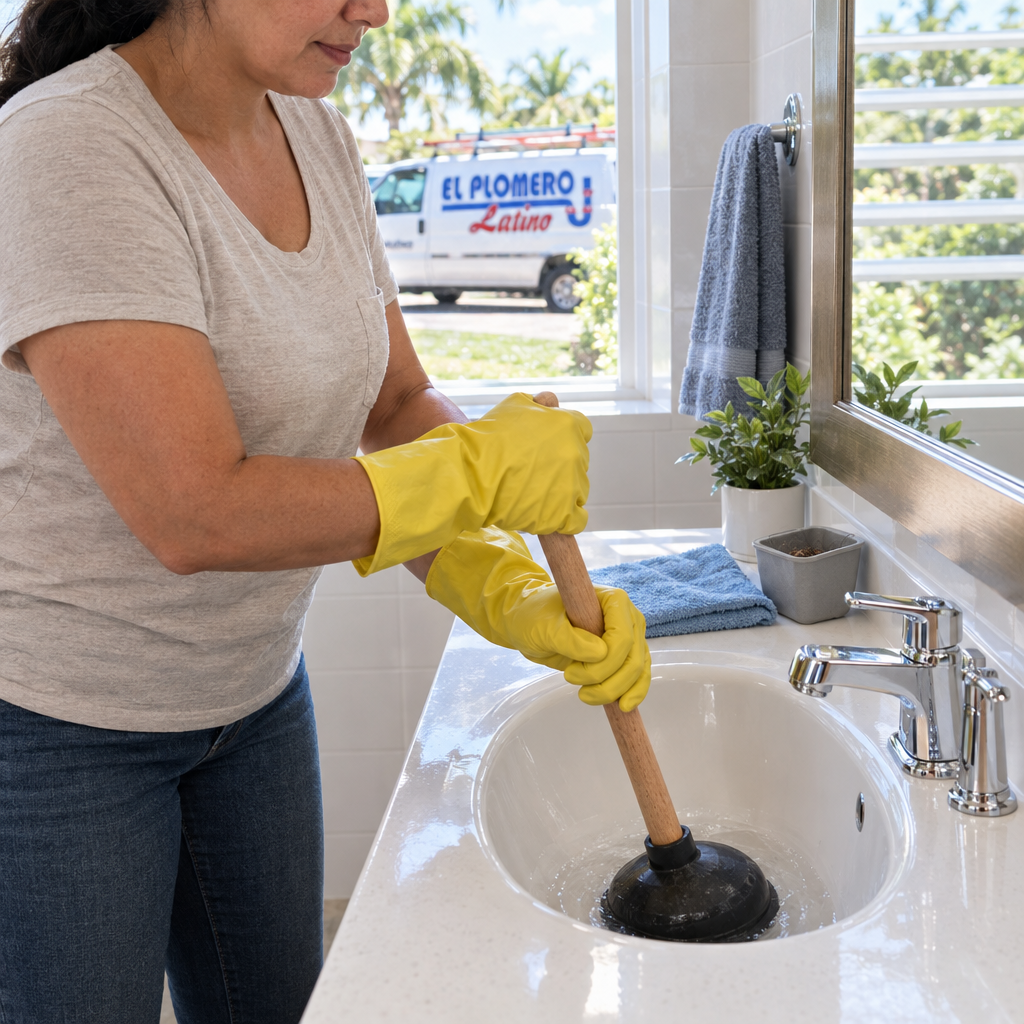
A single slow bathroom sink may be a local drain issue. But when multiple fixtures are affected, the blockage is often farther down the main sewer line. That is when a professional sewer camera inspection can provide clear answers without guessing or digging up the yard first.
Why Root Intrusion Gets Worse Over Time
Roots do more than cause a clog. As they grow, they can widen existing cracks and force pipe joints farther apart. The pipe may begin leaking wastewater into the surrounding soil, which can attract even more root growth. The ground around a leaking line may shift, leaving the pipe with less support and increasing the risk of a collapse.
There is also a practical cost issue. Clearing roots may restore flow, but it does not automatically repair the opening that allowed the roots inside. If the damaged section is left untreated, the roots can return. How quickly they return depends on the type of tree, the size of the opening, soil conditions, and how close the roots are to the sewer line.
That does not mean every root intrusion requires a full sewer replacement. A camera inspection helps determine whether the pipe is structurally sound, lightly invaded, cracked, offset, or severely deteriorated. The right repair should match the actual condition of the line, not just the immediate clog.
How Professionals Diagnose Root Damage
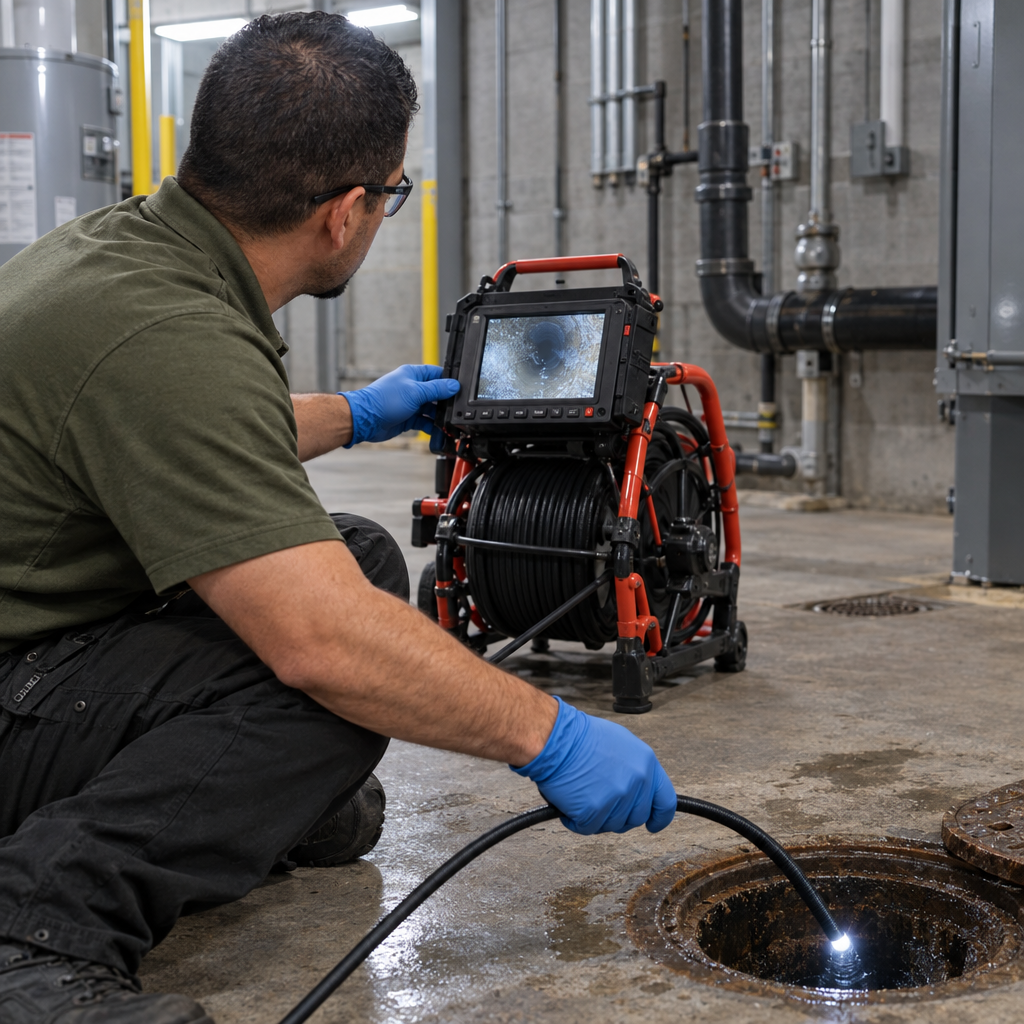
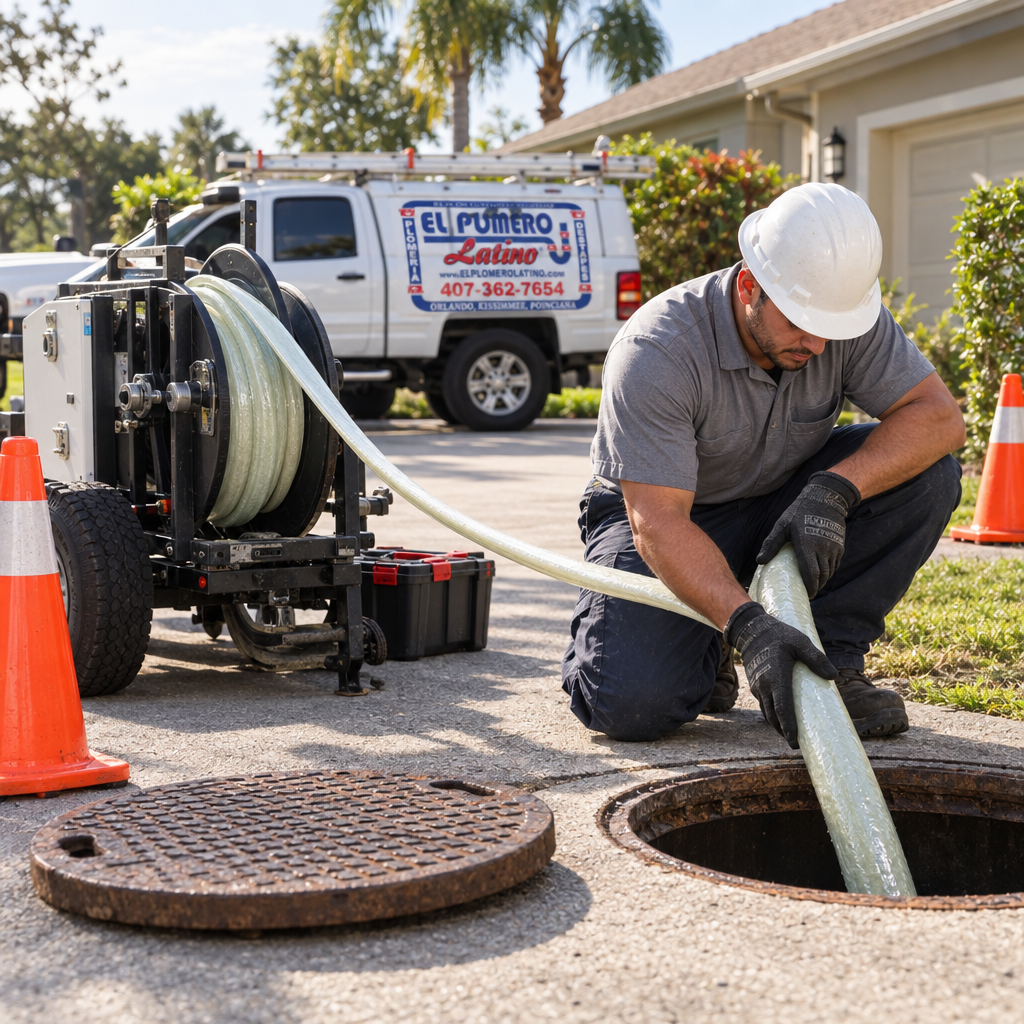
The most reliable way to confirm root intrusion is with a sewer camera. A licensed plumber feeds a specialized waterproof camera through an accessible drain or cleanout and watches the inside of the pipe in real time. This can show exactly where roots are located, how extensive the growth is, and whether there are cracks, broken joints, bellies, or collapsed sections.
Camera inspection also helps locate the affected area from above ground. That matters because it can prevent unnecessary excavation and gives property owners a clearer picture of their repair options. For a home with a large tree near the sewer route, it is much better to know the pipe’s condition than to assume the tree is the problem.
At El Plomero Latino Inc., clear diagnosis comes first. A homeowner or property manager deserves to understand what is happening underground, what work is recommended, and what the upfront cost will be before deciding how to move forward.
Repair Options for Roots in Sewer Lines
The best solution depends on the condition of the pipe. If the line is generally in good shape and roots are limited, professional drain cleaning or hydrojetting may remove the root mass and restore proper flow. Hydrojetting uses controlled high-pressure water to cut through buildup and clean pipe walls more thoroughly than a basic cable machine in many situations.
However, cleaning is not always a permanent answer. If camera footage shows cracked pipe, separated joints, or major deterioration, the damaged section may need repair or replacement. In some cases, a targeted spot repair is enough. In others, especially with aging clay or cast-iron lines that have failed in multiple locations, replacing a longer section can be the more dependable investment.
There are trade-offs. Repeated root cutting can cost less in the short term, but recurring backups may make it more expensive over several years. A repair or replacement costs more upfront, yet it addresses the entry point and can reduce future disruption. A qualified plumber should explain both paths honestly, including the condition of the remaining pipe.
Can You Prevent Tree Roots From Damaging Sewers?
You can reduce the risk, although prevention is not always as simple as removing a tree. Mature trees provide shade, privacy, and value to a property. The goal is to protect the sewer line while making thoughtful decisions about landscaping.
Before planting a new tree, consider where the sewer line runs from the house or building to the connection point. Choose smaller-rooted landscaping near that area when possible, and give large trees plenty of distance from underground utilities. If you are unsure where the line is located, a plumbing professional can help identify the route.
For properties with older sewer lines or a known history of roots, periodic camera inspections can catch early growth before it becomes an emergency. Preventive cleaning may also make sense for some homes, condo communities, and commercial sites, but the schedule should be based on actual pipe condition and past issues rather than a one-size-fits-all recommendation.
Avoid pouring grease down drains, flushing wipes, or treating the toilet as a trash can. These materials do not cause root intrusion, but they catch easily on roots and turn a minor issue into a serious blockage faster.
When to Call for Sewer Help
Call a professional promptly if sewage is backing up into tubs, showers, or floor drains, or if multiple fixtures are draining slowly. Stop using water-heavy appliances such as washing machines and dishwashers until the issue is assessed. Continuing to send water into a blocked sewer can make the backup worse and increase cleanup costs.
Tree roots do not have to mean a ruined yard or an automatic full replacement. With a camera inspection, proper cleaning, and a repair plan based on the pipe’s real condition, you can protect your home or business and make a confident decision before a small warning sign becomes a messy emergency.