A toilet that will not flush right, a sink that drains slowly, or a water heater that suddenly goes cold can make any homeowner ask the same question – how does residential plumbing work, and why does one small problem affect the whole house?
The short answer is that your home plumbing system does two jobs at the same time. One side brings clean water in under pressure. The other side carries wastewater out safely using gravity, venting, and properly sized pipes. When both sides are working together, you get reliable water at your fixtures, safe drainage, and a home that stays sanitary and comfortable.
How does residential plumbing work in a typical home?
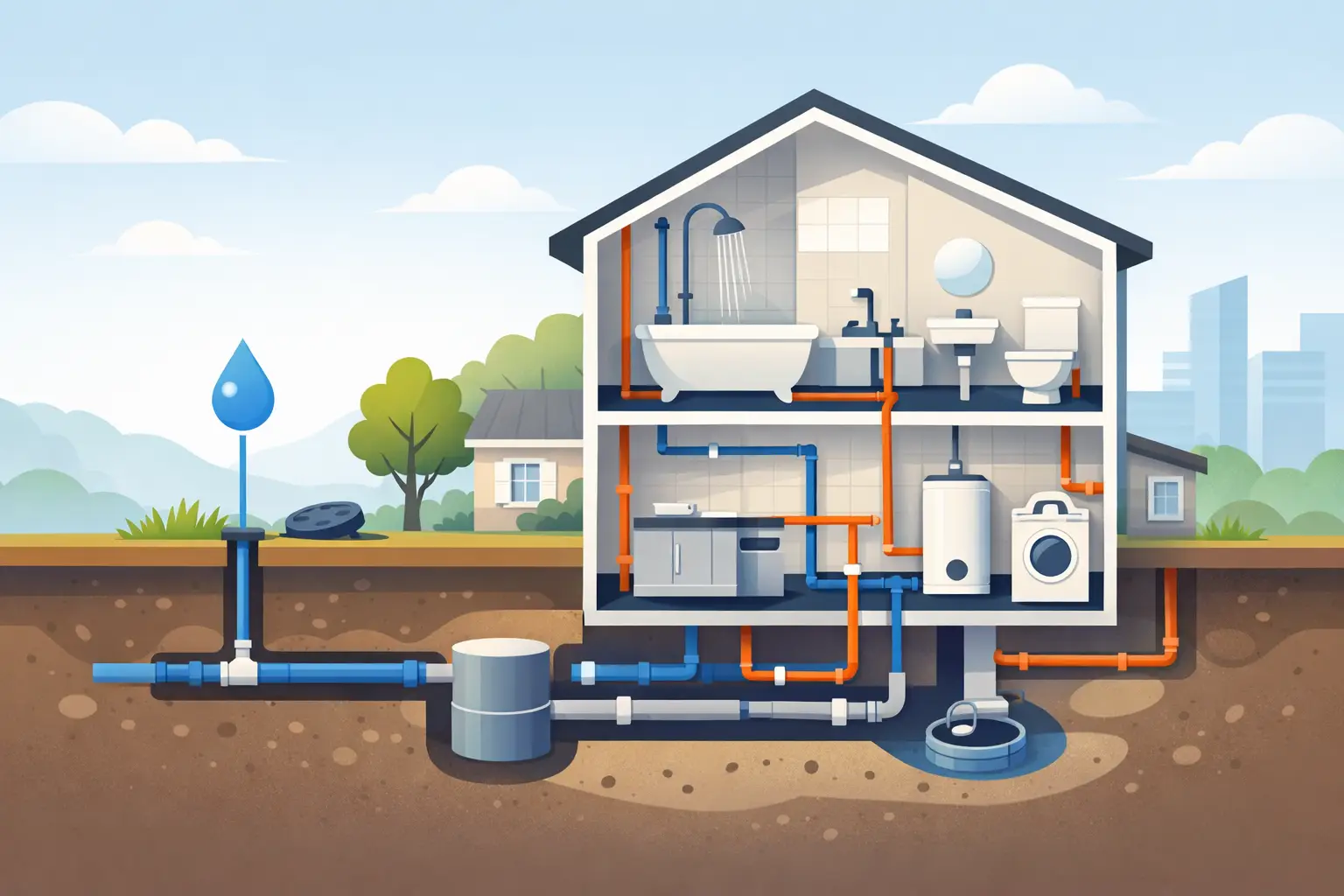
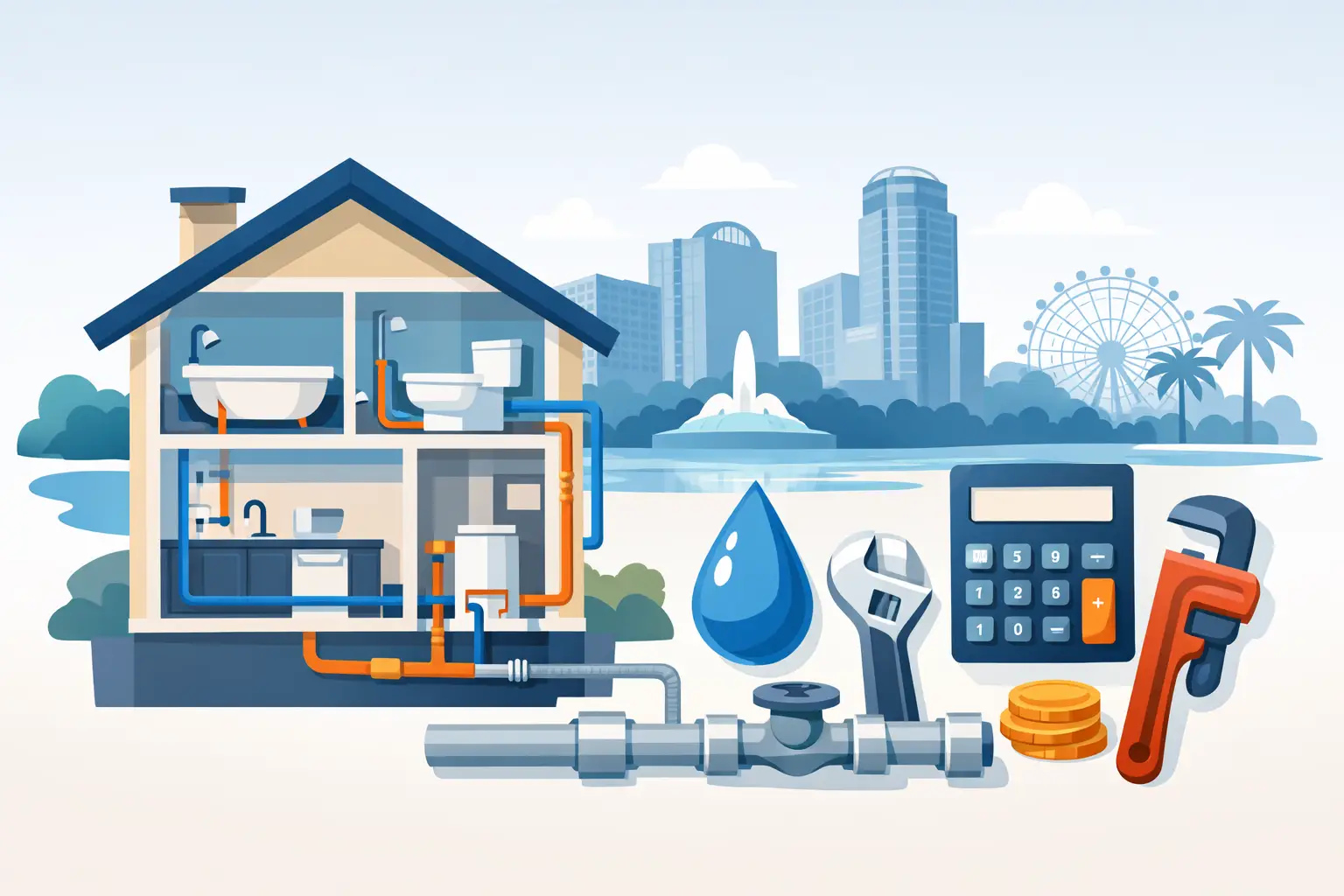
Most homes have a main water line that brings fresh water in from the city supply or a private well. That water enters the house through a main shutoff valve, then moves through a network of supply pipes to sinks, toilets, showers, tubs, dishwashers, washing machines, hose bibs, and water heaters.
At the same time, every fixture that uses water is also connected to a drain system. Once water goes down a drain or a toilet flushes, it travels through drain pipes into larger branch lines and then into the main sewer line. From there, it heads to a municipal sewer system or a septic tank, depending on the property.
That basic idea sounds simple, but the details matter. Plumbing works because of pressure on the supply side, gravity on the drain side, and venting that helps wastewater move without creating suction or sewer gas problems.
The clean water side: how water gets where you need it
When fresh water enters your home, it is under pressure. That pressure is what lets water travel upstairs, reach a far bathroom, or come out of a kitchen faucet the second you turn the handle.
Inside the home, smaller supply lines branch off from the main line. These pipes are designed to deliver water efficiently to each fixture. In newer homes, materials often include PEX or copper. In older homes, you may still find galvanized pipes, which can corrode over time and restrict flow.
Cold water goes directly to fixtures that need it, and part of it also feeds the water heater. Once heated, hot water travels through a separate set of pipes to showers, sinks, tubs, and appliances that require it.
If pressure is too low, daily tasks become frustrating. If pressure is too high, it can strain fixtures, washing machine hoses, shutoff valves, and water heaters. That is one reason plumbing systems need more than just pipes – they also rely on pressure-balancing components, quality connections, and good installation practices.
Key parts on the supply side
The main shutoff valve is one of the most important parts of the system. If a pipe bursts or a fixture line fails, this valve lets you stop water to the house quickly. Individual fixture shutoff valves under sinks and behind toilets offer more control for smaller repairs.
Your water meter, pressure regulator, and backflow prevention devices also play a role, depending on the property setup. These parts help measure use, manage pressure, and protect the potable water supply from contamination.
The drain side: where used water goes
Drains do not work by pressure the way supply lines do. They rely mostly on gravity. Every sink, shower, tub, toilet, and appliance drain is connected to sloped piping that helps wastewater move downhill and out of the home.
This is where pipe sizing and slope become very important. If a drain line is too flat, waste may not move well. If it is too steep, liquids can outrun solids and leave buildup behind. Good plumbing design is about balance.
Toilets use larger drain pipes because they carry both liquid and solid waste. Sink and tub drains are smaller, but they still need the right connection to the main drainage system. When one part is undersized, poorly vented, or partially clogged, you may notice slow drains, bubbling sounds, or backups at lower fixtures.
Why traps matter
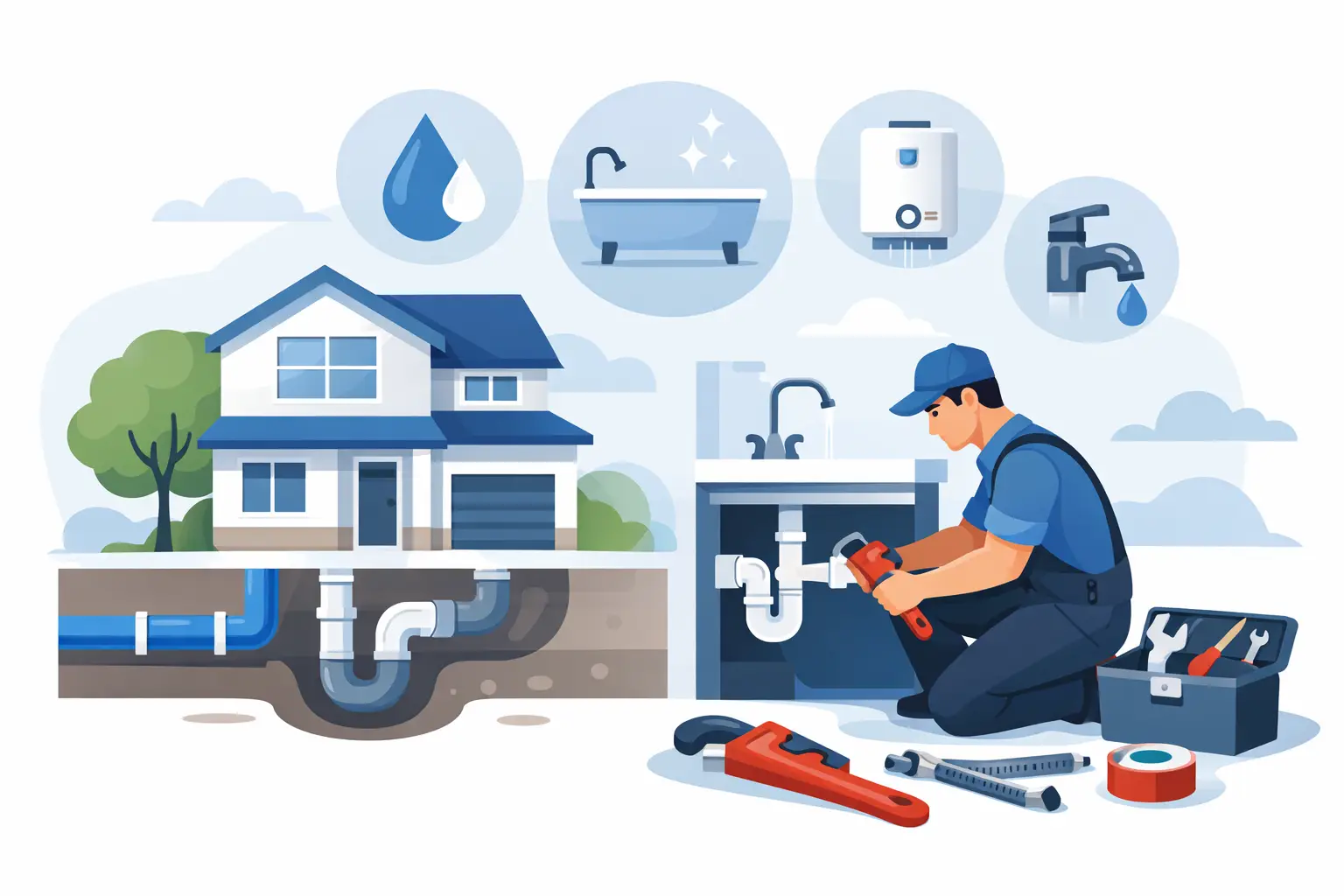
Under most sinks and at many fixtures, there is a curved section of pipe called a trap. Its job is simple but essential. It holds a small amount of water that creates a seal between your home and the sewer system.
Without that water seal, sewer gases could enter the house. If you have ever noticed a foul smell coming from an unused sink or floor drain, a dry trap may be the reason.
Plumbing vents: the part homeowners rarely see
Vents are one of the least understood parts of residential plumbing. They usually run upward through the walls and out through the roof. Their job is to let air into the drain system so wastewater can flow smoothly.
Think of it this way: if water is trying to move through a pipe without enough air behind it, the system can gurgle, drain slowly, or even pull water out of traps. That can lead to odors and poor drainage performance.
A vent problem does not always look like a vent problem. Sometimes it shows up as a toilet that bubbles when the tub drains, or a sink that gurgles every time the washing machine empties. In those cases, the issue may be higher in the system than homeowners expect.
How hot water fits into the system
Your water heater is the bridge between the cold water supply and the hot water you depend on every day. Cold water enters the tank or tankless unit, gets heated, and then moves to the fixtures that call for hot water.
Tank water heaters store a set amount of heated water and refill as it is used. Tankless systems heat water on demand. Neither option is automatically better for every home. A larger family may benefit from one setup, while a smaller household or a home with limited space may prefer another. It depends on usage habits, budget, and the home’s plumbing layout.
When a water heater starts failing, symptoms can include inconsistent temperatures, rusty water, strange noises, leaks, or reduced hot water supply. Because the water heater connects to both water and, in some cases, gas or electricity, problems should be addressed carefully and quickly.
Why plumbing problems spread beyond one fixture
Many homeowners assume a clog or leak is isolated. Sometimes it is. A blocked bathroom sink may just be hair and soap buildup near the drain. But other times, one symptom points to a bigger issue in the branch line, main drain, sewer line, or water supply system.
For example, if one shower drains slowly, the problem may be local. If the shower, toilet, and sink in the same bathroom all act up together, the blockage may be farther down the line. If multiple fixtures across the home back up, the main sewer line may be involved.
The same principle applies to leaks. A drip under one sink might be a worn connection. Low pressure throughout the home could point to a hidden leak, mineral buildup, or a supply line issue.
That is why accurate diagnosis matters. Guessing can waste time, and temporary fixes often let the real problem get worse.
How modern plumbers find the real issue
Residential plumbing today is more precise than many people realize. Professional plumbers do not just react to symptoms. They use the right tools to locate the cause.
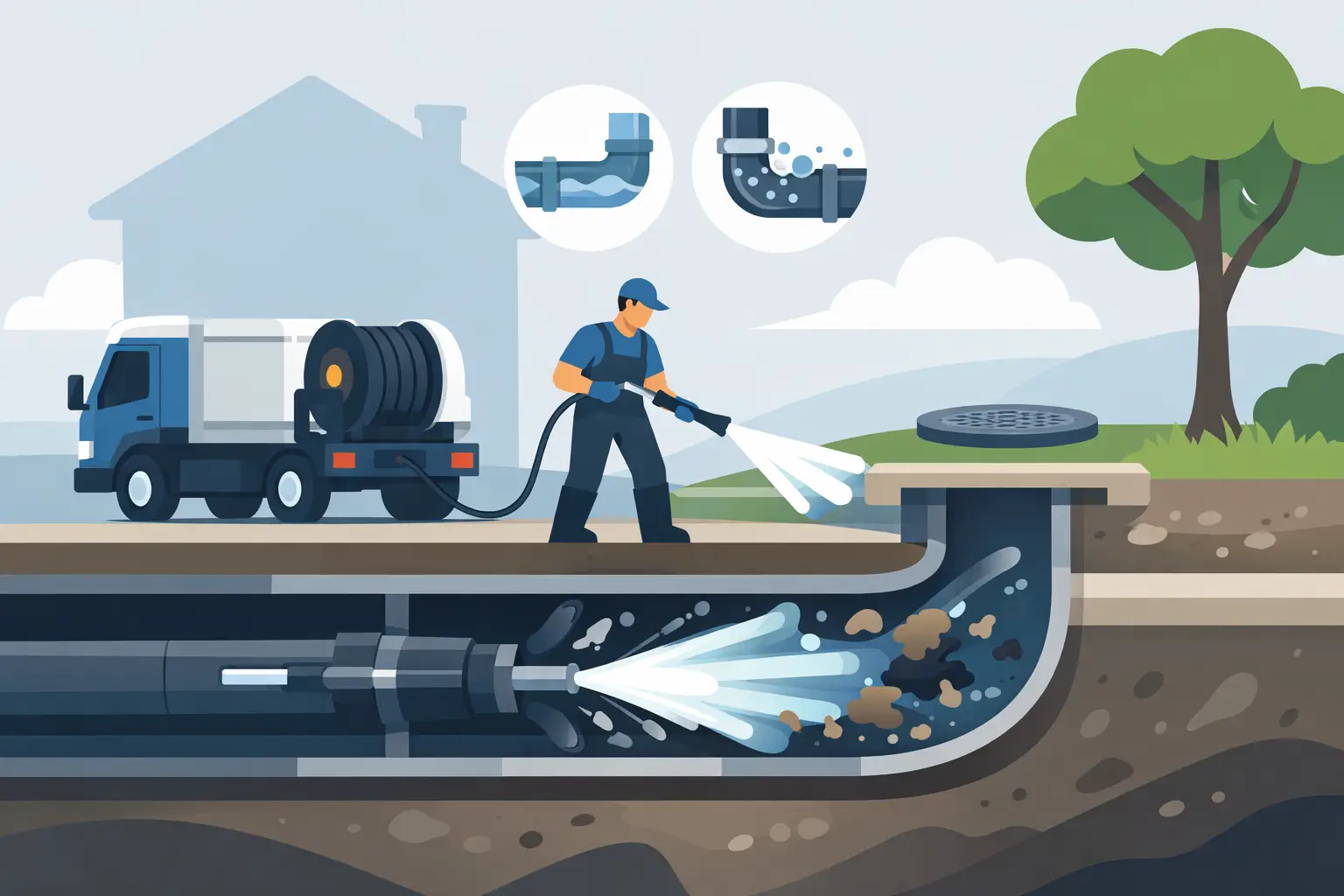
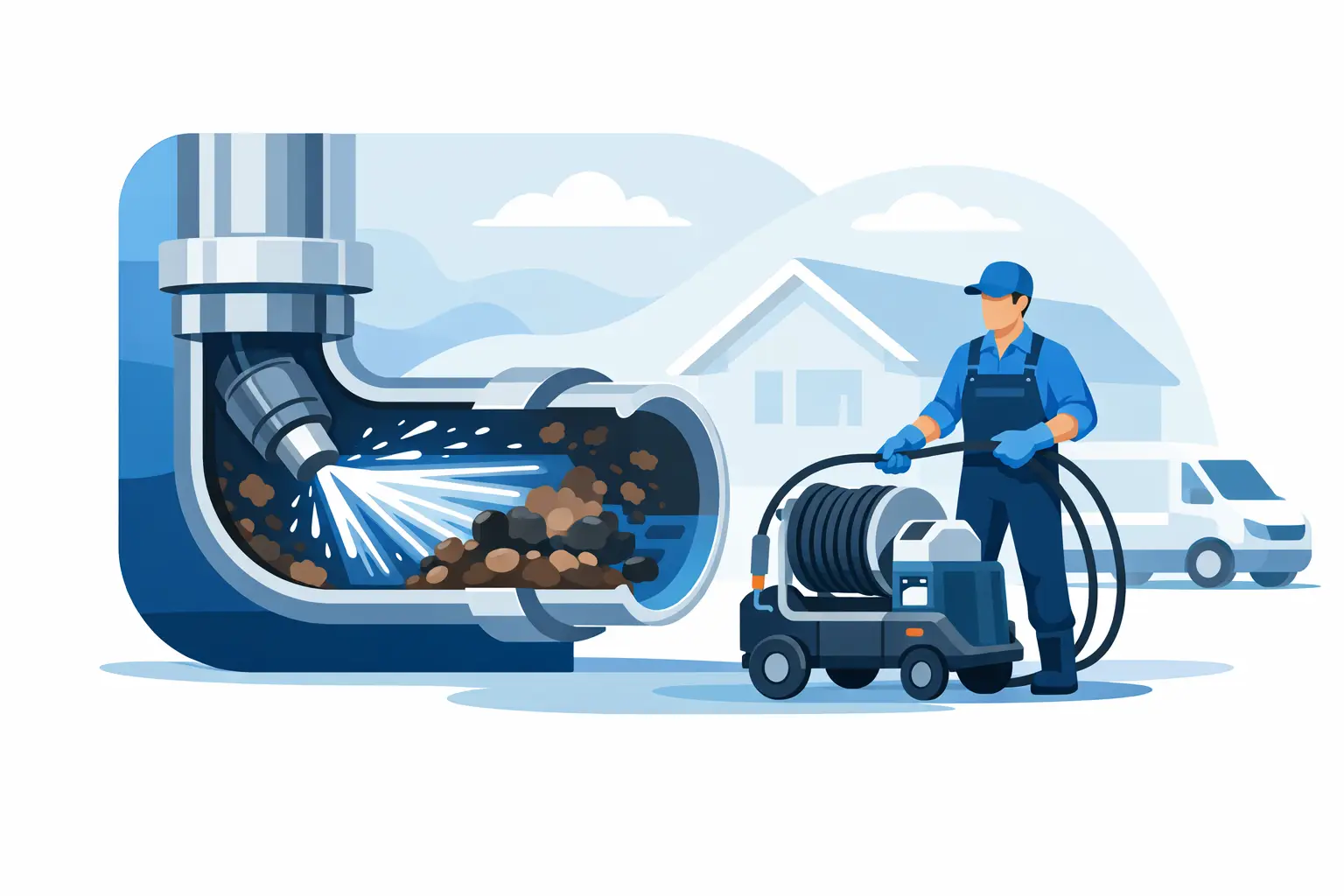
Drain cleaning can remove common blockages, but tougher buildup may require hydrojetting to clear grease, sludge, or debris more completely. Sewer camera inspections allow plumbers to see inside underground lines and identify root intrusion, cracks, offsets, or heavy blockages without unnecessary digging. Leak detection tools help pinpoint hidden water loss behind walls, under slabs, or in the yard.
This matters because the right repair depends on the actual condition of the pipe. A drain clog, a broken sewer line, and a venting problem can all create similar symptoms, but they do not require the same solution.
What homeowners should know about maintenance
A well-built plumbing system is durable, but it is not maintenance-free. Toilets wear out. Shutoff valves seize. Water heaters age. Drain lines collect buildup. In Central Florida, hard water and shifting soil can also affect plumbing performance over time.
The goal is not to worry about every sound your pipes make. The goal is to catch small issues before they turn into water damage, mold, sewer backups, or expensive emergency repairs.
Watch for warning signs like unexplained increases in your water bill, recurring drain clogs, damp spots, musty odors, water stains, low pressure, and discolored water. If the same issue keeps returning, there is usually a reason.
A trustworthy plumbing company should explain what is happening in clear terms, give you upfront pricing, and recommend the repair that fits the actual problem – not the most expensive option. That is especially important for families and property owners who want long-term value, not another service call for the same issue a month later.
How does residential plumbing work when something goes wrong?
When plumbing fails, the system usually gives clues. Clean water problems often show up as leaks, low pressure, or lack of hot water. Drain and sewer problems show up as clogs, odors, gurgling, backups, or water appearing where it should not.
The first step is control. Know where your main shutoff valve is. Know which fixtures have local shutoffs. If sewage is backing up or a leak is actively spreading, stop using the affected area and call a licensed plumber as soon as possible.
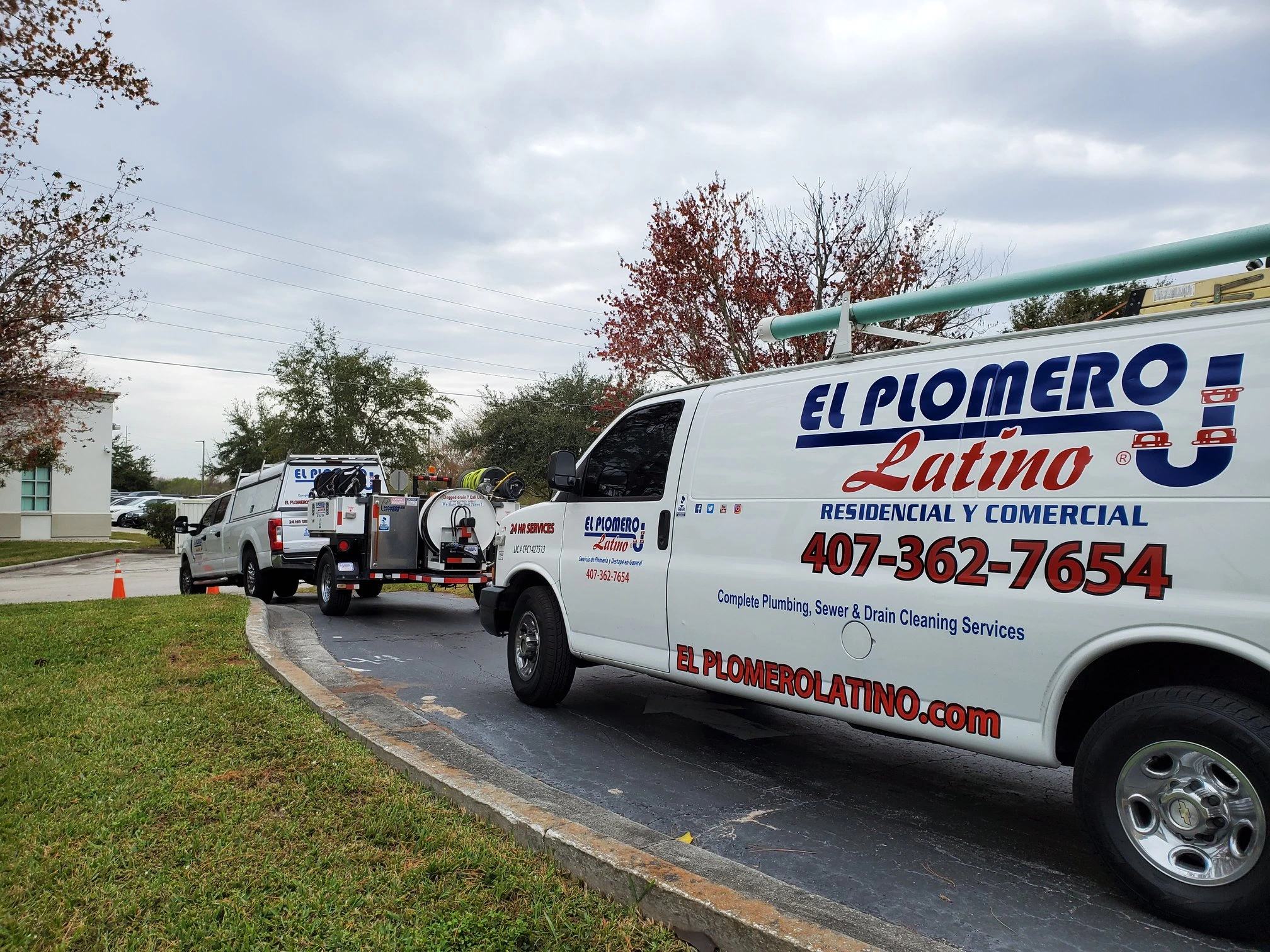
For homeowners who want dependable answers, not confusion, it helps to work with a company that values clear communication and doing the job right the first time. That is what families expect from a long-term plumbing partner, and it is what El Plomero Latino Inc. has built its reputation on across the Orlando area.
Your plumbing system is one of the hardest-working parts of your home, even when you barely notice it. The more you understand how it works, the easier it is to spot trouble early, make smart repair decisions, and protect your home with confidence.