


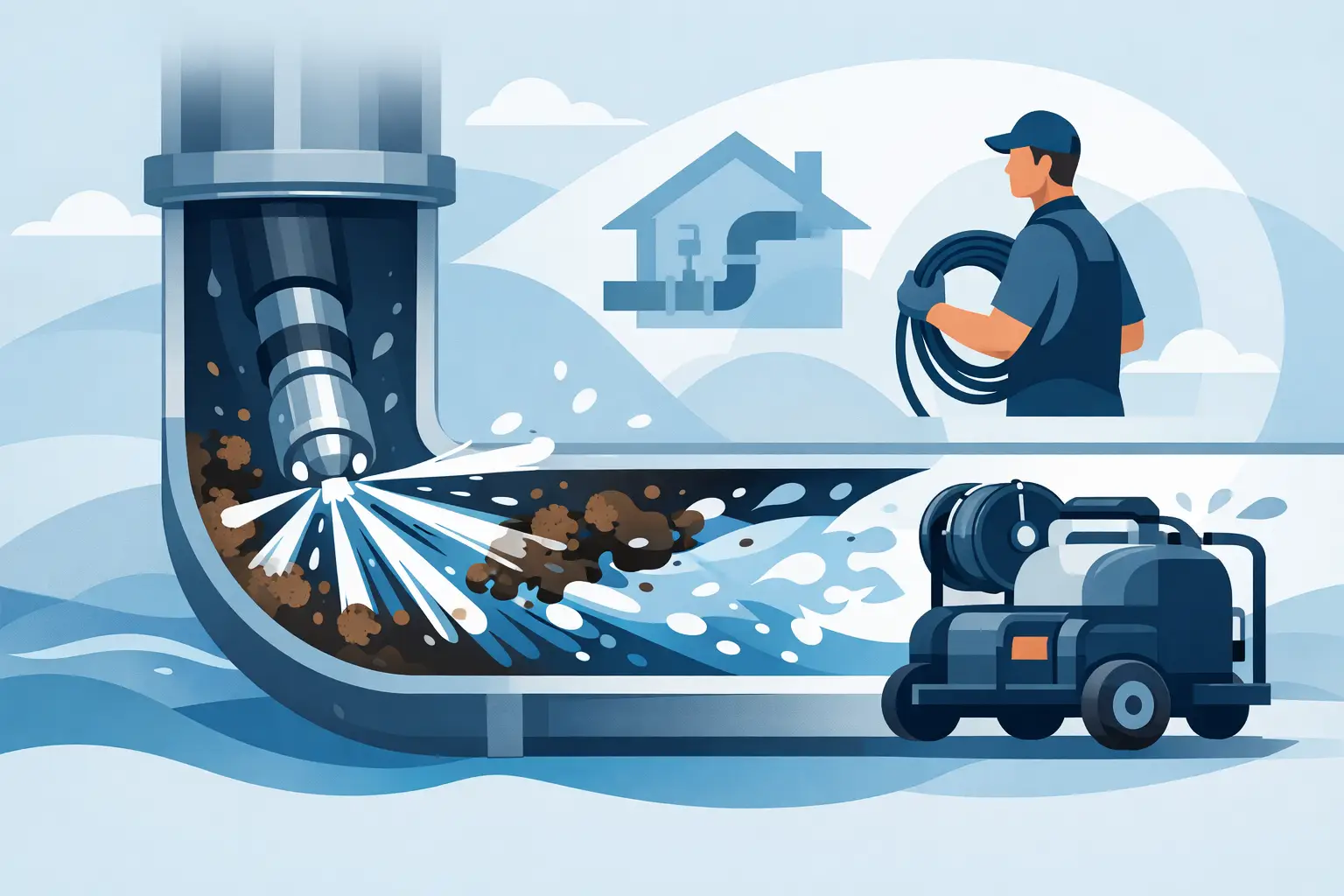
If you are facing leaks in more than one room, low water pressure, aging pipes, or constant repairs, the question gets real fast: what is the whole house plumbing cost? For homeowners and property managers in Central Florida, that number can vary widely, but the reasons behind it are usually clear once you know what drives the price.
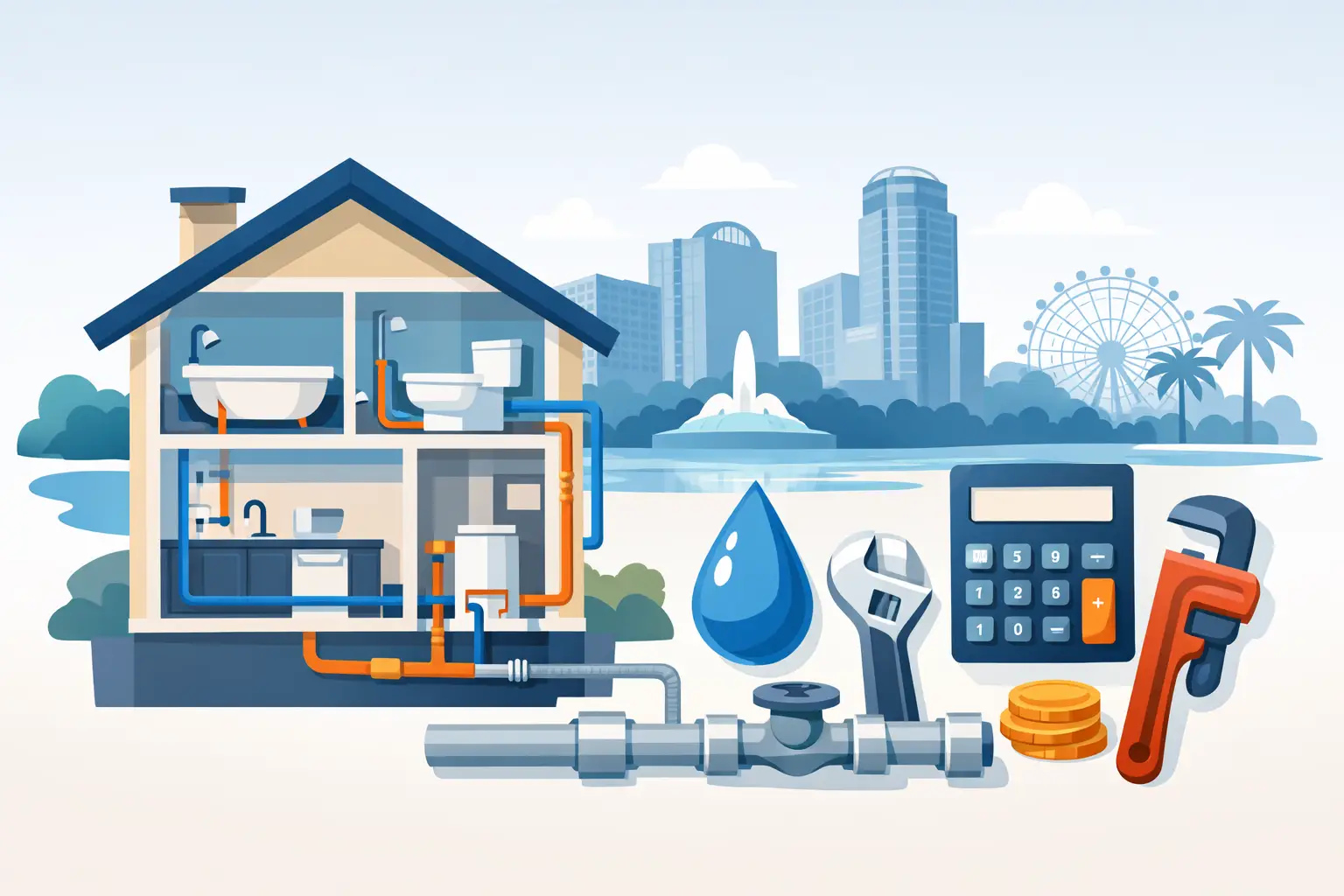
A whole-house plumbing project is not one simple service call. It can involve replacing water lines, drain lines, shut-off valves, fixtures, the water heater connections, and sometimes sewer piping or tie-ins. Some homes only need a full repipe for the supply lines. Others need a deeper overhaul because the plumbing system has been patched so many times that repair after repair no longer makes financial sense.
What does whole house plumbing cost include?
When people ask about whole house plumbing cost, they are often talking about one of two jobs. The first is a full or partial repipe of the water supply lines. The second is a larger replacement that may also include drain, waste, and vent piping, plus fixture connections throughout the home.
That difference matters because replacing supply lines is usually more straightforward than replacing drain lines hidden behind walls, under floors, or in slab foundations. Supply piping brings fresh water to sinks, showers, toilets, and appliances. Drain piping carries wastewater away. Both are essential, but the labor and access requirements are very different.
In most cases, the total price may include removal of old piping where needed, installation of new pipe materials, permits, inspections, opening and closing access points, reconnecting fixtures, and final testing. Some projects also include drywall repair, painting, or flooring work, while others leave that to a separate contractor. That is why two homes with the same square footage can still get very different estimates.
Average whole house plumbing cost ranges
For a typical single-family home, a whole house plumbing cost can range from around $8,000 to $25,000 or more, depending on the scope. If the project is mainly a water line repipe with good access, the lower end may be possible. If it includes drain line replacement, slab work, major wall access, multiple bathrooms, and code upgrades, the price can rise quickly.
For larger homes, older properties, or buildings with complicated layouts, costs can go beyond that range. Commercial properties, duplexes, and multifamily buildings also require a different pricing conversation because occupancy, fixture count, and code requirements are often more demanding.
A small home with one or two bathrooms is generally less expensive to repipe than a two-story house with three bathrooms, a kitchen island, laundry room, and older pipe routing. More fixtures mean more labor, more materials, and more time spent testing the system.
A rough way to think about pricing
A simple repipe is usually priced by the complexity of the home, not just by square footage. Square footage helps, but fixture count, wall access, attic access, slab construction, and pipe material often tell the real story.
That is why a trustworthy plumbing contractor should inspect the property before giving a firm number. Flat-rate upfront pricing works best when the scope is clear. It protects the customer from surprises and gives everyone a better expectation of the job.
What affects whole house plumbing cost most?
The biggest factor is scope. Are you replacing only water supply lines, or are you also replacing drains, sewer connections, shut-off valves, hose bibs, and fixture hookups? A project that sounds similar on paper can double in cost once hidden problems are uncovered.
The age of the home also matters. Older homes may have galvanized steel, cast iron, polybutylene, or outdated fittings that need full replacement to meet current standards. In Florida, some homes also have plumbing routed through slab foundations, which can make access and replacement more labor-intensive.
Pipe material is another major cost factor. PEX is often more budget-friendly and easier to install in many repipe jobs. Copper can cost more due to both material and labor. For drain systems, PVC is common, but cast iron replacement or specialty transitions can add complexity.
Access plays a huge role. Homes with open attic access, crawlspaces, or easy wall routing are generally easier than homes with limited access, finished surfaces, masonry walls, or tight utility areas. The more demolition and restoration required, the higher the price.
Permits and inspections should also be part of the conversation. A properly permitted job may cost more than unpermitted work, but it protects the homeowner and helps ensure the system is installed correctly. That matters for safety, resale, insurance concerns, and peace of mind.
Water repipe vs. full plumbing replacement
This is where many homeowners get confused. A water repipe replaces the fresh water lines only. If your main issues are leaks, corrosion, discolored water, or pressure problems, this may solve the core issue without replacing every drain in the house.
A full plumbing replacement is broader. It may include supply lines, drain lines, venting, valves, fixture connections, and possibly sewer piping. This is more common in very old homes, homes with repeated drain failures, or properties undergoing major renovation.
If your drains are working well and the main concern is pipe leaks, a full replacement may not be necessary. On the other hand, if you have recurring backups, sewer odors, slow drains across multiple fixtures, and visible deterioration, stopping at a supply repipe may only solve half the problem.
Why Orlando-area homes can vary so much
In Central Florida, construction types vary more than many people expect. Some homes are on slab foundations, some have older cast iron drain systems, and some have been remodeled several times by different contractors over the years. Each of those details affects labor time and final cost.
Moisture, shifting soils, hard water conditions, and aging materials can also speed up wear on plumbing systems. A home that has already had multiple spot repairs may look affordable to keep patching, but those smaller bills add up. At a certain point, replacing the system can be the more cost-effective option.
For rental properties and commercial spaces, there is another layer to consider: downtime. Delaying a major plumbing replacement can mean tenant complaints, business interruption, water damage claims, or emergency service calls at the worst possible time. In those cases, the cheapest short-term option is not always the smartest long-term one.
How to budget for a whole-house plumbing project
The best approach is to separate must-have work from optional upgrades. If the plumbing system is failing, focus first on code-compliant replacement of the critical lines and connections. Cosmetic items such as upgraded faucets or designer fixtures can be handled at the same time, but they should not blur the cost of the core plumbing work.
Ask whether wall patching, permit fees, inspections, haul-away, and fixture reconnections are included in the estimate. Homeowners sometimes compare two prices that look far apart, only to realize one quote included much more complete work than the other.
It also helps to ask about financing if the project is larger than expected. Many families and property owners know the work is necessary but need a practical way to move forward without draining savings all at once. A plumbing company that offers clear options and honest guidance can make that decision much easier.
Red flags when comparing estimates
A very low estimate can be tempting, especially on a large job. But if the scope is vague, permits are skipped, or the contractor cannot explain what is and is not included, that lower price may not stay low for long.
Look for clear communication, written scope, warranty information, and a company that respects your home. With a project this important, trust matters just as much as price. You want the job done right the first time, with no guessing and no hidden fees halfway through.
Is whole house plumbing replacement worth it?
If your home has frequent leaks, poor pressure, pipe corrosion, recurring drain issues, or outdated materials, it often is. Not because it is a small expense, but because continued piecemeal repairs can become more expensive and more disruptive over time.
A properly completed whole-house plumbing upgrade can improve water flow, reduce leak risk, support future fixture replacements, and make the property easier to insure and maintain. For homeowners planning to stay long term, that reliability is worth a lot. For sellers and landlords, it can also remove a major concern from future negotiations.
At El Plomero Latino Inc., we believe customers deserve straightforward answers, honest pricing, and work that holds up. If you are weighing repair versus replacement, the right first step is not guessing from a national average. It is getting a clear evaluation of your home, your plumbing system, and what will truly solve the problem.
When plumbing issues keep coming back, the goal is not just to stop the next leak. It is to give your home or property a system you can count on.