A toilet that will not stop running at 10 p.m. A kitchen drain that backs up right before guests arrive. A water heater that turns your morning shower cold without warning. If you have ever dealt with any of that, you have already seen why people ask, what is residential service plumbing?
Residential service plumbing is the day-to-day plumbing work that keeps a home safe, clean, and functional. It covers the diagnosis, repair, replacement, and maintenance of plumbing systems inside and around a house. That includes everything from clearing clogged drains and fixing leaks to repairing sewer lines, replacing water heaters, and installing new fixtures.
In simple terms, it is the plumbing help homeowners call when something breaks, slows down, leaks, smells wrong, or needs to be upgraded. It is different from large new-construction plumbing because the work happens in lived-in homes where the goal is to solve the problem quickly, correctly, and with as little disruption as possible.
What is residential service plumbing responsible for?
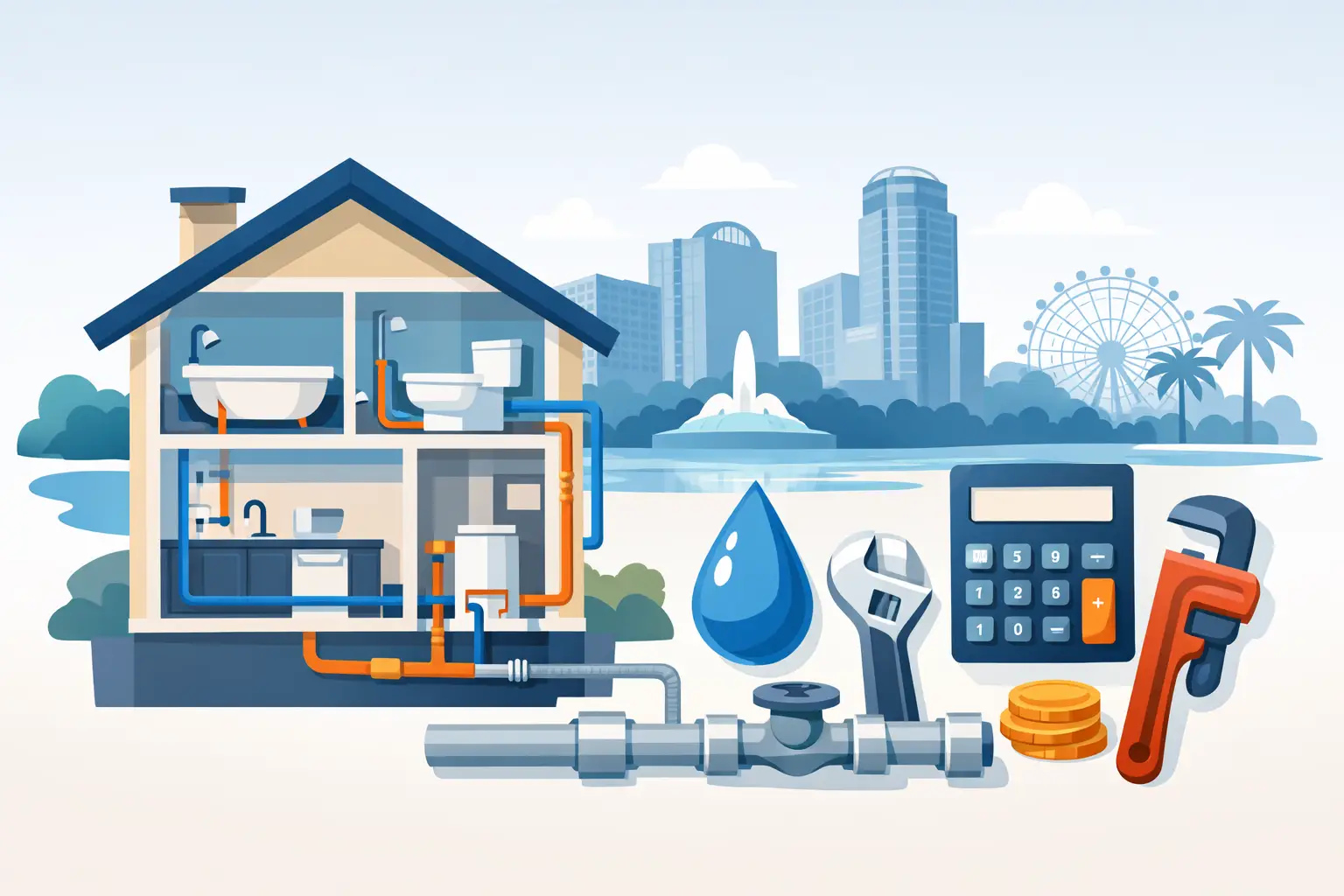
Residential service plumbing focuses on the plumbing systems that serve a home every day. That includes the pipes bringing in fresh water, the drains carrying wastewater away, the fixtures your family uses, and the equipment that supports the system.
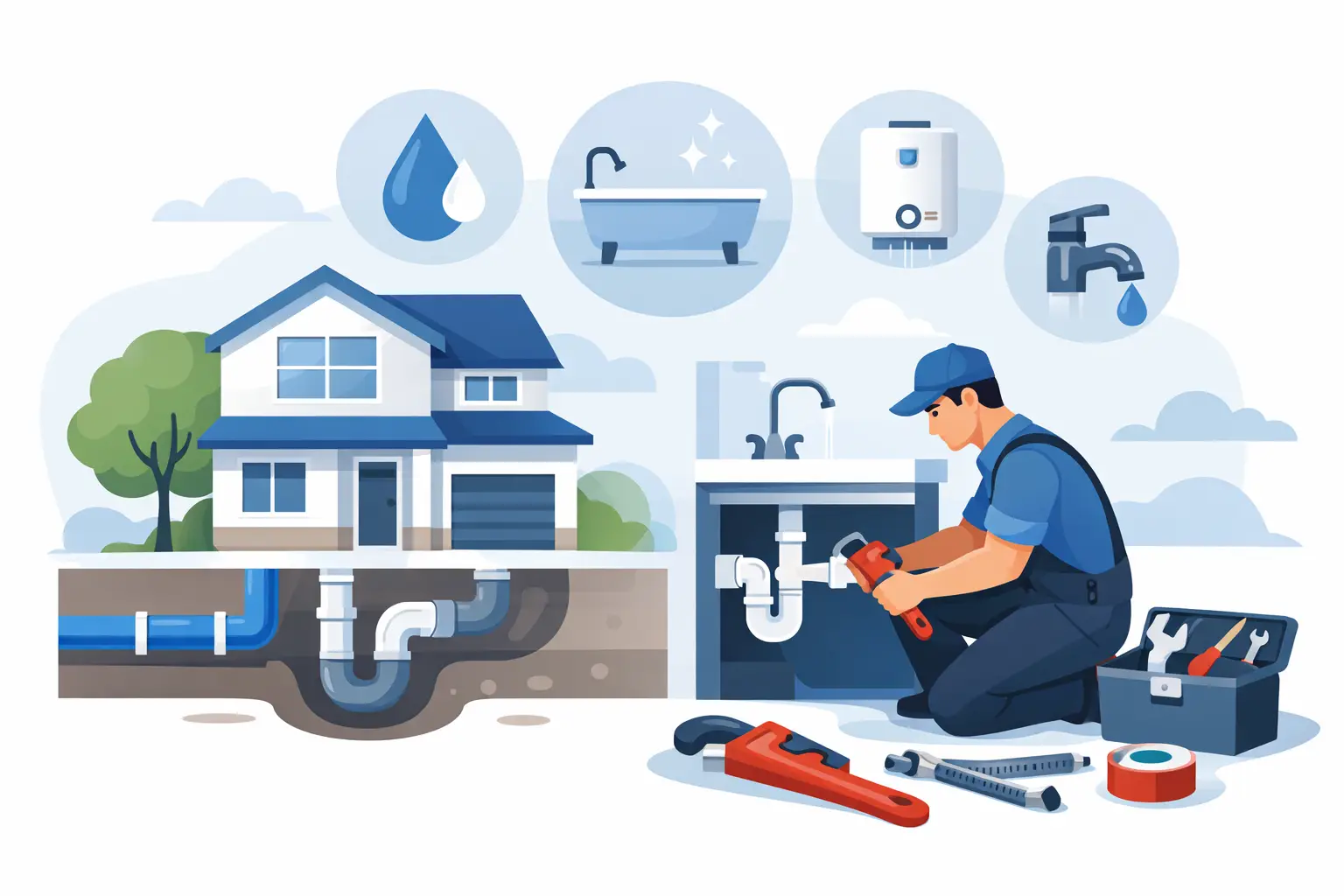
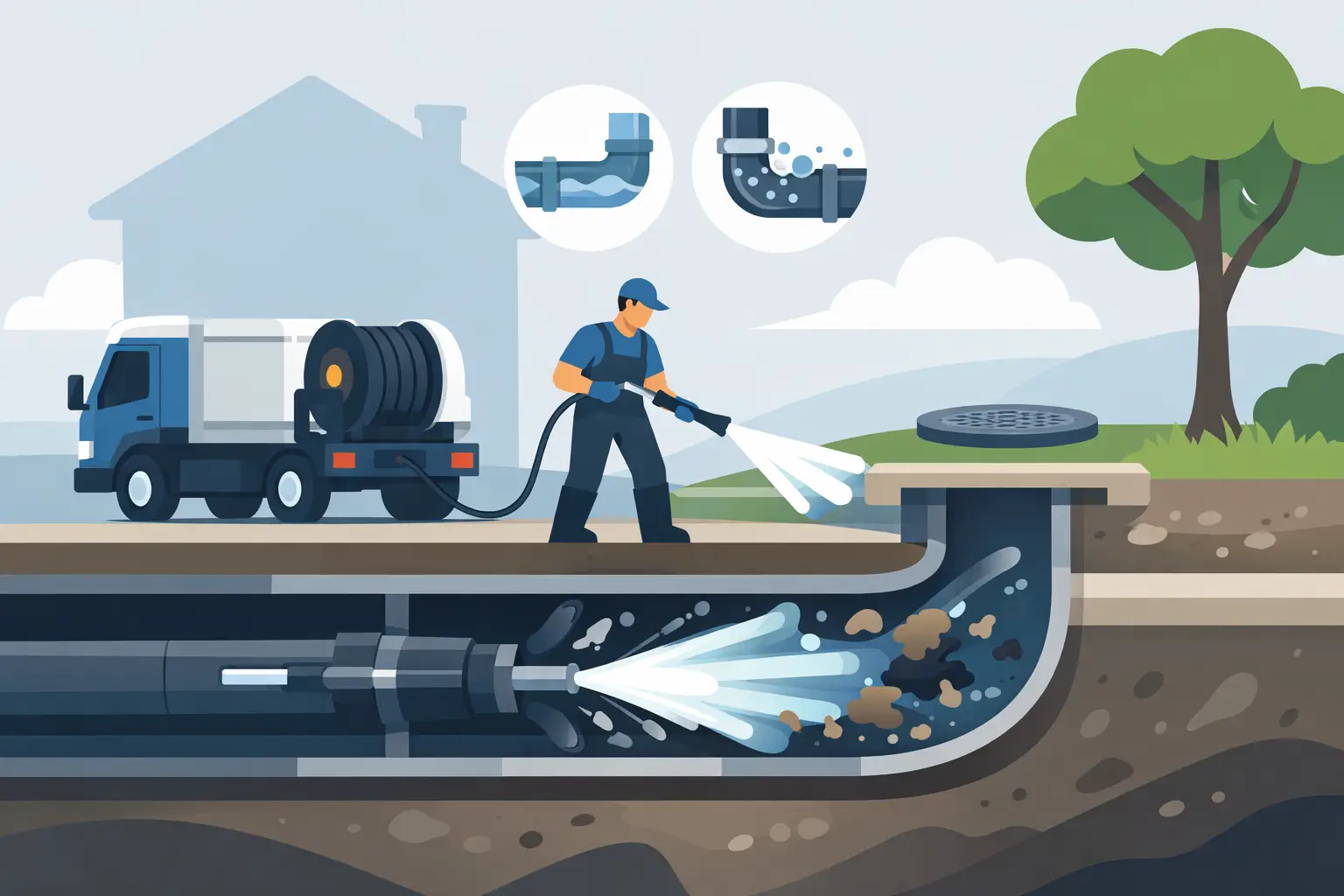
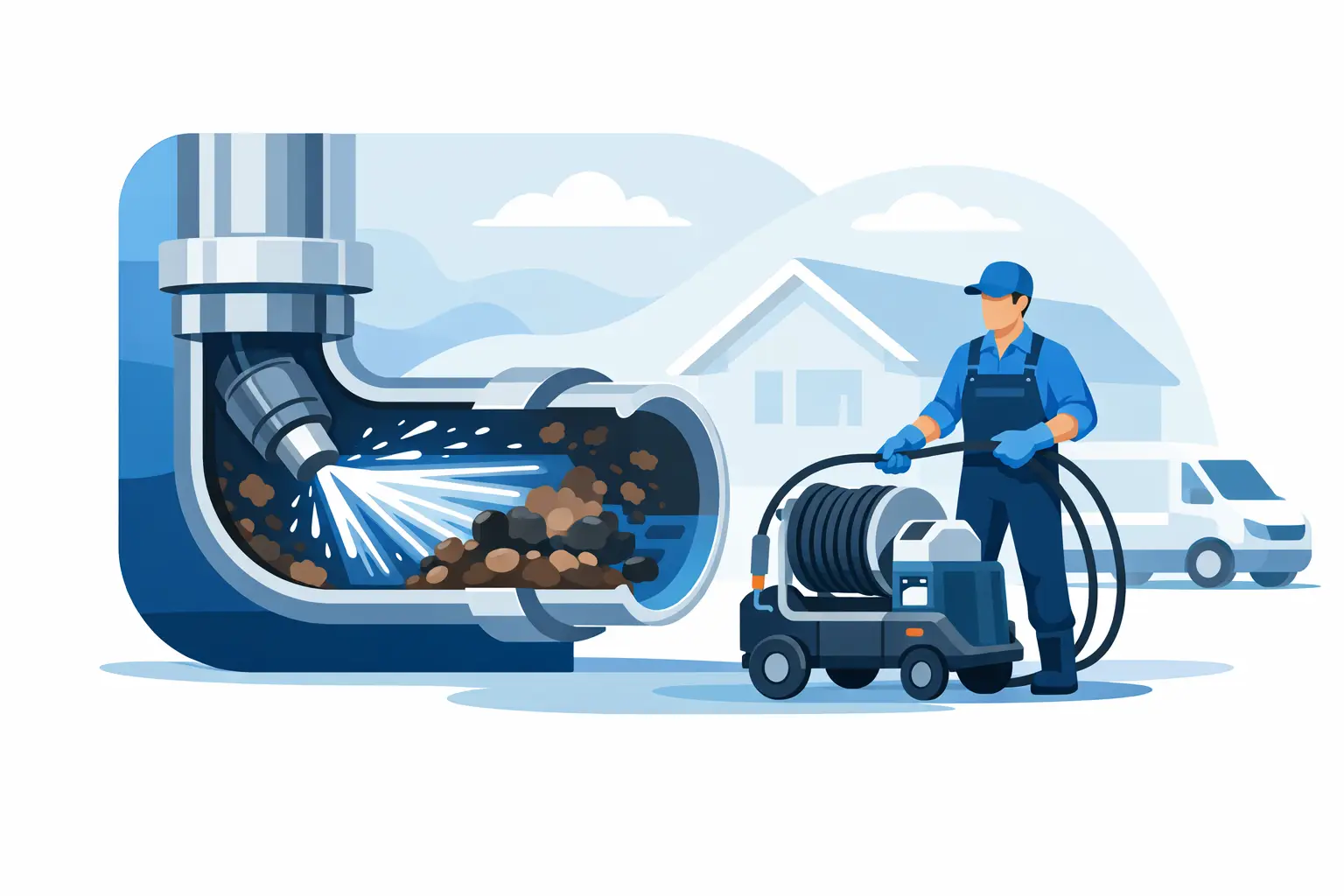
A residential service plumber may work on sinks, faucets, toilets, tubs, showers, garbage disposals, water heaters, shutoff valves, hose bibs, drain lines, sewer lines, and water supply lines. They also handle leak detection, sewer camera inspections, hydrojetting, and repairs that may involve opening walls, accessing crawl spaces, or working outside near buried lines.
The key point is that this is practical, problem-solving work. A service plumber is not just installing pipe from a blueprint. They are troubleshooting real conditions in real homes, often with limited access, older materials, and damage that has already started.
How residential service plumbing is different from other plumbing work
This is where the term can get confusing. Plumbing is a broad trade, and not every plumber does the same kind of work.
New construction plumbers usually install systems in homes or buildings that are still being built. Commercial plumbers often work on larger systems in restaurants, offices, retail centers, schools, or multifamily properties. Residential service plumbing is more focused on occupied homes and the issues that affect homeowners directly.
That difference matters because service work requires a different approach. The plumber has to diagnose the issue, explain the options clearly, protect the home, and complete the repair in a way that restores normal use as soon as possible. In many cases, there is no time for guesswork. A leak under a slab, a blocked sewer line, or a failed water heater needs a clear answer fast.
Common jobs included in residential service plumbing
When homeowners hear the word plumbing, they often think of a dripping faucet or a clogged toilet. Those are certainly part of it, but residential service plumbing covers much more.
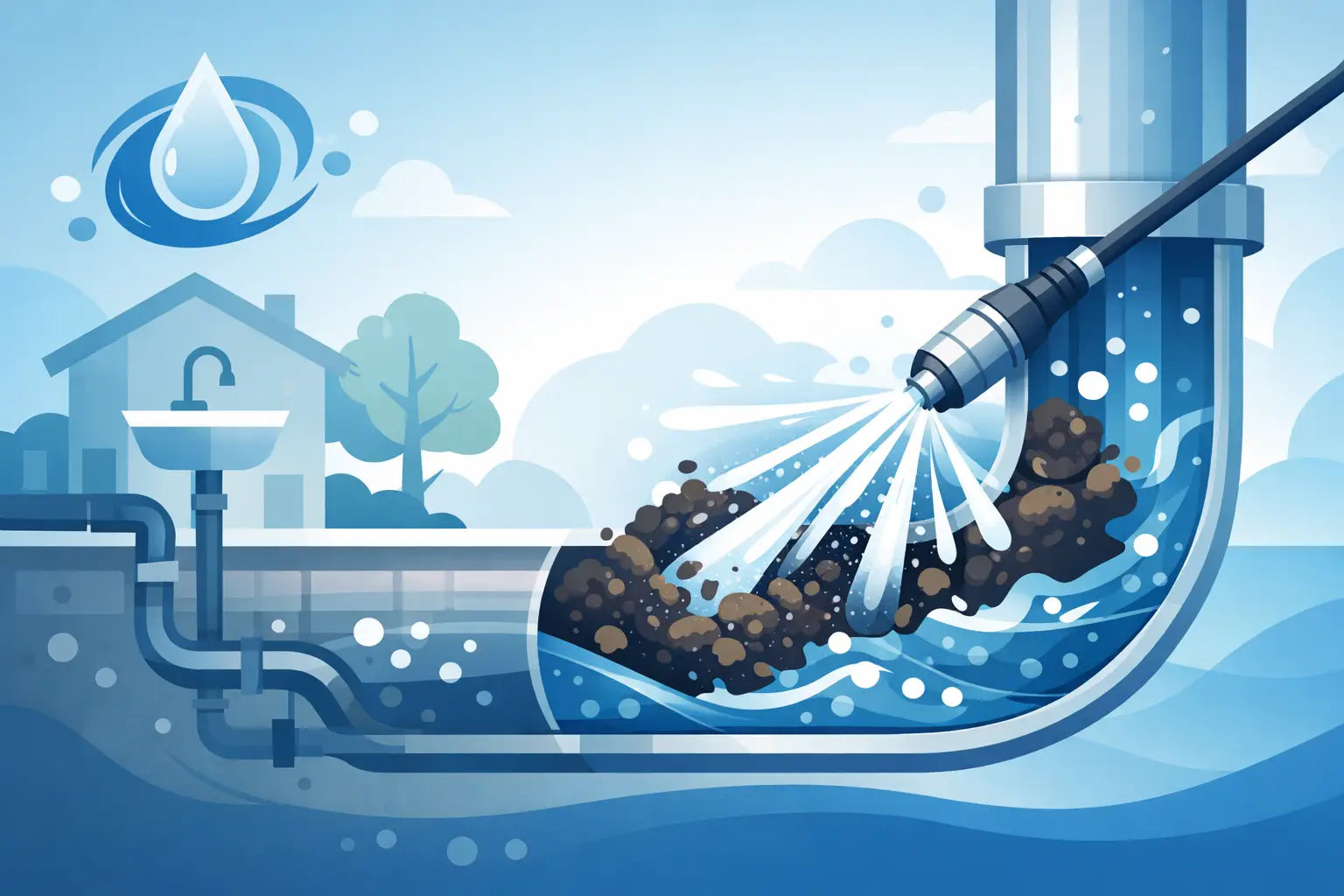
Drain cleaning is one of the most common calls. Kitchen sinks collect grease and food debris. Bathroom drains fill with hair, soap residue, and buildup. Over time, the flow slows down or stops completely. A service plumber clears the blockage and checks whether it is a simple local clog or a sign of a bigger issue farther down the line.
Leak repair is another major category. Some leaks are obvious, like water under a sink. Others are hidden behind walls, under floors, or beneath the home. Even a small leak can lead to mold, damaged drywall, warped flooring, and higher water bills if it is left alone.
Water heater service also falls under residential service plumbing. That includes troubleshooting no-hot-water complaints, repairing components, flushing tanks, replacing failing units, and helping homeowners choose between repair and replacement. The right decision depends on the unit’s age, condition, efficiency, and the cost of the repair.
Fixture work is part of the picture too. Toilets that rock, faucets that drip, sinks that crack, shower valves that stop mixing temperature correctly, and disposals that jam all count as residential service plumbing jobs. Sometimes the fix is simple. Sometimes the problem points to pressure issues, worn-out parts, or poor installation from years earlier.
Then there are the bigger system problems, such as sewer line repair, water line replacement, or recurring backups that need a camera inspection. These jobs require more equipment and more experience, but they are still part of residential service plumbing because they affect the home’s plumbing performance and safety.
Why homeowners usually call a residential service plumber
Most people do not call a plumber just because something looks old. They call when the problem starts interfering with daily life or when they worry damage is getting worse.
Some calls are urgent. Burst pipes, overflowing toilets, sewer smells, no hot water, and active leaks need quick attention. Other calls start as annoyances, like slow drains, low water pressure, or a faucet that keeps dripping. Those may not feel like emergencies, but they can point to larger issues if they keep happening.
There is also a preventive side to residential service plumbing. A homeowner may want a sewer camera inspection before buying a property, a water heater checked before it fails, or aging shutoff valves replaced before they seize up in an emergency. That kind of service can save money because it catches problems before they create water damage or force a rushed replacement.
What to expect during a residential service plumbing visit
A good service visit should feel organized, respectful, and clear from the start. The plumber listens to the symptoms, inspects the affected area, and works to identify the actual cause instead of treating only the visible result.
For example, a backed-up tub might be a simple drain blockage, but it could also be tied to a larger branch line problem. A leaking ceiling might come from a bathroom drain, a supply line, or even a water heater issue in another part of the home. Diagnosis matters because the cheapest-looking fix is not always the right one.
Once the issue is identified, the plumber should explain the repair in plain language. Homeowners deserve to know what is wrong, what the options are, what the work will involve, and what it will cost before the job begins. That is why flat-rate upfront pricing matters so much in residential service plumbing. It removes the stress of wondering what the final bill will look like.
The work itself should also be done with respect for the home. That means protecting floors, keeping the area as clean as possible, and making repairs that are built to last rather than patched together for the moment.
What is residential service plumbing worth when done right?
Good plumbing work is not just about stopping a leak today. It is about protecting the home long term.
When residential service plumbing is done right, it helps prevent repeat problems, avoids unnecessary water damage, improves fixture performance, and gives homeowners confidence that the repair will hold up. That is especially important in Florida, where heat, humidity, hard water conditions in some areas, and heavy rain can all put extra stress on plumbing systems.
Done poorly, plumbing work tends to come back. A drain clog returns because the line was not cleaned fully. A leak reappears because only the symptom was patched. A cheap fixture install leads to loose fittings or premature failure. Homeowners often end up paying more when a quick fix has to be redone.
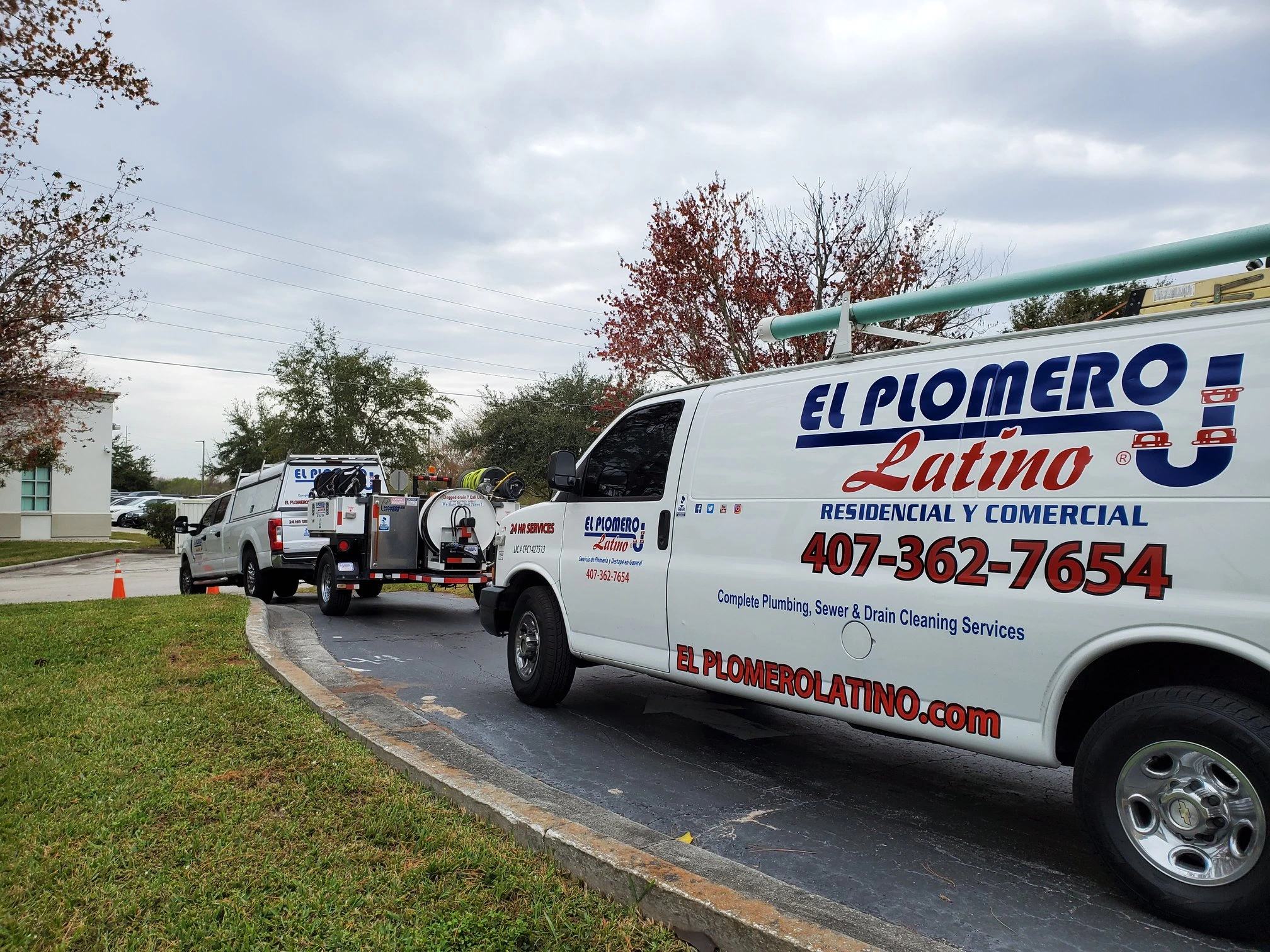
That is why experience and workmanship matter. A family-owned company like El Plomero Latino Inc. understands that every service call is not just a job ticket. It is someone’s home, someone’s budget, and often someone’s already stressful day.
When it makes sense to call sooner rather than later
Some plumbing issues can wait a day or two. Many should not.
If you notice water stains, sewer odors, repeated drain backups, sudden low water pressure, rising water bills, or inconsistent hot water, it is smart to get the system checked before the damage spreads. Plumbing problems rarely improve on their own. More often, they get more expensive, more disruptive, and more frustrating with time.
The same goes for small warning signs. A toilet that clogs too often, a faucet that sputters, or a drain that gurgles may seem minor. Still, those symptoms often show that something deeper is starting to fail. Catching it early usually means more options and less damage.
Residential service plumbing is, at its core, about keeping your home working the way it should. Clean water in. Wastewater out. Fixtures that function properly. Hot water when you need it. No surprises behind the walls or under the slab.
If your plumbing is asking for attention, the best next step is not to wait for a bigger mess. It is to have a trusted professional take a look, explain the problem clearly, and fix it the right way the first time.