A toilet that will not stop running at 10 p.m. A kitchen drain that backs up right before guests arrive. A water heater that suddenly turns your morning shower cold. These are the moments when homeowners start asking, what does a residential plumber do, exactly?
The short answer is this: a residential plumber installs, repairs, maintains, and troubleshoots the plumbing systems that keep your home running. That includes the pipes behind your walls, the drains under your sinks, the water heater in the garage, the sewer line outside, and the everyday fixtures you rely on without thinking twice. A good residential plumber does more than fix a single problem. They help protect your home from water damage, wasted water, health risks, and expensive repairs that tend to grow when ignored.
What does a residential plumber do in a home?
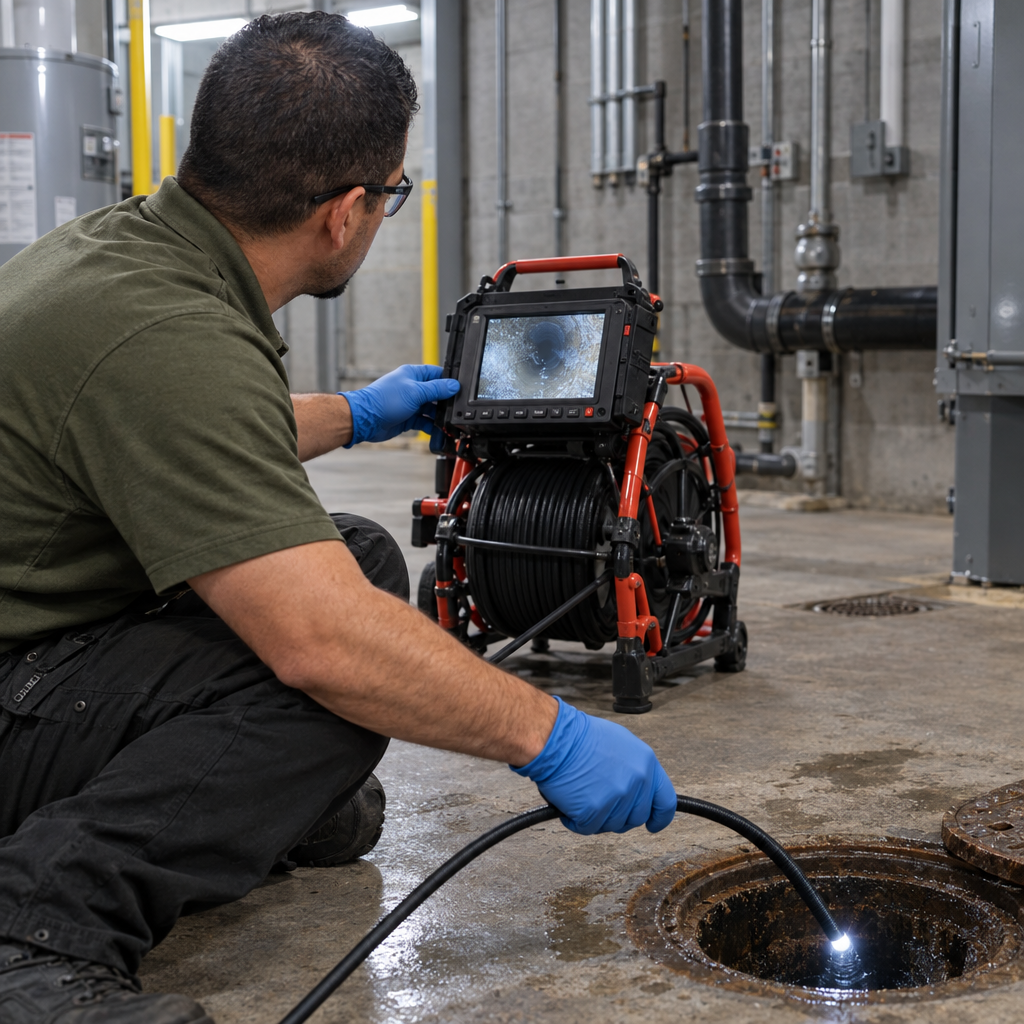
A residential plumber works on the systems that bring clean water in and carry wastewater out. In practical terms, that means handling everything from small fixture repairs to larger line replacements. Some calls are straightforward, like replacing a faucet or unclogging a drain. Others require deeper diagnostic work, such as finding a hidden leak, inspecting a sewer line with a camera, or figuring out why water pressure keeps dropping across the house.
Homes have a different plumbing setup than commercial buildings, so residential work is usually centered on kitchens, bathrooms, laundry areas, water heaters, hose bibs, and the main water and sewer connections. The job also calls for a lot of judgment. A plumber has to know when a repair is enough, when a replacement makes more financial sense, and when a small symptom points to a bigger issue underground or inside a wall.
The everyday problems a residential plumber handles
Most homeowners call a plumber because something is already wrong. That is normal. Plumbing problems often show up suddenly, even when the cause has been building for weeks or months.
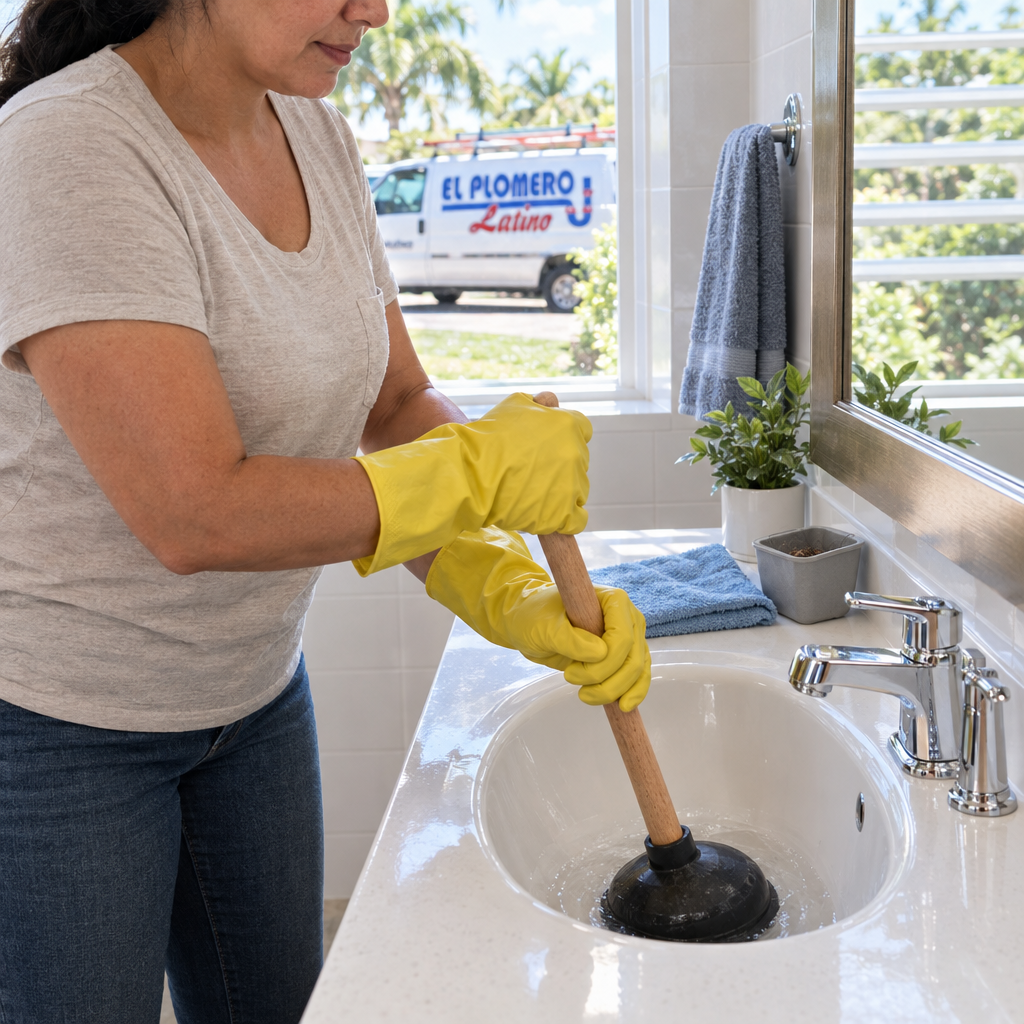
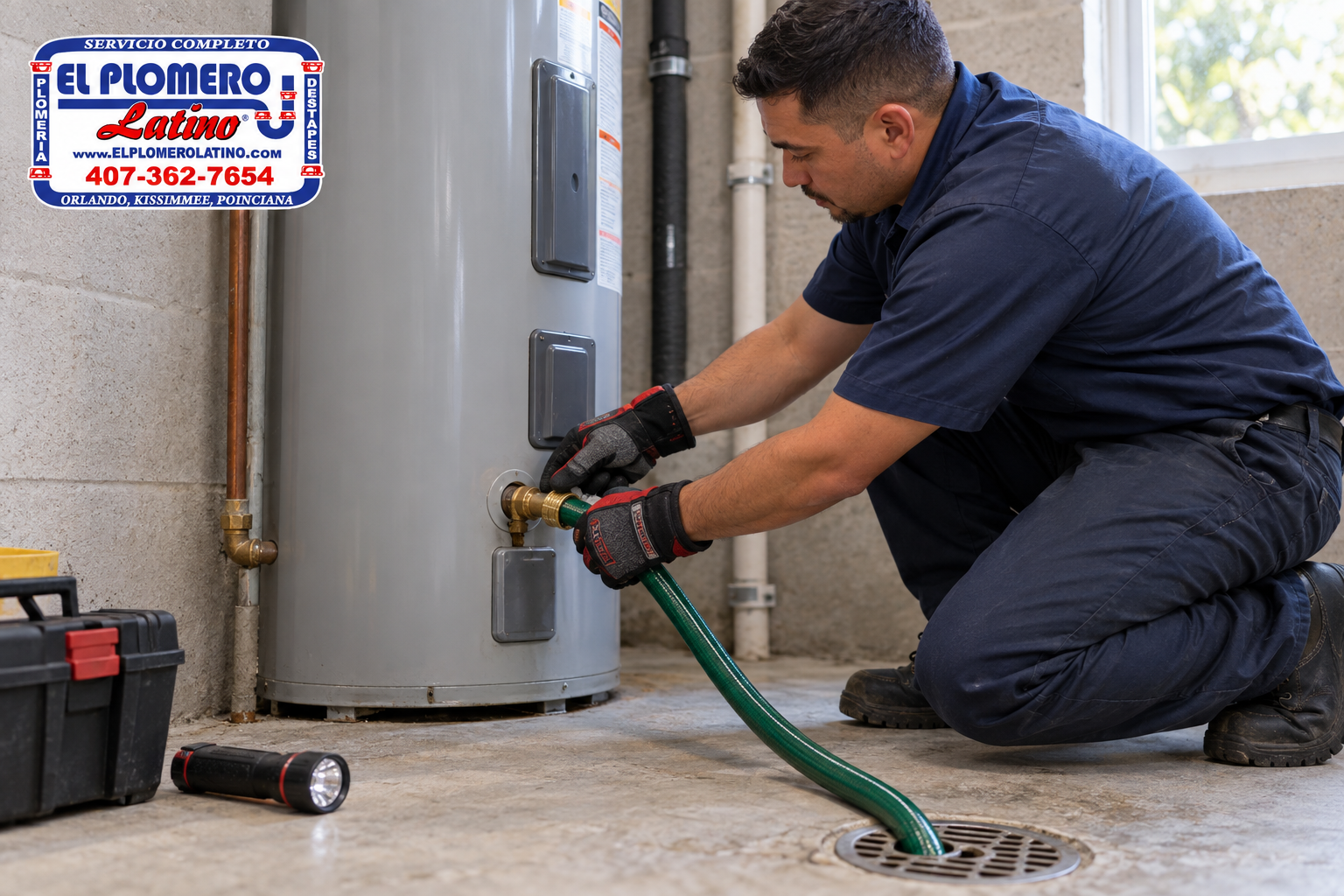
A residential plumber commonly repairs leaking pipes, dripping faucets, clogged toilets, slow drains, broken garbage disposals, low water pressure, and faulty shut-off valves. They also fix or replace sinks, toilets, tubs, showers, and outdoor hose connections. If your water heater is making noise, not producing enough hot water, leaking, or failing completely, that also falls squarely within residential plumbing work.
Some problems are visible. Others are easy to miss. A small leak under a slab, behind a wall, or under a cabinet may not seem urgent at first, but it can lead to mold, wood damage, higher water bills, and foundation concerns depending on the location. That is why experienced plumbers spend as much time diagnosing as they do repairing.
Drain cleaning, sewer issues, and the work homeowners do not see
One of the biggest misconceptions about plumbing is that a clog is always simple. Sometimes it is. Sometimes it is hair near the tub drain or grease buildup in the kitchen line. But repeated backups usually mean the problem is farther down the system.
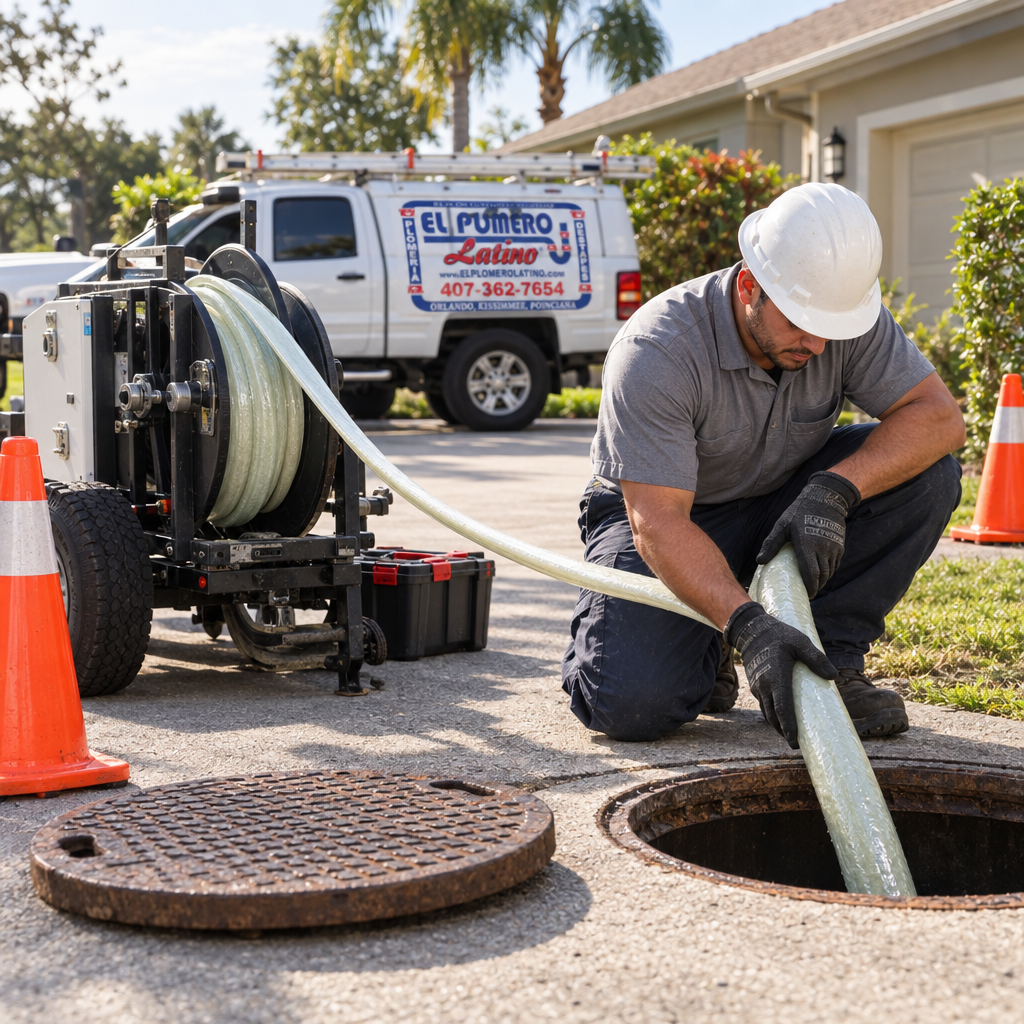
A residential plumber does not just remove the symptom. They look for the reason the blockage keeps coming back. That may involve drain cleaning, hydrojetting, or a sewer camera inspection to check for roots, collapsed pipe sections, offsets, or heavy buildup inside the line. In older homes, especially, sewer and drain issues can be tied to aging materials or long-term wear.
This is where experience matters. If a plumber clears a line without checking why it clogged in the first place, you may be paying for the same problem again in a month. A thorough residential plumber aims to solve the issue at the source, not just get water moving for one more week.
Water line repairs and leak detection
Clean water has to get into your home reliably and at the right pressure. When that system is compromised, the signs can range from obvious to subtle. You might see wet spots in the yard, hear water running when no fixture is on, notice discolored water, or realize your monthly bill has jumped for no clear reason.
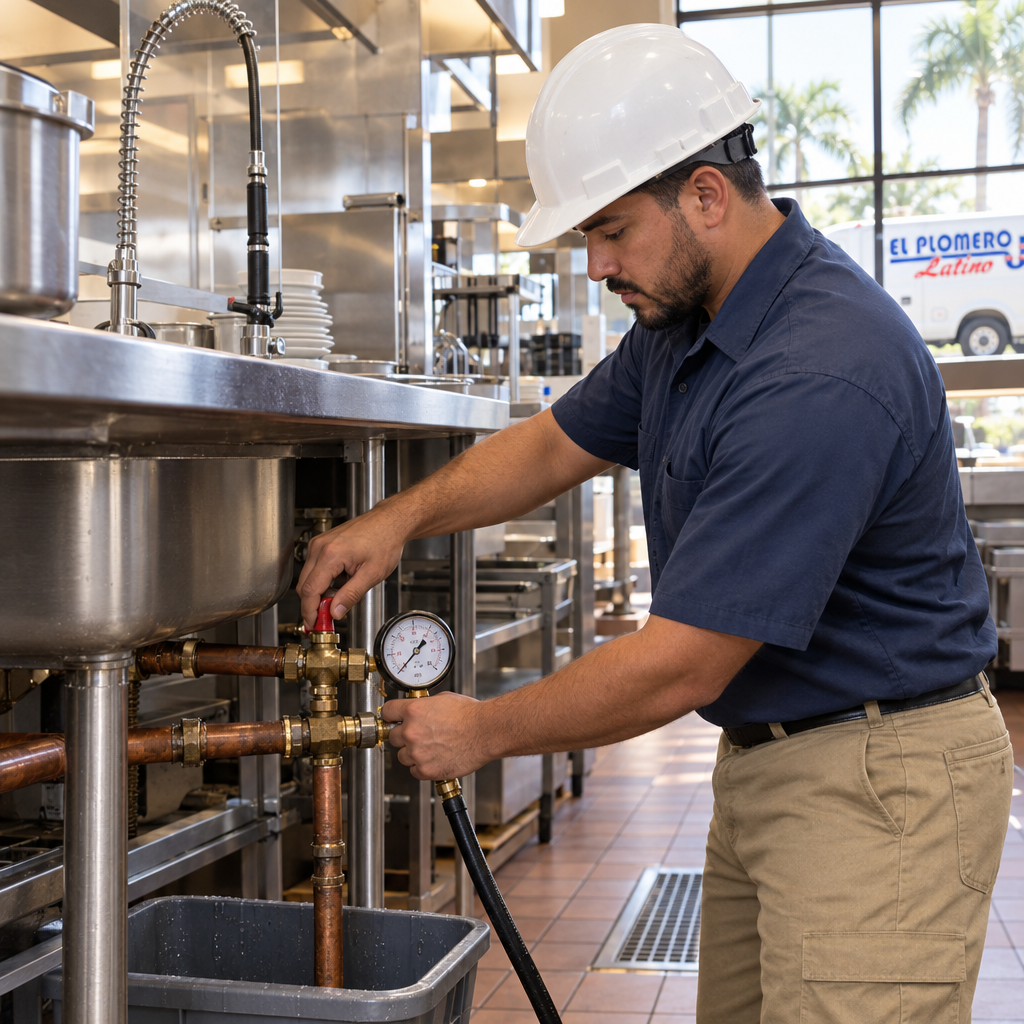
Residential plumbers locate and repair water line issues both inside and outside the home. In some cases, a section of pipe can be repaired. In others, replacement is the smarter long-term choice. It depends on the pipe material, the age of the system, the extent of damage, and how often problems have already occurred.
Leak detection is especially valuable because guessing gets expensive fast. A skilled plumber uses the right tools and testing methods to narrow down the source before opening walls or starting major work. That saves time, reduces disruption, and gives the homeowner a clearer path forward.
What does a residential plumber do beyond repairs?
Repairs are a major part of the job, but they are not the whole job. Residential plumbers also install plumbing components in new and existing homes. That can include water heaters, toilets, sinks, faucets, disposals, dishwashers, icemaker lines, pressure-reducing valves, and repiping sections of a house.
They also perform inspections and preventive maintenance. That matters more than many homeowners realize. A routine plumbing check can catch early signs of corrosion, drainage issues, loose connections, worn seals, and aging equipment before those issues turn into emergencies. If you own an older home or manage multiple properties, preventive maintenance is often one of the best ways to avoid sudden disruption.
For remodels, a residential plumber helps ensure that new fixtures work properly with the home’s existing plumbing layout. Not every upgrade is plug-and-play. Moving a sink, changing a tub to a walk-in shower, or installing a different style of faucet may require pipe adjustments, drainage planning, or venting considerations.
Why licensing, insurance, and clear pricing matter
When people ask what does a residential plumber do, they are often really asking something deeper: what should I expect from a professional plumber in my home?
You should expect technical skill, but also respect for your time, your property, and your budget. Plumbing work affects health, sanitation, and structural safety. That is why licensing and insurance matter. It is also why upfront, flat-rate pricing matters. Homeowners should know what they are agreeing to before work begins, not after the job is done.
A dependable plumber explains the issue in plain language, outlines the repair or replacement options, and answers questions without pressure. Sometimes the lowest-price option is not the best value. A quick patch may cost less today but fail soon after. On the other hand, not every problem requires the biggest possible repair. Honest guidance is part of the service.
When a homeowner should call right away
Some plumbing issues can wait a day or two. Others should not. If you have wastewater backing up into the home, no hot water, a burst pipe, a leaking water heater, sewage odor, very low water pressure across multiple fixtures, or water stains spreading on walls or ceilings, it is time to call.
Even smaller issues deserve attention if they keep returning. A toilet that clogs every week, a drain that slows down again right after being cleared, or a faucet that never stops dripping is not just annoying. It is a sign that something has not been fully resolved.
In Central Florida, heavy rain and shifting ground conditions can also affect underground plumbing lines. That makes early inspection even more valuable when sewer or drainage symptoms start showing up.
Choosing the right residential plumber for the job
Not every plumbing company approaches service the same way. Some focus on speed alone. Others focus on sales. The best residential plumbers focus on doing the job right the first time and building trust that lasts beyond one visit.
Look for a company that communicates clearly, arrives prepared, explains the work, and stands behind it with warranties or a satisfaction guarantee. If they offer bilingual service, that can make a real difference for families who want to discuss the problem and the solution with total confidence. For many homeowners, especially in a diverse community like Central Florida, feeling understood is part of good service.
That is one reason families turn to companies like El Plomero Latino Inc. They want reliable help, honest recommendations, and a plumbing partner who treats their home with respect.
A residential plumber keeps one of the most essential systems in your home working safely and efficiently. When the job is done well, you do not just get a repair. You get peace of mind, fewer surprises, and a home that works the way it should.