



A small leak can waste far more than water. It can quietly stain a ceiling, weaken flooring, invite mold, and raise a utility bill long before there is a puddle on the floor. This homeowner guide to leak detection explains what to watch for, how to perform a few safe checks, and when a licensed plumber should take over.
For homeowners in Central Florida, fast action matters. Our warm, humid climate can make moisture problems harder to notice and can allow mold growth to develop quickly. The goal is not to tear into walls or guess at the source. It is to recognize warning signs early, protect your home, and get the right repair before a minor issue becomes major damage.
The Signs of a Hidden Plumbing Leak
Some leaks announce themselves with a dripping faucet or water pooling beneath a sink. Others occur behind walls, under floors, above ceilings, or below a concrete slab. A hidden leak often starts with a change that feels small or unexplained.
Pay attention to a water bill that rises even though your household routine has not changed. Also watch for a water meter that continues moving when no fixtures or appliances are running. A musty smell, peeling paint, warped baseboards, soft flooring, and yellow or brown ceiling marks can all point to unwanted moisture.
You may also hear water moving when everything is turned off. A faint hissing sound near a wall, a toilet that occasionally refills on its own, or the sound of water running through pipes overnight deserves a closer look. These signs do not always mean a broken pipe, but they should not be ignored.
Start With the Water Meter Test
The water meter test is one of the most useful checks a homeowner can perform without special tools. Choose a time when nobody will need water for at least 30 to 60 minutes. Turn off faucets, irrigation, washing machines, dishwashers, ice makers, and any other appliance that uses water.
Locate your water meter, usually near the front of the property or close to the street. Many meters have a small leak indicator that spins or moves when water passes through the line. Take a photo of the meter reading, wait without using water, then check it again.
If the reading changes or the leak indicator moves, water is likely being used somewhere in the system. First make sure a toilet is not silently running and that an irrigation zone has not activated. If everything inside and outside is off, the issue may be a hidden plumbing leak or a leak in the line between the meter and the house.
This test confirms that water may be escaping, but it does not identify the exact location. Professional leak detection equipment can help locate the source with less disruption to walls, floors, and landscaping.
Check Toilets Before Assuming the Worst
A running toilet is one of the most common sources of wasted water. It can run quietly enough to go unnoticed for weeks. Remove the tank lid and listen for refilling after the toilet has not been flushed.
A simple dye test can help. Add a few drops of food coloring to the toilet tank, wait about 15 minutes without flushing, and check the bowl. If color appears in the bowl, water is leaking past the flapper. This is often a straightforward repair, but the toilet should be fixed promptly to avoid wasting water.
Also look around the base of the toilet for moisture, loose flooring, or a sewer-like odor. Those signs may indicate a failed seal rather than an issue inside the tank. Water around a toilet base should be addressed by a plumber, especially if the floor feels soft.
Inspect the Places You Can Safely Reach
Regular visual checks can catch many leaks before they cause serious damage. Open the cabinets below sinks and run a dry paper towel around shutoff valves, supply lines, and drain connections. Even a small amount of moisture, corrosion, or mineral buildup is worth attention.
Look behind the washing machine, around the water heater, and beneath refrigerator water lines if your refrigerator has an ice maker or dispenser. Check exposed pipes in garages, utility rooms, and under sinks. A slow drip may only appear when a fixture is running, so inspect while using hot and cold water separately.
Outside, inspect hose bibs, irrigation connections, and visible pipes near the home. Florida’s heavy rain can make outdoor leaks difficult to identify, so check when the ground has had time to dry. An unusually green patch of grass, a soggy area that persists during dry weather, or water near the foundation can signal an underground leak.
Do not rely on appearance alone. A dry cabinet does not rule out a leak inside a wall, and a stain may be from an old issue rather than an active one. The condition of the stain matters: fresh discoloration, soft drywall, spreading edges, or ongoing odor suggest active moisture.
When a Leak May Be Under a Slab or Behind a Wall
Slab leaks and concealed pipe leaks require professional diagnosis. A slab leak occurs in water lines beneath a home’s concrete foundation. Because the pipe is hidden, homeowners may notice indirect symptoms first.
Warm spots on the floor can indicate a hot-water line leak. Damp carpet, unexplained cracks in flooring, mildew odors, reduced water pressure, or the sound of running water with all fixtures off can also be warning signs. Not every warm spot or floor crack means there is a slab leak, but the combination of symptoms should be evaluated quickly.
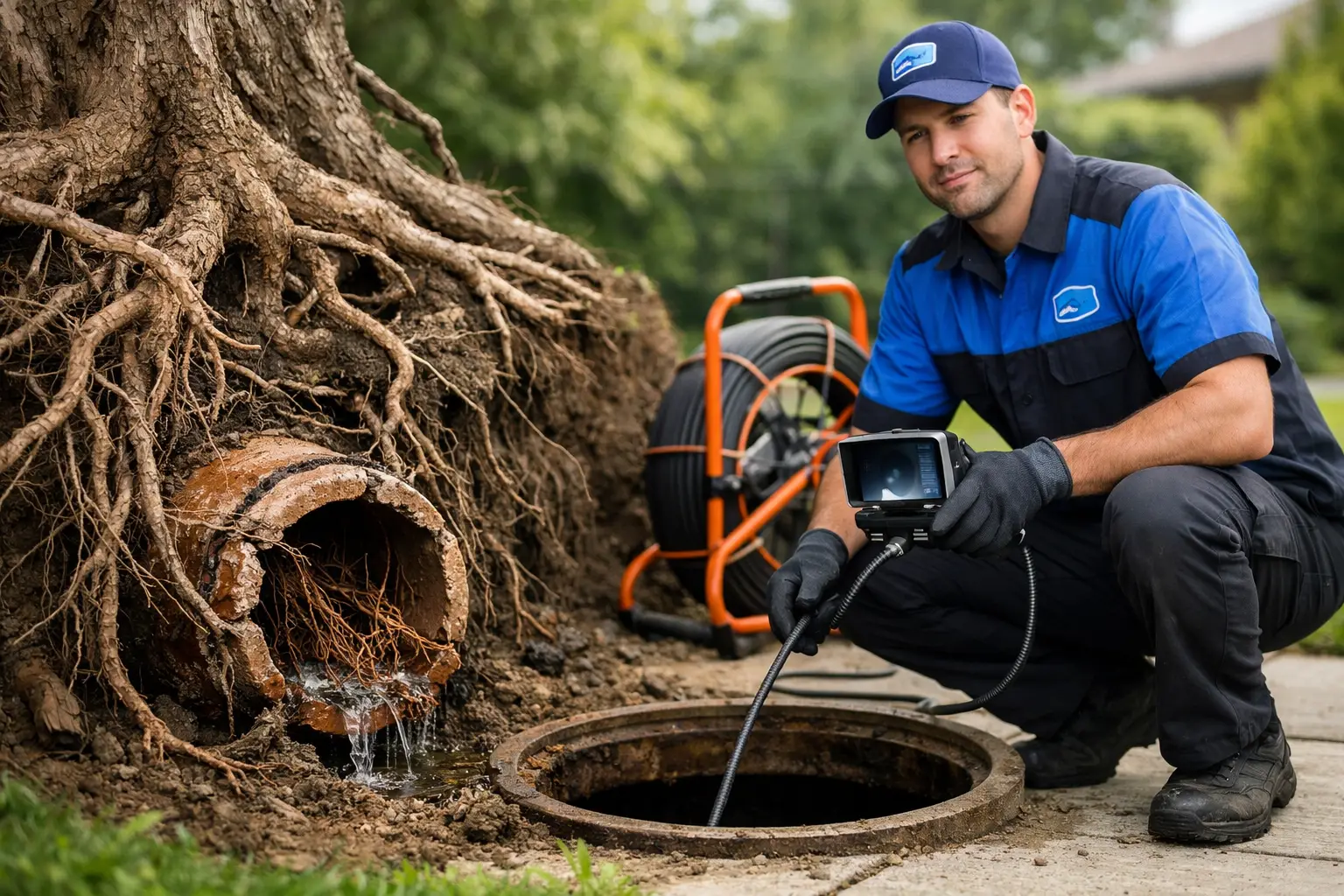
Avoid breaking open walls, pulling up flooring, or using chemical drain cleaners in an attempt to solve a hidden leak. Those steps can create additional damage and make the repair more expensive. A plumbing professional can use methods such as pressure testing, acoustic listening equipment, moisture detection, and camera inspection when appropriate to narrow down the source.
Know When to Shut Off the Water
Every household should know where the main water shutoff valve is located and how it works. It is commonly near the water meter, outside the home, in a garage, or close to where the main line enters the house. Test it carefully during routine maintenance so you are not learning how to use it during an emergency.
Shut off the main water supply if you see active flooding, a burst pipe, water coming through a ceiling, or a major leak that cannot be contained at a fixture shutoff valve. Then move electrical items away from the water if it is safe to do so. If water is near outlets, electrical panels, or appliances, avoid contact and seek emergency help as needed.
For a small leak beneath a sink or behind a toilet, use the individual fixture shutoff valve if it works. This can keep water available to the rest of the home while you arrange a repair. If the valve is corroded or difficult to turn, do not force it. A damaged valve can create a larger problem.
What Not to Do While Waiting for Service
Homeowners can reduce damage, but temporary measures have limits. Place a bucket under a manageable drip, dry standing water promptly, and take photos of visible damage for your records. Keep children and pets away from wet areas, particularly if the source could involve wastewater.
Avoid these common mistakes:
- Do not tape over a pressurized pipe as a permanent repair.
- Do not ignore a water bill increase just because there is no visible puddle.
- Do not use drain chemicals to solve a suspected supply-line leak.
- Do not delay when a ceiling is sagging, flooring is soft, or water is near electrical components.
A repair may be as simple as replacing a supply line or toilet flapper. It may also involve a damaged water line, a failing fixture, or a hidden pipe below the slab. The right solution depends on the location, condition of the plumbing, and extent of water damage. Honest diagnosis matters because repairing only the visible symptom can leave the actual leak in place.
Professional Leak Detection Protects More Than Plumbing
A qualified plumber does more than find water. They help determine whether the issue is on a fixture, a branch line, the main water line, a drain, or an irrigation connection. That distinction affects the repair plan, the cost, and how much of your home needs to be disturbed.
At El Plomero Latino Inc., homeowners can expect clear communication, flat-rate upfront pricing, and respectful service when a leak needs professional attention. The priority is to locate the source accurately, explain the available repair options, and help protect your home from further damage.
If something in your home feels off – a bill that keeps climbing, a new musty odor, a meter that will not stop moving – trust that instinct. Catching a leak early is one of the simplest ways to protect your home, your budget, and your peace of mind.