



A hidden plumbing leak rarely announces itself with a burst pipe or a flooded floor. More often, it starts with a water bill that feels too high, a faint musty smell in the hallway, or one spot on the floor that never seems to dry. Knowing the signs of hidden pipe leaks can help you act before a small repair becomes damaged flooring, mold growth, or a major water loss.
For Central Florida homes and businesses, early attention matters. Many water lines run behind walls, under concrete slabs, through ceilings, or beneath cabinets, where a leak can continue for days or weeks without being obvious.
1. Your Water Bill Rises Without a Clear Reason
A higher water bill is often one of the first warnings. Seasonal changes, extra guests, irrigation use, or filling a pool can all increase consumption, so one bill alone does not always prove there is a leak. But a steady increase when your household routine has not changed deserves a closer look.
Compare your recent bills and look at the number of gallons used, not only the total charge. If usage keeps climbing despite normal habits, water may be escaping somewhere out of sight.
A simple meter check can offer another clue. Turn off faucets, appliances that use water, and irrigation if possible. Then check the water meter, wait 30 to 60 minutes without using water, and check again. Movement on the meter may indicate a leak. This test cannot identify where the leak is located, but it can tell you that further inspection is worthwhile.
2. You Notice Musty Odors or New Mold Growth
A damp, earthy smell in a bathroom, bedroom, closet, or under-sink cabinet should not be ignored. Florida humidity can make homes feel damp at times, but humidity alone usually does not create a persistent odor in one specific area.
A concealed pipe leak provides moisture that mold needs to grow. You may see dark spotting near baseboards, beneath a vanity, around drywall seams, or inside a cabinet. Mold can also grow behind a wall before it becomes visible, especially if the leak is slow.
Cleaning the surface may improve the appearance temporarily, but it does not solve the moisture source. Before repainting or replacing damaged materials, have the area checked. Otherwise, the same problem can return and spread.
3. Walls, Ceilings, or Floors Change Appearance
Water changes building materials. A hidden leak may leave a yellow or brown stain on a ceiling, cause paint to bubble, make drywall feel soft, or create peeling wallpaper. These signs can appear far from the actual pipe because water follows framing, wiring paths, and gravity before it becomes visible.
Flooring can also reveal a problem. Wood may cup or buckle, laminate may lift at the edges, and vinyl flooring may loosen. Tile is more water-resistant, but moisture below it can still weaken the adhesive or affect the subfloor.
Do not assume a stain is old just because it is dry to the touch. A previous roof leak, an overflowing fixture, and a plumbing leak can look similar at first. A qualified plumber can help determine whether plumbing is the source before unnecessary repairs are made.
4. There Is a Warm Spot on the Floor
An unexpectedly warm area on a tile, concrete, or hard floor can point to a hot-water line leak beneath the slab. This is one of the more recognizable signs of hidden pipe leaks in Florida homes built on slab foundations.
Warm flooring does not always mean a slab leak. Sun exposure, nearby appliances, and heated rooms can affect floor temperature. Still, if a warm spot is localized, appears where it should not, or comes with higher water use or the sound of running water, it is time for professional leak detection.
Slab leaks should be addressed quickly. Left alone, they may waste significant water and can contribute to shifting soil, flooring damage, and structural concerns over time. The right repair depends on the pipe material, leak location, access, and the overall condition of the water line. Sometimes a targeted repair is appropriate; in other cases, rerouting or replacing aging pipe may offer better long-term value.
5. You Hear Water When Nothing Is Running
When the house is quiet, listen for a faint hiss, trickle, or rushing sound near walls, floors, or ceilings. Water moving through pipes when no fixture is on can be a warning sign, especially if the sound is new or seems to continue for long periods.
Keep in mind that some sounds are normal. A refrigerator ice maker, water softener, irrigation system, or toilet refilling can create intermittent noise. The concern is a steady sound that continues after those sources have been ruled out.
A toilet with a failing flapper can also quietly waste a great deal of water and mimic a hidden leak on your bill. A plumbing inspection can separate a simple fixture repair from a leak inside the home or underground.
6. Water Pressure Has Dropped
Low water pressure can result from mineral buildup, a failing pressure regulator, municipal supply issues, or several fixtures running at once. But when pressure suddenly drops throughout the home, a leaking water line is one possible cause.
Pay attention to whether the issue affects both hot and cold water. If only hot water pressure is weak, the concern may be related to the water heater or hot-water piping. If pressure is low at one faucet only, the aerator or fixture may be the issue. Pressure changes across multiple fixtures call for a more thorough evaluation.
7. Your Foundation Area Stays Wet or Muddy
A wet patch near the foundation, a persistently muddy area in the yard, or grass that grows faster in one isolated spot may signal a leaking underground water line. This can be easy to miss during Florida’s rainy season, so look for patterns after dry weather.
Water pooling near a building is not always a pipe problem. Poor drainage, clogged gutters, air conditioner condensate, and irrigation overspray are common causes. Still, if the wet area remains while irrigation is off and rain has passed, it should be checked.
For commercial properties, unexplained wet areas near walkways, landscaping, or building entrances should be addressed promptly. They can create slip hazards, affect landscaping, and lead to higher utility costs.
8. The Water Heater Runs More Often Than Usual
If a hot-water pipe is leaking, the water heater may work harder to replace the heated water leaving the system. You may notice that hot water does not last as long, the unit cycles more often, or energy costs rise along with the water bill.
Aging water heaters can have their own performance problems, so this symptom is not conclusive by itself. It becomes more meaningful when paired with warm floors, moisture, low hot-water pressure, or a meter that shows continuous water use.
9. You See Cracks, Shifting, or Unexplained Damage
Small cracks in concrete or drywall are common as homes settle, particularly in Florida’s heat and changing ground conditions. They do not automatically mean there is a slab leak. However, new cracks combined with warm flooring, unexplained moisture, or a growing water bill should not be dismissed.
Water under or around a foundation can affect the soil and may worsen existing movement. A plumber can confirm whether a plumbing leak is present, while a structural professional can advise on foundation concerns when necessary. Addressing the water source early is the practical first step.
What to Do If You Suspect a Hidden Leak
Start by limiting unnecessary water use and checking for obvious sources, such as dripping faucets, running toilets, leaking appliance hoses, or wet cabinets. Take photos of stains, pooling water, or damaged surfaces. If you can safely do so, note your water meter reading before and after a period with no water use.
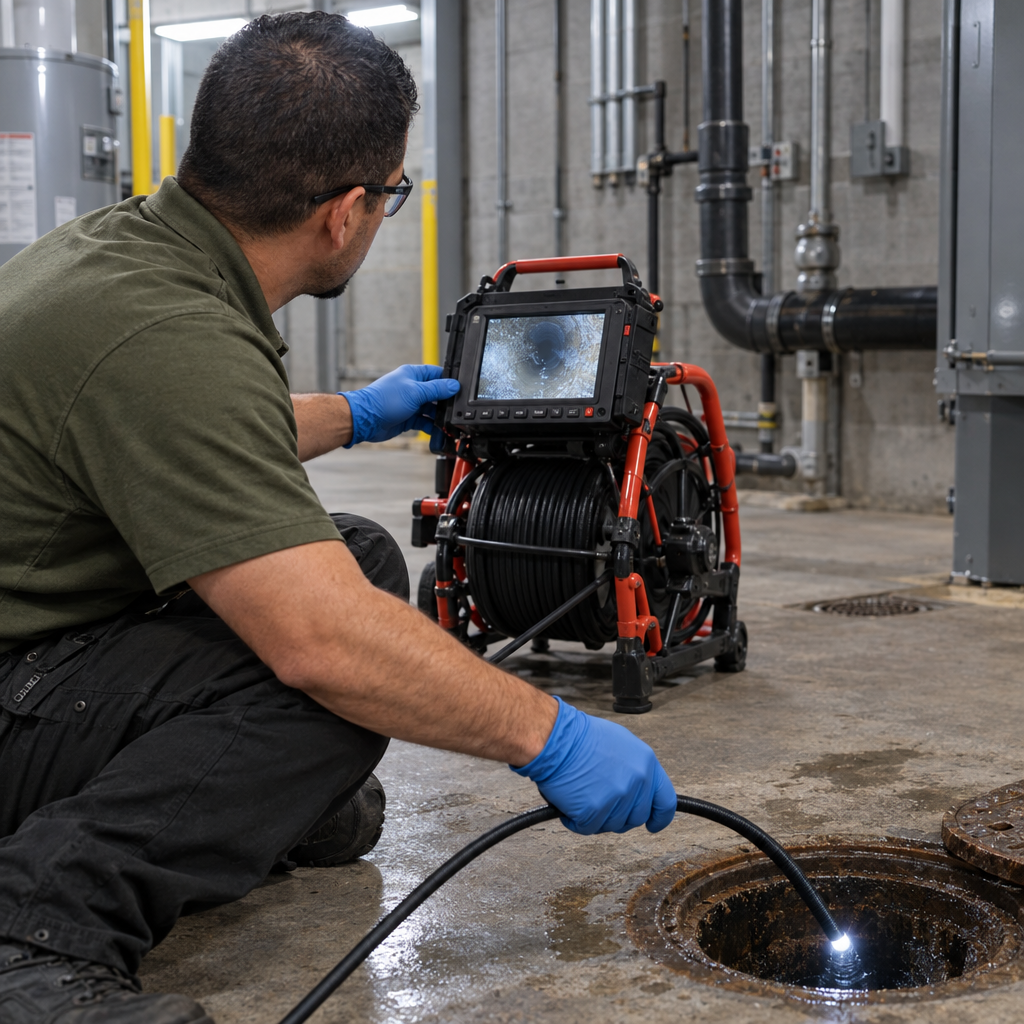
Avoid opening walls, breaking tile, or digging near underground lines based on a guess. Hidden leaks require accurate detection. Professional plumbers can use methods such as pressure testing, acoustic listening equipment, moisture readings, and camera inspection when appropriate to narrow down the source without unnecessary damage.
If water is actively spreading, a ceiling is sagging, or you suspect a major leak, shut off the main water supply if you know where it is and contact a licensed plumber promptly. For homeowners, property managers, and businesses in the Orlando area, fast diagnosis can protect the property and avoid paying for water that never reached a fixture.
A leak may be out of sight, but it should never be out of mind. El Plomero Latino Inc. provides clear communication, upfront flat-rate pricing, and dependable leak detection so you can make a confident repair decision before hidden water damage grows.