

A toilet that bubbles when the washing machine drains, a shower that backs up without warning, or a sour odor near the yard can turn a normal day into a plumbing emergency. When the main sewer line is involved, homeowners and property managers quickly face a difficult question: which of the sewer repair versus replacement options will actually solve the problem without spending more than necessary?
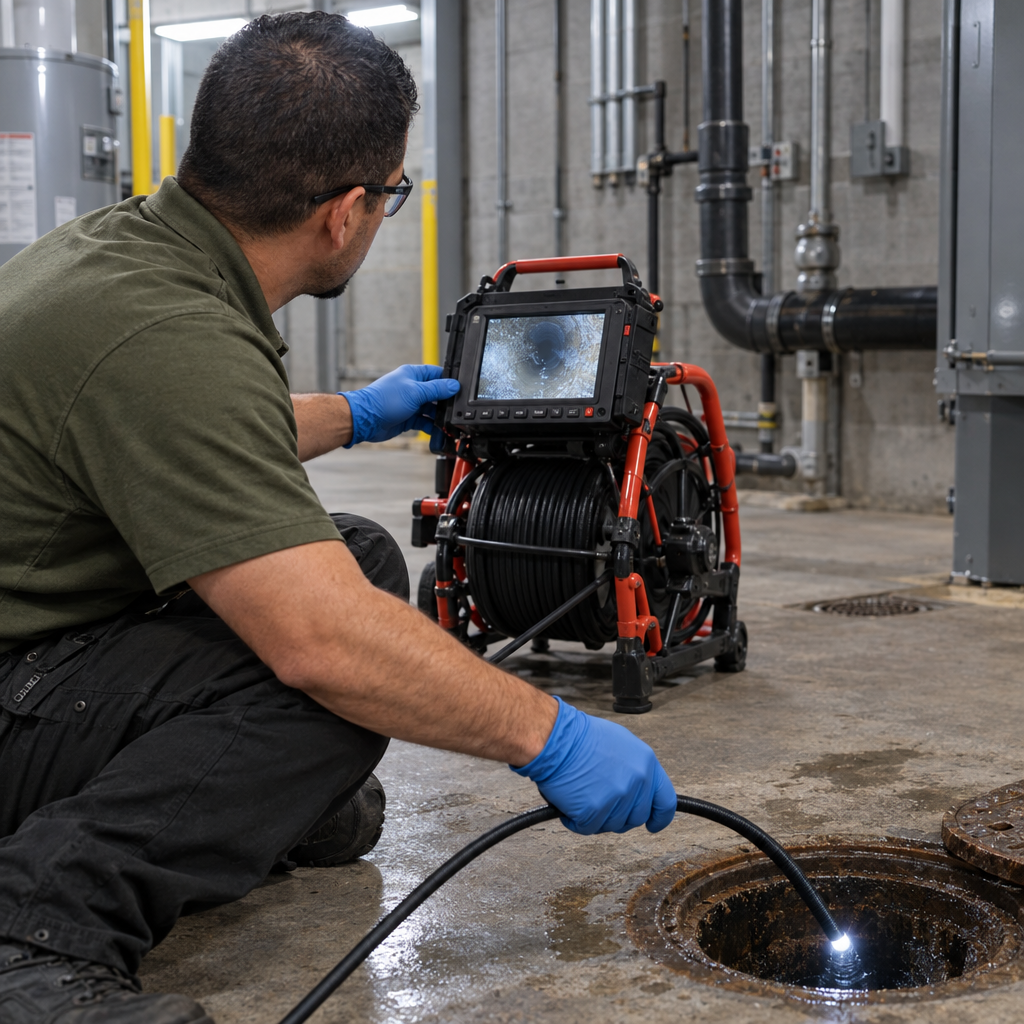
The right answer depends on what is happening inside the pipe, not just what is visible at a drain. A professional sewer camera inspection gives you the facts needed to make a confident decision. It can show whether the line has one isolated break, widespread corrosion, root intrusion, sagging sections, or a pipe that has reached the end of its useful life.
Sewer Repair Versus Replacement Options: Start With the Cause
A sewer line carries wastewater from your home or building to the municipal sewer connection or septic system. When that line is damaged or blocked, the symptoms can show up throughout the property. Repeated clogs in multiple fixtures, sewage backups, slow drains, wet spots in the yard, and foul smells all deserve prompt attention.
The same symptom can come from very different problems. Roots may have entered through a small joint opening. Grease, wipes, or other debris may have created a severe blockage. An older cast-iron line may be scaled and deteriorating from the inside, while a section of PVC may have cracked because of ground movement. Treating every issue as a full replacement can cost more than the situation calls for. Treating a failing system with a small patch can lead to another backup and another service call.
That is why the condition of the entire line matters. A camera inspection identifies the location and type of problem, while the plumber considers the pipe material, its age, the depth of the line, access to the area, and whether damage appears in one place or across several sections.
When Sewer Repair Is the Better Choice
Sewer repair is often a smart, cost-conscious solution when the problem is isolated and the rest of the pipe is in good condition. For example, one cracked section, a separated joint, or a localized root intrusion may be corrected without replacing the full line.
A conventional spot repair involves accessing the damaged section, removing it, and installing new pipe and fittings. This can be the right approach when the repair area is easy to reach, such as an open yard or a section near a cleanout. It is also useful when a camera inspection confirms that the remaining pipe has solid walls and proper slope.
In some situations, trenchless methods can reduce disruption. Pipe lining creates a new inner surface within an existing pipe when the host pipe is suitable for lining. Pipe bursting replaces a damaged pipe by pulling new pipe through the old path. These methods are not automatic answers, but they can be valuable when the sewer route runs beneath landscaping, sidewalks, driveways, or parts of a building.
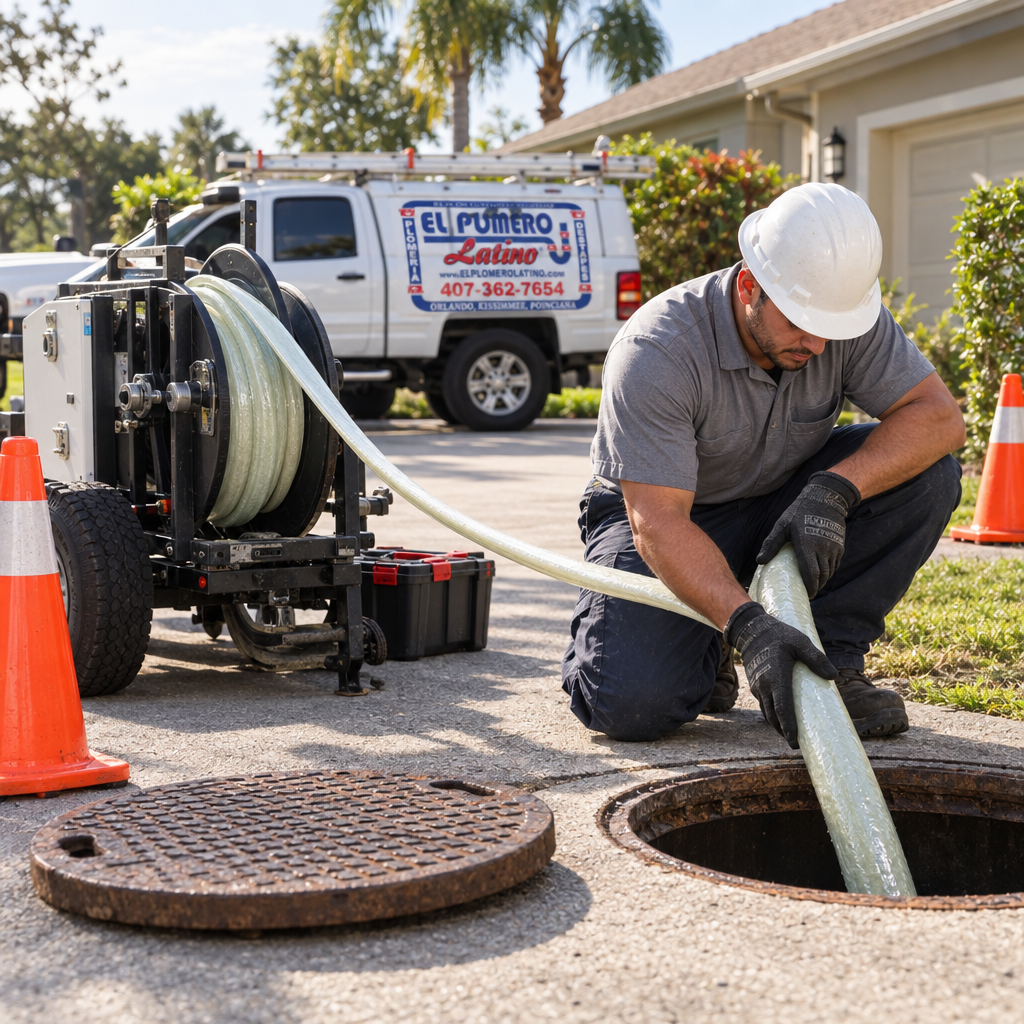
Hydrojetting may also be recommended before or alongside a repair. High-pressure water can remove heavy buildup, roots, and debris from a line. It is an effective cleaning tool, but it does not repair broken, collapsed, or badly corroded pipe. If a line is structurally failing, cleaning it may restore flow temporarily while leaving the real issue behind.
A repair makes the most sense when it delivers a reliable fix, not just a short break from the symptoms. Honest recommendations should explain what the camera found, why a particular repair is appropriate, and what future concerns may still exist with the older portions of the line.
Repairs can be a good fit when:
A single section is cracked or offset, roots are entering at one repairable joint, a blockage has not caused permanent pipe damage, or the rest of the sewer line is structurally sound. A recent line with one unexpected issue is usually a stronger repair candidate than a decades-old system with damage in several locations.
When Full Sewer Line Replacement Makes More Sense
Replacement becomes the more dependable option when problems are widespread, recurring, or structural. No homeowner wants to replace a sewer line before it is necessary. At the same time, repeated patches to a failing pipe can become more expensive and disruptive than a planned replacement.
Older cast-iron sewer lines are a common example. Over time, cast iron can corrode, develop rough interior surfaces, collect buildup, and weaken. In Central Florida, shifting soil, root growth, and high groundwater conditions can add stress to underground pipes. If a camera inspection reveals multiple breaks, extensive scale, bellies that hold water, or sections that are collapsing, replacement may offer the better long-term value.
A sewer line replacement removes the unreliable portions of the system and installs new piping designed for dependable drainage. The work may require excavation, but a qualified plumbing team will evaluate whether trenchless replacement is feasible before recommending the approach. The goal is to protect your property while completing work that lasts.
Replacement is also worth serious consideration if backups have become a pattern. A line that needs frequent snaking or hydrojetting may be telling you that cleaning alone is no longer enough. For a restaurant, condo association, rental property, or commercial facility, recurring sewer issues can create sanitation concerns, downtime, tenant complaints, and lost revenue. A planned replacement often gives property owners more control than waiting for a complete failure.
Signs replacement may be the wiser investment
Frequent backups, multiple damaged sections, a collapsed pipe, severe corrosion, persistent root intrusion, and an improperly sloped line are all reasons to discuss replacement. The decision should be based on clear evidence, not pressure or guesswork.
What Affects the Cost and Scope of the Work?
There is no honest one-size-fits-all price for sewer repair or replacement. The scope depends on the length of pipe involved, where it runs, how deep it is buried, the pipe material, local permit requirements, restoration needs, and whether access requires removing concrete or landscaping.
A small repair in an accessible yard will generally require less labor and restoration than replacing a line beneath a driveway or commercial building. Trenchless options can reduce surface disruption, but they are not always less expensive in every situation. The existing line must be an appropriate candidate, and the equipment and site conditions matter.
Ask for clear, flat-rate upfront pricing after the inspection and diagnosis. You should understand what work is included, what type of material will be installed, whether permits are needed, how the area will be accessed, and what warranty applies. Financing can also help make a necessary sewer project more manageable without delaying a repair that could protect the property from further damage.
A Practical Way to Make the Decision
First, do not rely on a drain snake alone to diagnose a recurring main-line issue. Clearing a blockage may restore drainage, but it cannot show whether the pipe is broken, misaligned, or deteriorated. Request a camera inspection and ask to see the findings explained in plain language.
Next, compare the expected life of each solution. If a spot repair addresses one isolated defect and the rest of the line is healthy, repair can be a responsible choice. If the line has several weak areas or has already failed repeatedly, replacement may prevent ongoing emergency calls and property damage.
Finally, consider disruption alongside cost. A less expensive repair that must be repeated every year is not always the lower-cost path. On the other hand, a full replacement is not automatically necessary just because a line is old. The best recommendation is the one that matches the actual condition of your sewer line, your property, and your long-term plans.
For homeowners and businesses in Orlando, Kissimmee, St. Cloud, Davenport, and surrounding Central Florida communities, El Plomero Latino Inc. provides clear explanations, professional sewer inspections, and repair or replacement recommendations built around the condition of the line. You deserve straightforward answers, respectful service, and work done right the first time.
If you notice a new backup, repeated slow drains, or sewage odors, act before wastewater reaches floors, walls, or customer areas. A timely inspection can turn an uncertain sewer problem into a clear plan for protecting your home or business.