



A hidden leak usually does not start with water pouring through the ceiling. More often, it starts with a higher water bill, a musty smell in one room, or a spot on the wall that seems a little darker than usual. If you are wondering how to spot hidden leaks before they turn into major repairs, the good news is that your home or building often gives clear warning signs.
In Central Florida, leaks can get expensive fast. Heat, humidity, slab foundations, irrigation systems, and year-round plumbing use can all make small issues harder to notice until damage spreads. That is why early detection matters. The sooner you catch a hidden leak, the better your chances of avoiding structural damage, mold, flooring problems, and wasted water.
Why hidden leaks are easy to miss
Some leaks stay out of sight because they happen behind walls, under flooring, above ceilings, or underground. Others leak so slowly that the change feels minor at first. A tiny pinhole in a pipe or a worn seal under a sink can waste a surprising amount of water over time.
The challenge is that hidden leaks rarely announce themselves in one obvious way. You might notice a smell before you see a stain. You might hear running water before your bill spikes. In commercial spaces, especially restaurants, condos, and busy facilities, normal daily activity can hide those early clues even longer.
How to spot hidden leaks: the first signs to check
One of the easiest places to start is your water bill. If your monthly usage jumps and your habits have not changed, that is a strong signal something is wrong. A seasonal increase can happen, especially with outdoor watering, but a steady unexplained rise deserves attention.
Next, pay attention to odors. A persistent musty smell often means moisture is trapped somewhere it should not be. Bathrooms, laundry rooms, kitchens, utility closets, and rooms near water heaters are common problem areas, but leaks can travel, so the smell may show up a few feet away from the actual source.
Visual changes also matter. Look for bubbling paint, peeling drywall, warped baseboards, stained ceilings, soft flooring, or dark patches on walls. These signs do not always mean a fresh leak, but they do mean moisture has been present.
Sound can help too. If you hear dripping, hissing, or faint running water when no fixtures are on, do not ignore it. In a quiet home at night, these sounds are often easier to notice.
Check your water meter for a hidden leak
If you want a simple way to narrow things down, your water meter can tell you a lot. Turn off all faucets, dishwashers, washing machines, irrigation, and any water-using appliances. Make sure no one in the building uses water during the test.
Then check the meter and note the reading. Wait about 30 minutes to an hour without using any water, then check it again. If the reading changes, there is a good chance water is moving somewhere in the system.
This test will not tell you exactly where the leak is, but it can confirm that you have a problem. For homes with irrigation systems or larger commercial plumbing layouts, it may take more targeted testing to isolate the line involved.
Rooms and areas where hidden leaks often start
Bathrooms
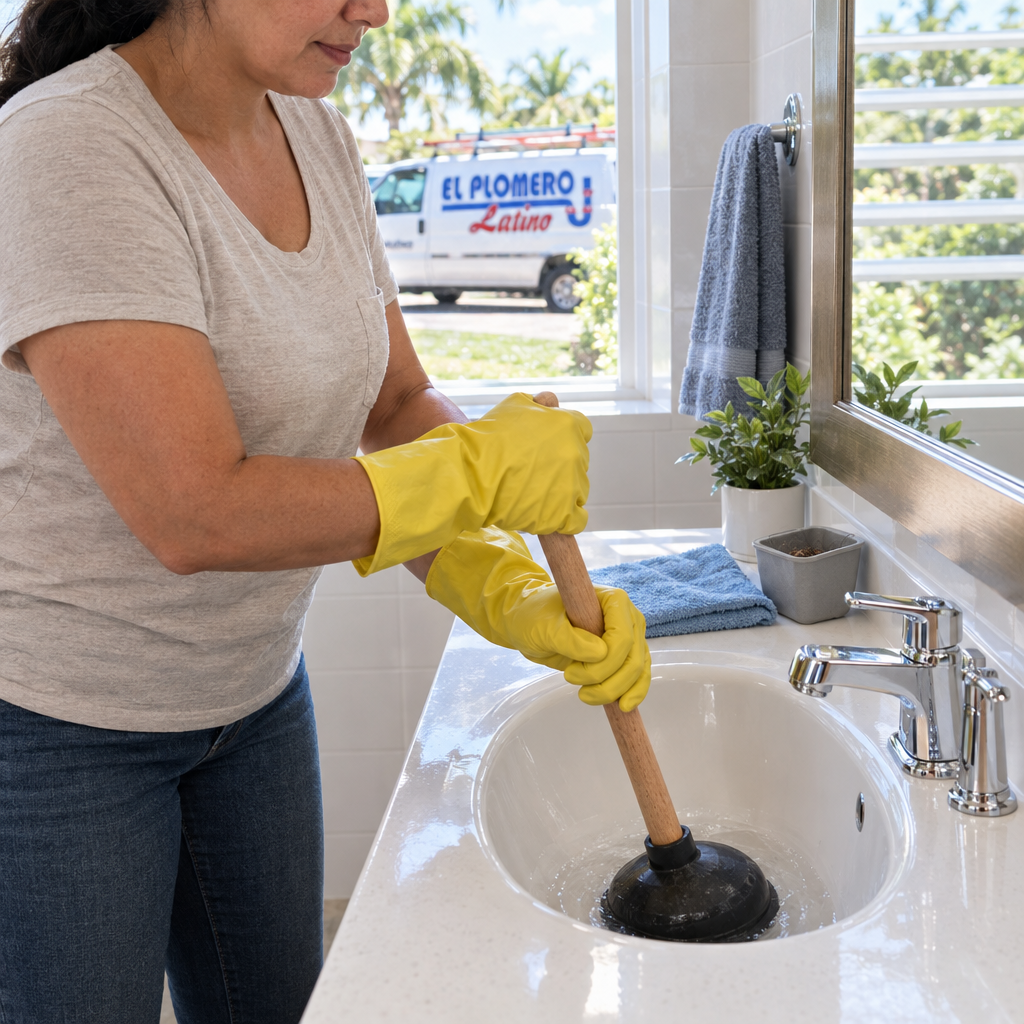
Bathrooms are one of the most common places for hidden leaks because they have several water connections in a small space. Check around toilets for loose flooring, staining at the base, or a toilet that seems to run longer than normal. Look under sinks for dampness, corrosion, or swollen cabinet bottoms.
Showers and tubs can also leak behind walls or under pans. Cracked caulking and worn grout may seem minor, but they can let water seep where it does not belong.
Kitchens and laundry rooms
Dishwashers, refrigerator water lines, sink drains, washing machine hoses, and shutoff valves all deserve a look. Sometimes the leak is not dramatic. It may just leave a cabinet floor soft, cause a faint odor, or create a small stain on the wall behind the appliance.
Laundry rooms are especially easy to overlook because many people only go in briefly. A slow hose leak can damage drywall and flooring for weeks before it is discovered.
Water heater areas
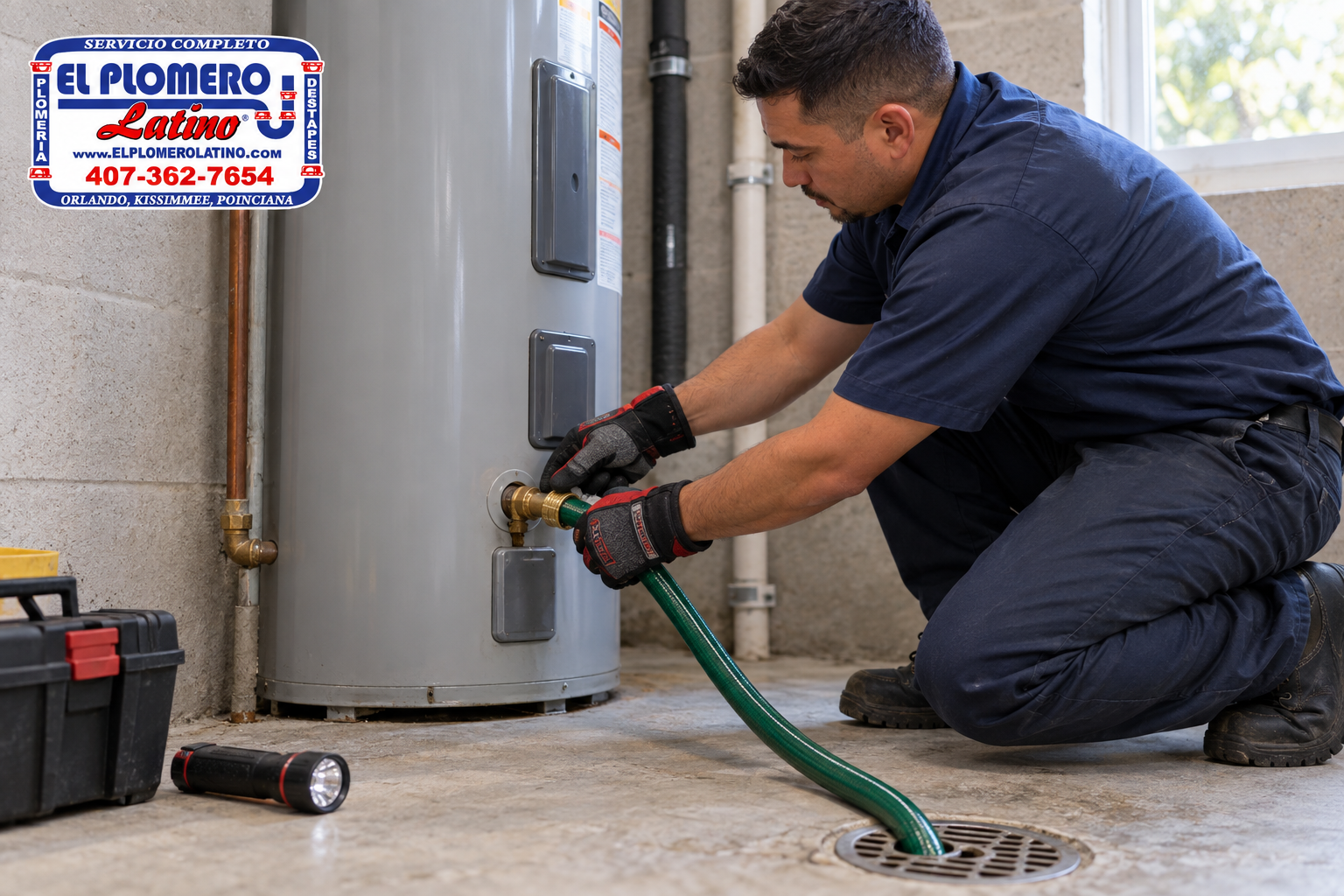
A leaking water heater does not always leave a giant puddle. Sometimes it starts with rust around fittings, moisture near the drain pan, or water collecting in small amounts. If the unit is in a garage or utility room, check the floor nearby and inspect surrounding walls for moisture marks.
Walls, ceilings, and floors
Water can travel. A ceiling stain may come from a bathroom above, a roof issue, or a nearby pipe. Wood and laminate floors may cup or lift when moisture gets underneath. Tile can loosen if water affects the substrate below.
If one area feels warmer, softer, or more humid than the rest of the room, that is worth investigating.
Signs of a slab leak or underground leak
Many Florida properties are built on slab foundations, and slab leaks can be harder to catch without professional equipment. Still, there are warning signs. You may notice warm spots on the floor, cracks in flooring, unexplained moisture along edges of rooms, or the sound of water running when everything is shut off.
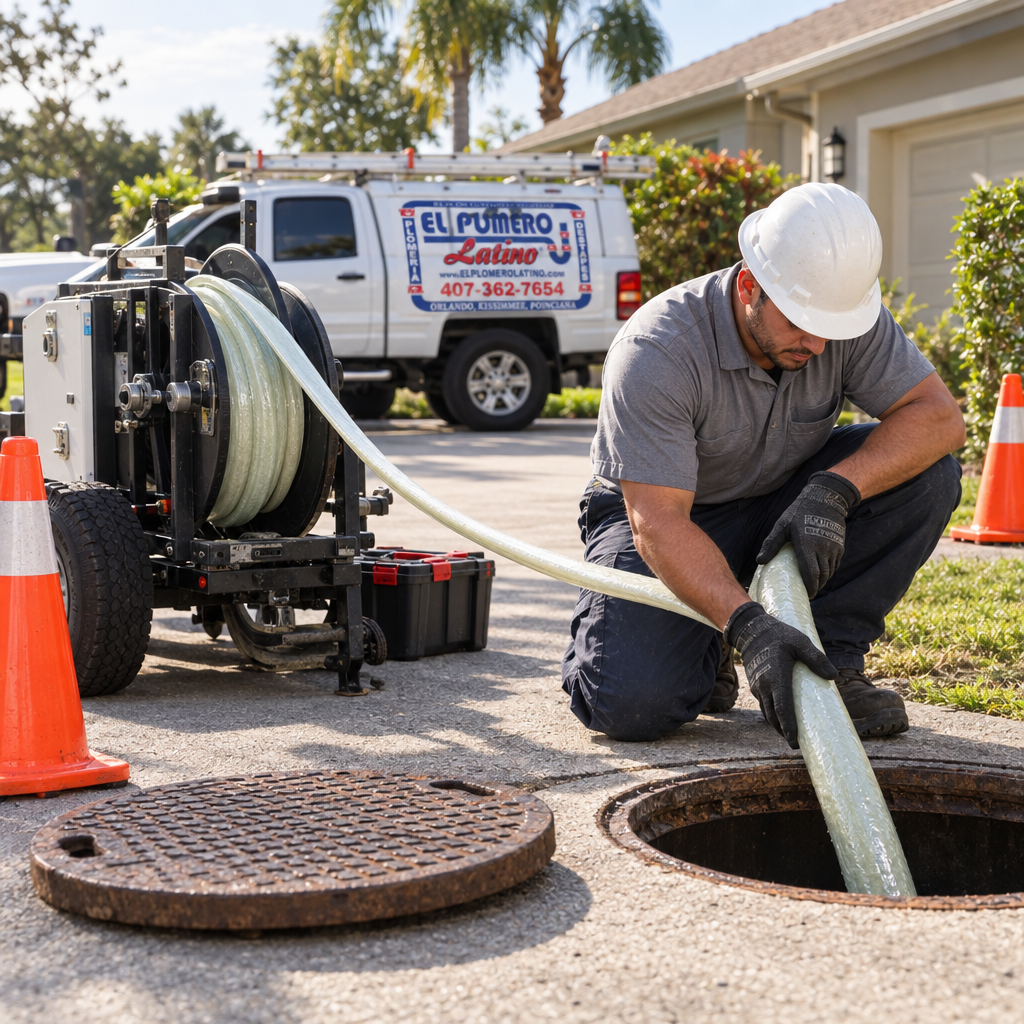
Outside, hidden leaks can show up as soggy patches in the yard, areas of unusually green grass, sinkholes in soil, or standing water near the foundation. If your irrigation system seems fine but one section of the yard is always wet, there may be a buried line problem.
With underground leaks, timing matters. Waiting usually means more water loss and a greater risk of damage to the foundation, landscaping, or paved areas.
Commercial buildings can hide leaks longer
For property managers, restaurants, and commercial operators, hidden leaks often stay unnoticed because water use is already high and many people use the plumbing system throughout the day. A leak behind a restroom wall or under a break room sink can blend into normal operations.
That is why routine walkthroughs matter. Staff should know to report discoloration, odors, soft ceiling tiles, warped materials, or unexplained wet areas right away. In commercial kitchens and busy facilities, quick response can prevent downtime and more expensive repairs later.
When a leak is not obvious but still urgent
Sometimes all the signs are indirect. Maybe your water bill is rising, but there are no stains. Maybe you smell moisture, but cannot find the source. That does not mean the leak is minor. In fact, the hardest leaks to find are often the ones that need professional leak detection tools.
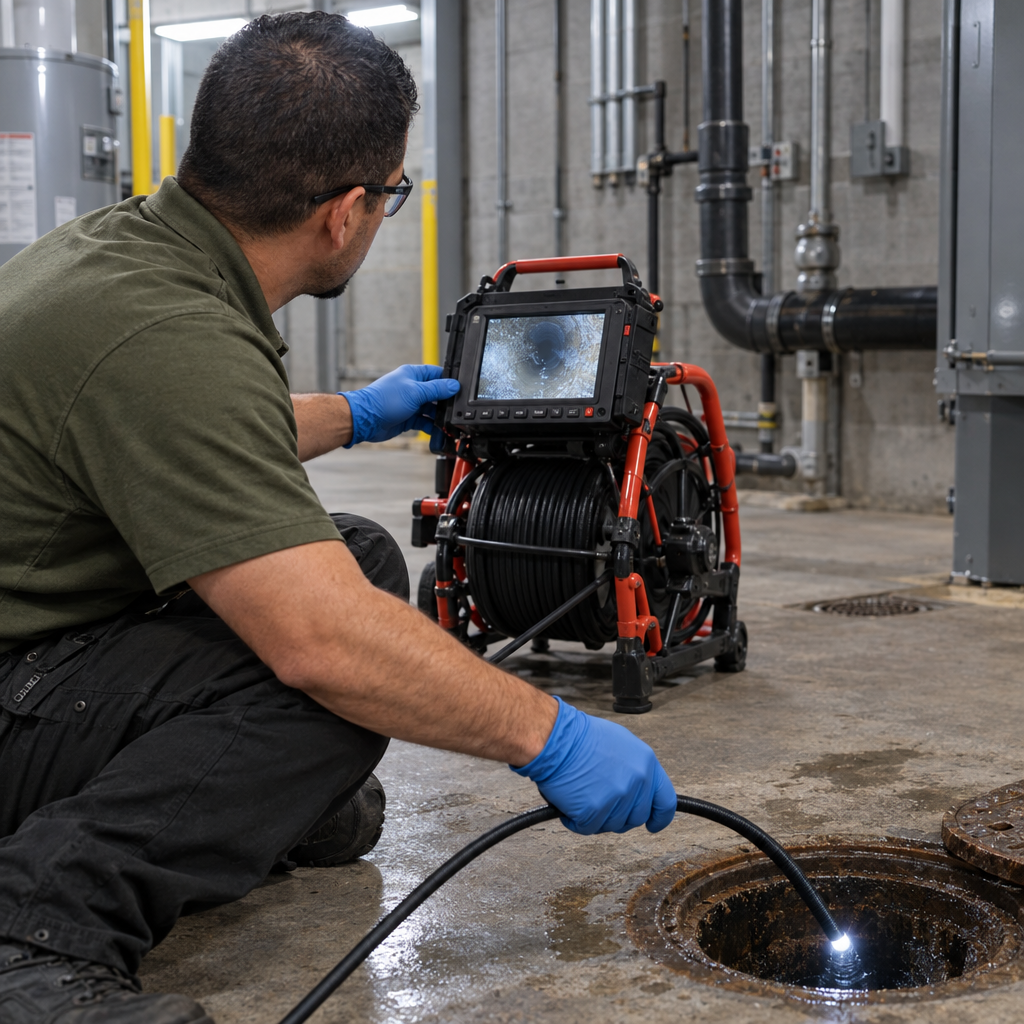
This is where experience matters. Moisture meters, pressure testing, acoustic listening equipment, thermal imaging, and sewer camera inspection can help pinpoint hidden plumbing issues without opening up more of the property than necessary. The goal is to find the exact source and fix it right the first time.
What not to do when you suspect a hidden leak
It is tempting to wait a few days and see if the problem gets worse. That usually costs more in the long run. Moisture damage spreads quietly, and mold can begin developing sooner than many people expect in Florida’s humid climate.
It is also easy to assume every stain or odor is a plumbing leak. Sometimes the issue could be roofing, HVAC condensation, or exterior drainage. That is another reason proper inspection matters. The right diagnosis saves time, money, and unnecessary repairs.
How to respond once you spot the signs
If you notice active leaking, shut off the nearest water supply if you can. For a larger issue, shut off the main water valve to protect the property until help arrives. Move rugs, boxes, or furniture away from affected areas and take photos if damage is visible.
Then have the system evaluated as soon as possible. A trustworthy plumbing company should explain what they found, what needs immediate repair, and what can wait if there are options. Clear communication matters just as much as the repair itself.
For families and businesses in the Orlando area, that peace of mind is a big part of what matters. You want honest answers, upfront pricing, and work backed by real accountability. That is exactly how El Plomero Latino Inc. approaches leak detection and plumbing repair.
A hidden leak does not stay hidden forever. The real question is whether you catch it while it is still a small repair or after it has damaged walls, floors, or your foundation. If something feels off, trust that instinct and get it checked. Acting early is one of the simplest ways to protect your home, your business, and your budget.