
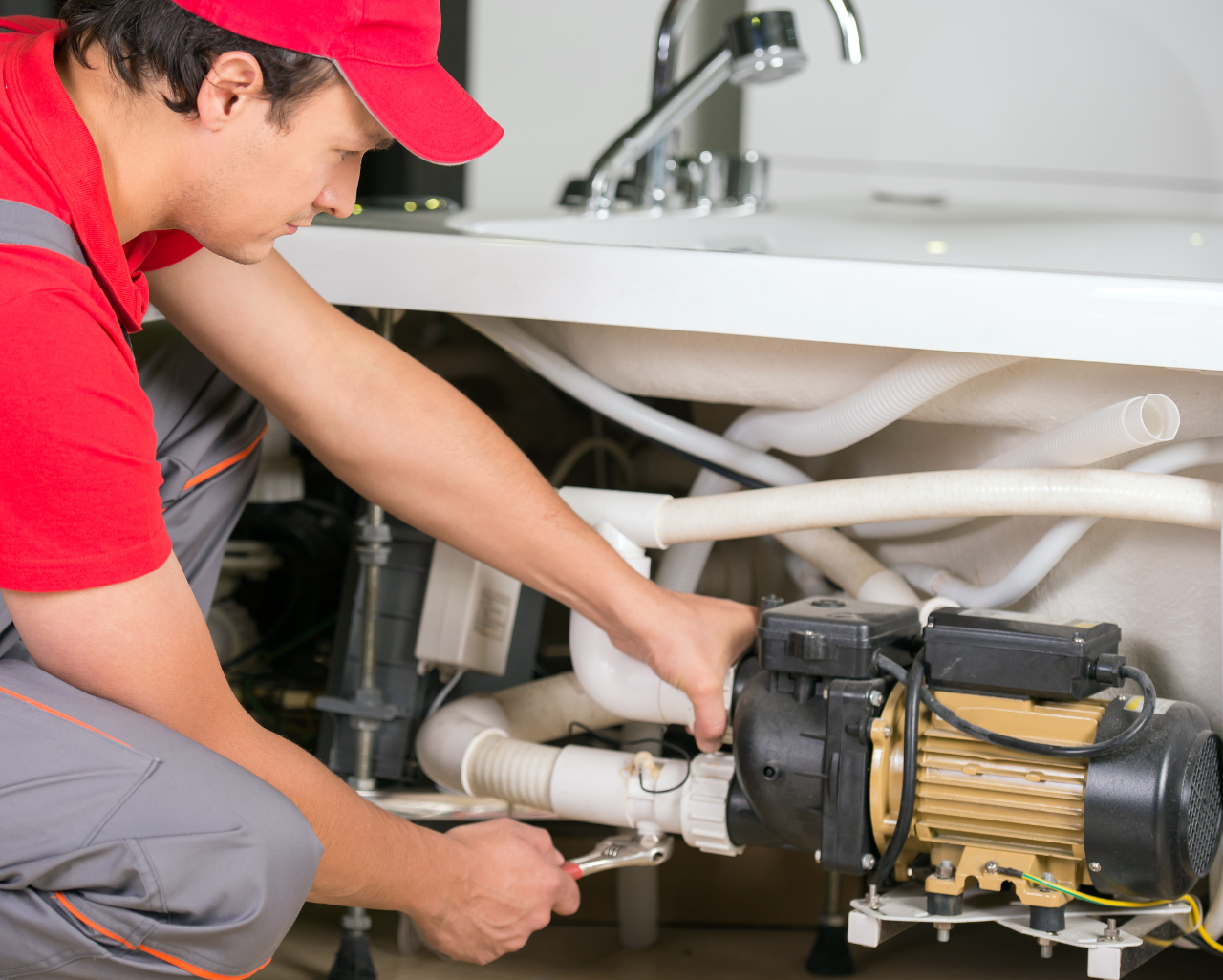
In many homes, it’s common for people to try to fix plumbing issues on their own without the help of a professional. Whether to save money, because they believe it’s a simple repair, or simply due to a passion for DIY projects, many opt to handle repairs themselves.
However, plumbing is a delicate and interconnected system that requires technical knowledge and experience. Making mistakes during a repair can lead to bigger consequences, from hidden leaks to structural damage or increased costs in the long run.
In this article, we’ll talk about the most common mistakes people make when doing plumbing repairs without experience, and why, in many cases, the best decision is to call a qualified professional.
The Most Frequent Mistakes in DIY Plumbing Repairs
1. Not shutting off the water supply before starting
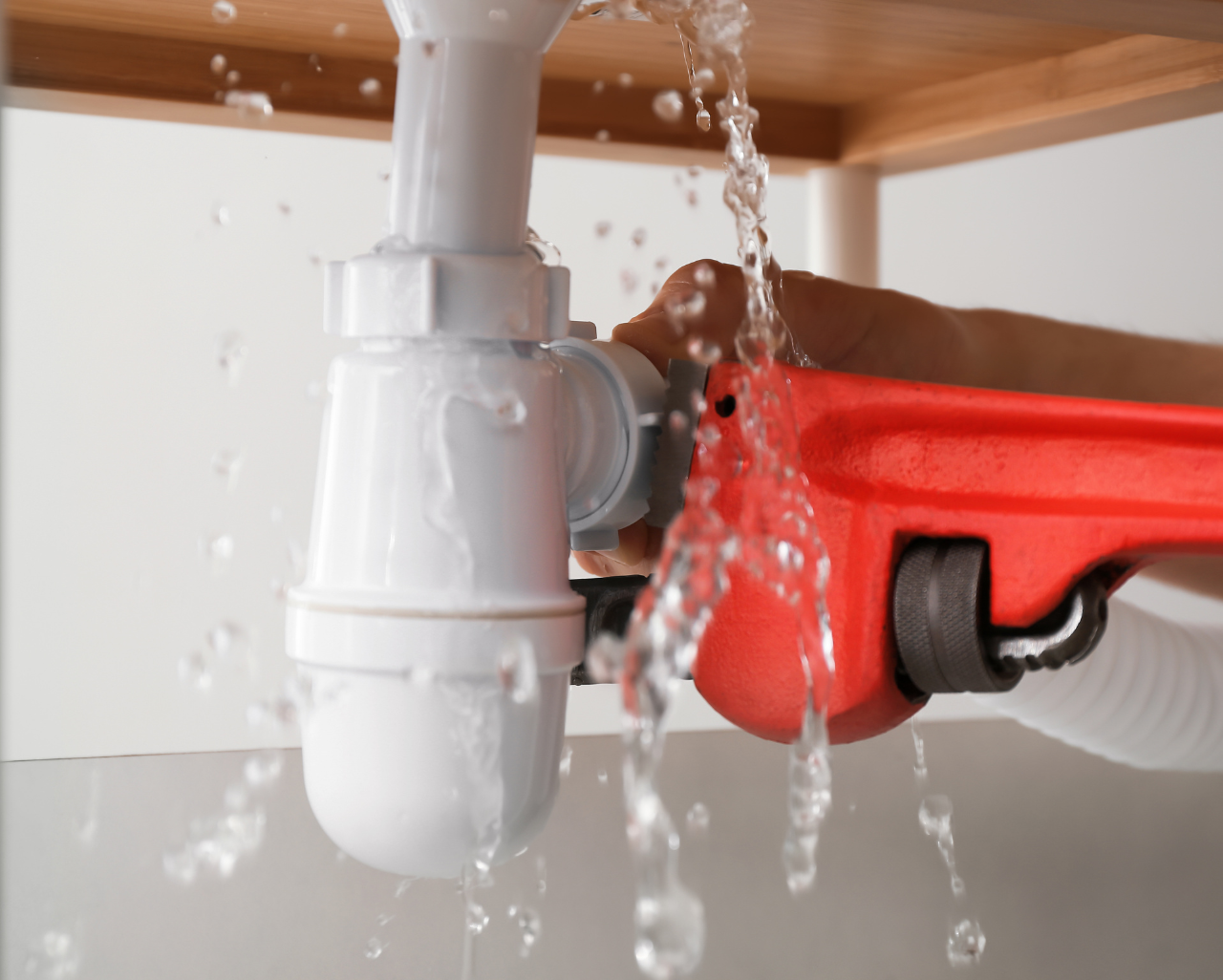
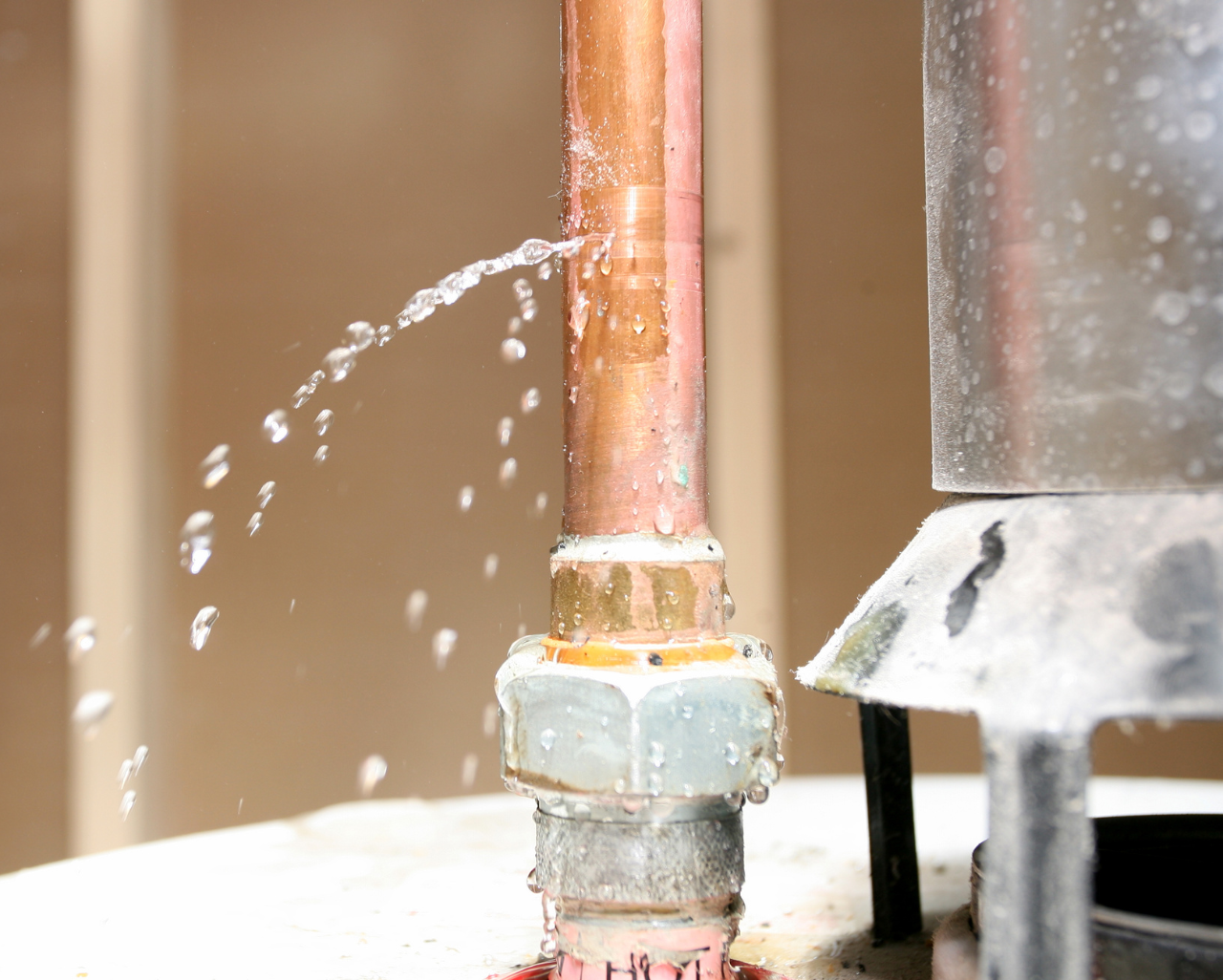
This is one of the most common and dangerous mistakes. Many people forget to shut off the main water valve before disassembling a pipe, replacing a faucet, or working on a connection. The result is often uncontrollable water leakage, damage to furniture, and even electrical short circuits if water reaches wiring.
Before doing any plumbing work, no matter how small, it’s essential to ensure that the water supply is completely shut off.
2. Using the wrong tools
Plumbing requires specific tools such as pipe wrenches, pipe cutters, sealants, and more. A very common mistake is using household or improvised tools, which can damage connections or fail to tighten properly, leading to future leaks.
Over-tightening with the wrong tools can also break plastic pipes or wear down the threads on metal fittings.
3. Choosing the wrong or low-quality materials
Another common mistake is selecting unsuitable materials, either due to lack of knowledge or trying to cut costs. For example, mixing PVC and copper pipes without the proper adapters can cause galvanic corrosion. It’s also common to use inappropriate sealants that can’t handle the water pressure or temperature.
Using low-quality materials might seem like a cheaper solution in the short term, but it often leads to much higher costs over time.
4. Relying too much on temporary fixes
Excessive use of Teflon tape, putties, or even glue to stop leaks may provide temporary relief, but rarely solve the root of the problem. Often, these methods hide more serious damage or poor assembly.
Temporary fixes are just that—temporary. If the source of the problem isn’t addressed, it’s likely to return worse than before.
5. Not respecting proper slopes or pipe diameters
When installing drainpipes or new connections, it’s essential to maintain a minimum slope so that water flows correctly. Likewise, using the wrong pipe diameter can cause clogs or insufficient pressure.
Many of these errors aren’t immediately noticeable, but over time they can lead to problems like bad odors, residue buildup, or even backflow.
6. Ignoring plumbing codes and regulations
Every city or country has technical regulations regarding plumbing installations. Ignoring these rules can result in fines or legal issues, especially in renovations or new constructions.
Also, a non-compliant installation might not be covered by insurance in case of accidents.
Why Avoid DIY Plumbing Repairs?
Beyond technical mistakes, it’s important to understand that plumbing is a vital system in any home. A small error can lead to major problems such as:
- Flooding that damages floors, furniture, and appliances
- Contamination of drinking water
- Moisture affecting walls, ceilings, and structural integrity
- Increased water bills due to undetected leaks
Plumbing isn’t just about tightening nuts or replacing a faucet. It involves proper diagnosis, planning, and execution. That’s why we always recommend relying on certified professionals who not only have the experience but also the right tools to do a safe, clean, and lasting job.
When to Call a Professional
While there are basic tasks you can do yourself—like changing a showerhead or unclogging a drain—there are certain warning signs that mean it’s time to call a plumber:
- Low water pressure without a clear reason
- Persistent leaks despite “repairs”
- Bad smells coming from pipes
- Discolored water or water with debris
- Visible cracks in connections
- Strange sounds from faucets or toilets
Remember, a professional diagnosis can save you time, money, and long-term problems.
Doing your own plumbing repairs may seem like a quick and cheap solution, but the most common mistakes often end up costing more than you saved. From poor installation to the use of unsuitable materials, the risks vary and are sometimes invisible—until it’s too late.
Instead of taking that risk, it’s better to rely on the support of a qualified professional. By doing so, you not only ensure an effective solution but also the peace of mind that your home is in good hands.