




A bathtub that drains slowly can turn a quick shower into standing water around your ankles. In most homes, the cause is a buildup of hair, soap residue, body oils, and mineral deposits near the drain opening. Knowing how to clear bathtub drain clogs safely can save time and help you avoid damaging pipes, finishes, or fixtures with the wrong DIY method.
The key is to start gently. A simple surface clog needs a different approach than a blockage deeper in the drain line. If the tub is completely full, multiple fixtures are draining slowly, or dirty water comes back up, the problem may be beyond the bathtub itself.
Start With the Simplest Way to Clear a Bathtub Drain
Before reaching for chemicals or taking apart plumbing, remove any visible material from the drain. Put on gloves, remove the drain stopper if possible, and use a flashlight to look inside the opening. Hair is often wrapped around the stopper linkage or collected just below the drain cover.
If you can see the buildup, use a plastic drain cleaning tool or a small drain hook to pull it out. Move slowly and pull upward. Pushing hair farther down the pipe can make the clog more difficult to remove.
After removing debris, run hot water for a few minutes. For many slow drains, this is enough to wash away loosened soap residue and confirm the water is moving normally again.
Remove and Clean the Stopper
Many bathtub drain problems begin at the stopper. Pop-up, toe-touch, and trip-lever stoppers each collect hair differently, but they can usually be removed with basic hand tools. Take a quick photo before disassembling anything so you know how the parts fit back together.
Clean the stopper with an old toothbrush and warm, soapy water. If it has a linkage assembly, wipe away buildup and check whether it moves freely. A stopper that does not open fully can look like a clog because it restricts water flow even when the drain line is clear.
Do not force screws or metal parts that are corroded. Older bathtub hardware can break unexpectedly, especially in Florida homes where humidity and age have taken a toll on metal fixtures.
Use a Plunger the Right Way
A plunger can be very effective for a bathtub clog, but it needs a good seal to work. Use a flat-bottomed cup plunger rather than a toilet plunger. Add enough water to cover the plunger cup, then cover the overflow opening on the front wall of the tub with a wet washcloth.
The overflow opening must be sealed because air can escape through it instead of creating pressure in the drain. Place the plunger over the drain and make several firm, controlled strokes. You are trying to loosen the blockage, not use enough force to damage a worn drain connection.
Check the drain after each set of plunges. If the water begins to move but remains slow, repeat the process once or twice. If nothing changes, move to a drain tool rather than continuing to plunge aggressively.
Use a Drain Snake for Deeper Hair Clogs
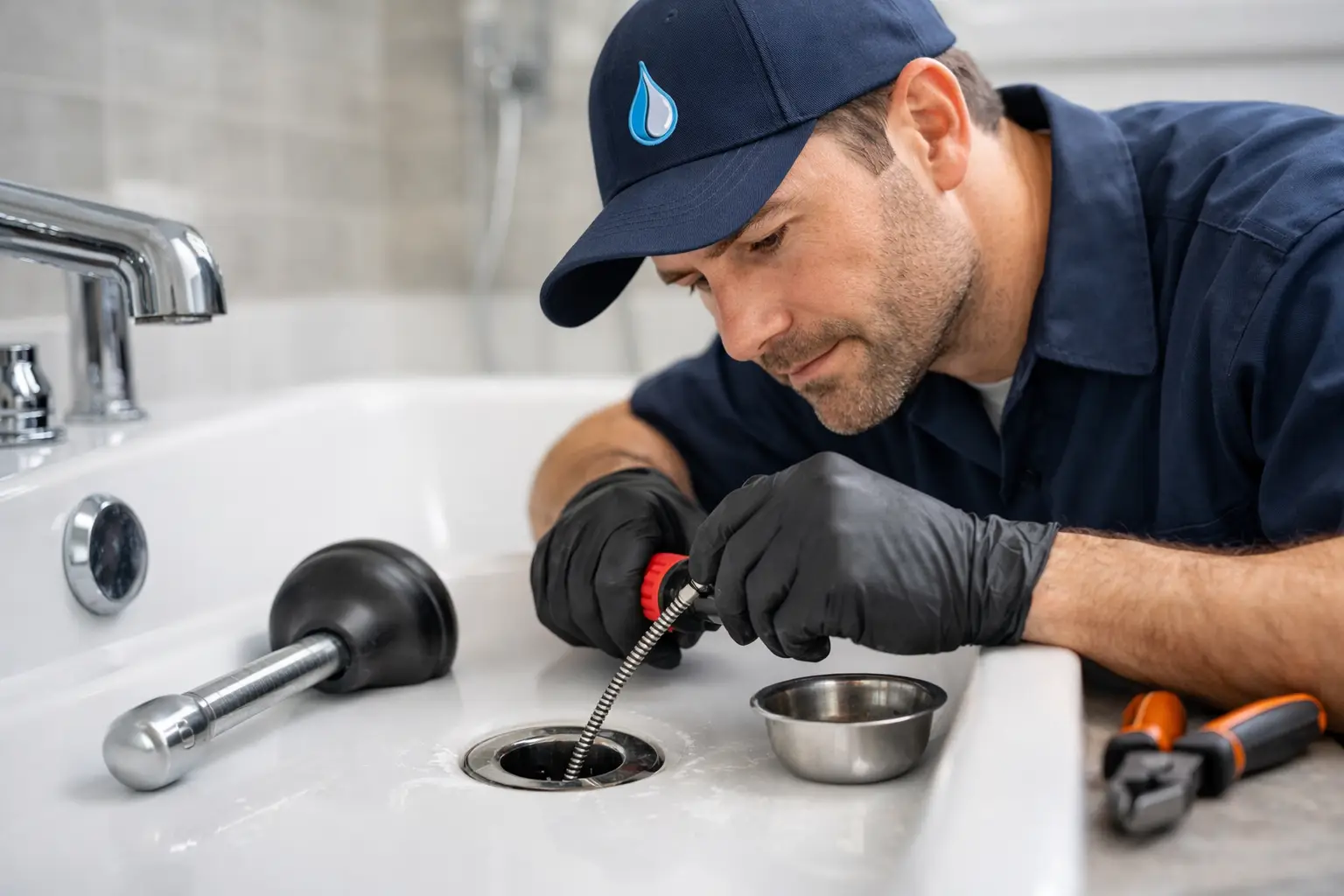
When cleaning the stopper and plunging do not solve the problem, a hand-crank drain snake may reach the clog. A small manual snake is usually appropriate for a bathtub drain, especially when hair has collected farther into the trap or branch line.
Feed the cable into the drain gently. Turn the handle as you advance it, and do not force it if you meet strong resistance. The cable may have reached a bend in the pipe rather than the clog. Pull it back slightly, rotate it, and advance again.
Once the cable catches debris, slowly withdraw it and clean the cable outside or into a trash bag. Run water to test the drain. This job can be messy, but patience matters. Forcing a snake can scratch a tub finish, damage a drain assembly, or leave the cable stuck in the line.
When the Overflow Opening Is the Better Access Point
Some bathtub configurations make it difficult to get a snake through the drain opening. A plumber may access the line through the overflow opening after removing the cover plate. This can provide a clearer path into the drain, but it also involves the stopper linkage on many tubs.
For homeowners, this is often the point where professional help makes more sense. Reassembling a trip-lever assembly incorrectly can cause drainage problems or make the stopper hard to operate.
What Not to Put Down a Clogged Bathtub Drain
Chemical drain cleaners are tempting because they promise a fast fix. The trade-off is that harsh products can be tough on older pipes, rubber seals, and metal fixtures. They can also leave caustic liquid sitting in the tub if the clog does not clear, creating a safety risk for anyone who later removes the stopper or snakes the drain.
Avoid mixing drain cleaners with vinegar, bleach, ammonia, or any other product. Never use a second chemical after the first one fails. Dangerous fumes and heat can result from combining products, and the mixture may harm plumbing components.
A baking soda and vinegar mixture is sometimes suggested for routine deodorizing, but it is not a reliable solution for a packed hair clog. It may freshen the drain, yet it usually does not have enough force to remove the material blocking water flow.
Also avoid using wire coat hangers. They can scratch the drain, break apart inside the pipe, or push the clog deeper. A purpose-made plastic drain tool or a small hand snake is safer and more effective.
Signs the Bathtub Clog Is Not a Simple DIY Job
A single slow bathtub drain is often a local clog. However, certain warning signs point to a larger issue in the plumbing system. Calling a professional early can prevent wastewater damage and repeated frustration.
You should schedule service when you notice any of the following:
- Water backs up into the tub when you flush the toilet or run the bathroom sink.
- More than one drain in the home is slow, gurgling, or backing up.
- The tub drains slowly again soon after you remove hair and debris.
- There is a sewer odor, discolored water, or water coming up through a floor drain.
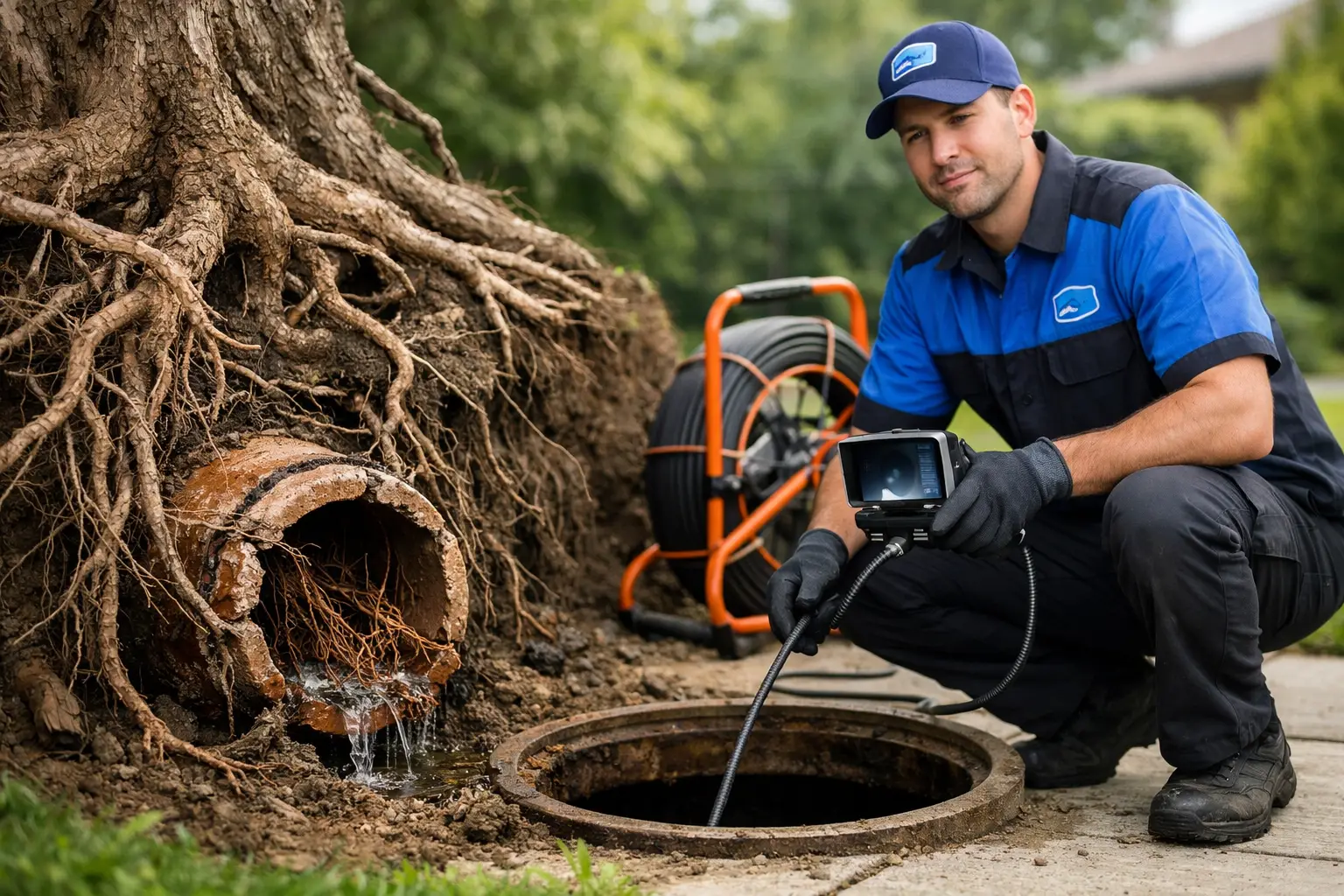
- A drain snake will not pass through the line, or it comes back with heavy sludge or root-like material.
These symptoms can indicate a clog farther down the branch drain, a main sewer line issue, scale buildup, pipe damage, or tree root intrusion. A professional plumbing inspection can identify the true cause instead of treating the same symptom repeatedly.
Prevent Future Bathtub Drain Clogs
The easiest way to deal with a bathtub clog is to catch hair before it enters the drain. A simple hair catcher can make a meaningful difference, particularly in households with long hair, pets, or frequent bath use. Empty it regularly so water does not overflow around the catcher.
Clean the stopper and drain cover every few weeks. This is a small task, but it prevents hair and soap residue from forming a dense plug below the drain opening. Running hot water after a bath can also help move away fresh residue, though it will not fix a clog that is already established.
For rental properties, busy family homes, and commercial facilities, recurring drain maintenance can be a smart option. Regular cleaning helps address buildup before it becomes an after-hours backup or a disruption for tenants, guests, or customers.
Get Honest Help When the Drain Will Not Clear
There is no need to risk pipe damage or keep pouring products into a drain that is not improving. El Plomero Latino Inc. provides dependable drain cleaning and plumbing service for homeowners and businesses throughout the Orlando area, with clear communication, flat-rate upfront pricing, and respectful service in your home or property.
A bathtub should drain without you having to plan your shower around it. If careful cleaning, plunging, and a basic drain tool do not restore normal flow, let a qualified plumber find the blockage and fix it the right way.