
In the operation of a modern home, there are systems that often go unnoticed… until they stop working. One of these is undoubtedly the plumbing system. Pipes are like the circulatory system of a home, responsible for delivering clean water and removing wastewater. However, over time, this system deteriorates and if not addressed early, it can lead to structural damage, high repair costs, and even health risks.
That’s why it’s essential to know when the right time is to replace your home’s plumbing. Understanding this not only helps prevent emergencies but also represents a smart investment in the safety and value of your property.
Signs That Your Pipes Need to Be Replaced
While plumbing issues often seem minor, there are key indicators that your pipe system is reaching the end of its lifespan. Ignoring these signs can be costly.
1. Brown or Yellow Water
If you notice that water from the tap appears brown, reddish, or yellow, it’s likely due to rust inside the pipes. This often happens with metal pipes, especially galvanized steel, as they corrode from the inside. This not only affects water quality but can also obstruct flow and damage appliances like washing machines or water heaters.
2. Frequent Leaks
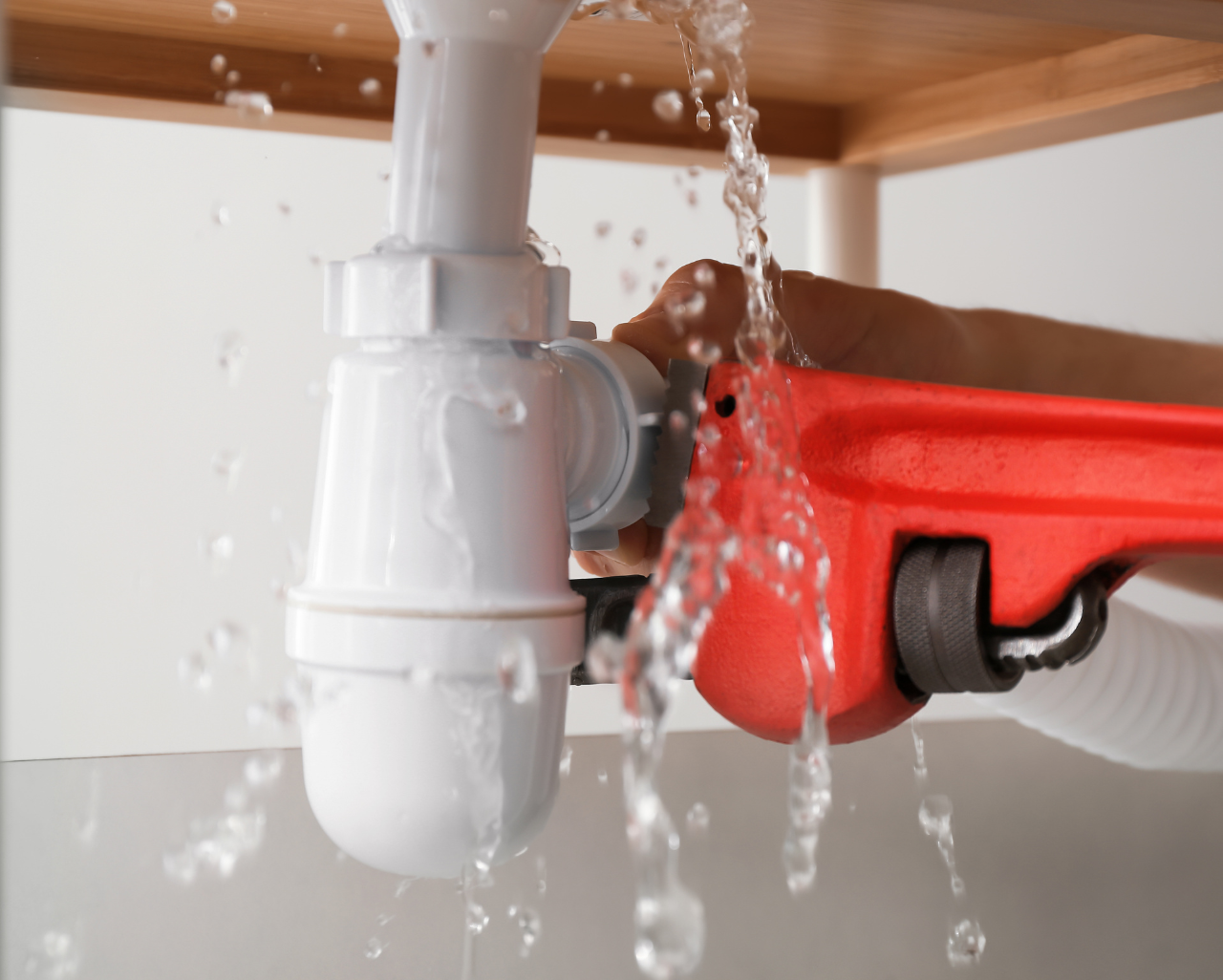
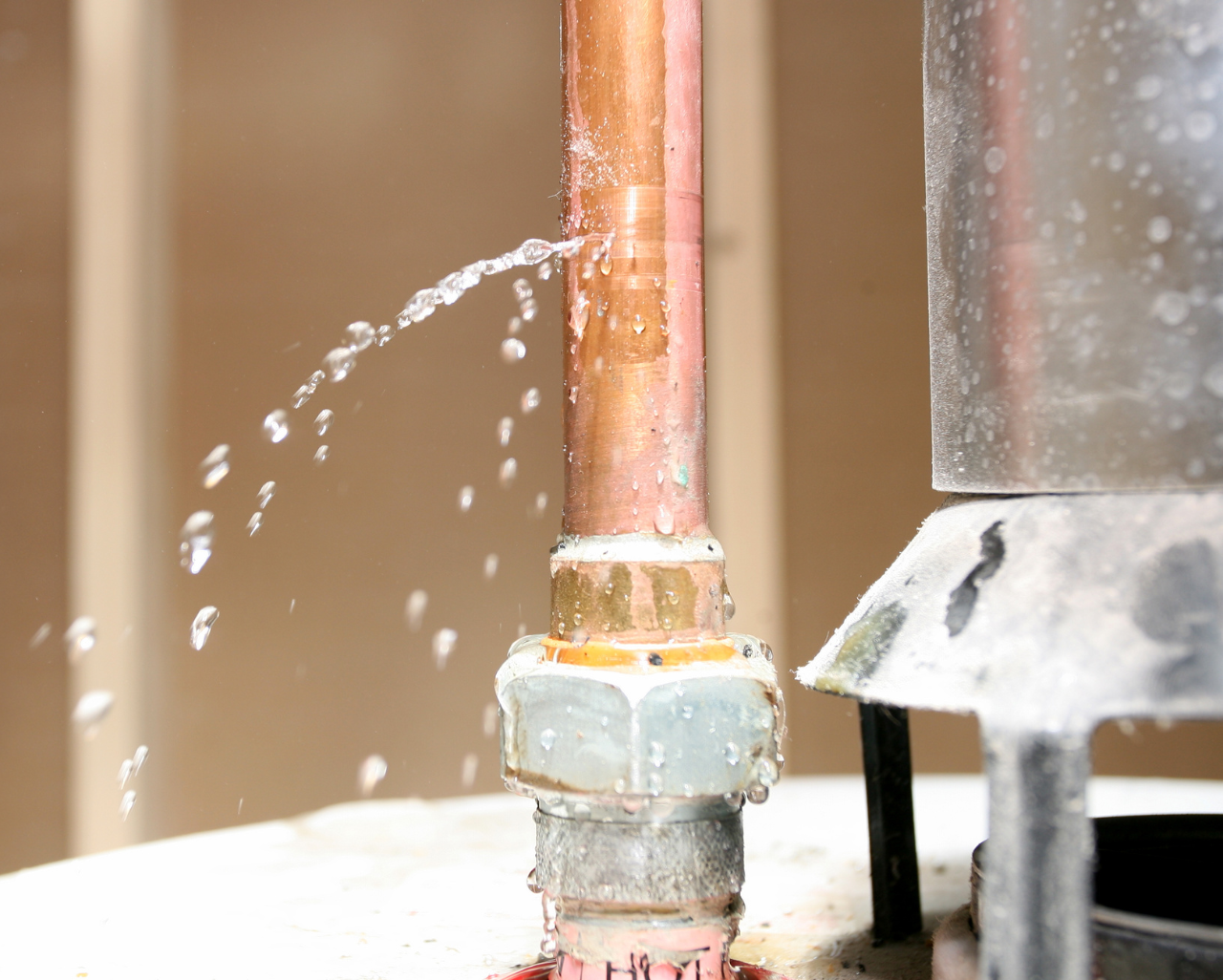
Are you repairing leaks every few months? That’s not normal. Ongoing leaks are a clear sign of structural problems in the system. When pipes become too deteriorated, they become fragile and prone to cracks or breaks. In such cases, spot repairs only delay the inevitable a full replacement.
3. Low Water Pressure
A drop in water pressure can have many causes, but one of the most common is the buildup of sediment or internal corrosion. These blockages restrict water flow and can seriously impact daily household functions. If several faucets or showers are affected, it’s time for a system-wide inspection.
4. Visible, Corroded, or Damaged Pipes
In some homes, especially older ones certain pipe sections are visible. If you notice rust, green stains (on copper pipes), dents, or damp spots, it’s a clear sign that action is needed. Don’t wait for internal corrosion to lead to a burst pipe and water damage.
Factors That Affect the Lifespan of Plumbing
Beyond visible or functional signs, other factors should be considered when evaluating your plumbing system. Understanding these helps you plan ahead and replace the system in time.
Pipe Material
The type of pipe material is one of the most important factors in determining durability. Here’s a general guide:
- Copper: 50 to 70 years. Excellent corrosion resistance, though it may react to certain minerals in the water.
- PVC (Polyvinyl Chloride): 30 to 40 years. Common in modern installations. Doesn’t corrode but can become brittle over time.
- PEX (Cross-linked Polyethylene): 40 to 50 years. Flexible and durable; one of the most modern and long-lasting options.
- Galvanized Steel: 20 to 30 years. Often found in older homes, but prone to rust over time.
- Cast Iron (used for drains): Up to 100 years, but heavily dependent on maintenance.
Age of the Home
Homes built before the 1980s may have outdated or even hazardous piping materials, such as lead. In these cases, even without visible issues, a professional evaluation is strongly recommended.
Maintenance and Water Quality
Usage and maintenance also impact the system’s longevity. For example, homes with hard water (high in minerals) are more prone to faster sediment buildup, which can reduce pipe life. Lack of regular inspections or cleanings will also accelerate deterioration.
Why Replace Instead of Just Repair?
A common question is whether it’s really worth doing a full pipe replacement or just sticking to occasional repairs. The answer depends on the overall condition of the system, but in many cases, replacement is more cost-effective in the long run.
If the pipes are aging and start to fail repeatedly, every repair becomes just a temporary fix. Besides the cumulative costs, undetected leaks can cause:
- Structural damage to walls, ceilings, and floors
- Mold and mildew growth, which can harm your health
- Higher water consumption, leading to increased utility bills
Replacing the plumbing system offers long-term peace of mind and efficiency. It also increases property value and improves water quality in the home.
So, When Is the Right Time to Replace Your Home’s Plumbing?
Returning to the main question, when is the right time to replace your home’s plumbing? the answer is: when signs of deterioration appear, the pipe materials have exceeded their expected lifespan, or the system hasn’t been updated in decades.
We recommend scheduling a professional inspection every 10 to 15 years, especially for homes over 30 years old. This allows early detection of hidden issues and gives you time to plan a replacement before an emergency occurs.
Your plumbing system is an essential yet often overlooked component of your home. Recognizing when it’s the right time to replace your home’s plumbing can save you from major headaches, costly damage, and health hazards.
As responsible homeowners, we must take a proactive approach to home maintenance. An investment today can prevent disaster tomorrow. So don’t wait for something to go wrong. The best decision is always to anticipate and act with foresight.
If you’re unsure about the condition of your plumbing system, contact a certified professional for a full evaluation. Water is life and proper water management starts with pipes that are in good condition.