

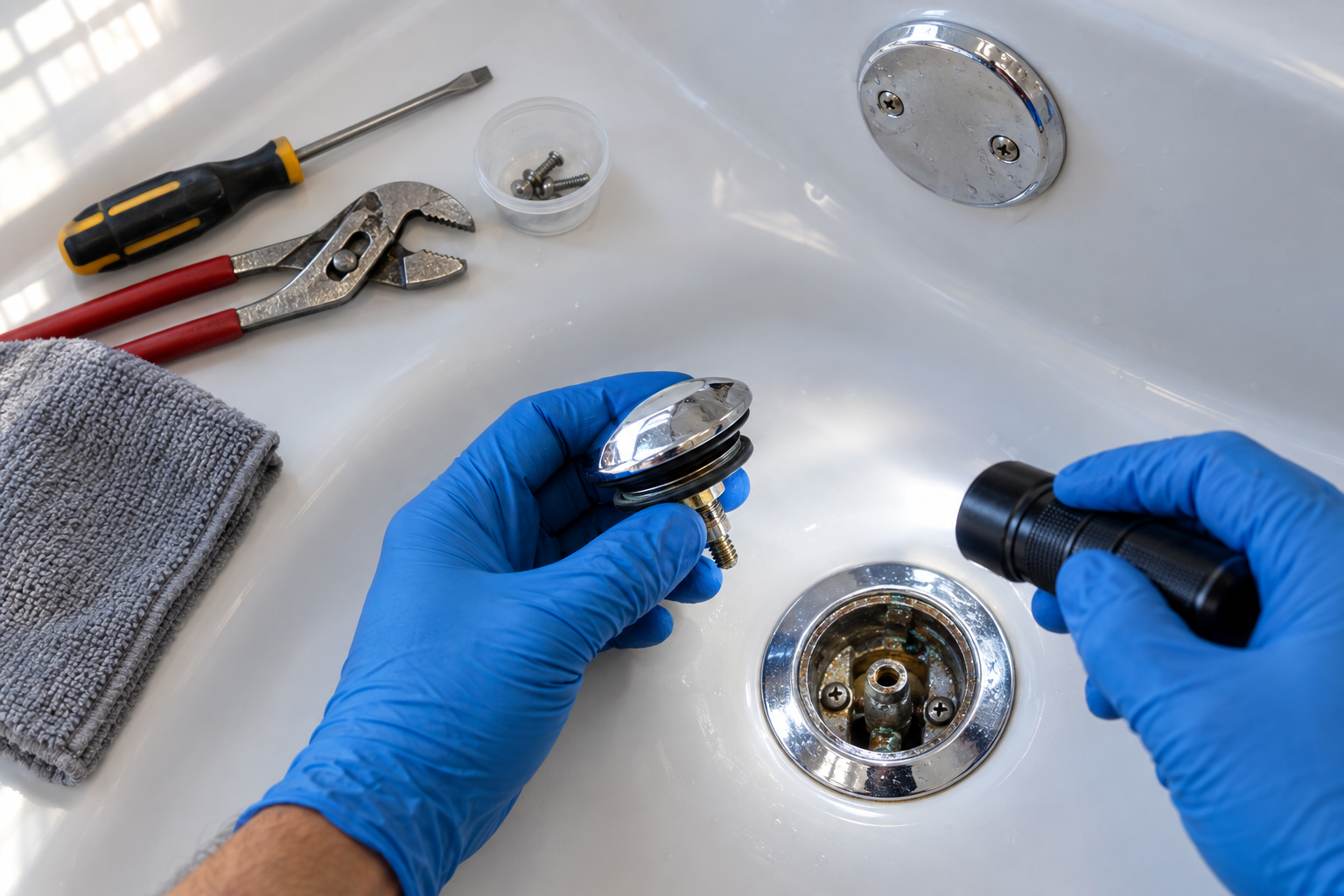

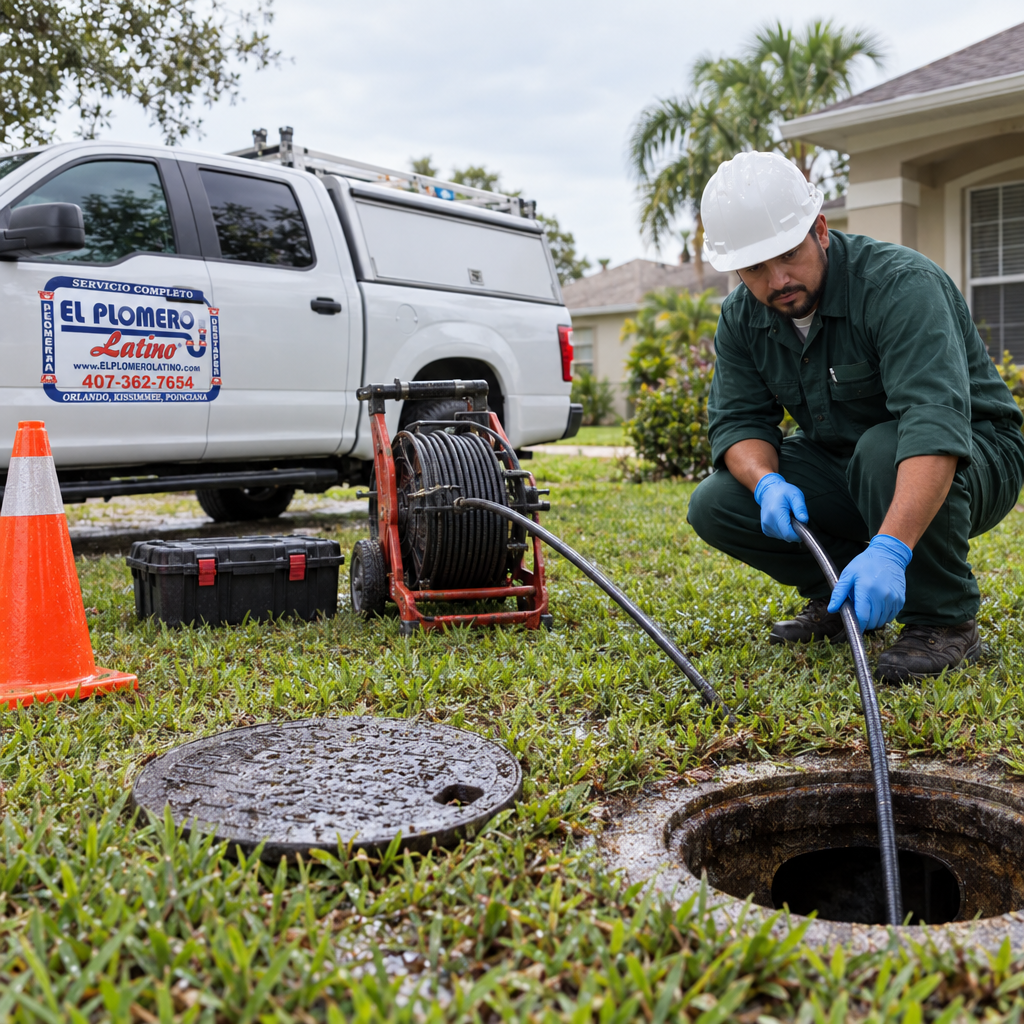

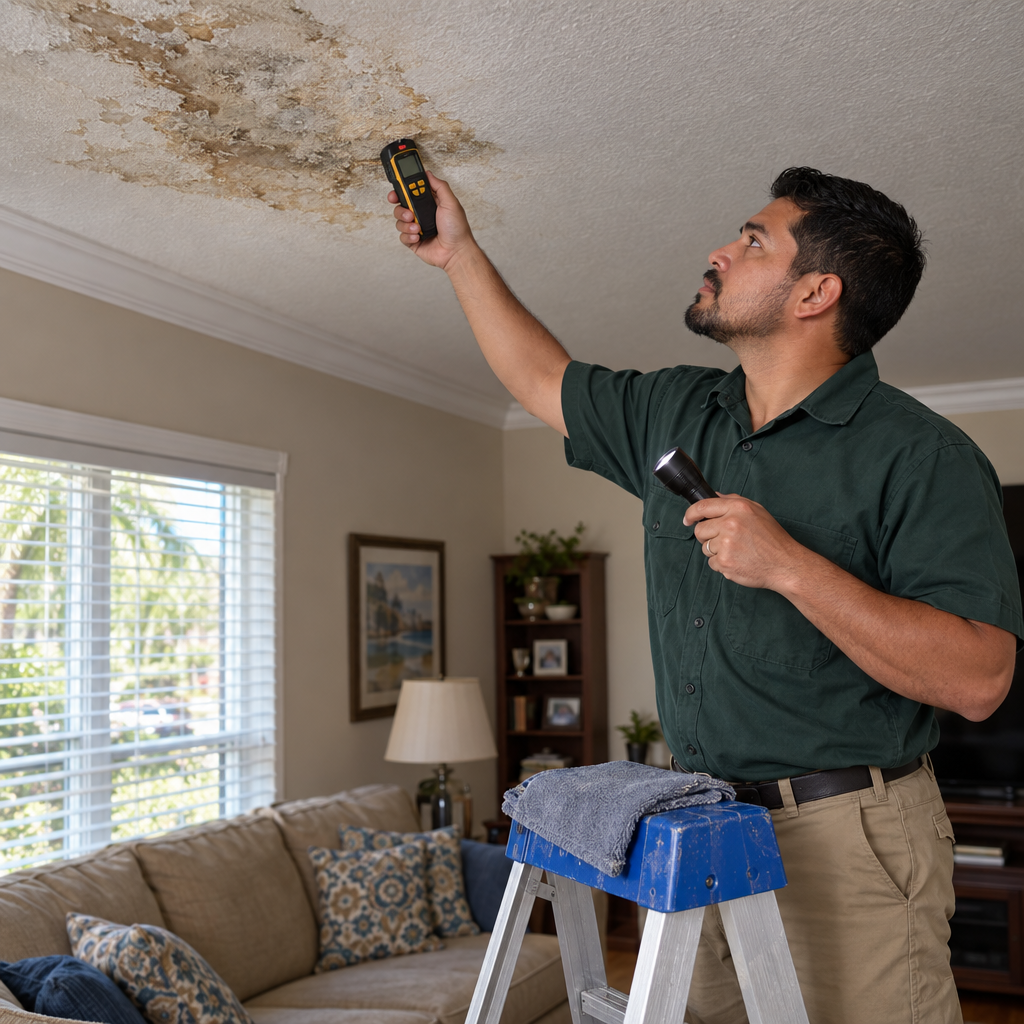
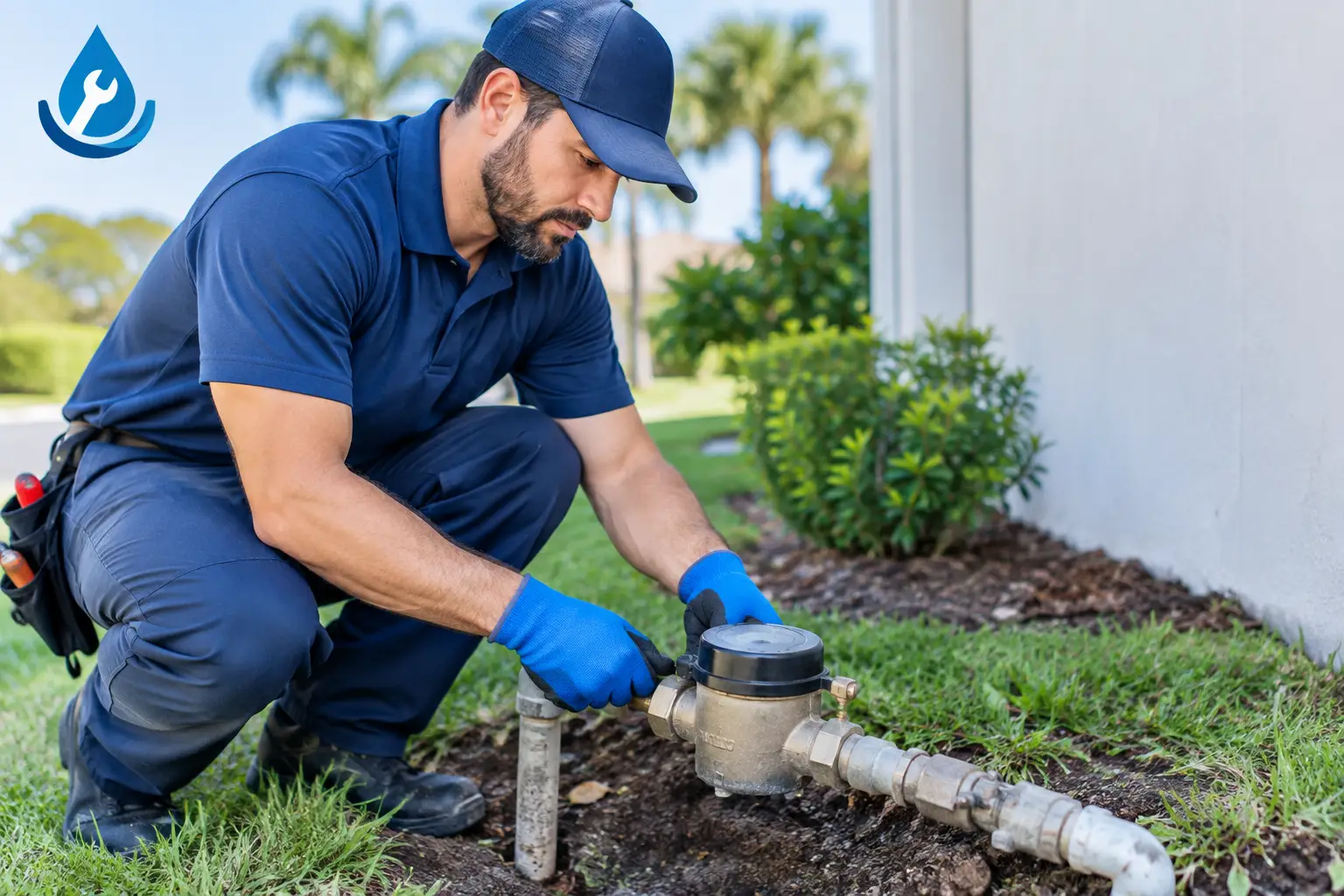
A water bill that rises without a clear reason can feel like a mystery, but your water meter can provide a useful first clue. This Orlando water meter leak guide explains how to check for water loss safely, what the results may mean, and when it is time to bring in a professional. A hidden leak can waste water for weeks before it creates a visible stain, puddle, or plumbing emergency.
Start With Your Water Meter
Most Orlando-area homes have a water meter in a ground-level box near the curb, sidewalk, or property line. Carefully lift the lid if it is safe to do so. Use gloves, watch for insects, and do not reach into a meter box if you cannot clearly see inside. Florida meter boxes can collect water, debris, and unwelcome wildlife.
The meter itself may be a traditional dial-style meter or a newer digital model. Either type can help you determine whether water is moving through your plumbing while everything in the home is supposed to be off.
Before you begin, turn off every source of water use you can control. That includes faucets, showers, washing machines, dishwashers, irrigation systems, pool autofill devices, and outdoor hose connections. Do not forget ice makers, reverse-osmosis systems, and water softeners. Some of these appliances cycle automatically and can make a meter test look like a leak.
If your household needs water during the test, wait until a quieter time. A reliable test depends on having no intentional water use.
Check the Leak Indicator or Meter Reading
Many analog meters have a small triangle, star, or gear-shaped leak indicator. If it turns while all water is off, water is moving somewhere. On a digital meter, look for a leak icon, flow display, or a reading that changes when no fixtures are running.
If there is no obvious indicator, write down the full meter reading, including the smaller digits if visible. Leave the water off for 30 to 60 minutes, then check again. A changed reading points to ongoing water movement.
A slow movement does not always mean a major emergency, but it should not be ignored. A toilet flapper can leak quietly for months. A small crack in an underground water line can gradually erode soil and become a much larger repair later.
What a Water Meter Test Can and Cannot Tell You
A meter test is a screening tool, not a complete diagnosis. It can tell you that water is likely moving through the system when it should not be. It cannot tell you exactly where the leak is, how damaged the pipe may be, or whether the issue is on the utility side of the meter or the plumbing side.
In many properties, the water utility is responsible for the meter itself and the connection before it, while the property owner is responsible for the plumbing after the meter. Responsibility can vary by location and setup, so confirm the details with your water provider before authorizing work near the meter.
A professional leak inspection goes further. It may involve checking pressure, listening for leaks, inspecting exposed plumbing, testing fixtures, and using specialized equipment to locate an underground or behind-the-wall problem with less unnecessary digging or demolition.
Common Leaks Your Meter May Reveal
Not every hidden leak looks the same. In Central Florida homes and businesses, the following problems are common reasons for unexplained meter activity.
A Running Toilet
Toilets are one of the most common sources of silent water loss. You may not hear a dramatic running sound. A worn flapper, faulty fill valve, or overflow issue can allow water to pass from the tank into the bowl without stopping.
A simple first check is to remove the tank lid and listen closely. If the tank refills when nobody has flushed, the toilet needs attention. You can also place a small amount of food coloring in the tank and wait without flushing. If color reaches the bowl, water is leaking past the flapper.
An Irrigation or Outdoor Line Leak
Irrigation systems are easy to overlook because much of the plumbing is underground. A damaged sprinkler pipe, stuck valve, or broken drip line may only leak during scheduled watering cycles. Check the meter before and after an irrigation cycle, and look for soggy areas, unusually green patches, pooling near valve boxes, or water running along the curb.
If the meter moves only when irrigation runs, the issue may be within that system rather than the plumbing inside your home. That distinction can save time during diagnosis.
An Underground Water Line Leak
The line between the meter and your building can develop leaks from age, shifting soil, corrosion, root activity, or damage. Signs may include a wet spot in the yard, soft ground, a drop in water pressure, discolored water, or the sound of water moving when fixtures are off.
Underground leaks do not always create an obvious puddle. Sandy soil can absorb water quickly, and the leak may travel before reaching the surface. That is one reason a moving meter deserves prompt attention even when the yard appears dry.
A Hidden Interior Leak
Leaks under a slab, inside a wall, beneath a cabinet, or above a ceiling can start small. Watch for warm areas on flooring, peeling paint, mildew odors, warped cabinets, damp drywall, or a water heater that seems to run more often than usual. A leak near electrical components, ceilings, or flooring should be treated as urgent.
Use Your Shutoff Valve to Narrow It Down
If the meter shows movement, your main shutoff valve can provide another helpful clue. This valve is often located near where the main water line enters the home, in a garage, utility room, exterior wall box, or mechanical area. In commercial properties, it may be in a utility room or dedicated service space.
Turn off the building’s main water shutoff valve, then check the meter again. If the meter stops moving, the leak is likely somewhere inside the building’s plumbing system or in a fixture connected after that valve. If the meter continues moving after the shutoff valve is closed, the issue may be in the service line between the meter and the building, or the valve may not be fully sealing.
Do not force an old or corroded valve. A broken shutoff valve can turn a manageable concern into a water emergency. If the valve is difficult to operate, leave it alone and have a plumber inspect it.
When to Call for Leak Detection
Call for professional help promptly if you see steady meter movement, hear water running with no fixture on, find unexplained moisture, or notice a sudden change in water pressure. You should also call if your water bill rises significantly and your own checks do not identify a clear cause.
Act immediately if water is entering the home, a ceiling is sagging, flooring is wet, or water is near outlets or electrical equipment. Shut off water at the main valve only if it is safe to do so, then keep people away from affected electrical areas.
For property managers, restaurants, and commercial facilities, small leaks can create larger operational problems quickly. Restroom fixtures, ice machines, prep sinks, irrigation systems, and concealed supply lines all deserve regular monitoring. A planned inspection is often less disruptive than responding after water damages finishes, inventory, or tenant spaces.
Prevent the Next Hidden Leak
Checking your meter once in a while is a practical habit, especially after a high bill or before leaving town. It also helps to test toilets periodically, inspect exposed supply lines under sinks, replace worn washing machine hoses when needed, and make sure everyone in the household knows where the main shutoff is located.
A leak is not always a sign that you did something wrong. Pipes, valves, and fixtures wear over time, and Florida’s weather, soil conditions, and outdoor water use can add stress to plumbing systems. The key is catching a concern while it is still small enough to manage with less disruption.
When your meter points to a leak but the source is unclear, El Plomero Latino Inc. can provide straightforward leak detection and dependable repair for Orlando homes and businesses. A clear diagnosis gives you the information needed to protect your property and make the right next decision with confidence.