A slow kitchen sink before a busy dinner service, a shower that starts holding water around your feet, or a toilet that suddenly gurgles can turn a normal day into a plumbing problem. The best ways to prevent clogs are usually simple daily habits, but they work best when everyone in the home or business follows them consistently.
Clogs rarely appear out of nowhere. Grease, food particles, hair, soap residue, wipes, and mineral buildup collect gradually inside pipes. A little prevention protects your plumbing system, reduces unpleasant backups, and helps you avoid an emergency call when you least expect one.
Best Ways to Prevent Clogs in Kitchen Drains
Kitchen drains handle more than water, which makes them one of the most common places for blockages. The biggest concern is grease. Bacon fat, cooking oil, butter, gravy, and salad dressing may look liquid when warm, but they cool and cling to pipe walls. Over time, that sticky layer catches food scraps and creates a stubborn clog.
Let grease cool in a can or disposable container, then place it in the trash. Wipe oily pans with a paper towel before washing them. Even if you have a garbage disposal, avoid treating it like a trash can. Disposals can help with small food remnants, but they do not make grease, fibrous vegetables, or large scraps safe for the drain.
Keep these materials out of the kitchen sink whenever possible:
- Cooking oil, grease, and fat
- Coffee grounds and loose tea leaves
- Rice, pasta, flour, and dough
- Eggshells and large fruit or vegetable peels
- Bones, seafood shells, and fibrous items such as celery or corn husks
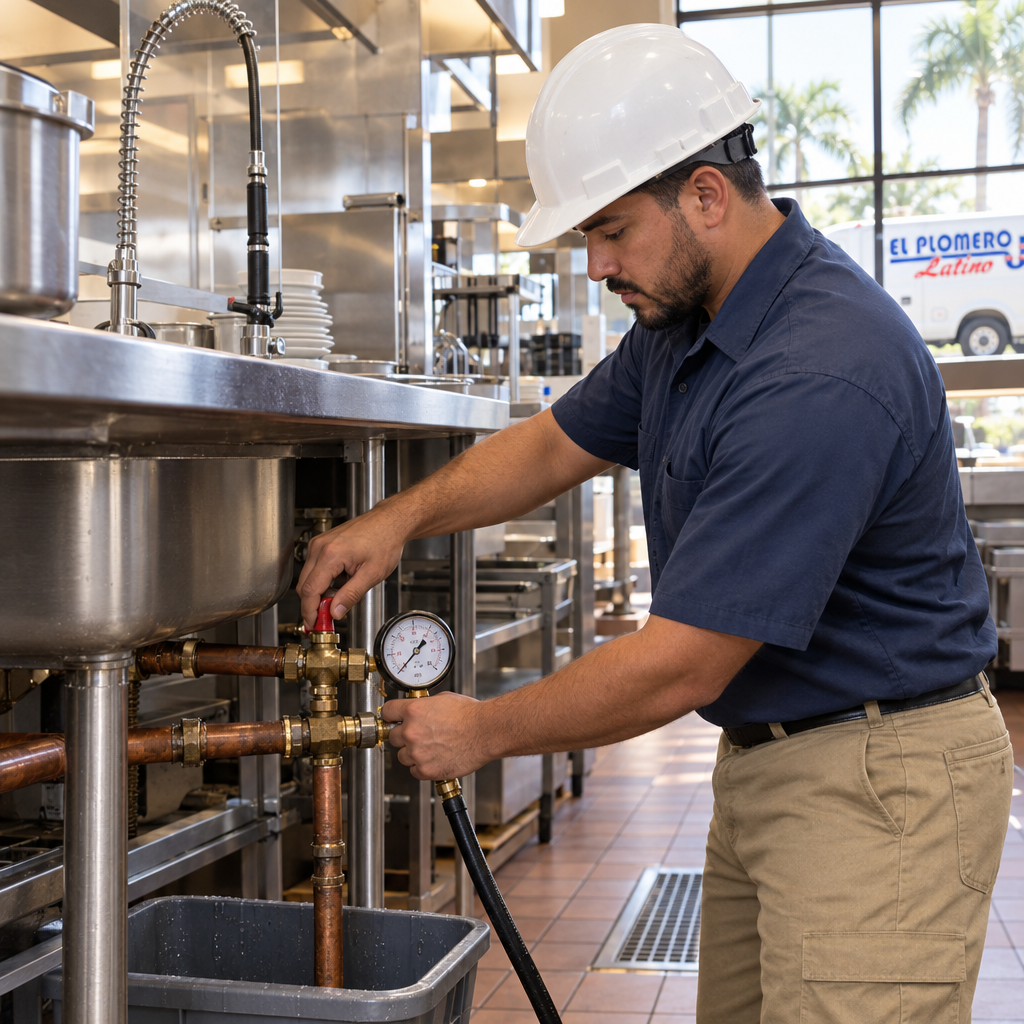
Coffee grounds are especially misleading because they seem small enough to rinse away. In reality, they can settle in the trap or line and combine with grease into a dense blockage. Restaurants and other food-service businesses face an even greater risk because of the volume of fats, oils, and grease entering their plumbing. Regular grease-trap maintenance and professional drain service are not optional shortcuts for a busy kitchen. They are part of protecting the business from shutdowns and sanitation concerns.
Keep Bathroom Drains Clear Before Hair Builds Up
Hair is the leading cause of bathroom sink, tub, and shower clogs. Add soap scum, toothpaste, shaving cream, and body products, and the drain can become slow surprisingly fast. A simple mesh drain screen catches hair before it enters the pipe, and it takes only a few seconds to empty after a shower.
Do not rinse hair clumps down the drain after grooming. Put them in the trash. The same goes for cotton balls, dental floss, cotton swabs, and disposable razors. These items do not break down like toilet paper and can snag inside the drain line, collecting other debris behind them.
Soap can also contribute to buildup, particularly traditional bar soap that leaves behind a residue. This does not mean every household needs to change products, but it does mean periodic cleaning matters. Remove the stopper from bathroom sinks when possible and clear visible hair and residue before water begins draining slowly.
For homes with hard water, mineral deposits can narrow fixtures and pipes over time. Central Florida water conditions vary by neighborhood and water source, so recurring slow drains may be more than a hair issue. A professional inspection can identify whether buildup, a damaged pipe, or a deeper sewer-line concern is involved.
Treat Toilets Like Toilets, Not Trash Cans
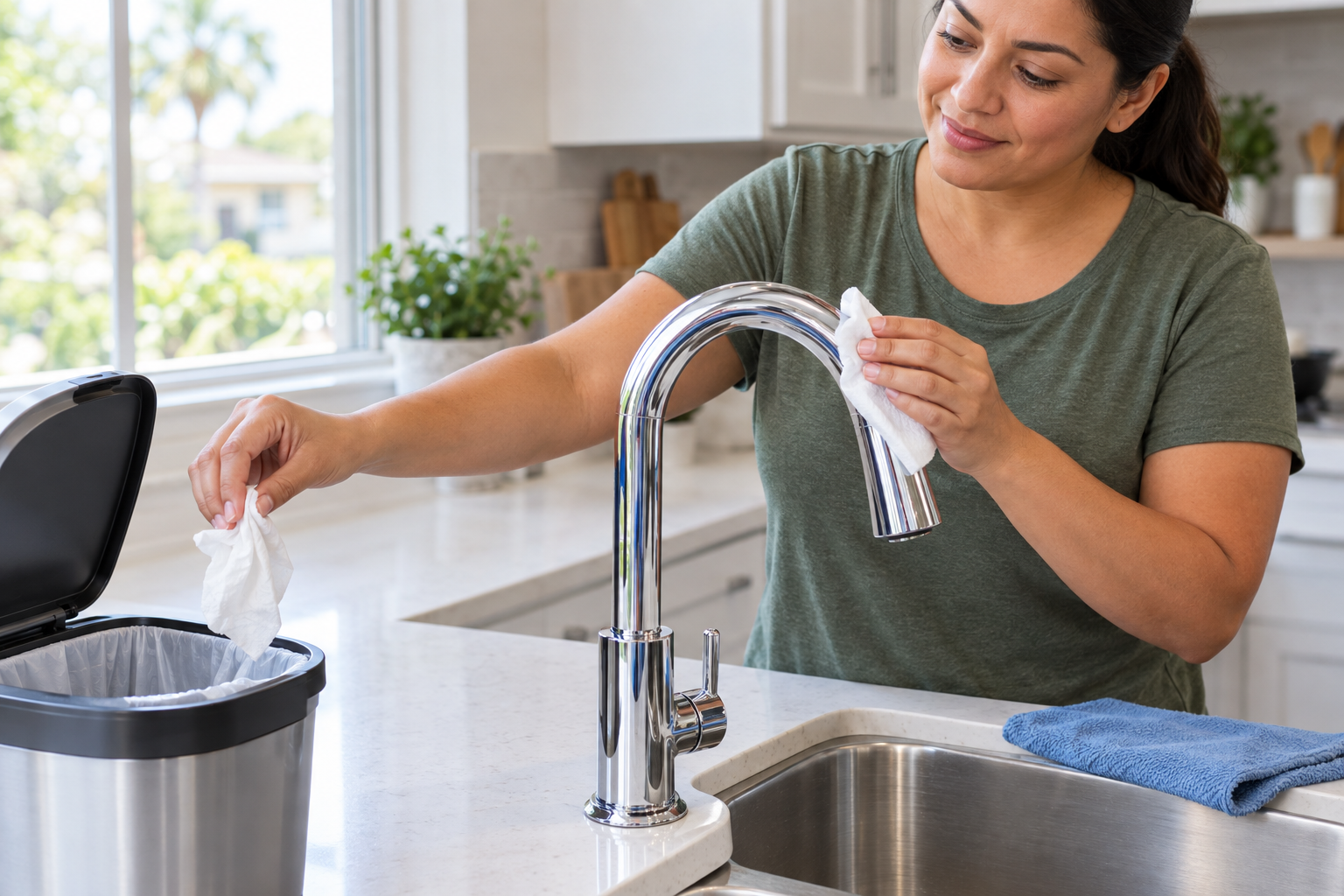
The toilet should handle human waste and toilet paper only. Products labeled “flushable” can still create problems. Many wipes do not dissolve quickly enough to move safely through older plumbing, long drain runs, septic systems, or municipal sewer connections. They can catch on pipe joints and form blockages that a plunger cannot remove.
Paper towels, facial tissues, feminine hygiene products, diapers, cat litter, dental floss, and medication should never be flushed. Keep a covered trash can in every bathroom so guests and family members have an easy alternative.
If your toilet begins flushing weakly, bubbling, or backing up while nearby drains are also slow, do not keep flushing to test it. That can cause an overflow and water damage. Multiple fixtures acting up at once can point to a blockage farther down the main sewer line rather than a simple toilet clog.
Use Hot Water Carefully, and Skip Harsh Chemical Cleaners
Regularly running hot tap water after washing dishes can help move small amounts of soap and residue through the kitchen line. However, hot water is not a cure for grease. If grease has already coated the pipe, repeatedly adding hot water may simply move it farther down before it cools and hardens again.
Harsh chemical drain cleaners are another common mistake. They may appear to solve a minor clog, but they can damage some pipes, seals, and fixtures, especially when used repeatedly. They are also dangerous if they splash, mix with another product, or remain in a drain when a plumber begins service.
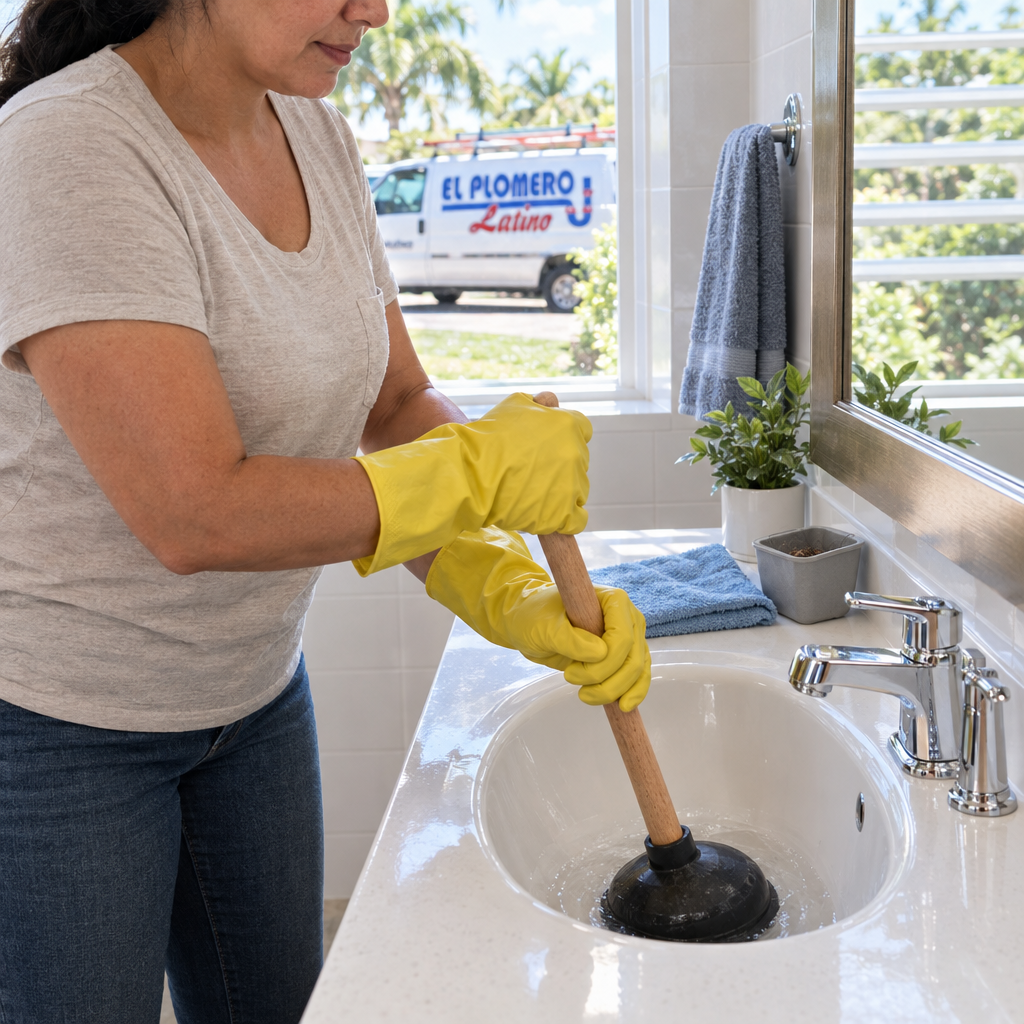
For a minor bathroom drain issue, physically removing hair from the stopper or using a simple drain tool is often safer and more effective. If you try a plunger, use the right one for the fixture and avoid excessive force. A plunger can help with a localized blockage, but it will not correct roots in a sewer line, heavy grease buildup, pipe damage, or a collapsed section of pipe.
Give Your Drains a Practical Maintenance Routine
Preventive maintenance does not have to be complicated. The goal is to notice changes early, before a small restriction becomes a complete backup. Once a week, check that kitchen and bathroom sinks drain freely. Empty drain screens, wipe away visible debris, and listen for gurgling sounds.
Once a month, inspect exposed pipes beneath sinks for moisture, corrosion, or a sewer-like odor. Check the area around toilets for water at the base and make sure they are not rocking. A loose toilet can damage the seal underneath it, allowing leaks and odors even when the toilet seems to flush normally.
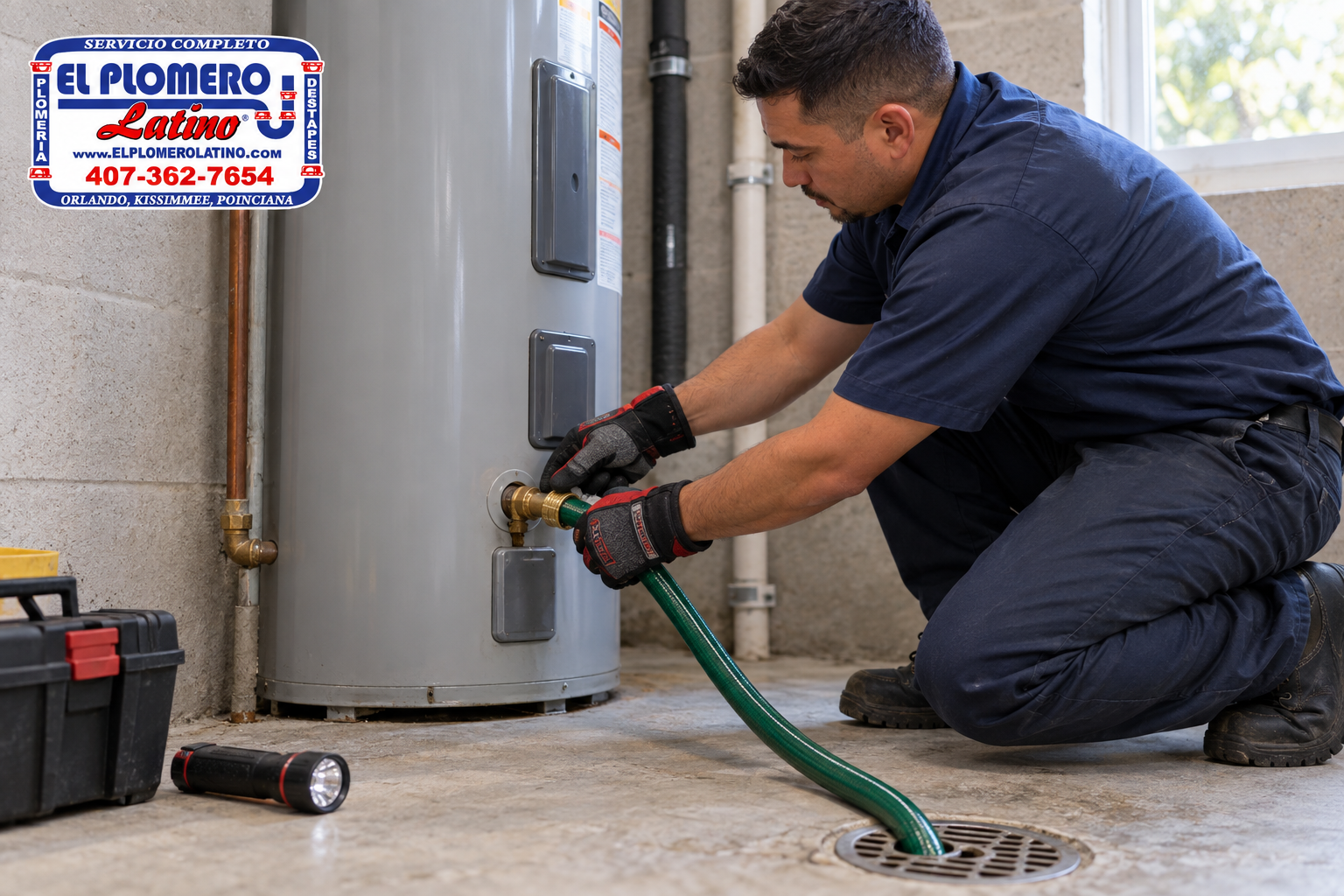
Property managers and business owners should make drain awareness part of normal operations. Employees need clear instructions on what cannot go into sinks, floor drains, and toilets. For restaurants, salons, medical offices, and multi-unit properties, scheduled professional maintenance is often more cost-effective than waiting for a backup during operating hours.
Know When a Clog Needs a Professional
A single slow sink may be a straightforward local clog. But repeated clogs in the same drain, foul odors, water backing up into a tub or shower, gurgling toilets, and multiple slow fixtures are warning signs that should not be ignored. These symptoms can indicate a blockage in a branch line or main sewer line.
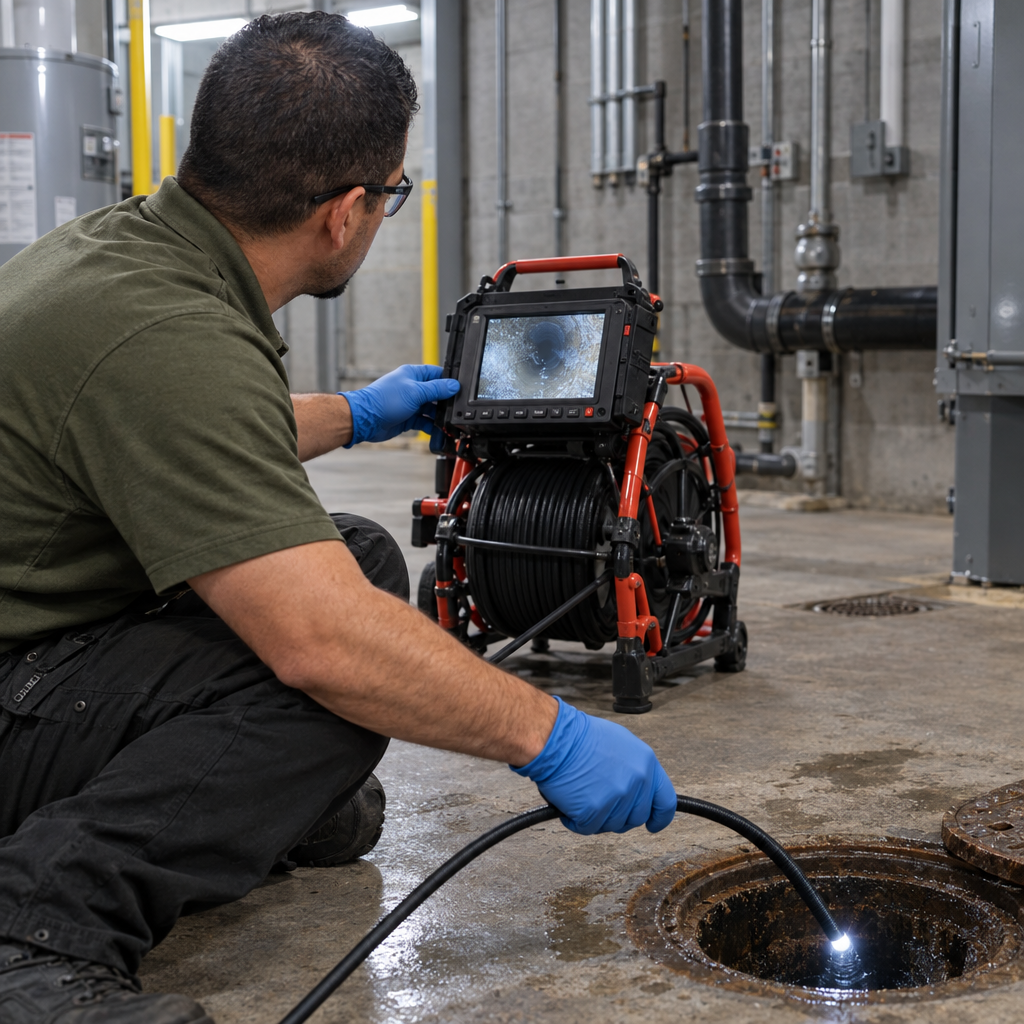
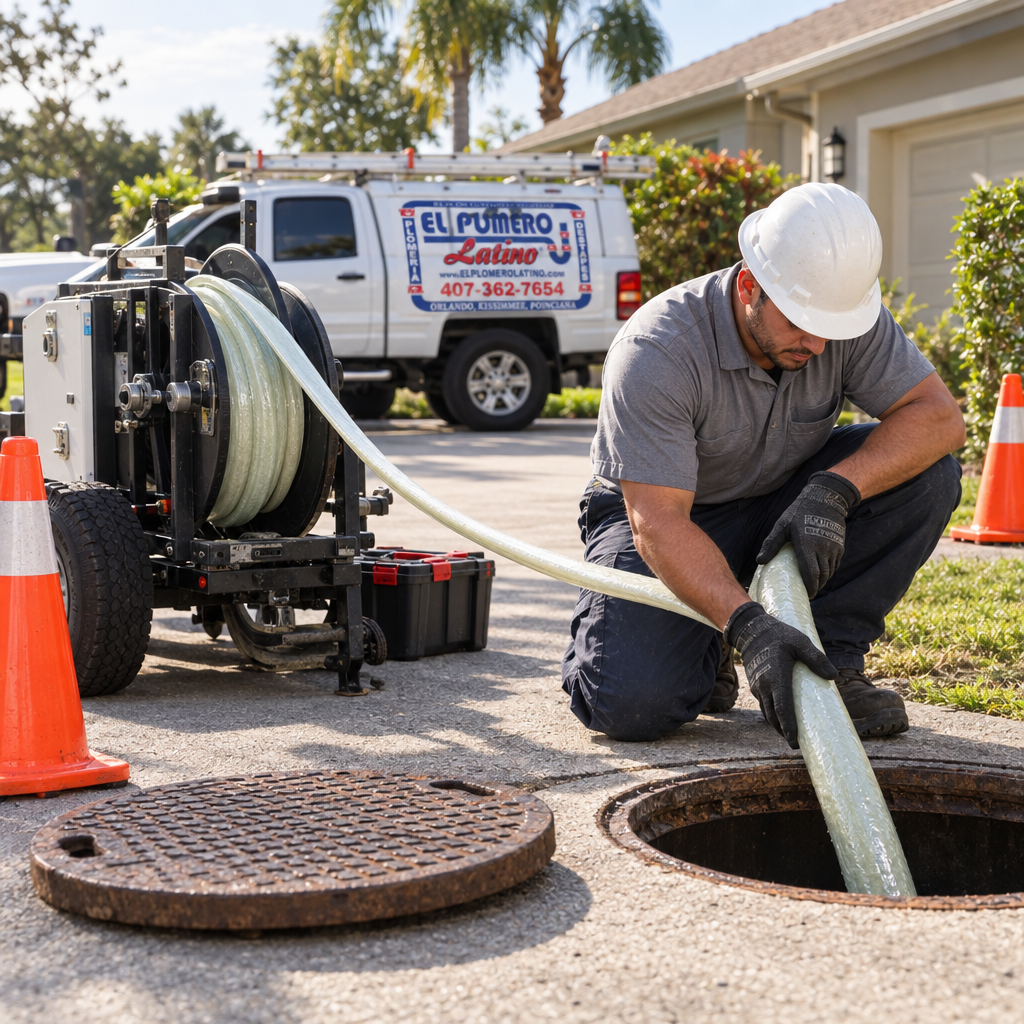
Older homes may have pipe scale, deteriorating lines, or tree-root intrusion. Commercial properties may deal with accumulated grease, heavy usage, or complex shared drain systems. In these situations, professional drain cleaning, hydrojetting, or a sewer camera inspection can identify the actual cause instead of guessing.
Hydrojetting can be highly effective for clearing buildup from suitable pipes, but it is not automatically right for every plumbing system. A knowledgeable plumber should consider the age and condition of the line first. Camera inspection is valuable because it shows whether the issue is grease, roots, a broken pipe, or another obstruction that requires a different repair.
Protect the Main Sewer Line Outside
Prevention also extends beyond indoor drains. Avoid planting trees with aggressive roots too close to sewer lines, especially if your property has older piping. Keep exterior cleanouts accessible and do not cover them permanently with landscaping, concrete, or heavy equipment.
After heavy rain, pay attention to unusual drain behavior. Rainwater itself should not enter a properly functioning sanitary sewer line, but storms can expose drainage or sewer issues around a property. If you notice sewage odors outdoors, soggy patches, or frequent indoor backups, arrange an inspection rather than waiting for a larger failure.
A dependable plumber can help you choose a maintenance schedule that fits your household, rental property, or business. At El Plomero Latino Inc., we believe clear answers, upfront pricing, and respectful service matter just as much as getting the water moving again.
A drain that clears today but clogs again next month is asking for attention. Address the pattern early, keep the wrong materials out of your plumbing, and give your pipes the same practical care you give the rest of your property.