

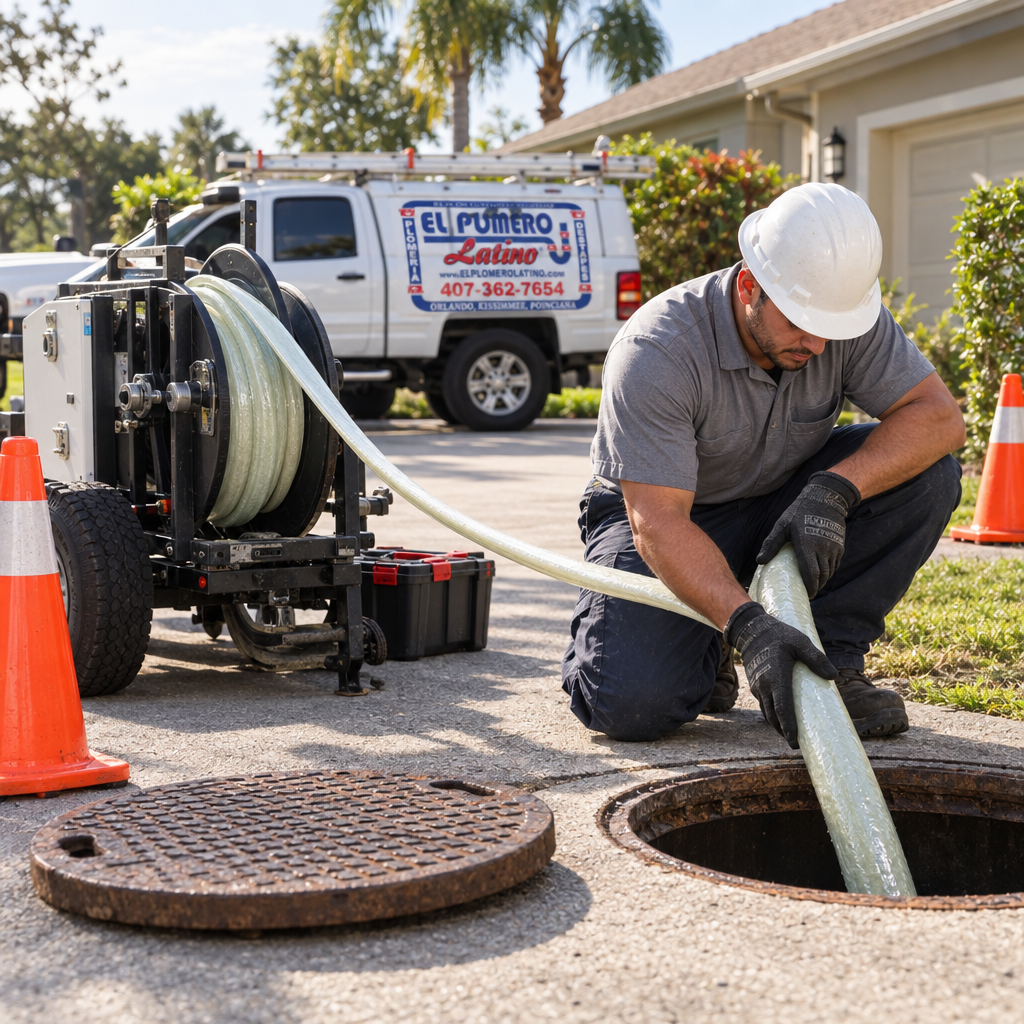
A toilet that bubbles when the washing machine drains, a shower that backs up without warning, or a sewage smell near the yard can turn an ordinary day into a serious plumbing concern. Homeowners often ask, when should sewer lines be replaced instead of cleaned or repaired? The honest answer depends on the condition of the pipe, the cause of the problem, and whether repairs will actually provide a lasting solution.
A sewer line is not something you see every day, but it carries wastewater away from your home or business every time you flush, shower, run a load of laundry, or use a sink. When it starts failing, the issue can affect multiple fixtures, damage property, interrupt business operations, and create an unsanitary situation. Acting early gives you more options and can help prevent a small warning sign from becoming an emergency.
When Should Sewer Lines Be Replaced Instead of Repaired?
Replacement is usually the better choice when the pipe has widespread damage, has reached the end of its useful life, or continues to cause problems after professional cleaning and repair. A single blockage does not automatically mean you need a new sewer line. Grease buildup, flushed wipes, or a localized root intrusion may be resolved with drain cleaning, hydrojetting, or a targeted repair.
The concern grows when the same line repeatedly clogs, backs up, leaks, or shows structural damage on a sewer camera inspection. At that point, paying for temporary fixes over and over may cost more than addressing the underlying issue properly.
A licensed plumber can inspect the inside of the line with a camera and identify what is actually happening underground. This is the difference between guessing and making a confident decision based on the condition of your pipe.
Warning Signs Your Sewer Line May Be Failing
A sewer line rarely fails without giving some kind of warning. The signs may begin subtly, then become more frequent as the pipe deteriorates. Pay close attention if you notice several of these issues at the same time:
- Drains throughout the property are slow, even after routine cleaning.
- Toilets gurgle, bubble, or change the water level when other fixtures drain.
- Sewage backs up into a tub, shower, floor drain, or lowest-level fixture.
- You smell sewer gas indoors, around the foundation, or in sections of the yard.
- A patch of grass is unusually green, wet, sunken, or has a persistent odor.
- You need drain clearing repeatedly for the same main-line problem.
One slow bathroom sink may be a local drain issue. But when toilets, tubs, sinks, and laundry drains all act up together, the main sewer line becomes a likely suspect. For restaurants and commercial properties, recurring floor-drain backups or slow kitchen drainage can also point to a larger line problem, especially when heavy use places more demand on the system.
Recurring Backups Are Not Normal
A backup that happens once may have a straightforward cause. A backup that returns every few months is a message that something has not been fully resolved. Roots may have grown back into an opening, a damaged pipe section may be catching debris, or the line may have a low area where waste and water collect.
Repeatedly clearing a compromised line can provide short-term relief, but it does not restore a broken, sagging, or deteriorated pipe. If the same problem keeps coming back, a camera inspection can show whether repair or replacement makes better financial sense.
Older Pipe Materials Can Reach Their Limit
The age and material of your sewer line matter. Older properties may have cast iron, clay, Orangeburg, or other materials that can deteriorate, crack, corrode, shift, or collapse over time. Cast iron can develop internal scaling and corrosion that restricts flow. Clay pipe joints can separate and allow roots inside. Orangeburg, a fiber-based pipe material used in some older homes, can deform as it ages.
Not every older line needs immediate replacement. Some remain serviceable with maintenance and limited repair. However, when inspection shows extensive corrosion, multiple fractures, offsets, or pipe collapse, replacement is usually the more dependable long-term answer.
Why Central Florida Conditions Matter
In the Orlando area, underground conditions can contribute to sewer line concerns. Tree roots naturally seek moisture and can enter small cracks or loose joints. Soil movement, heavy rains, and changing groundwater conditions can also affect pipe alignment over time.
A line that has shifted may develop a belly, which is a low spot where water and solids settle instead of flowing freely. This can lead to frequent clogs even when there is no complete break in the pipe. In other cases, roots can create recurring blockages until the damaged section is repaired or replaced.
That is why a professional inspection should focus on more than simply getting water to drain again. The goal is to understand the pipe’s material, slope, joints, interior condition, and any damage that could create another problem later.
What a Sewer Camera Inspection Can Tell You
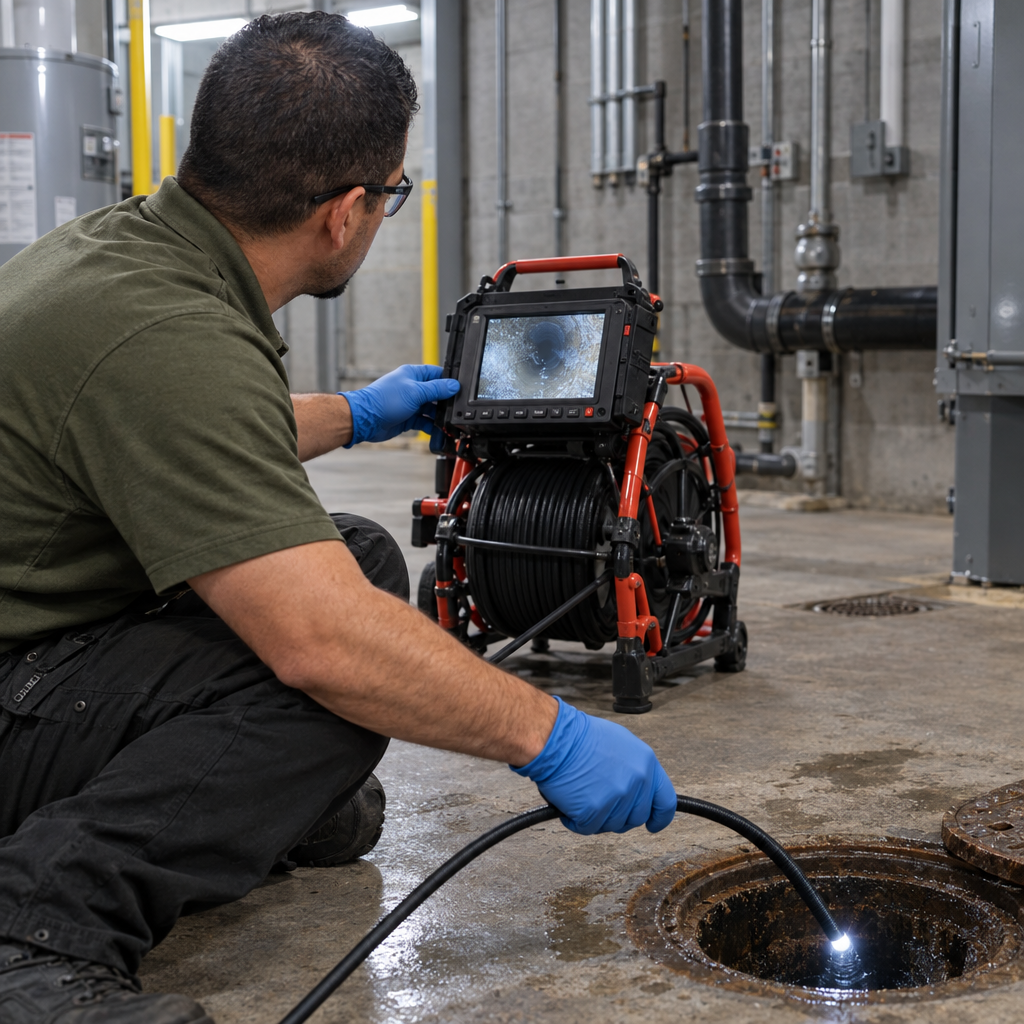
A sewer camera inspection is one of the most valuable steps before approving a major sewer project. A small waterproof camera is guided through the line to locate the source of the problem and document its condition.
The inspection may reveal a simple blockage that can be removed, roots entering at one joint, a cracked section that needs spot repair, or widespread deterioration that supports replacement. It can also locate the approximate depth and position of an issue, helping the plumber plan the work more accurately.
For property managers and business owners, a camera inspection is especially useful because it creates a clearer record of the line condition. Rather than approving work based on symptoms alone, you can make a decision with visible evidence and a practical recommendation.
Repair, Relining, or Full Replacement?
There is no one-size-fits-all answer. The best solution should fit the pipe condition and your property needs.
A targeted sewer repair can be appropriate when the damage is limited to one accessible area and the rest of the line is in good shape. For example, a single broken section caused by roots or ground movement may not require replacing the entire run.
Pipe relining may be an option in certain situations. This process creates a new lining within an existing pipe, reducing the need for excavation. It can be a good fit when the existing line is structurally suitable and access allows for the process. It may not work for every collapsed line, severely misaligned pipe, or system with major slope issues.
Full replacement is often the right choice when there are multiple damaged sections, significant corrosion, recurring root intrusion, a collapsed pipe, or an improper grade that prevents reliable drainage. Although replacement is a larger investment, it can eliminate the cycle of emergency calls and repeated cleanup costs.
A trustworthy plumbing company should explain the trade-offs clearly. You deserve to know whether a repair is likely to last, why a replacement is being recommended, what work is involved, and what the price includes before the job begins.
What to Expect During Sewer Line Replacement
The work begins with a detailed assessment of the line and property. The plumber will identify the damaged area, review access points, discuss whether excavation is needed, and explain the recommended replacement method. Permits and local requirements may apply depending on the scope of work and location.
During a traditional replacement, sections of the yard, driveway, flooring, or landscape may need to be accessed to remove and replace the old pipe. The amount of disruption depends on where the line runs and how deep it is. In some cases, alternative methods can reduce digging, but the right method must be determined by the actual site conditions.
After the new line is installed, it should be tested for proper flow and connections. Clear communication matters throughout the process, particularly for businesses that need to plan around restroom access, kitchen operations, tenants, or customers.
At El Plomero Latino Inc., the goal is to give customers straightforward findings, flat-rate upfront pricing, and work that is done right the first time. A sewer project is stressful enough without surprise charges or unclear answers.
Do Not Wait for Sewage to Reach the Floor
If you have recurring backups, multiple slow drains, sewer odors, or an aging line with known damage, schedule an inspection before the issue gets worse. Avoid using chemical drain cleaners in a suspected main sewer problem. They rarely solve structural damage and can create hazards for people and pipes.
The right time to replace a sewer line is not necessarily after a complete failure. It is when inspection shows that repair will no longer provide reliable service. Getting a clear diagnosis now can protect your home, business, and peace of mind later.