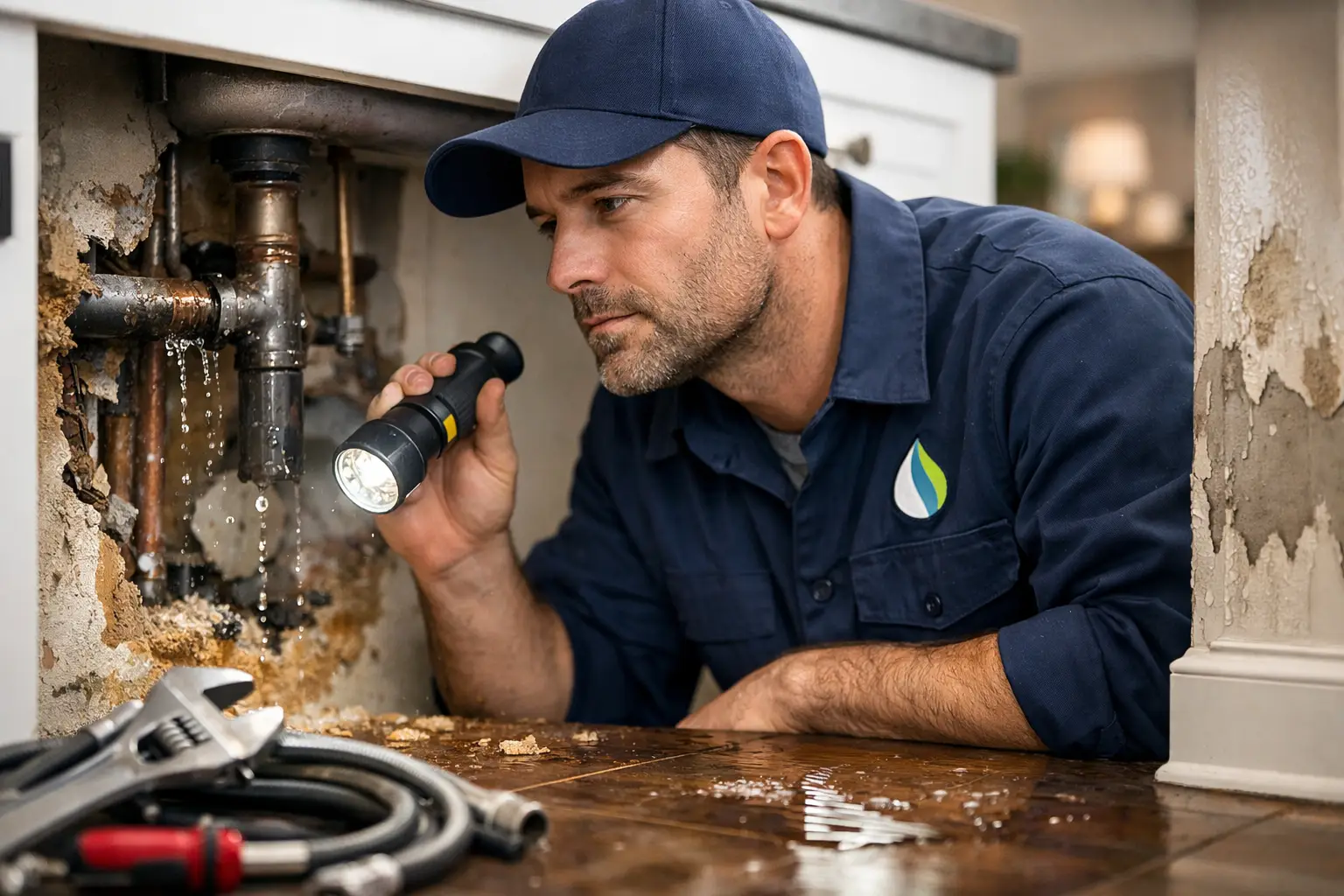
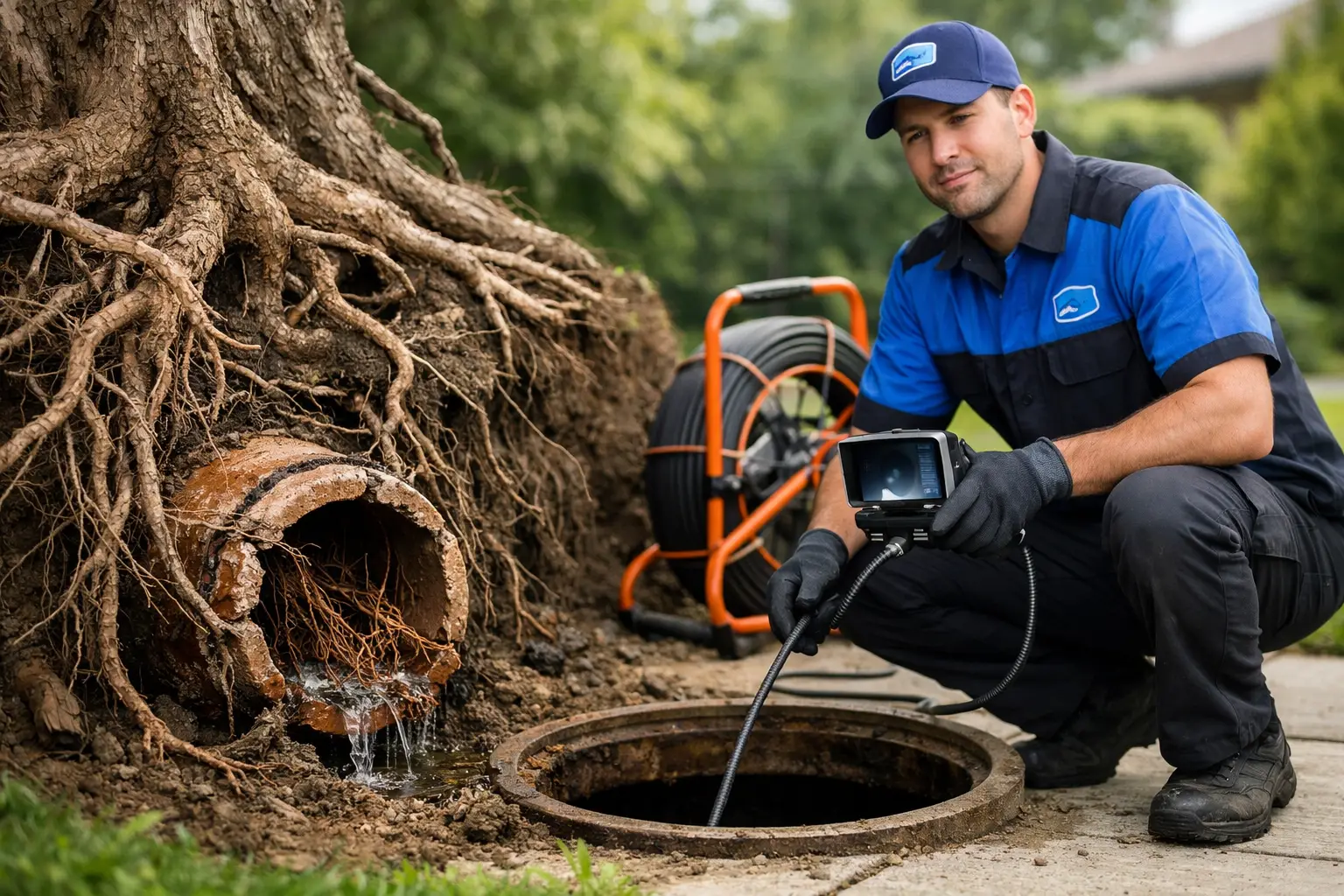
A water line problem usually starts with a small warning sign – low pressure at the kitchen sink, a wet patch in the yard, or a water bill that suddenly jumps. Then comes the question most property owners ask right away: what actually drives the price? Understanding water line replacement cost factors helps you make a better decision, avoid surprises, and know what you are paying for.
For homeowners and property managers in Central Florida, the answer is rarely one flat number. Two properties can both need a new water line and still get very different estimates. That is not always a red flag. In many cases, it reflects real differences in access, line length, material, soil conditions, and the amount of restoration needed after the work is done.
Why water line replacement costs vary so much
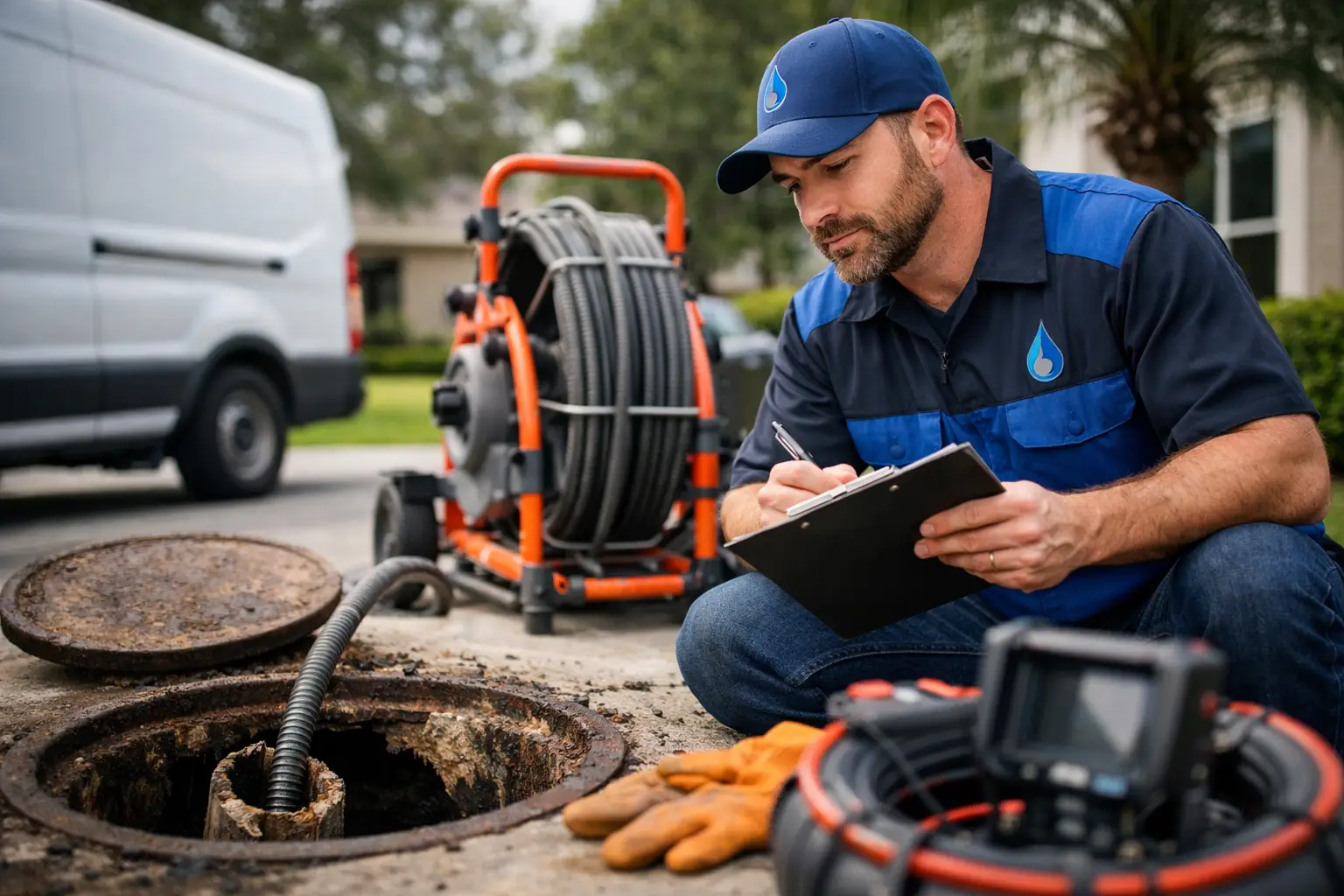
A water line replacement is not just about swapping out pipe. It is a project that involves locating the issue, planning the safest path for the new line, following local code, and protecting the property during excavation or installation. If the line runs under a driveway, mature landscaping, a sidewalk, or part of a commercial lot, the labor and restoration can change the cost significantly.
That is why experienced plumbers do not like to guess over the phone on larger line replacements. A trustworthy estimate usually comes after seeing the property, identifying the line route, and confirming whether repair is still realistic or whether full replacement is the smarter long-term move.
The biggest water line replacement cost factors
Length of the water line
One of the most obvious cost drivers is how much pipe needs to be replaced. A short run from the meter to a nearby home costs less than a long line serving a larger property or commercial building. More length means more pipe, more labor, and often more digging.
It can also affect how long the crew is on site. Longer runs may require more planning, more equipment time, and more cleanup before the project is complete.
Depth and location of the pipe
Not every water line is easy to reach. Some are buried deeper than expected, while others pass under structures or hard surfaces. If a line is tucked beneath concrete, pavers, asphalt, retaining walls, or heavily landscaped areas, the replacement becomes more involved.
In practical terms, difficult access usually means more labor and more restoration. The plumbing work itself may be straightforward, but getting to the pipe without causing unnecessary damage takes time and care.
Pipe material
The material selected for the new line affects both immediate cost and long-term value. Some materials cost more upfront but offer better durability or corrosion resistance. Others may be less expensive at installation but not ideal for every property.
Your plumber may recommend a specific material based on local code, water quality, soil conditions, and the layout of the property. This is one area where the cheapest option is not always the best option. A lower initial price can become more expensive later if the material is a poor fit for the site.
Soil conditions and jobsite challenges
Soil matters more than many people realize. Sandy soil, compacted ground, rocky areas, or spots with tree roots can all affect excavation time. In Florida, wet conditions and seasonal rain can also slow a project or require extra precautions.
If the crew has to work around existing utilities, fencing, irrigation lines, or tight side-yard access, that can also change labor needs. A simple open yard is one thing. A crowded or obstructed work area is another.
Permits and code requirements
A proper water line replacement often requires permits and inspections. Those costs vary by jurisdiction, and they are part of doing the work legally and safely. Local code may also require certain materials, depth standards, connection methods, or shutoff updates.
For property owners, this is not just paperwork. Permits help protect you by making sure the work meets current standards. If someone offers to skip that step to lower the price, that is usually not savings – it is risk.
Repair or replacement: what changes the total cost?
Sometimes a damaged water line can be repaired, and sometimes replacement is the more cost-effective path. The right choice depends on the age of the line, the location of the break, the number of previous leaks, and the overall condition of the pipe.
If the pipe has one isolated problem and the rest of the line is in good shape, a repair may make sense. But if the line is older, has repeated failures, or is made from material with a history of problems, repeated repairs can turn into wasted money. Paying less today does not help much if you are calling for another excavation in six months.
This is where an honest plumber adds real value. You want clear guidance on whether you are looking at a short-term patch or a long-term solution.
Restoration costs are often part of the real price
One of the most overlooked water line replacement cost factors is what has to be restored after the plumbing work is finished. Replacing the pipe may only be part of the total project. If grass, mulch, sprinkler lines, concrete, pavers, fencing, or landscaping are disturbed, those items may need repair or replacement too.
Some restoration is included in plumbing scope, and some may require separate work. That is why upfront pricing matters. A good estimate should explain what is covered, what is not, and where additional costs could come into play.
For commercial properties, restoration can also include traffic areas, parking access, or minimizing disruption to tenants and customers. That planning matters just as much as the pipe itself.
Emergency timing can affect pricing
A scheduled replacement is usually easier and more efficient than an emergency job. If a water line fails suddenly and needs immediate attention, after-hours response, urgent material sourcing, and fast mobilization can all influence cost.
That does not mean emergency pricing is unfair. It means the circumstances are different. Crews may need to act quickly to protect the property, prevent water damage, and restore service as fast as possible.
If you have early warning signs such as low pressure, unexplained wet areas, or rising water bills, acting sooner may give you more options and better control over the project.
Residential and commercial projects are not priced the same
Homeowners are often dealing with a line from the meter to a single-family house. Commercial properties can be more complex. Restaurants, multi-unit buildings, retail centers, and managed properties may have longer runs, heavier usage demands, more permitting requirements, and stricter scheduling needs.
There is also more at stake when downtime affects tenants, operations, or customer access. In those cases, the estimate reflects not just pipe replacement but coordination, safety planning, and minimizing disruption to the business.
What to ask when reviewing an estimate
If you are comparing estimates, the lowest number is not always the best value. Ask what material is being installed, whether permits are included, how access issues are being handled, and what restoration is covered. It also helps to ask whether the quote is for a spot repair, partial replacement, or full line replacement.
You should also pay attention to how clearly the company communicates. A dependable plumber will explain the scope in plain language, give you upfront pricing, and answer questions without pressure. That kind of transparency matters, especially on a larger project.
For many families and business owners, financing can also make a necessary replacement more manageable. A quality plumbing company understands that water line work is not always planned and should be prepared to discuss practical options.
The value of doing the job right the first time
A water line replacement is not a service most people shop for often. When you need it, you need confidence that the work will hold up, pass inspection, and protect your property for the long run. That is why workmanship, warranty support, and clear communication matter just as much as the final number on the estimate.
At El Plomero Latino Inc., we know customers want the truth about the job, not vague pricing or hidden fees. Whether you are a homeowner dealing with a yard leak or a property manager planning a larger replacement, the goal is the same: solve the problem correctly, respect the property, and give you peace of mind.
If you are trying to understand what your project may cost, the smartest next step is not guessing from a national average. It is getting a professional evaluation of your specific property, because the real price comes from the details – and those details are exactly what protect you from paying twice.