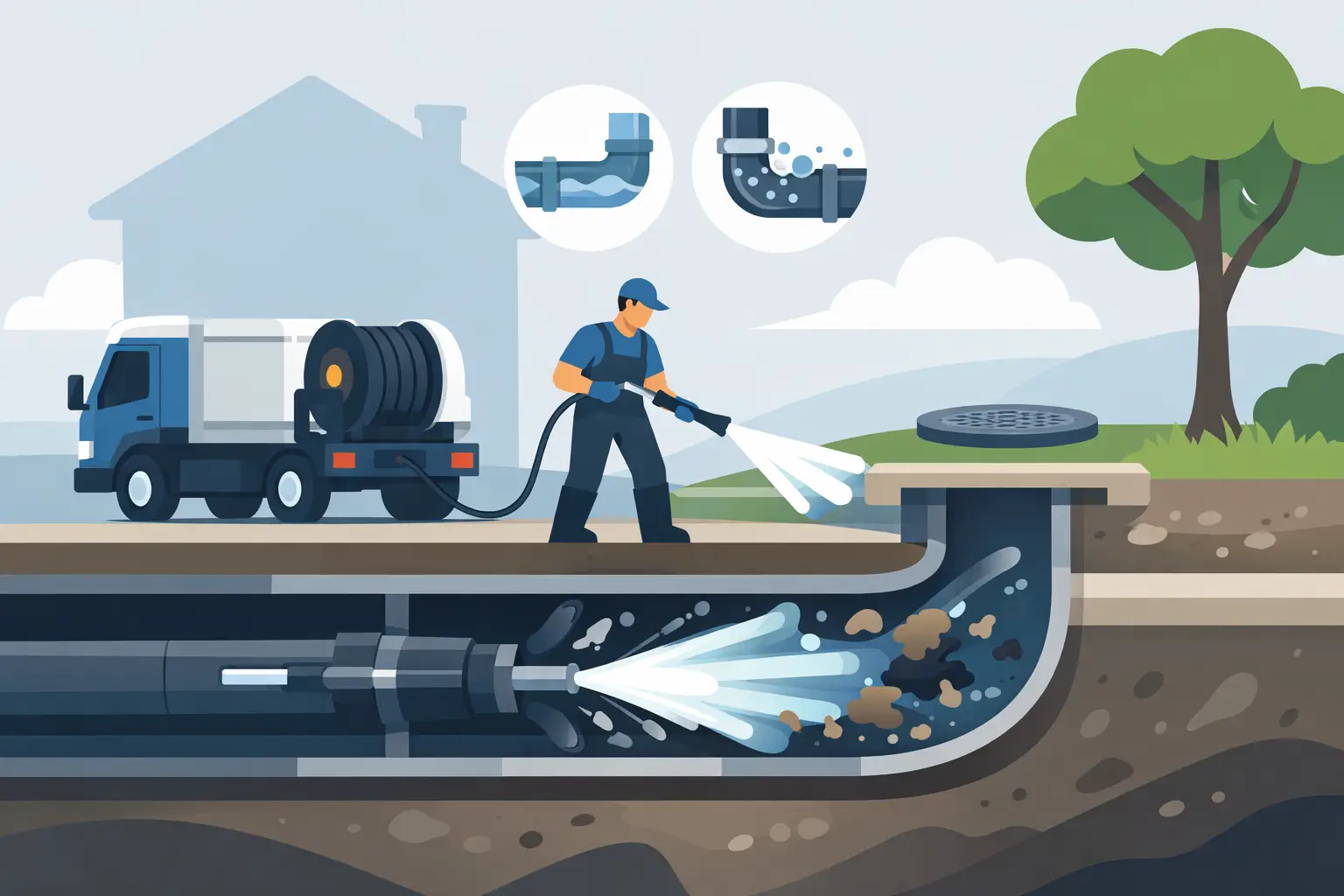
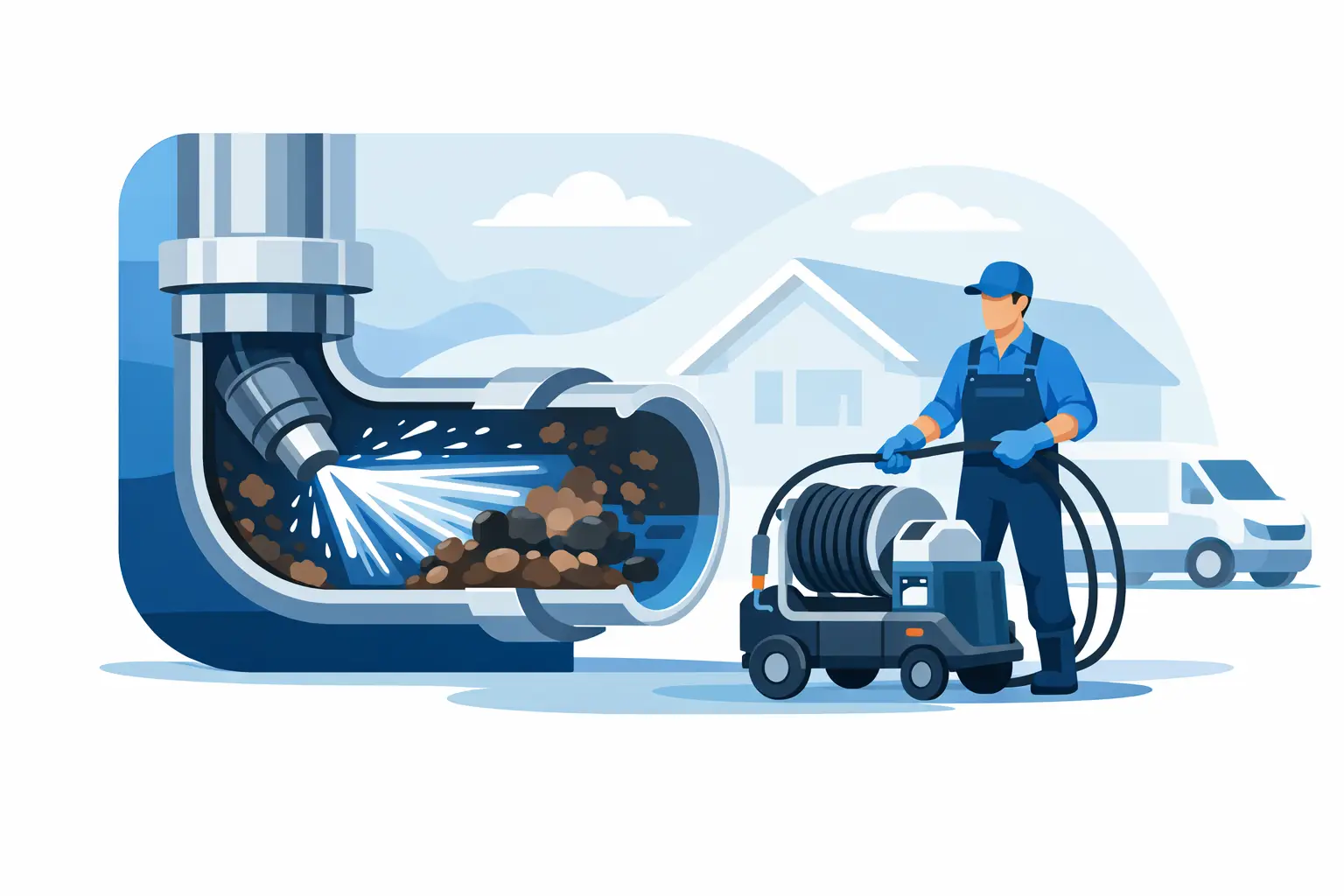
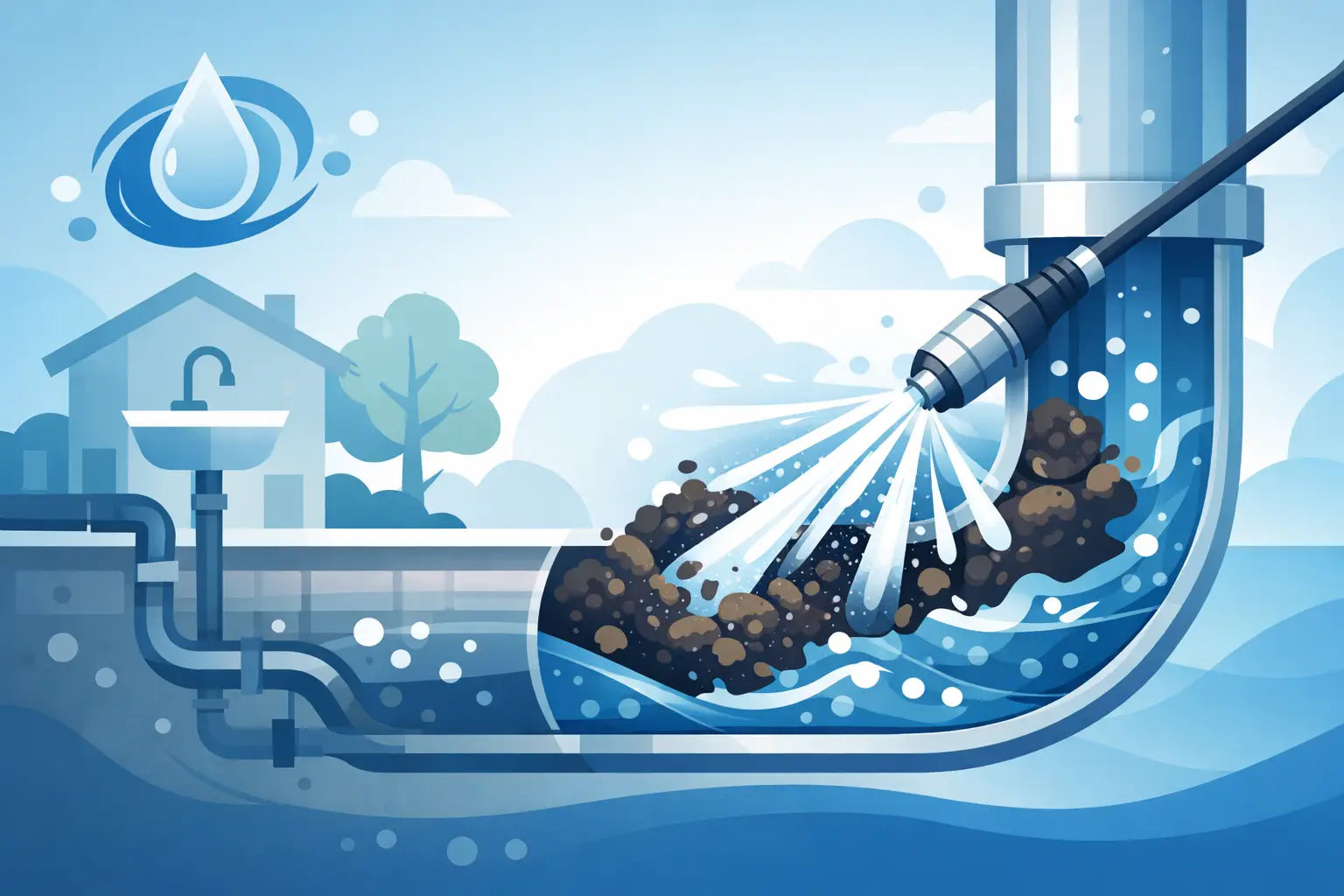
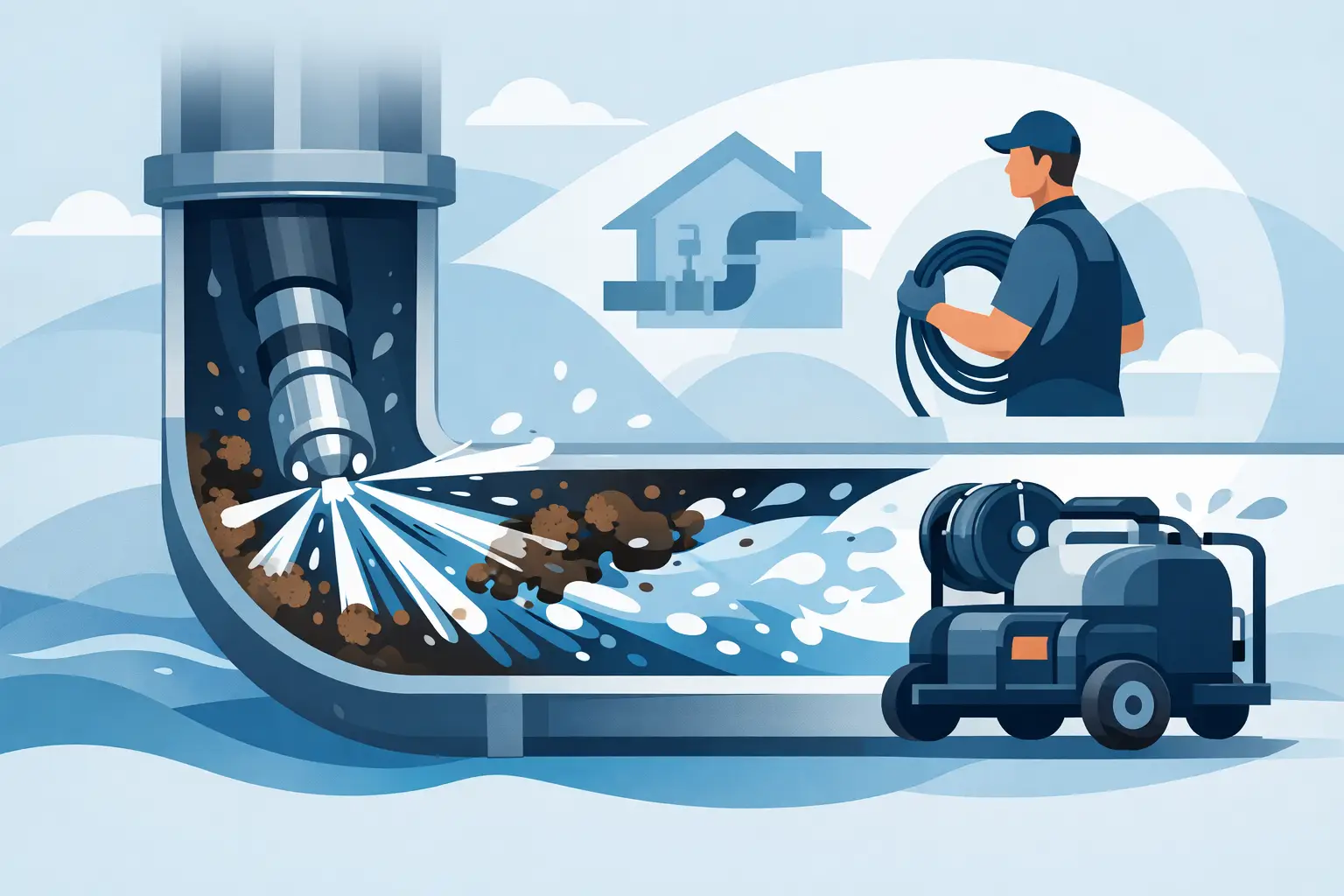
A kitchen sink that keeps backing up after you already tried snaking it is more than annoying. It usually means the clog is not just one small blockage – it is buildup coating the inside of the pipe. If you have been asking what is drain jetting, the short answer is this: it is a professional drain cleaning method that uses high-pressure water to clear grease, sludge, soap residue, and other debris from the inside of your plumbing lines.
For homeowners and business owners, especially restaurants and properties with heavy drain use, drain jetting can be one of the most effective ways to restore proper flow. But it is not the right answer for every situation. The real value comes from knowing what it does well, where it has limits, and when a licensed plumber should recommend something else.
What Is Drain Jetting?
Drain jetting, often called hydro jetting, is a plumbing service that uses a specialized hose and nozzle to send pressurized water through a drain or sewer line. Unlike a basic drain snake, which usually punches through one section of a clog, jetting is designed to clean the pipe walls more thoroughly.
That difference matters. In many clogged drains, the problem is not a single object sitting in one spot. It is layers of grease, scale, food waste, soap scum, paper residue, or even tree root intrusion that have narrowed the line over time. A cable machine may restore some flow, but water jetting can remove much more of that buildup.
You can think of it as the difference between poking a hole through a blockage and actually washing the pipe clean.
How Drain Jetting Works
A professional plumber connects a jetting machine to a water source and feeds a heavy-duty hose into the drain line. The nozzle is built to spray water in different directions. Some jets blast forward to break through stubborn material, while rear-facing jets help propel the hose through the pipe and flush debris back toward the access point.
The pressure is strong enough to cut through years of residue in many cases. For grease-heavy commercial lines, this can make a major difference. For residential sewer lines, it can clear out sludge and waste that keeps causing repeated slow drains or backups.
That said, more pressure is not always better. A trained plumber chooses the right nozzle, pressure, and approach based on the pipe material, the condition of the line, and the type of obstruction. Older pipes, damaged pipes, or lines with loose joints may need a more careful plan.
What Drain Jetting Is Best For
Drain jetting works especially well when the issue is buildup across the inside of the pipe rather than one isolated clog. In homes, that often means kitchen drains with grease and food residue, shower drains with soap and hair-related sludge, or main sewer lines with recurring blockages.
In commercial settings, it is often a smart choice for restaurants, multi-unit properties, and facilities with frequent drain use. Grease, sediment, and heavy waste flow can turn into ongoing maintenance problems if the line is only partially cleared each time.
Jetting is also useful as a maintenance service. Some properties wait until drains stop working, but others benefit from scheduled cleaning before backups happen. That can be especially helpful for businesses where downtime is costly or unsanitary.
What Drain Jetting Does Better Than Snaking
Snaking still has its place. It is often effective for a simple clog close to the drain opening, and in some cases it is the fastest first step. But when drains keep slowing down or backing up, repeated snaking can become a short-term fix.
The reason is simple. A snake may break through the blockage without removing the residue lining the pipe. That leftover buildup catches new debris, and the problem returns. Drain jetting is often better at addressing the underlying condition of the pipe interior.
This is why two homes with the same symptom – a recurring kitchen drain clog, for example – may need different solutions. One might only need a snake. The other may need jetting because the line is coated with grease for several feet.
When Drain Jetting May Not Be the Right Choice
This is where experience matters. Drain jetting is powerful, but it is not automatically the safest or best first move in every situation.
If a pipe is cracked, collapsed, badly corroded, or separated at the joints, high-pressure water can worsen the problem or fail to solve it. If tree roots have fully invaded the line, jetting may clear some of the intrusion, but it may not be enough as a stand-alone repair. In those cases, a sewer camera inspection is often the smart first step.
A camera inspection lets the plumber see what is actually happening inside the line before choosing the method. That protects the customer from guesswork and helps avoid paying for the wrong service.
There is also the matter of pipe material and age. Older plumbing systems may need a more cautious approach. A trustworthy plumber will not recommend jetting just because it sounds impressive. They will recommend it because the line condition supports it.
Signs You Might Need Drain Jetting
If your drains are slow once and then return to normal, jetting may be more than you need. But if you are dealing with repeated trouble, it is worth asking whether buildup deeper in the system is the real cause.
Common signs include multiple slow drains, recurring backups, foul drain odors, gurgling sounds, water backing up in lower fixtures, or a history of frequent snaking without lasting improvement. For restaurants and commercial kitchens, grease-related drain issues are one of the clearest cases where jetting can make sense.
The key phrase is recurring problem. When the same line keeps causing trouble, that usually points to a condition inside the pipe that needs more than a temporary opening.
Is Drain Jetting Safe for Pipes?
When performed correctly, drain jetting can be safe and highly effective. But it should not be treated like a one-size-fits-all service.
Professional plumbers inspect the situation, evaluate the pipe material, and decide whether the line is a good candidate. That is very different from assuming every clog needs maximum water pressure. Safety comes from the technician’s judgment, not just the equipment.
For that reason, this is not a DIY job. Consumer drain cleaners can damage pipes in one way, and improper jetting can damage them in another. If there is any chance the line is compromised, a proper inspection matters.
What to Expect During a Professional Service Call
A quality service call should feel clear, not confusing. In many cases, the plumber will start by asking about the history of the clog – how often it happens, which fixtures are affected, and whether the line has backed up before.
From there, they may recommend a camera inspection, snaking, drain jetting, or a combination of services. If jetting is the right fit, the goal is not just to get water moving that day. The goal is to leave the line in better condition than a basic clog punch-through would.
This is where flat-rate, upfront pricing matters too. Customers deserve to know what is being recommended and why. A dependable plumbing company explains the trade-offs clearly, especially if the line may also need repair.
What Is Drain Jetting Worth to a Home or Business?
The answer depends on the type of problem you are trying to solve. If you have a single minor clog, drain jetting may be more than necessary. If you have an older line with serious structural damage, repair may be the real answer. But if the issue is heavy buildup causing repeat drain problems, jetting can save time, frustration, and repeated service calls.
For businesses, that value can be even higher. A restaurant kitchen or commercial restroom with recurring backups affects operations, sanitation, and customer experience. For property managers, recurring drain complaints from tenants can turn into a cycle of patchwork fixes unless the line is cleaned properly.
At its best, drain jetting is not about using the strongest tool available. It is about using the right tool for the actual condition of the pipe. That is the kind of plumbing service that builds trust over time – the kind families and businesses in Central Florida can count on when they want the job done right the first time.
If you are dealing with drains that never seem fully fixed, the next step is not guessing. It is getting a clear diagnosis so you can make the right repair decision with confidence.