A drain that keeps backing up after snaking is more than annoying – it usually means the blockage was never fully removed. If you have been asking what is hydro jetting a clogged drain, the short answer is this: it is a professional drain cleaning method that uses high-pressure water to scour the inside of the pipe and wash buildup out of the line.
That sounds simple, but the real value is in what hydro jetting can remove and when it is the better choice than a basic drain snake. For homeowners, restaurants, property managers, and commercial facilities in Central Florida, that difference matters. A quick fix may get water moving again for a few days. A thorough cleaning can help prevent the same call from happening again next week.
What is hydro jetting a clogged drain and how does it work?
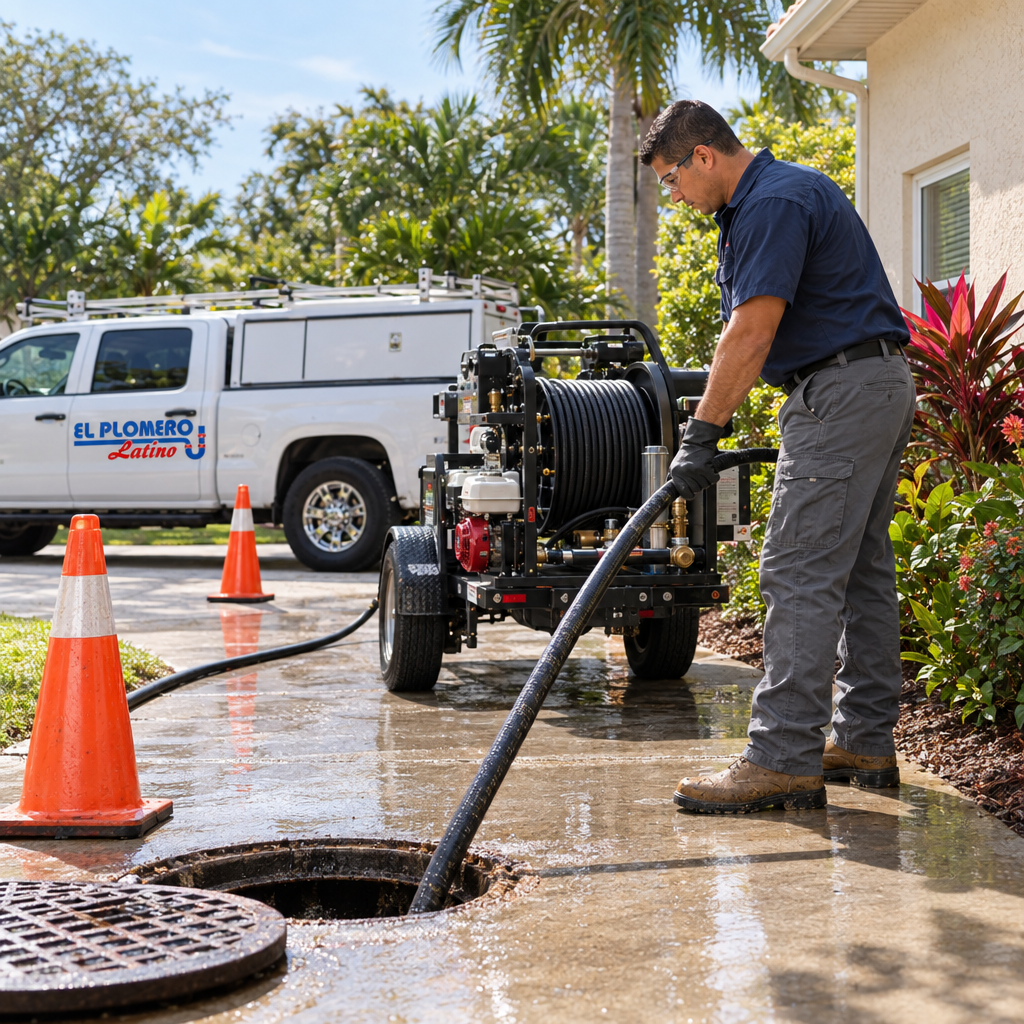
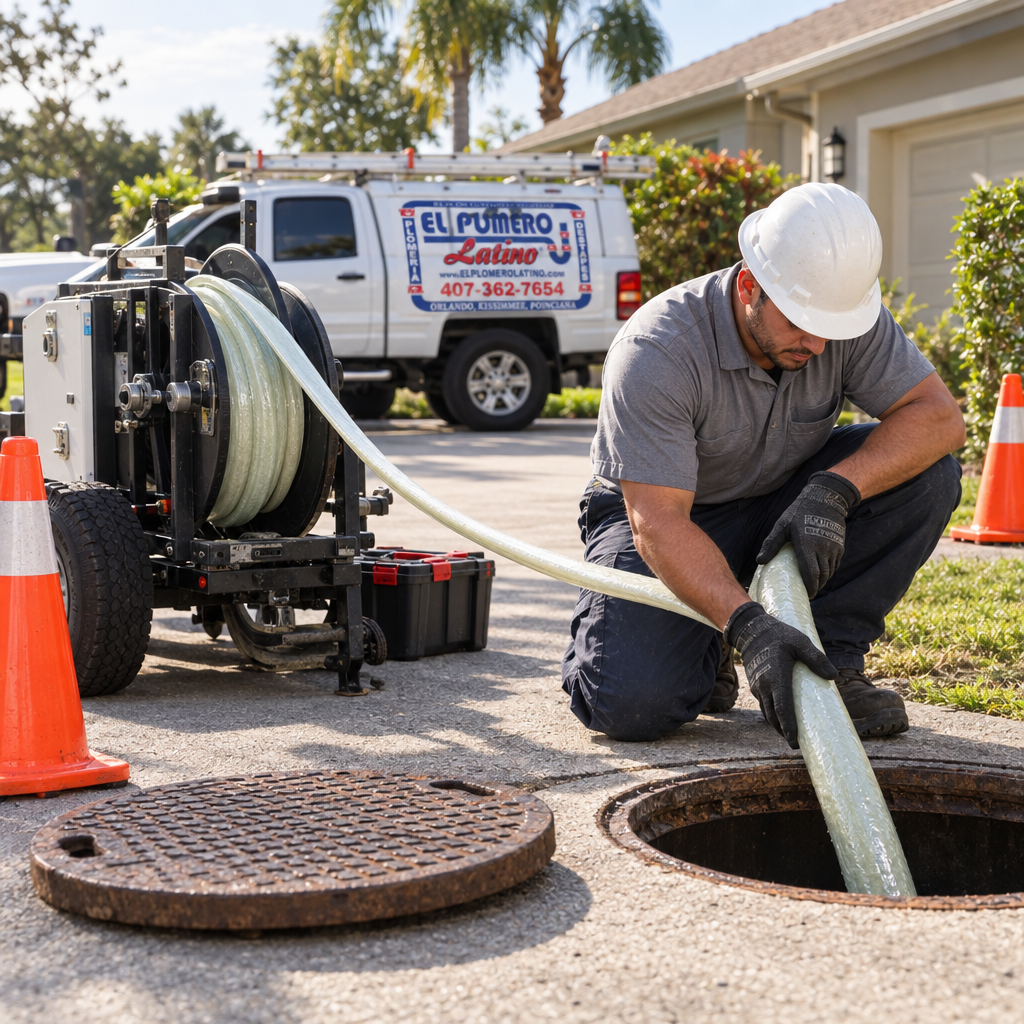
Hydro jetting uses specialized equipment that sends water through a hose and nozzle at very high pressure. The nozzle is designed to spray water forward and backward. The forward jets help break through the obstruction, while the rear-facing jets pull the hose through the line and scrub the pipe walls.
Unlike a drain snake, which often punches a hole through a clog, hydro jetting is meant to clean the full inside diameter of the pipe. That distinction is important. Many clogs are not caused by one solid object sitting in the line. They are caused by layers of grease, soap scum, sludge, food waste, scale, or debris that narrow the pipe over time. Hydro jetting cuts through that buildup and flushes it away.
In some cases, it can also clear invasive tree roots inside a sewer line. That does not mean it repairs a broken pipe or stops roots from returning forever. It means it can be an effective way to reopen and clean the line when roots are part of the blockage.
Why hydro jetting is different from snaking
A lot of people assume all drain cleaning is basically the same. It is not. The method should match the condition of the line.
A cable snake is useful when the goal is to break through a localized clog quickly. It can work well for simple stoppages caused by hair, paper, or a minor obstruction. It is often the fastest way to restore flow in the right situation.
Hydro jetting is different because it is not just trying to poke a path through the blockage. It is trying to remove the buildup along the pipe walls. That is why it is often recommended for recurring kitchen drain clogs, grease-heavy commercial lines, main sewer line blockages, and drains that have been slow for a long time.
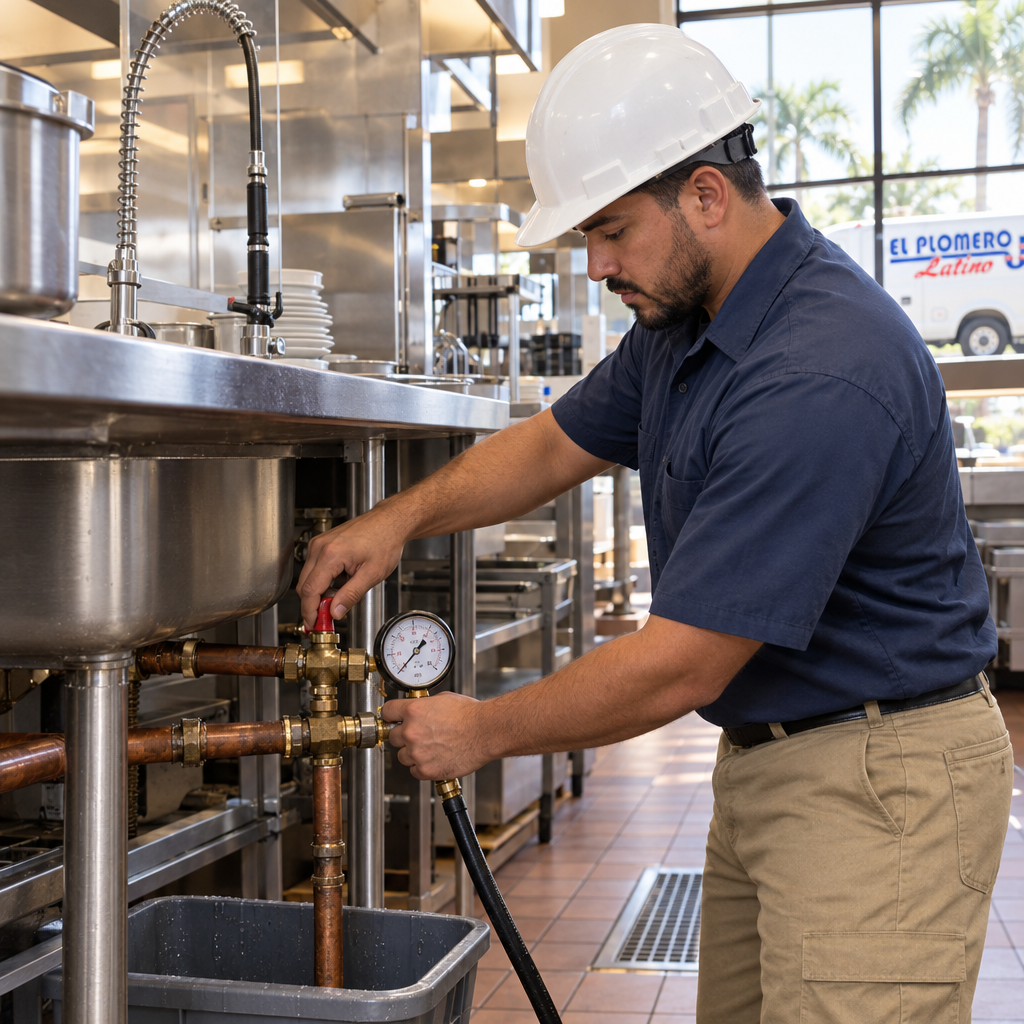
If you manage a restaurant or commercial kitchen, this matters even more. Grease does not just disappear because hot water went down the sink. It cools, sticks, and builds up. Snaking may open a small channel. Hydro jetting can strip away much more of that grease layer.
What hydro jetting can clear
Hydro jetting is powerful, but it is not magic. It works best on the types of blockages water pressure is designed to break apart and wash away.
It can be highly effective for grease, soap residue, sludge, mineral scale, food buildup, hair, and soft obstructions. It is also commonly used for root intrusion when the roots have entered the line through joints or small openings. In long horizontal drain lines, it can clean areas that are hard to address with simpler tools.
Where it depends is the condition of the pipe itself. If the line is collapsed, badly cracked, offset, or already failing, high-pressure cleaning may not be the right first step. In that case, the issue is structural, not just a clog.
When hydro jetting is a smart choice
Hydro jetting makes the most sense when the problem keeps coming back or when there is clear evidence of heavy buildup in the line. If one sink drains slowly once, you may not need it. If multiple fixtures are backing up, the main line is sluggish, or you have had repeat drain cleaning visits for the same issue, it becomes a much stronger option.
It is often a smart choice for older properties with recurring sewer issues, restaurants dealing with grease accumulation, apartment or condo buildings with shared drain lines, and homeowners who want a more complete cleaning than snaking alone can provide.
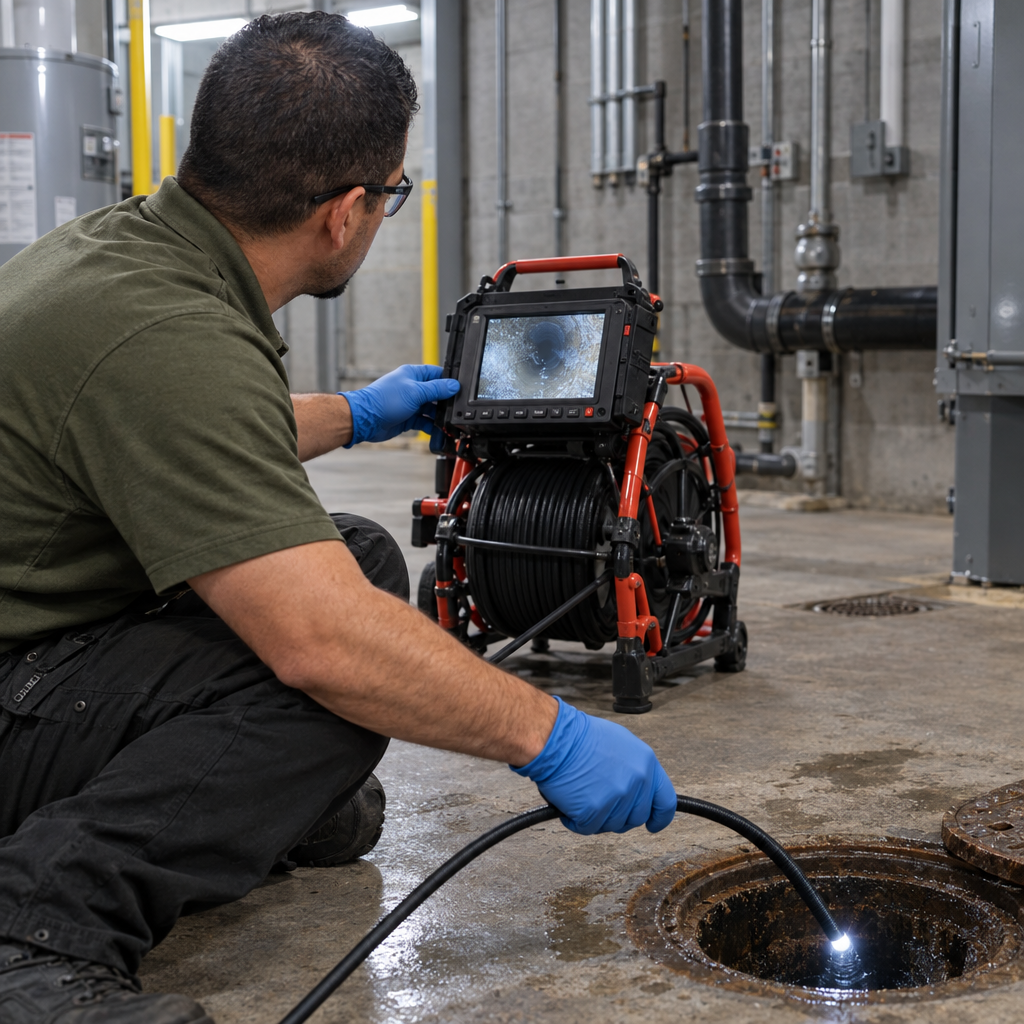
This is also why many plumbers pair hydro jetting with a sewer camera inspection. A camera helps confirm what is causing the blockage and whether the pipe can safely handle the cleaning. That protects the customer from paying for the wrong service and helps avoid unnecessary risk.
Is hydro jetting safe for pipes?
This is one of the most common concerns, and it is a fair one. The answer is yes – when it is done by a trained professional after the line has been properly evaluated.
Hydro jetting is safe for many modern plumbing and sewer systems, but not every pipe is a good candidate. Older lines, fragile pipes, or pipes with existing damage need extra care. If a pipe is already weakened, any aggressive cleaning method can create problems.
That is why an honest plumbing company does not treat hydro jetting like a one-size-fits-all answer. The right process is to inspect the line, understand the pipe material and condition, and then recommend the method that makes sense. Sometimes hydro jetting is the best solution. Sometimes cabling, spot repair, or full replacement is the more responsible call.
Signs you may need hydro jetting
Some drain problems are obvious. Others build slowly until they become expensive. If your sinks keep gurgling, water backs up in tubs or floor drains, bad odors are coming from the drains, or multiple fixtures are slow at the same time, there may be significant buildup in the line.
Recurring clogs are another big sign. If the same drain has been snaked more than once and the issue keeps returning, there is a good chance the pipe walls are still coated with debris. Hydro jetting addresses that deeper layer of buildup.
For commercial properties, especially restaurants, preventive hydro jetting can also make sense before there is a full backup. A scheduled cleaning is usually much less disruptive than shutting down operations because a line overflowed during business hours.
What to expect during the service
The process usually starts with an inspection. In many cases, a plumber will use a camera to look inside the drain or sewer line and identify the blockage, the pipe condition, and the best point of access.
Once the line is approved for hydro jetting, the technician inserts the hose and begins cleaning with controlled water pressure matched to the job. This is not a blast-and-hope approach. The pressure and nozzle selection should be based on the type of clog and the pipe involved.
As the jetting continues, debris is broken apart and flushed through the system. Afterward, another camera inspection may be performed to confirm the line is clear. That gives you a better picture of the actual result, not just whether water happens to be draining at that moment.
Hydro jetting is not always the first answer
A trustworthy plumber should say this clearly: hydro jetting is a great tool, but it is not automatically the best tool every time. If a child flushed a toy, if the blockage is caused by a collapsed section of sewer line, or if the pipe is too damaged to handle pressure cleaning, a different repair path is needed.
That is where experience matters. The goal is not to sell the biggest service. The goal is to fix the problem correctly, protect your home or business, and avoid wasted money.
For customers in the Orlando area, that kind of straightforward guidance matters just as much as the equipment itself. El Plomero Latino Inc. has built long-term relationships by being honest about what a line needs and what it does not.
The real benefit of hydro jetting
The biggest benefit is not just that it clears a clog today. It is that it can leave the line much cleaner than temporary methods, which may reduce repeat backups and help the system flow the way it should.
That can save time, frustration, cleanup costs, and repeat service calls. For a homeowner, it can mean fewer messy surprises. For a business, it can mean less downtime and less risk of a drain problem affecting customers or operations.
If you are wondering whether hydro jetting is worth it, the honest answer is that it depends on the blockage, the pipe, and how often the problem comes back. But when the line is a good candidate, it is one of the most effective ways to clean a clogged drain thoroughly instead of just buying a little time.
The best next step is simple: get the line properly inspected, find out what is really happening inside the pipe, and choose the solution that fixes the problem with confidence.