In many homes and businesses, plumbing issues are only addressed once they’ve turned into an emergency. However, preventive plumbing maintenance is one of the most effective strategies for avoiding unexpected expenses, structural damage, and the inconveniences that can disrupt our daily routines. In this article, we’ll explore in detail why this type of maintenance is essential, what actions it includes, and how to implement it properly.
What is preventive plumbing maintenance?
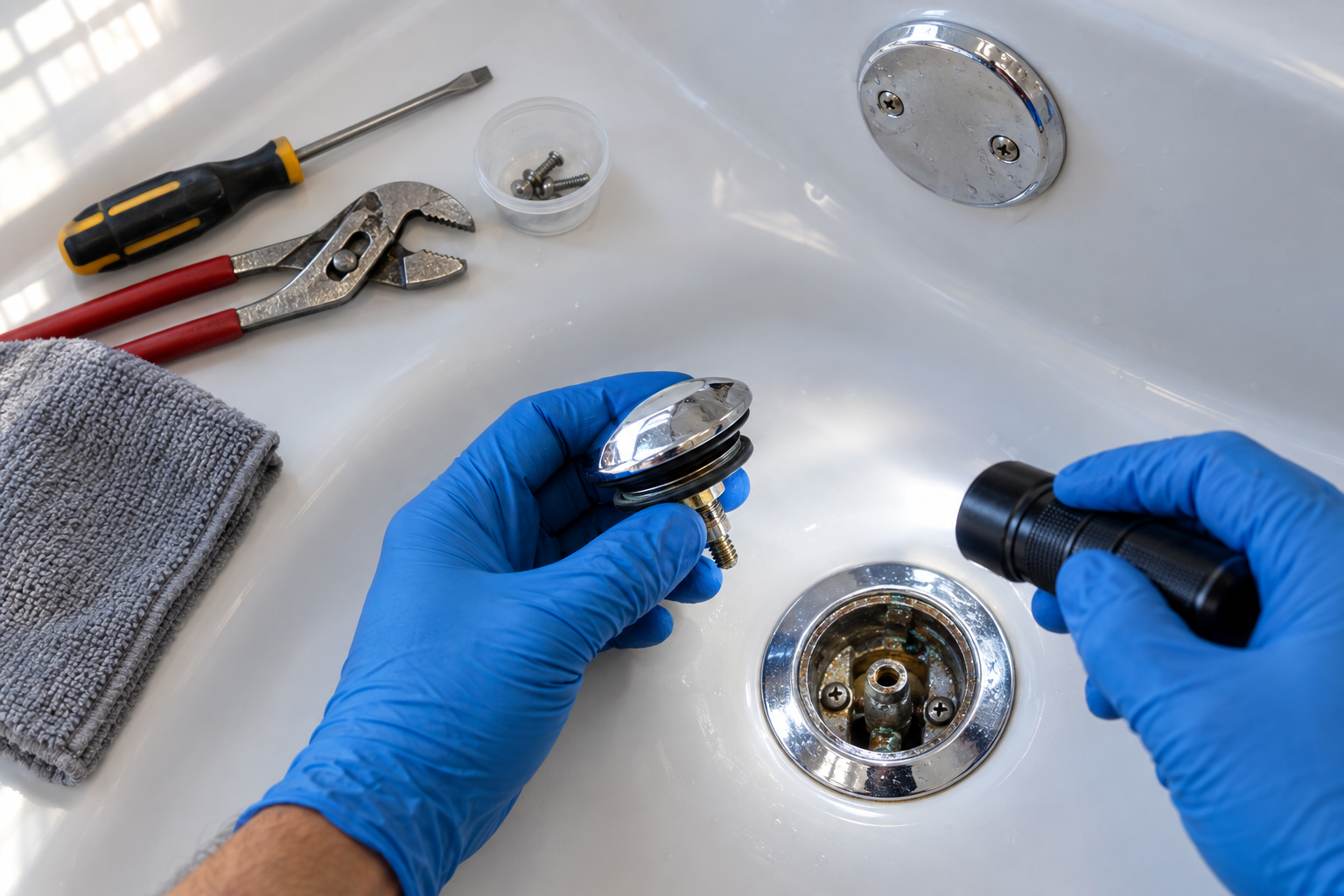
Preventive plumbing maintenance involves carrying out inspections, cleanings, and minor repairs on a regular basis to avoid major failures in the water system. Unlike corrective maintenance, which is performed once the problem has already appeared, preventive maintenance focuses on anticipating and avoiding issues.
Why is it so important?
Because a small leak today, if left unattended, can turn into a burst pipe tomorrow. A slow drain can become a complete blockage. And a poorly maintained water heater might unexpectedly fail in the middle of winter.
Additionally, preventive maintenance provides extra benefits such as:
- Long-term cost savings
- Extended lifespan of components
- Better system efficiency
- Reduced risk of flooding or water damage
- Compliance with health and safety regulations
Key preventive maintenance tasks
Preventive plumbing maintenance doesn’t have to be complicated, but it does require consistency. Below are the most important tasks that should be performed regularly to keep your plumbing system in optimal condition.
1. Leak and water damage inspection
Early detection of water leaks is one of the most important aspects of preventive maintenance. While some leaks are visible, many others occur behind walls, under floors, or in ceilings.
What should we check?
- Connections under sinks and washbasins
- Joints in showers, bathtubs, and toilets
- Exposed pipes in basements or outdoors
- Water meters (if water is running without visible use, there may be a hidden leak)
A helpful tip is to turn off all faucets and check if the water meter is still spinning. If it is, that’s a sign of a possible hidden leak.
2. Drain cleaning
Slow drains are often the first symptom of a forming blockage. Hair, grease, soap residue, and other debris accumulate over time, affecting normal water flow.
Practical recommendations:
- Use hair catchers in showers and sinks
- Pour hot water with vinegar and baking soda every 2 weeks
- Avoid pouring oil or solid food into the kitchen sink
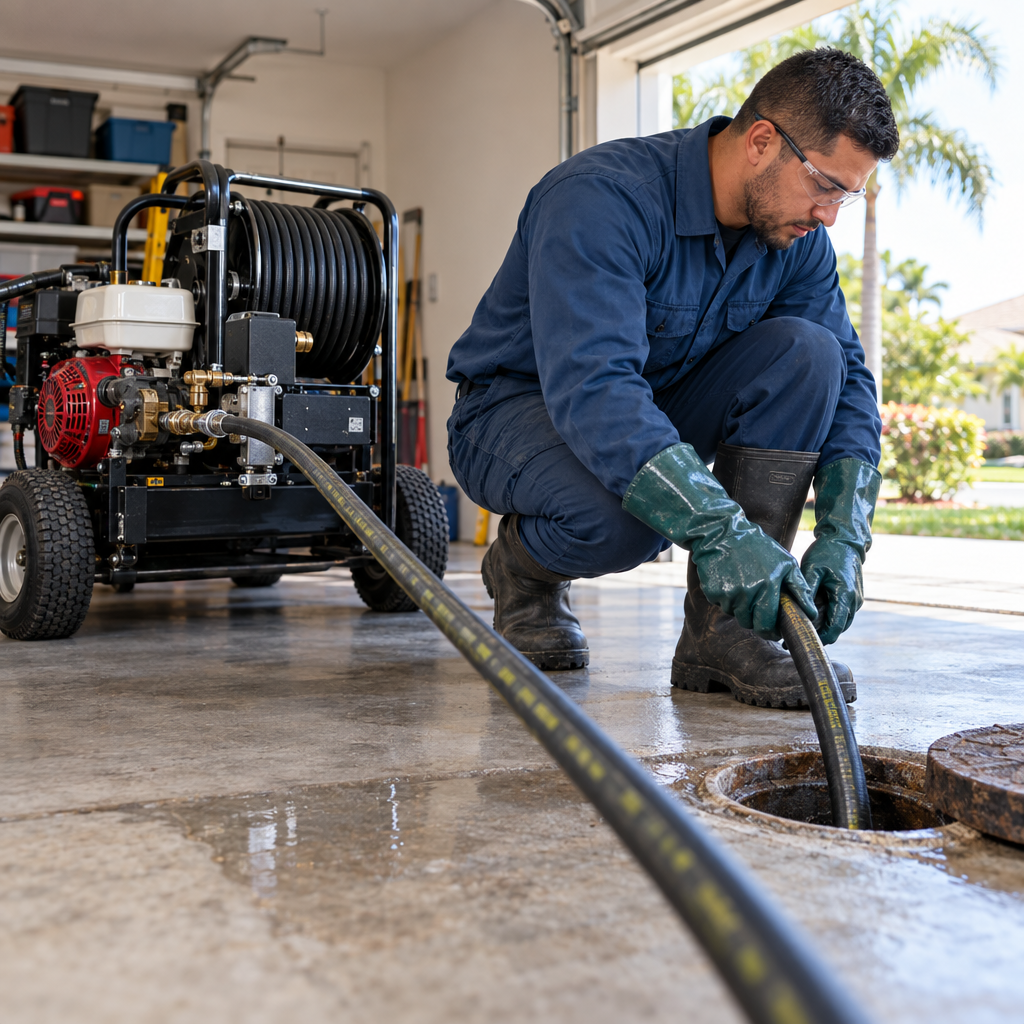
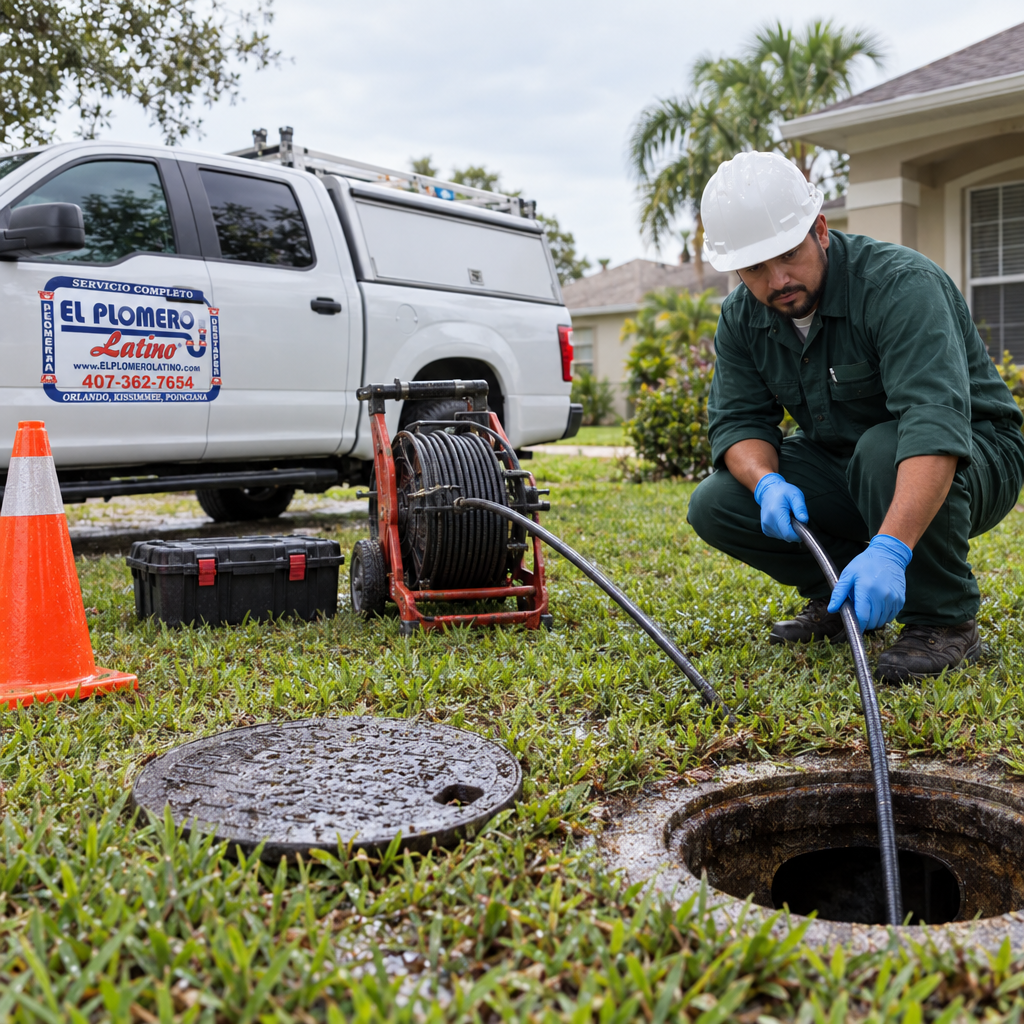
In larger facilities, such as apartment buildings or commercial properties, an annual professional cleaning is recommended using high-pressure equipment or inspection cameras.
3. Shut-off valve inspection
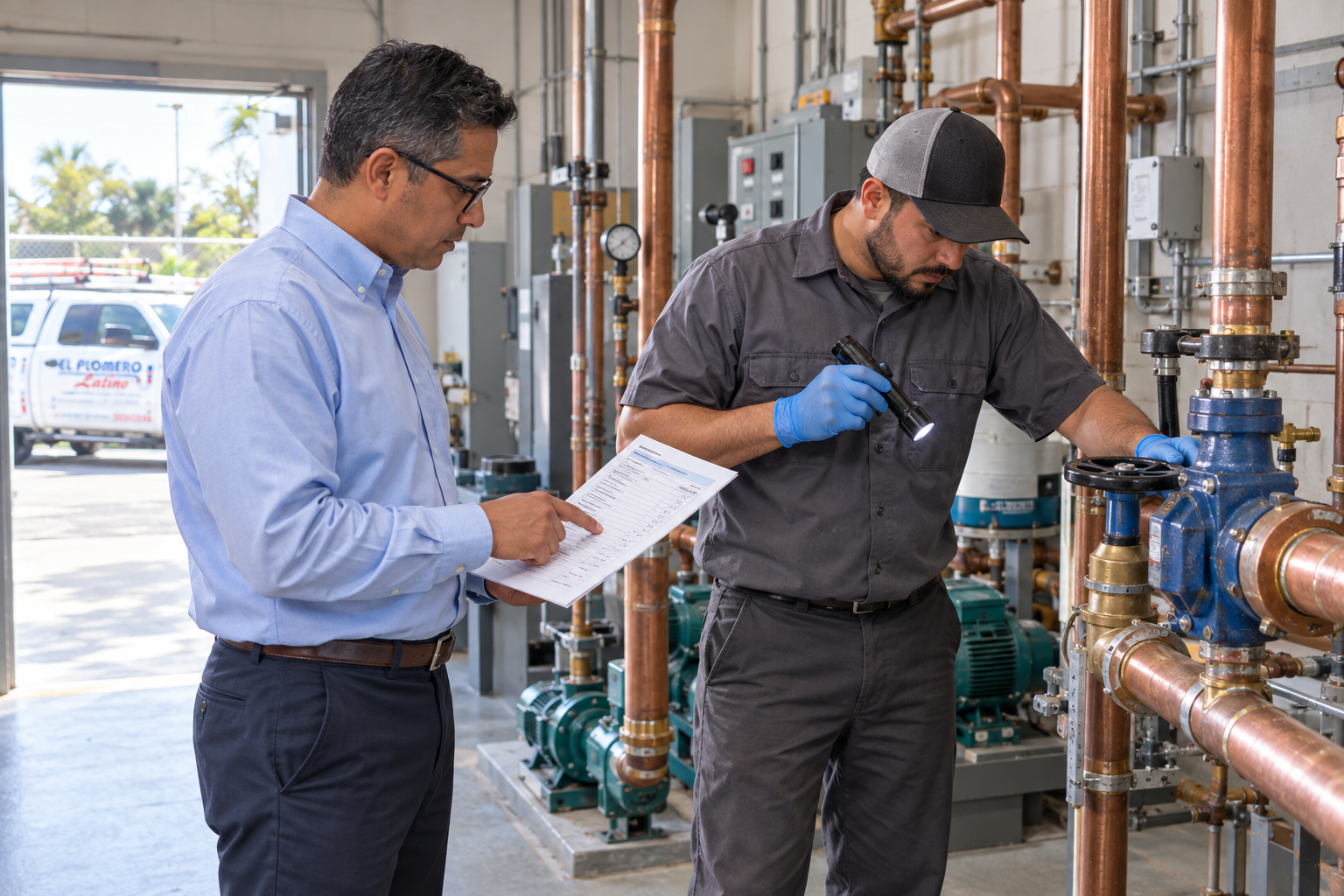
Shut-off valves allow water flow to be interrupted to specific areas of a building. It is crucial that they are in good condition to act quickly in case of an emergency.
How to maintain them:
- Turn them occasionally to prevent them from seizing
- Check that they shut off completely
- Replace them if they show rust, leaks, or break when turned
There’s nothing worse than a leak and realizing the main valve doesn’t work when you need it most.
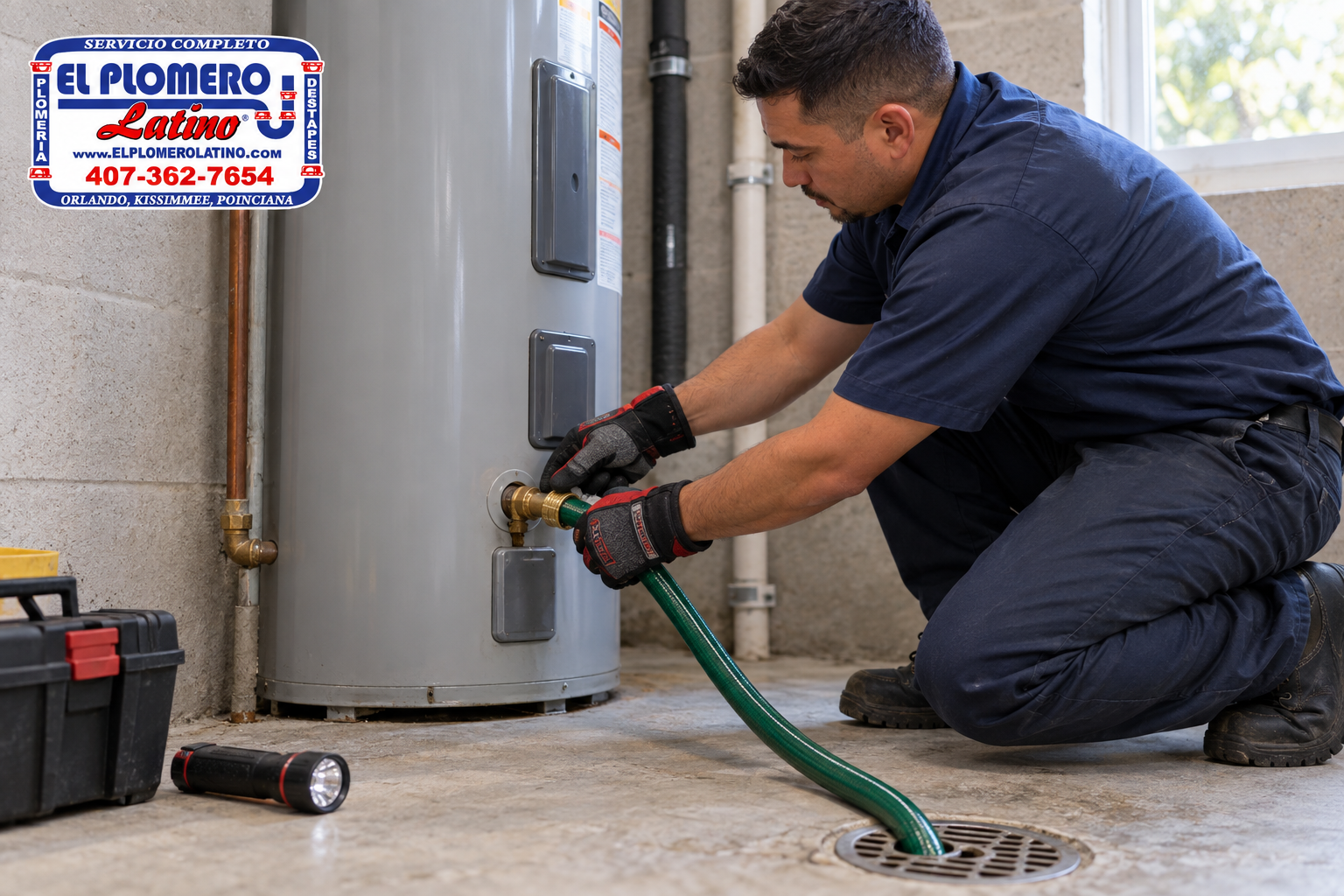
4. Water heater maintenance
The water heater is another critical point often forgotten. Without proper maintenance, it can develop internal corrosion, lose energy efficiency, or even leak.
Recommended maintenance:
- Drain the tank every 6 months to remove sediment
- Check the pressure relief valve
- Inspect gas or electric connections
- Monitor the thermostat (ideally at 120°F or 49°C to prevent burns and save energy)
Financial benefits of preventive maintenance
One of the strongest arguments in favor of this type of maintenance is its positive financial impact. While some people view it as an unnecessary expense, it’s actually a smart long-term investment.
Repair Costs vs. Maintenance
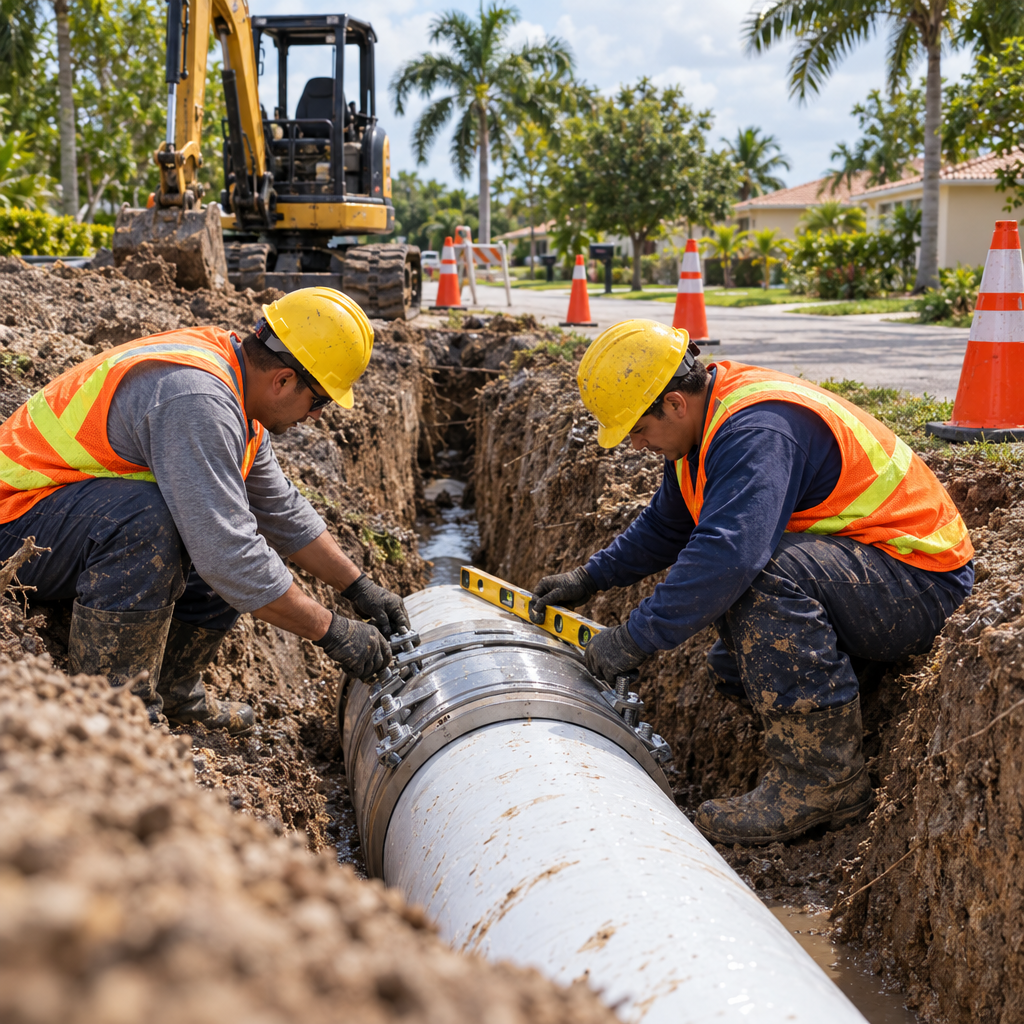
A minor leak may cost just a few dollars to fix. In contrast, a burst pipe that floods a bathroom can cost hundreds or even thousands especially if floors, walls, or furniture need replacing.
Moreover, maintenance helps optimize water usage, lowering your monthly water bill. It also helps avoid fines for code violations or damage caused to neighboring units (in multi-family buildings).
Should you do it yourself or call a professional?
Some preventive maintenance tasks can be performed by anyone with basic knowledge and simple tools. However, for more technical inspections or deep cleanings, it’s best to hire a licensed plumbing professional.
Advantages of hiring a pro:
- Use of inspection cameras for hidden pipes
- Cleaning with specialized equipment
- Full diagnostics and expert recommendations
- Repairs with warranty
Preventive plumbing maintenance is not a luxury, it’s a necessity. It allows us to anticipate potential failures, protect our property, safeguard the environment, and most importantly, avoid costly emergencies that always seem to happen at the worst possible time.
As homeowners or building managers, we must take the responsibility of caring for our plumbing systems as seriously as we care for the structure or electrical systems of our property.
By implementing a proper maintenance plan, we can rest assured knowing we’ve done everything we can to keep our home or business in optimal condition.