

Water leaks are one of the most silent and, paradoxically, most destructive plumbing issues that can occur in a home. Their discreet nature often means they go unnoticed until the damage is already significant. That’s why it’s crucial to be informed about how to detect them early, recognize the common warning signs, and understand the steps to take if you suspect one.
In this article, we’ll cover everything you need to know about a water leak, from early symptoms to the risks of ignoring it, and guide you through how to respond responsibly to this problem.
What exactly is a water leak?
A water leak happens when there is a crack, rupture, or poor sealing in a pipe, valve, or plumbing fixture, allowing water to escape uncontrollably. This can occur in both visible plumbing systems and those hidden behind walls, under floors, or above ceilings. And here lies the biggest problem: it’s not always obvious at first glance.
Often, the most dangerous leaks are not the ones dripping from a faucet or a hose, but those that remain hidden for weeks or even months.
Signs you might have hidden water leak
Detecting a water leak early is essential to avoid expensive repairs or even structural damage. While every case may differ, there are some common signs that may indicate an underlying issue.
Unexpected increase in water bill
One of the first clues that may alert you to a leak is an unexpected spike in your monthly water bill. If your usage habits haven’t changed and the bill has gone up, it’s time to investigate.
Water stains or mold
Brown or greenish stains on ceilings and walls, as well as the presence of mold or mildew in unusual places, are clear signs of moisture build-up. This can be caused by a continuous leak inside the structure.
Persistent musty odor
When water accumulates without proper ventilation, it produces unpleasant smells, similar to mold or dampness. These odors should not be ignored, especially if they come from closed spaces such as closets, basements, or behind furniture.
Warm spots on the floor
If your home has radiant floor heating or hot water pipes beneath the flooring, you may notice some areas feel warmer than others. This could indicate that hot water is leaking under the floor and heating areas it shouldn’t.
Constant sound of running water
Finally, if you hear the constant sound of running water even when all the taps are closed and no appliances are in use, it may be a sign of a silent leak.
Consequences of ignoring a water leak
An unattended water leak can have serious consequences financially, structurally, and health-wise. It’s not just “a little water,” but a problem that, if not addressed quickly, can escalate drastically.
Structural damage to the home
Water that slowly seeps through can weaken foundations, beams, walls, and ceilings. Constant moisture corrodes materials, rusts metals, and promotes cracking. Over time, this can compromise the safety and stability of the property.
Mold and fungi growth
Excess moisture creates the ideal environment for mold and fungi to grow, and they can spread quickly throughout the house. Aside from being unsightly, they pose a health risk, especially to people with allergies or respiratory issues.
Waste of water and money
A leak dripping just one drop per second can waste over 10,000 liters of water per year. This invisible consumption translates into an unnecessary expense that affects both your wallet and the environment.
What to do if you suspect a water leak
If you suspect a water leak, the most important thing is not to delay action. While some people may try to locate the leak themselves, the best course of action is to call a professional plumber, especially if the leak is not visible.
Specialized detection tools
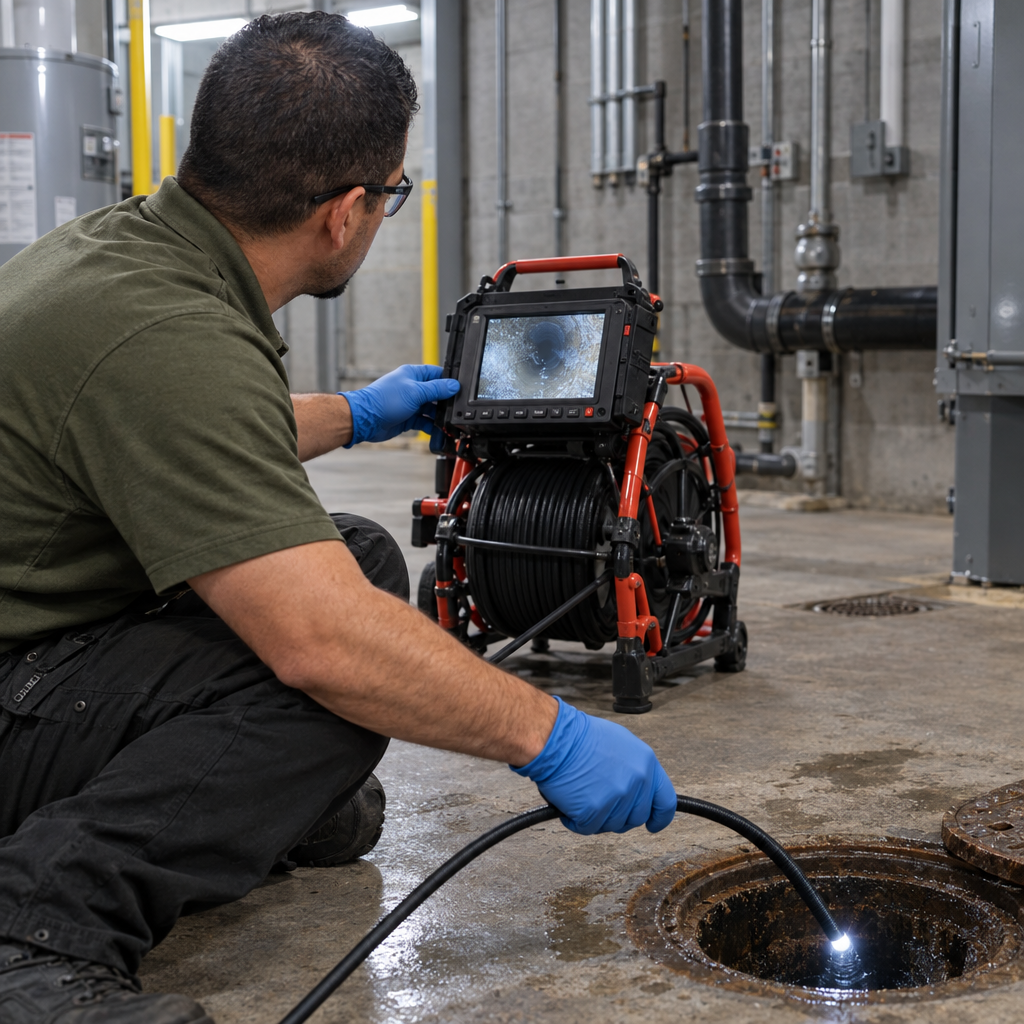
Plumbing professionals use advanced technology to detect leaks without having to break through walls or tear up floors. Some of the most commonly used tools include:
- Thermal imaging cameras: detect temperature variations caused by hot or cold water flowing inside walls and floors.
- Ultrasound equipment: captures sounds that are imperceptible to the human ear, like dripping or leaking water.
- Tracer gas or helium systems: introduce gas into the pipes and use a detector to locate where it escapes.
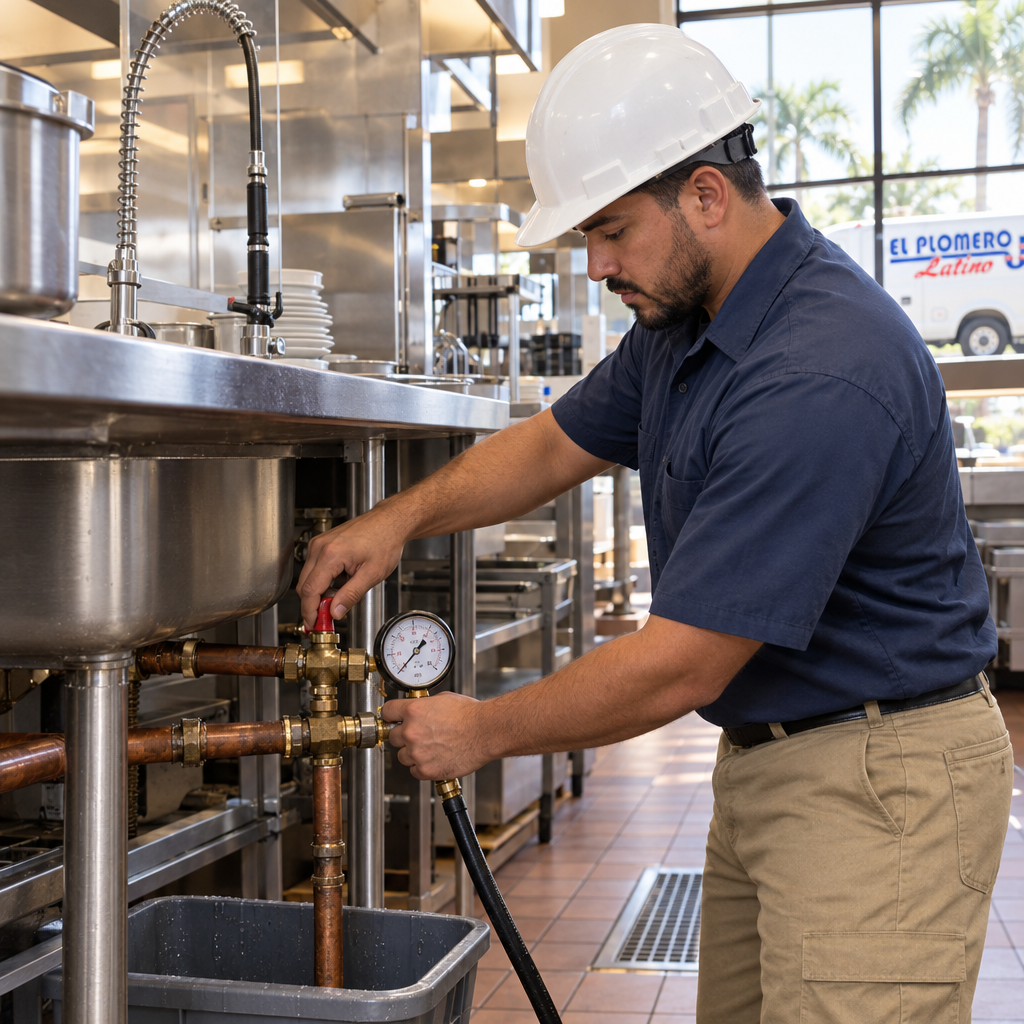
- Digital pressure gauges: help identify pressure loss in the plumbing system.
Immediate repairs
Once the leak is located, it’s important to act immediately to fix the issue. Depending on the damage, this may require anything from a simple sealant to a complete pipe replacement.
If moisture has accumulated, it’s also crucial to dry the area thoroughly, ventilate it, and apply antifungal treatments to prevent future mold problems.
How to prevent future water leaks
The best way to deal with a water leak is to prevent it from happening in the first place. Here are a few tips that can help:
- Conduct regular inspections of your plumbing system, especially in older homes.
- Install automatic shut-off valves that detect leaks and cut the water supply immediately.
- Use high-quality materials and ensure professional installation from the start.
- Pay attention to any unusual signs, no matter how minor they may seem.
- Check ceilings, basements, and walls at least once a year for moisture or deformation.
A water leak may seem like a minor inconvenience at first, but if left unresolved, it can turn into an expensive and dangerous issue. Paying attention to warning signs, acting quickly, and seeking professional help are key steps to protect your home and your health.