
A backed-up restroom five minutes before a restaurant opens, a burst supply line above a retail ceiling, or sewage coming up through a floor drain can turn a normal workday into an expensive shutdown. Commercial plumbing emergency preparedness gives your team a clear path forward when every minute matters: protect people, limit damage, and get qualified help moving quickly.
For Central Florida businesses, preparation also means planning for heavy rain, storm-related power interruptions, high customer traffic, and buildings that may sit vacant after hours. A written plan will not prevent every plumbing failure. It can, however, keep a manageable problem from becoming damaged inventory, unsafe conditions, lost revenue, and a long interruption for tenants or customers.
Start With the Risks Inside Your Building
Every commercial property has different pressure points. A small office may be most vulnerable to a leaking water heater or an overflowing toilet. A restaurant has grease, high-volume dishwashing, restrooms, floor drains, and a sewer line that cannot afford to fail during peak hours. Condo associations, medical offices, retail centers, and warehouses each need a plan that reflects how their plumbing is actually used.
Walk the property with a facility manager, maintenance lead, or licensed commercial plumber. Identify the fixtures and systems that could create the greatest disruption, including main water lines, water heaters, restroom groups, break-room sinks, irrigation connections, sewer cleanouts, floor drains, backflow devices, and grease-related drainage equipment where applicable.
Consider what happens if each system fails. A slow leak in a storage room may be caught early. A leak above electrical equipment, a sewer backup near food preparation, or a loss of water service in an occupied building requires a much faster and more controlled response. This assessment helps you decide where to invest in monitoring, maintenance, spare supplies, and staff training.
Know How to Shut Off Water Safely
The most useful action in many plumbing emergencies is also the simplest: shut off the water before it spreads. Unfortunately, many employees do not know where the main shutoff valve is located, whether it works, or who has access to it after business hours.
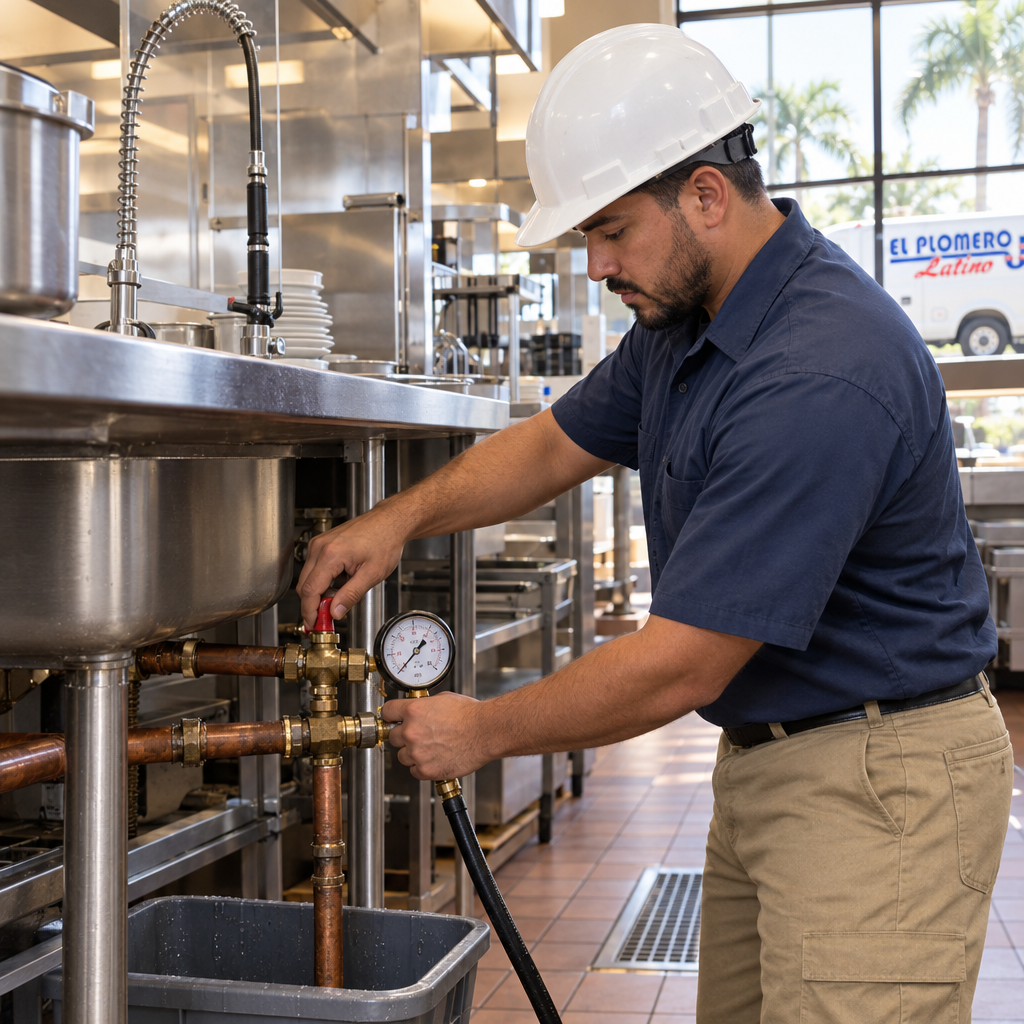
Mark the main water shutoff clearly and keep the route to it open. If your building has separate shutoffs for restrooms, kitchens, tenant spaces, or equipment, label those as well. A targeted shutoff can protect operations in the rest of the building while a repair is underway. That may be preferable to turning off water to an entire multi-tenant property, but only if staff can identify the correct valve without guessing.
Your emergency plan should name the people authorized to shut off water and explain when they should do it. For example, active flooding, a burst pipe, or water entering electrical areas generally calls for immediate action. A minor dripping faucet does not. Staff should never force a stuck valve or attempt a repair that puts them near electrical hazards, sewage, hot water, or unstable ceilings.
Test shutoff valves during planned maintenance. A valve that has not moved for years may fail when you need it most.
Assign Roles Before an Emergency Happens
Plumbing emergencies create confusion when everyone assumes someone else has called for help. Assigning a few clear responsibilities makes the response faster without making the plan complicated.
Your property manager, general manager, or designated supervisor should have authority to pause operations, contact emergency plumbing support, and communicate with ownership or tenants. Another trained employee can direct customers away from the affected area and place wet-floor signs. A maintenance contact can locate shutoff valves, provide building access, and meet the plumber with details about what occurred.
Keep this information in a printed emergency binder and in a shared digital location. Include building access instructions, alarm and utility contacts, insurance information, a basic plumbing map if one is available, and the approved emergency plumbing company. Store it somewhere staff can reach if the office computer, internet connection, or regular manager is unavailable.
A good plan also accounts for after-hours calls. Decide who receives the first call, who has keys or access codes, and who can approve emergency work when an owner or board member cannot be reached immediately. Delays often come from access and authorization, not from the repair itself.
Create a First-Response Procedure
When water or sewage appears where it should not, employees need simple instructions they can follow under pressure. Your first-response procedure should focus on safety and containment, not diagnosing the exact repair.
Use these steps for an active commercial plumbing incident:
- Keep employees, customers, and tenants out of wet or contaminated areas. Use barriers and clear signage.
- Shut off the local fixture valve or main water supply when there is active, uncontrolled water flow and it is safe to do so.
- Do not use electrical equipment near standing water. If water is near outlets, panels, or powered equipment, treat it as an electrical safety concern.
- For sewage backups, close the affected restroom, kitchen, or room immediately. Avoid using nearby fixtures until a professional confirms the line is flowing properly.
- Take photos and note the time, location, visible damage, unusual odors, and what fixtures were used before the problem began.
- Contact your emergency plumbing professional and provide a direct callback number, site access details, and a concise description of the problem.
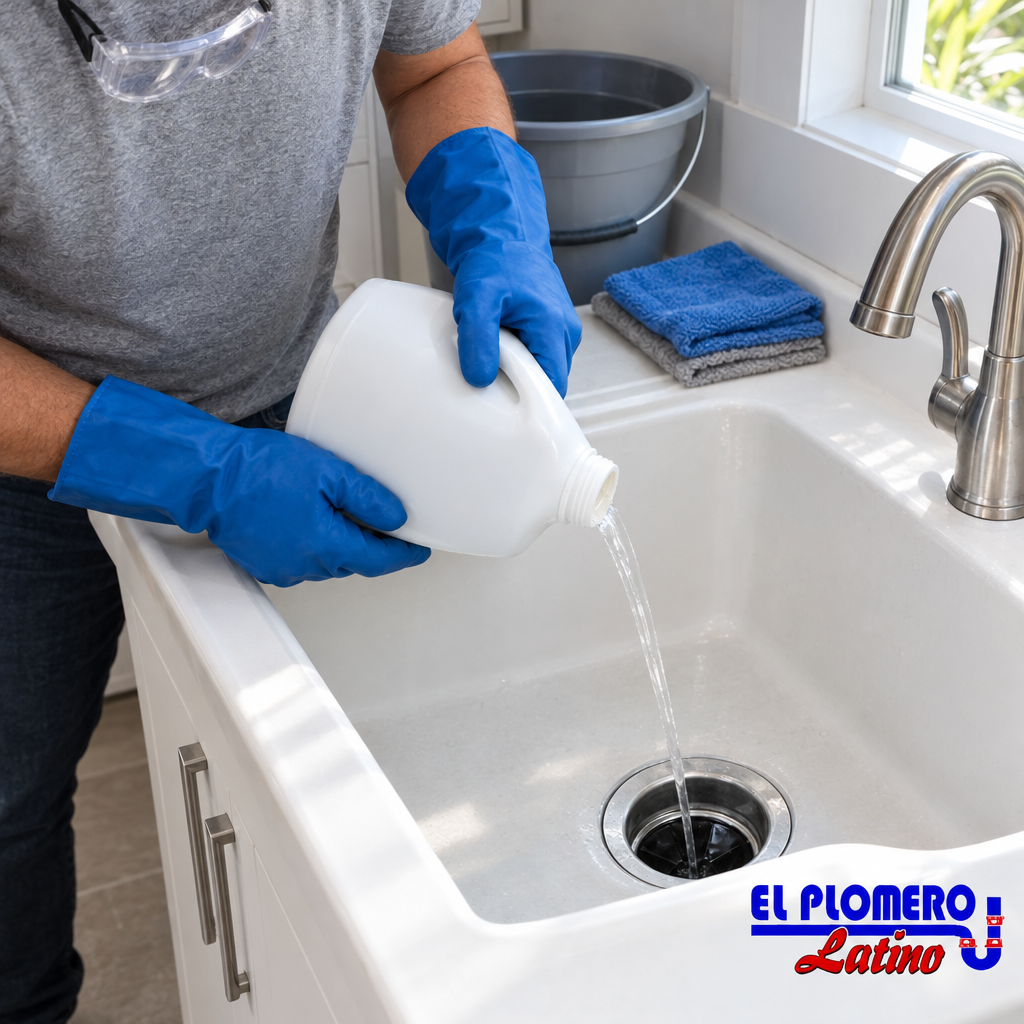
Avoid the temptation to keep flushing, running water, or pouring chemicals down a drain to see if the problem clears. In a commercial building, those actions can worsen a blockage, increase an overflow, or make professional diagnosis harder. Chemical drain cleaners can also damage certain piping and create a safety risk for anyone working on the line afterward.
Plan for Sewer Backups and Drain Failures
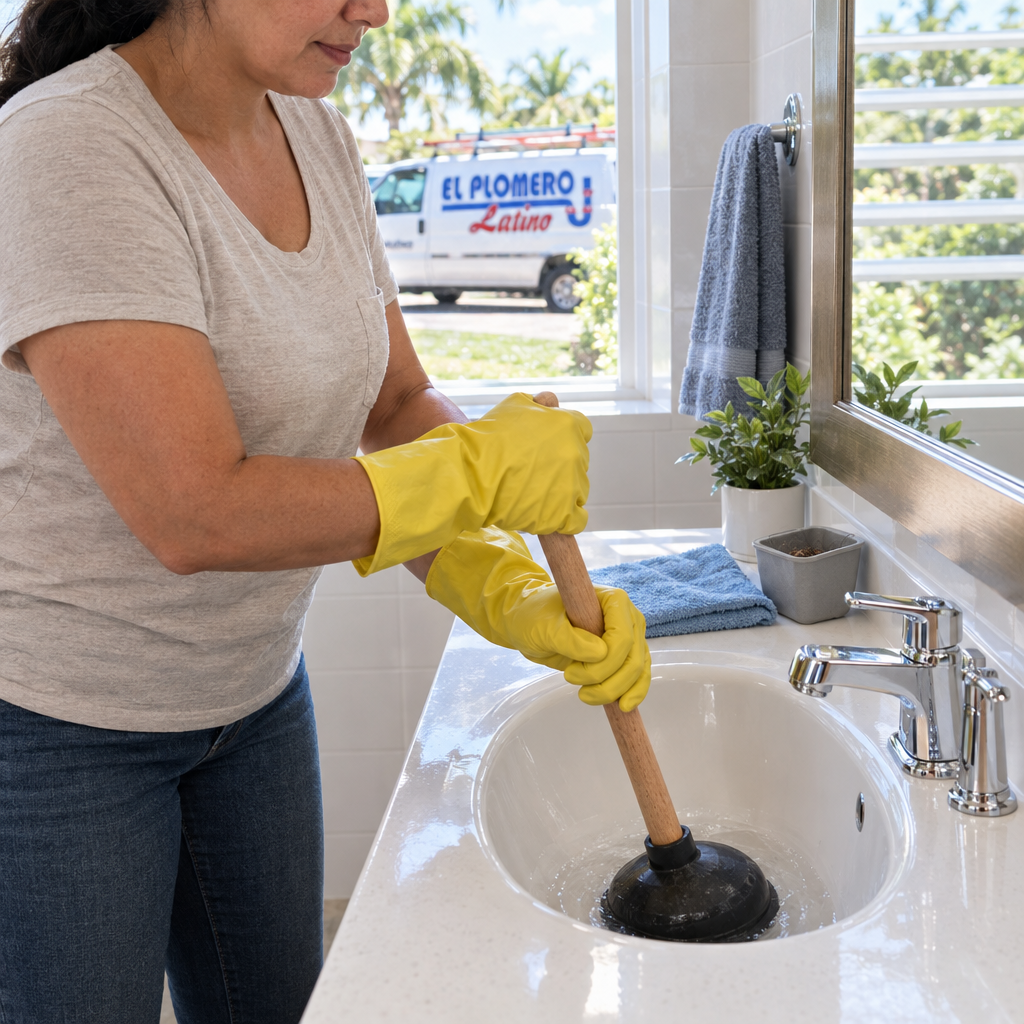
A clogged sink is inconvenient. A commercial sewer backup is a sanitation issue that can force part or all of a business to close. Restaurants, multi-unit properties, and facilities with frequent public use should treat recurring drain trouble as a warning sign, not a routine annoyance.
Your plan should distinguish between a localized fixture clog and a likely main-line issue. If several drains are slow, toilets gurgle, water rises from a floor drain, or sewage appears in more than one area, stop using water in the affected section of the property. Continued use can send more wastewater into a line that is already blocked.
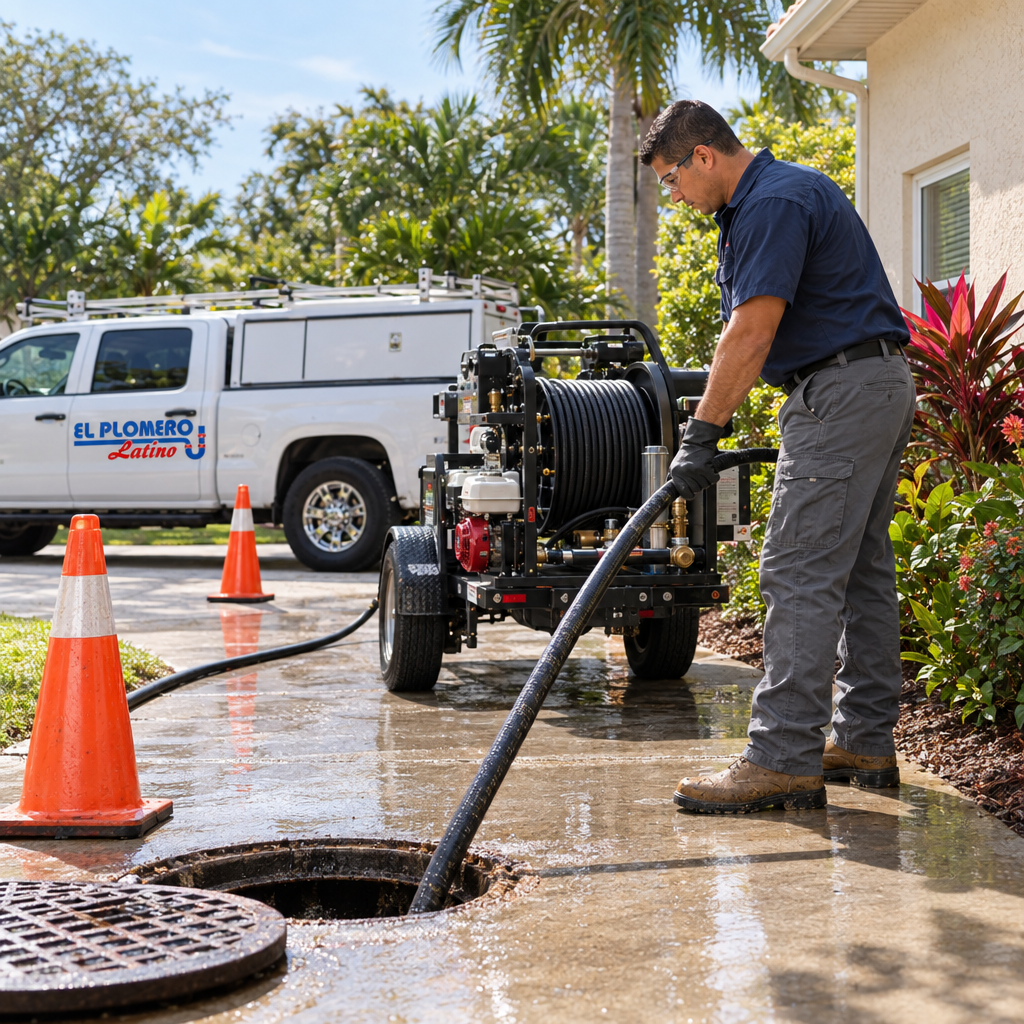
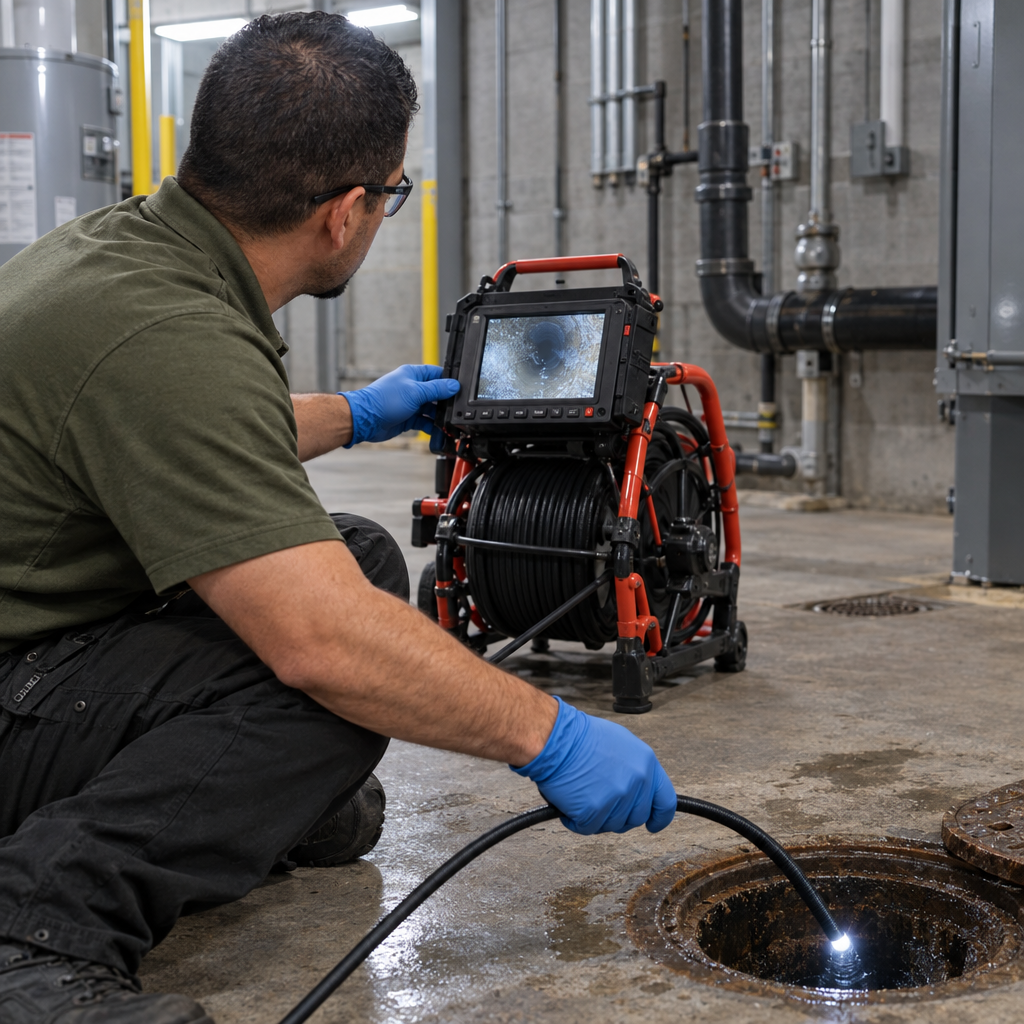
Routine drain cleaning, hydrojetting when appropriate, and sewer camera inspection can identify grease buildup, root intrusion, pipe damage, bellies in a line, or other conditions before they cause an emergency. The right schedule depends on the building’s age, use, drain history, and the material moving through its pipes. A busy restaurant may need more frequent service than a small professional office.
Protect Equipment, Records, and Revenue
Water damage is not limited to floors and walls. It can affect point-of-sale systems, inventory, medical records, server rooms, electrical equipment, and tenant property. Review what is stored below plumbing lines, near water heaters, or in low areas where water could collect.
Move sensitive equipment and paper records off the floor where possible. Keep absorbent materials, wet-floor signs, flashlights, and basic personal protective equipment in an accessible location. These supplies will not replace professional cleanup after a major event, but they can help staff protect the area during the first critical minutes.
Documenting the incident also protects your business. Record when the issue was discovered, the actions your staff took, who was notified, and when plumbing service arrived. Photos taken before cleanup can support insurance claims and help identify patterns if the same problem returns.
Make Prevention Part of Commercial Plumbing Emergency Preparedness
The strongest emergency plan includes maintenance that reduces the chance of an emergency in the first place. Schedule inspections around your building’s real needs, especially before periods of heavy use, seasonal occupancy changes, renovations, or hurricane season.
Pay attention to warning signs: unexplained water bills, damp walls, recurring odors, frequent toilet clogs, slow drains, discoloration around ceilings, reduced hot water, and unusually low water pressure. These symptoms may have a simple cause, but waiting for a complete failure is rarely the lower-cost choice.
El Plomero Latino Inc. helps Orlando-area businesses address drain, sewer, water-line, fixture, and water-heater concerns with straightforward communication, flat-rate upfront pricing, and dependable workmanship. Establishing a relationship with a commercial plumbing team before an urgent call means they can learn your facility, understand its history, and respond with better information from the start.
Review your preparedness plan at least once a year and after any plumbing incident. A plan only works when contact numbers are current, valves are accessible, staff know their role, and small warning signs receive attention. When a real emergency happens, calm preparation gives your business the best chance to protect its people and reopen with confidence.