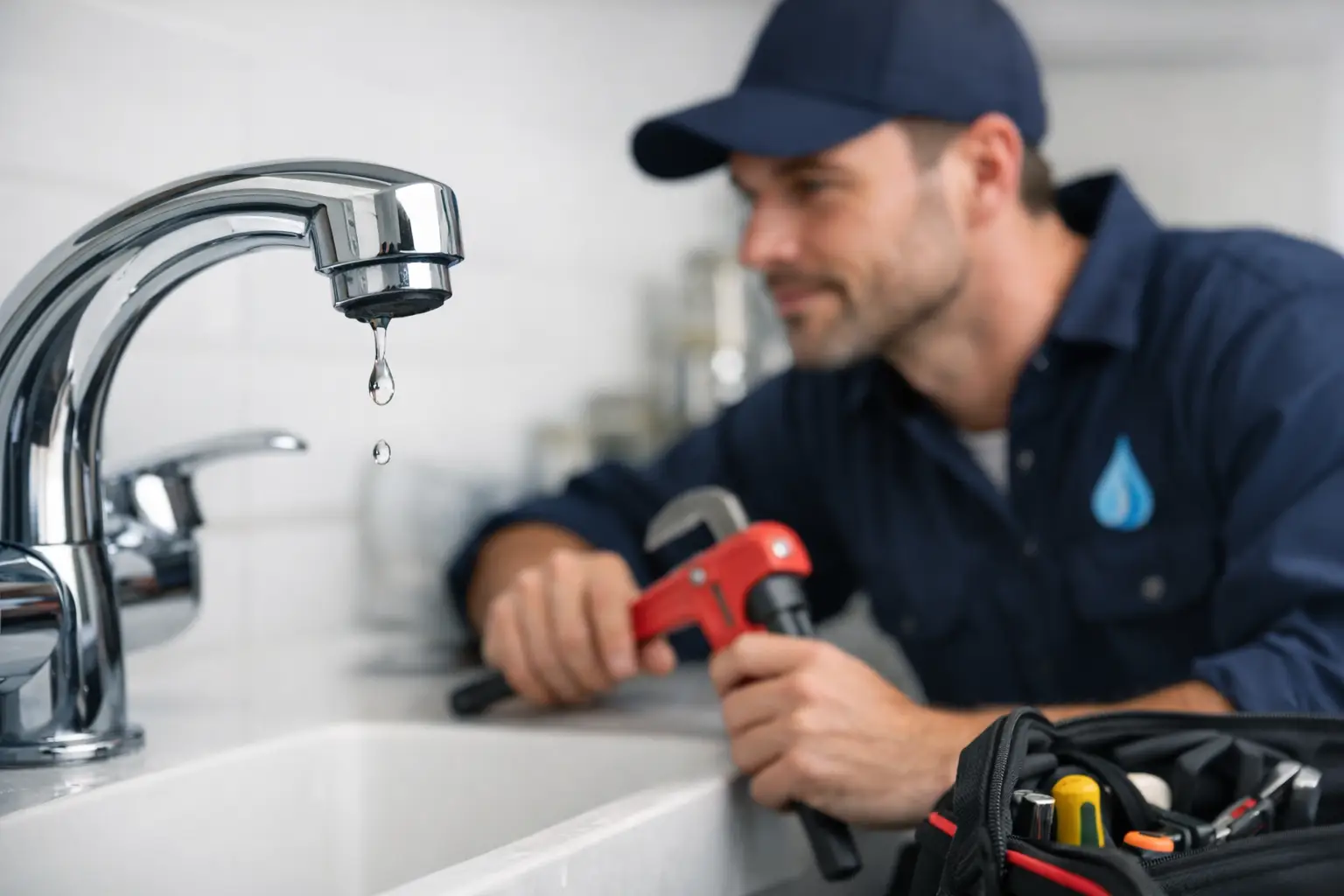
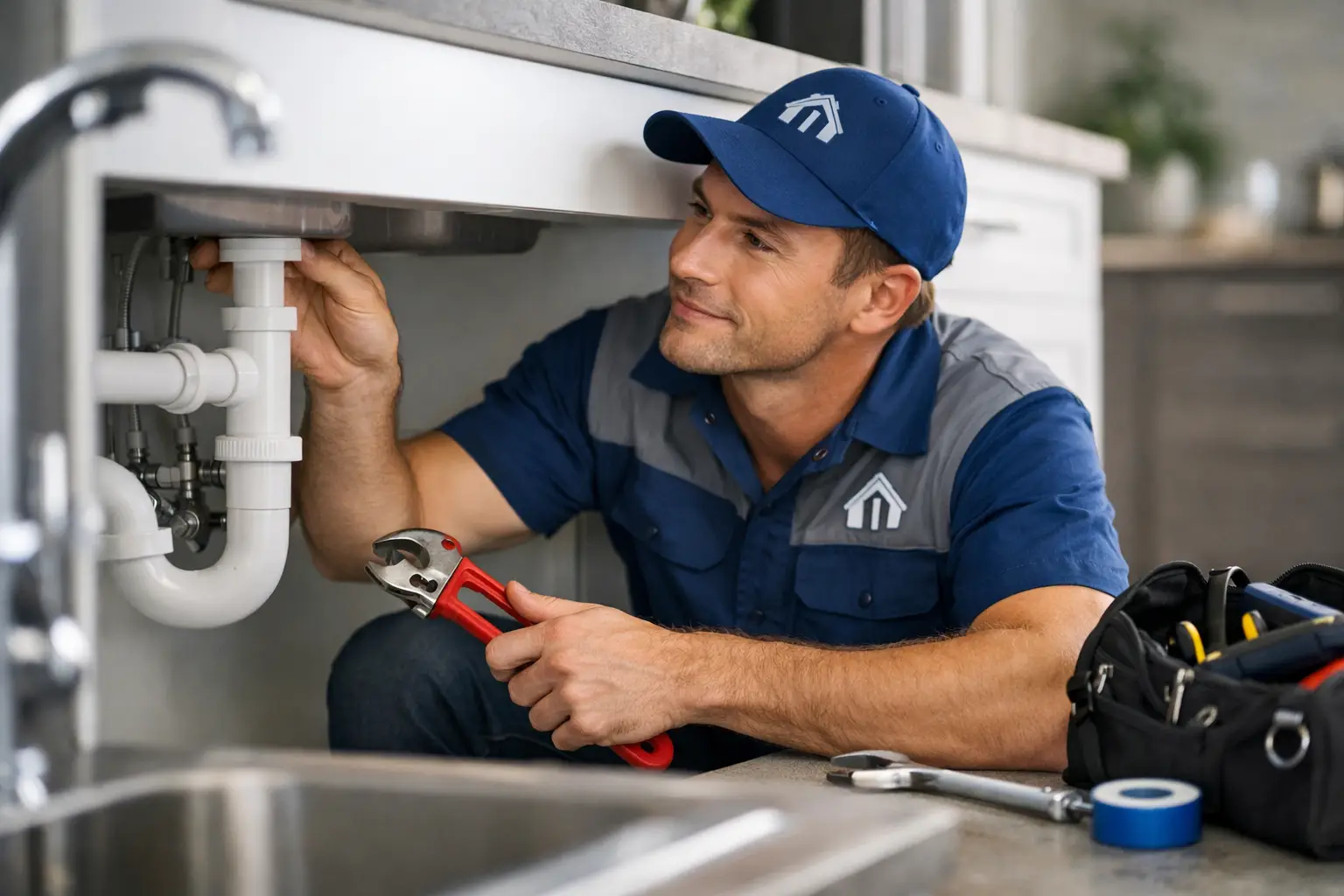
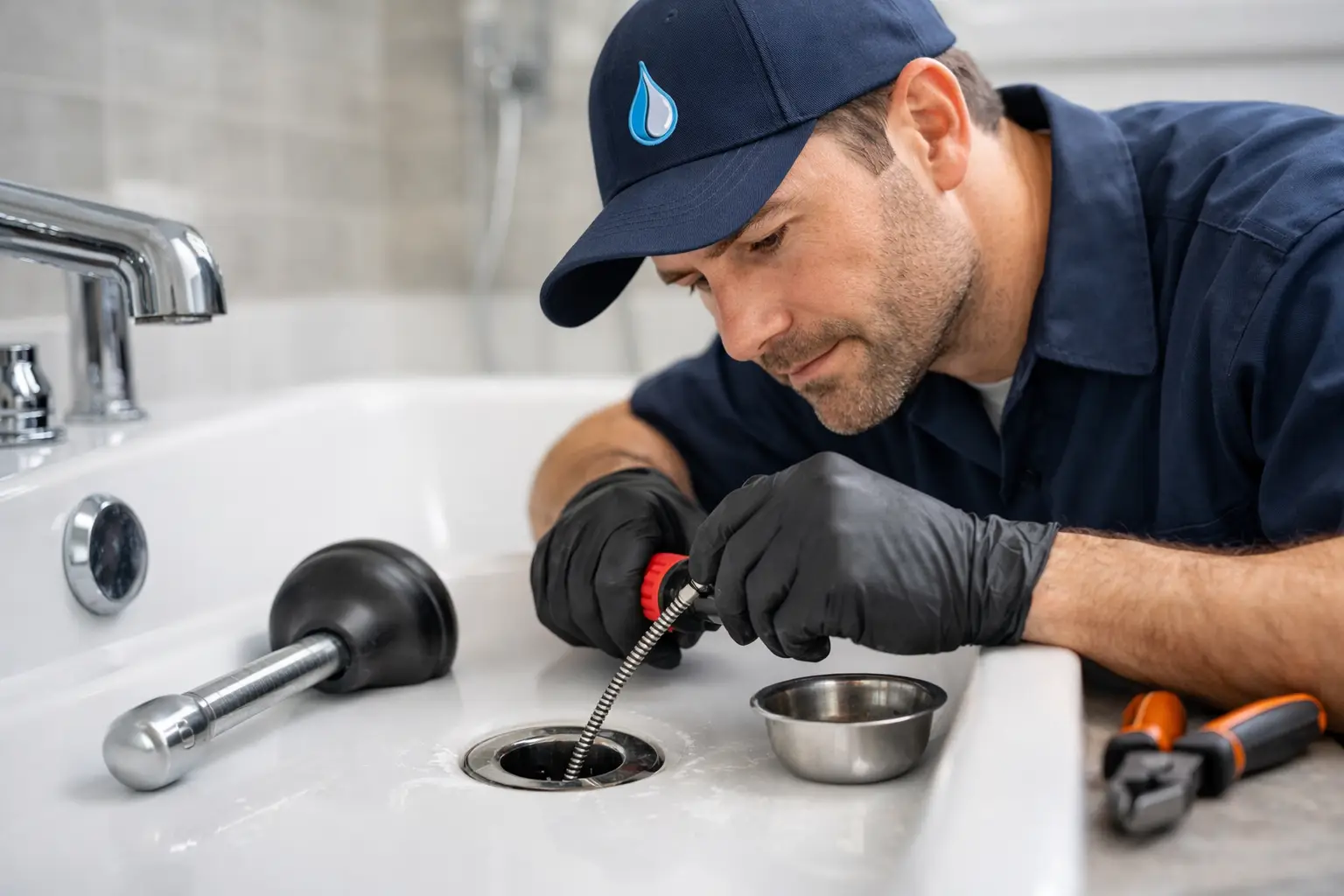
A backed-up drain in a restaurant, a leaking supply line in a retail space, or a sewer issue at a condo building can shut business down fast. If you are asking how to do commercial plumbing, the first thing to know is that this work is not just bigger residential plumbing. It involves stricter codes, heavier daily use, tighter schedules, and a lot more responsibility when people, tenants, customers, and employees depend on the system working every day.
How to Do Commercial Plumbing: Start With the Scope
Commercial plumbing starts with understanding the building, the occupancy, and the demands on the system. A small office, a busy restaurant, a medical suite, and a multifamily property may all need plumbing service, but they do not use water the same way and they do not create the same kind of waste load.
That matters right away. Fixture counts, drain sizing, grease management, shutoff access, cleanout locations, and hot water needs all depend on the type of property. In Central Florida, you also have to think about aging infrastructure, slab concerns, high groundwater in some areas, and how hard-use systems hold up over time.
Before any repair, replacement, or installation begins, the job needs a clear scope. Are you dealing with a recurring blockage, a broken sewer line, a leaking water main, failing fixtures, or a full plumbing buildout? If you skip that step and go straight to replacing parts, you can spend money without fixing the real problem.
Commercial Plumbing Is About Diagnosis First
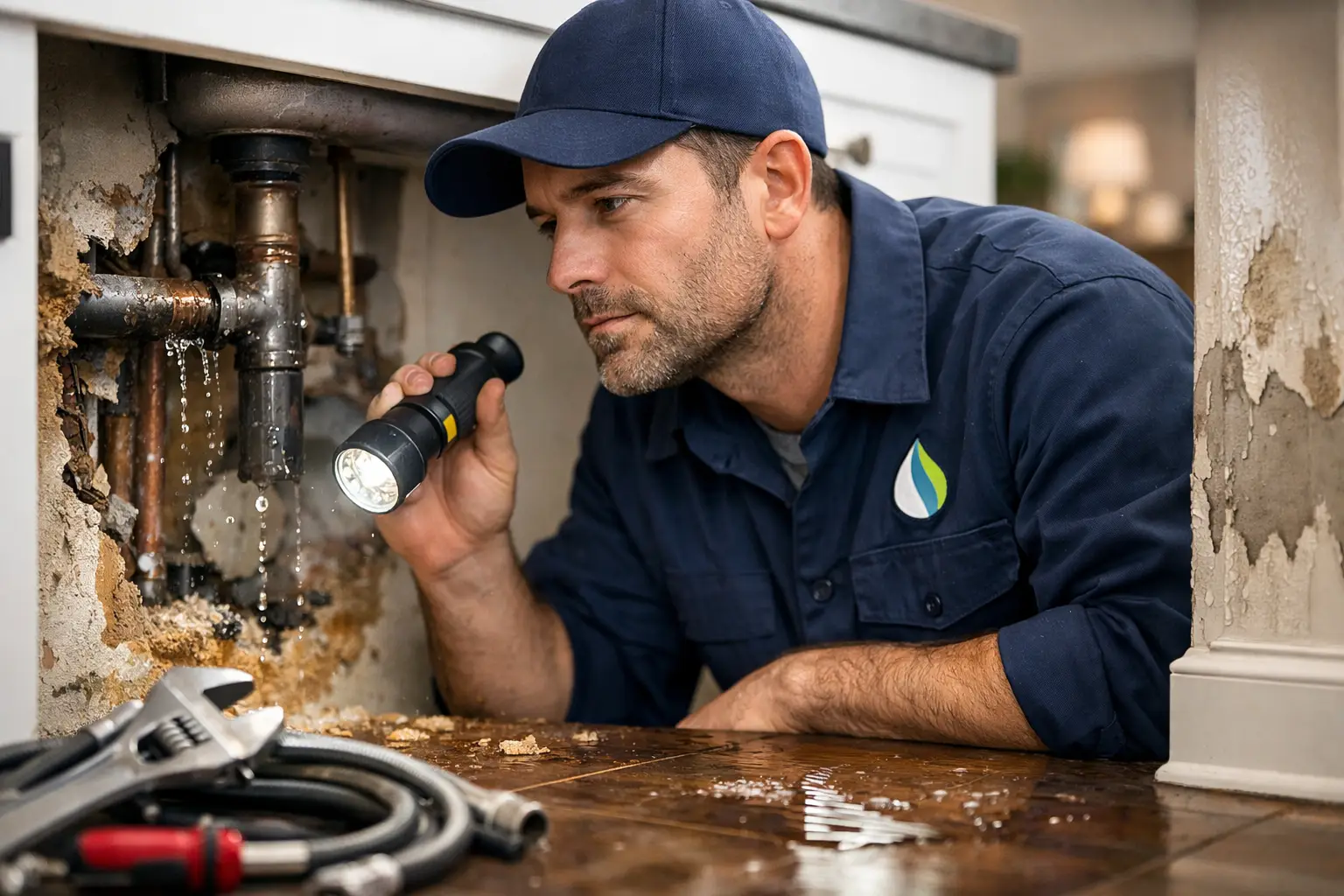
In residential work, the issue is sometimes obvious. In commercial plumbing, it often is not. A sink backing up in one part of the building may actually point to a larger branch line problem. Slow drainage in multiple restrooms may signal a main blockage. Water stains on a wall could be a supply leak, a drain leak, or even a roof issue that only looks like plumbing.
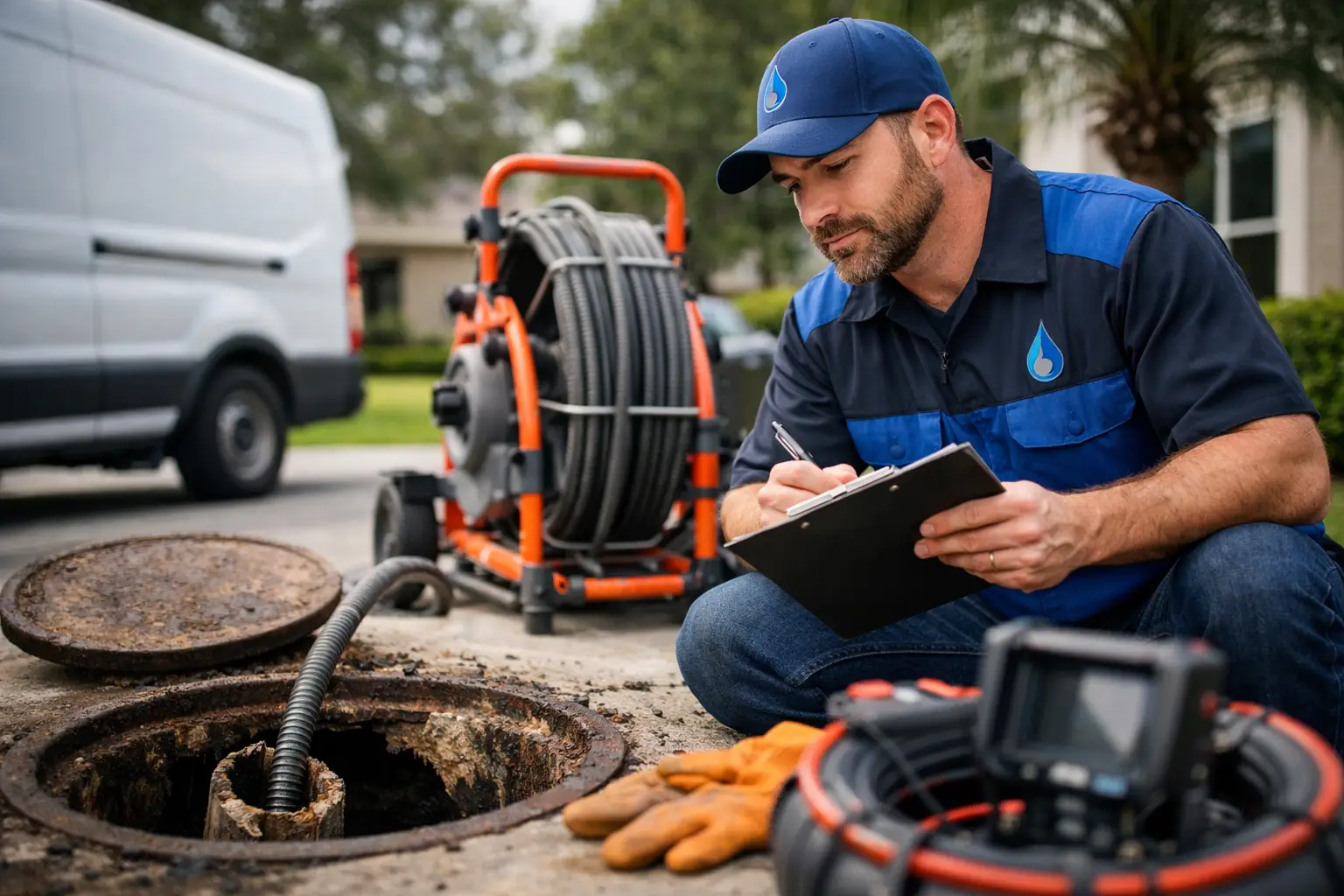
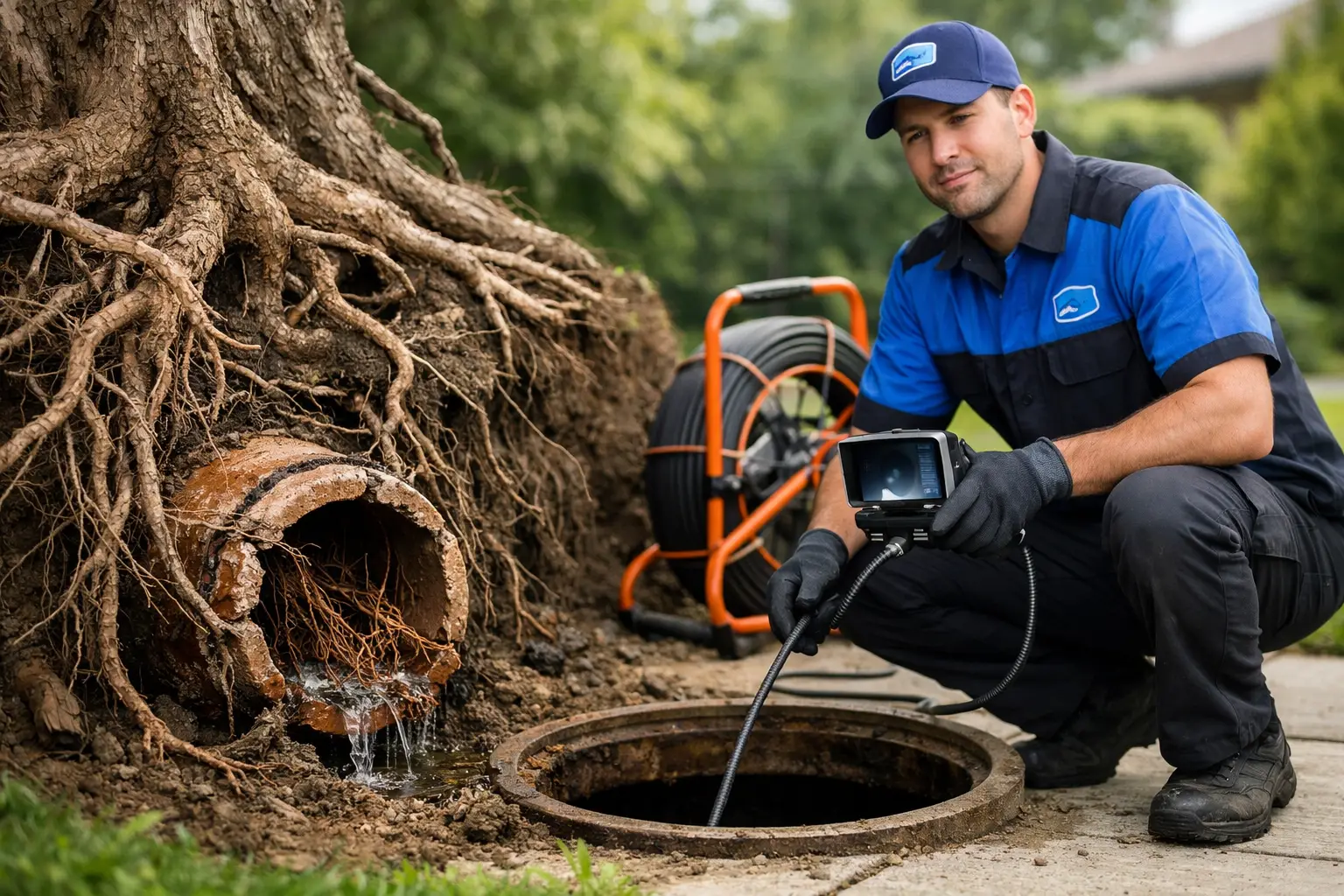
This is why professional diagnosis matters. Sewer camera inspection, pressure testing, leak detection, and system tracing help narrow down what is happening before repairs begin. Hydrojetting may be the right solution for one drain line, while another system with damaged piping may need a more careful approach.
It depends on the age of the pipe, the material, the condition of the line, and what kind of buildup or damage is present. Good commercial plumbing work is not about guessing fast. It is about finding the actual cause and fixing it right the first time.
Code Compliance Is Not Optional
One of the biggest mistakes people make when thinking about how to do commercial plumbing is treating it like a simple repair trade. In reality, code compliance is a major part of the job.
Commercial plumbing must meet local building requirements, health and safety standards, and in many cases accessibility rules. That can affect fixture placement, backflow protection, grease interceptors, venting, pipe sizing, water heater setup, and more. If the building is tenant-occupied or open to the public, the stakes go up even higher because downtime, liability, and inspections all come into play.
A repair that looks cheaper upfront can become more expensive if it creates a violation or fails inspection later. For business owners and property managers, that means delays, rework, and frustration. For that reason, commercial plumbing should always be handled with permits and professional oversight when the job requires it.
Water, Waste, and Vent Systems Must Work Together
A lot of people think plumbing is just about moving water in and waste out. In a commercial building, the system is more connected than that.
The water supply side has to deliver consistent pressure across the building, even during peak demand. The drain and sewer side has to remove waste efficiently without recurring clogs or backups. The venting system has to support drainage and protect trap seals so sewer gases do not become a problem indoors.
If one part is off, the rest of the system can suffer. Poor venting can lead to slow drains and odor complaints. Undersized supply lines can affect fixtures on busy days. Damaged sewer lines can create repeat service calls that disrupt tenants and customers.
That is why commercial plumbing is often a system-level job, not just a spot repair. Sometimes the visible issue is just the symptom.
How to Do Commercial Plumbing Repairs the Smart Way
For many businesses, the question is not how to install a whole system from scratch. It is how to handle repairs without creating more downtime than necessary.
The smartest commercial plumbing repairs begin with access, timing, and communication. Work may need to happen before opening hours, after closing, or in phases so the business can stay operational. In a restaurant, for example, a drain issue in the kitchen cannot be treated the same way as a minor faucet repair in a private office.
You also have to think about who is affected. Tenants, staff, customers, maintenance teams, and health inspectors may all be part of the picture. That means clear expectations matter. If a water shutoff is required, everyone should know when it will happen, how long it will last, and what the next step is.
From a technical side, smart repairs use the least invasive option that still solves the problem. Hydrojetting can restore flow in lines with grease and scale buildup. Spot repairs can work well when damage is limited and accessible. Full line replacement may be the better investment when a pipe is deteriorated in multiple sections. There is no one-size-fits-all answer. The right call depends on cost, condition, urgency, and the long-term plan for the property.
Preventive Maintenance Matters More in Commercial Buildings
Commercial systems usually fail from repeated stress, not random bad luck. Heavy use, grease, paper products, scale, aging valves, and unnoticed leaks wear the system down over time.
That is why preventive maintenance is one of the most practical parts of commercial plumbing. Routine drain cleaning, sewer camera inspections, fixture checks, leak detection, and water heater service can catch problems before they become emergencies. A property manager who schedules maintenance usually spends less over time than one who only calls after something breaks.
This is especially true in restaurants, multifamily properties, retail centers, and office buildings where plumbing gets used all day by many people. In those settings, one avoidable plumbing failure can cost more than the maintenance that would have prevented it.
Commercial Plumbing Requires the Right Equipment and Experience
Doing commercial plumbing well is not just about knowing pipe sizes or replacing fixtures. It also requires the right tools and the experience to use them properly.
Drain machines, hydrojetting equipment, sewer cameras, electronic leak detection tools, and pressure testing equipment all play a role depending on the job. More importantly, the technician has to know when each method is appropriate and when it is not. Aggressive cleaning in a fragile line can create new damage. A quick patch on a failing system can delay the real fix and increase the total cost later.
That is where experience shows up. An experienced commercial plumber can spot patterns, explain trade-offs clearly, and help owners make decisions based on both immediate needs and long-term value. At El Plomero Latino Inc., that practical, honest approach is a big part of how trust gets built with businesses and property owners across the Orlando area.
What Business Owners Should Look For
If you are hiring out commercial plumbing work, the goal is not just finding someone who can respond fast. You want a licensed, insured professional who can diagnose accurately, communicate clearly, and stand behind the work.
Flat-rate upfront pricing helps avoid surprises. Warranties and satisfaction guarantees matter because commercial jobs often involve bigger systems and bigger consequences. It also helps to work with a plumber who understands how to operate in occupied spaces respectfully, whether that means protecting the work area, minimizing disruption, or communicating in English or Spanish with the people on site.
The best commercial plumbing partner is the one you can call before a crisis, not just during one.
When Commercial Plumbing Should Never Be Delayed
Some problems can wait a day or two. Others should be addressed right away. Active leaks, sewer backups, loss of water service, repeated drain overflows, and signs of slab or underground line issues should not sit on a maintenance list for long.
These problems tend to spread. A minor leak can damage walls, flooring, or inventory. A sewer issue can create health concerns and force closures. A water line problem can interrupt business operations and upset tenants. Fast action does not always mean rushing into the biggest repair. It means getting the system evaluated quickly so the right next step is clear.
Commercial plumbing works best when it is treated as part of keeping a property safe, functional, and ready for business every day. If you are trying to figure out how to do commercial plumbing the right way, start by thinking bigger than the pipe in front of you. Think about the whole building, the people inside it, and the value of solving the problem once instead of paying for it twice.
A business runs better when the plumbing is one less thing to worry about.